
Linda Lawson, as a young woman, worked in a nursing home outside Seattle, feeding patients with severe dementia spoonfuls of food. That experience permanently shaped her views on the end of life: she often told loved ones she never wanted to end up that way, valuing “quality of life over its length.” But she never put those wishes in a formal written directive.
Four decades later, Linda began showing signs of cognitive decline: she repeated herself, got lost while cooking, and constantly forgot where she set her coffee. In 2014, at 61, she was diagnosed with dementia, and a few years later, after she was found wandering in the woods wearing only one shoe, the family placed her in a specialized memory-care facility.
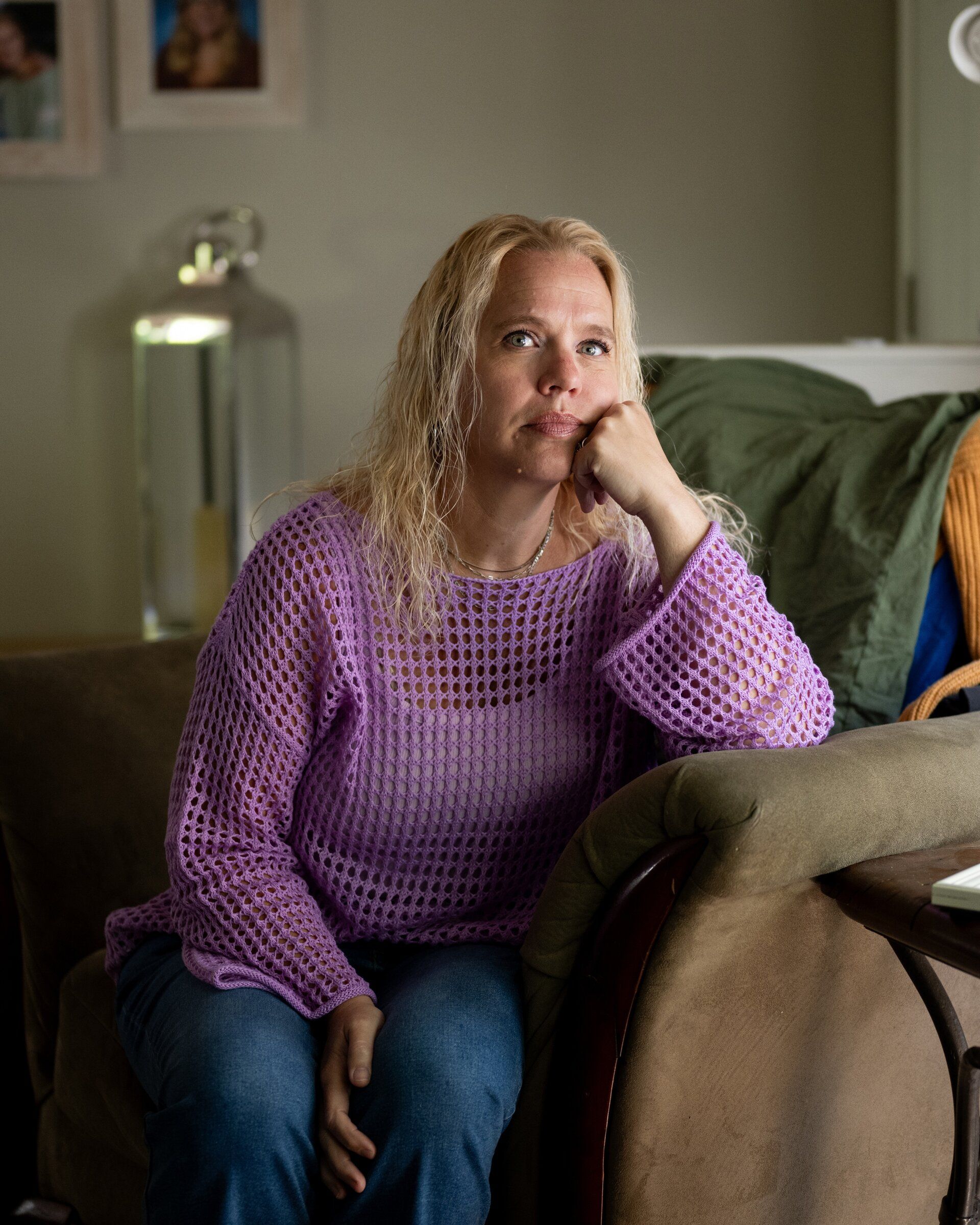
Staff at the facility, following standard practice, kept Linda alive by feeding her three meals a day, even when she was asleep or turned away. For her daughter, Heidi Hendrickson, and her husband, Stan, it was agonizing: they watched a woman who had always valued quality of life gradually fade while being effectively force-fed. They were convinced she would not have wanted that stage prolonged.
Because Linda had not left written instructions refusing food and fluids in late-stage dementia, the family did not know their legal options. At a meeting with the attending physician they explained that they never wanted to extend life for its own sake and asked the doctor to “find a way.” The physician suggested a concept she had recently read: “minimal comfort feeding.”
The approach’s essence was to offer small amounts of food only when the patient showed signs of hunger or thirst, giving just enough to provide comfort. For a person with advanced dementia who showed no interest in eating, this could allow a natural death when the body no longer received sufficient calories, avoiding an abrupt withdrawal of all nutrition.
Dementia affects more than 6 million Americans, and new cases are projected to double by 2060. Only a minority of adults complete advance directives, and very few address feeding. Such instructions sit in a legal “gray zone,” and most facilities refuse to comply.
Federal rules complicate matters further: nursing homes participating in Medicare and Medicaid must offer at least three meals a day and report residents’ weight. Medicare—health coverage for people over 65—and Medicaid—for low-income individuals—reimburse facilities for care but tightly regulate how that care is delivered. Facilities fear accusations of “neglect” or of cutting services to save money, which can trigger criminal investigations, loss of licenses and lawsuits. So nursing homes tend to continue artificial feeding, even if a patient might choose a more natural decline.
Though the idea of “minimal comfort feeding” is new, there has long been heated debate over stopping food and fluids entirely to hasten death in dementia. Medical staff are often reluctant to withhold all nutrition, viewing it as sinful or a breach of professional duty. Some experts question whether the prior wishes of a competent person should trump the patient’s current enjoyment of eating.
Dr. Hope Wetchkin, a palliative care physician in Kirkland, Washington, has long watched families struggle with such decisions. Kirkland, on the east shore of Lake Washington about 15 miles from downtown Seattle, is known for its robust health system, including EvergreenHealth, its affluent population that funds innovation, and its proximity to liberal Seattle, where end-of-life ethics are actively debated. In 2023 Dr. Wetchkin helped a family secure a peaceful death for their relative by having staff offer only tiny portions of food. That experience prompted her to formalize a protocol in a paper published in February 2025.
Dr. Patrick Cleary of New Hampshire called the protocol revelatory, replacing a “black-and-white” choice between supportive feeding and complete withdrawal. But when Linda’s family tried to use the approach, the facility refused outright, even threatening to call Adult Protective Services (APS) if the family attempted it at home. APS is a state agency that protects older and vulnerable adults from abuse and neglect; in Washington it investigates allegations of wrongdoing, works with medical facilities and can initiate legal action.
Critics, such as Wesley Smith of the Discovery Institute, a Seattle-based organization known for its conservative stance, called the method “slow starvation,” arguing society is putting more energy into “assuring death than assuring care.” The Discovery Institute opposes euthanasia and limiting medical care, lobbying to preserve life at all costs; that stance creates tension with Washington state’s more liberal laws, including a “right to die” framework, and with conservative opposition. Other experts worried that ending the lives of dementia patients this way could reflect discriminatory assumptions about the worth of lives of people with disabilities.
Despite objections, the family took Linda home to Heidi’s house. There they closely monitored her, offering food only when she showed signs of hunger. APS called after a complaint from the facility, but after the family’s explanations the visit never occurred and the case was closed.
In her final days Linda was surrounded by friends and relatives who remembered her as the life of the party. They gathered, drank wine and watched her favorite show, Little House on the Prairie. At one point Linda reached out and touched a visitor’s cheek—a gesture her daughter will never forget.
A few days later Stan noticed his wife’s breathing had become irregular. He woke the family and they gathered at Linda’s bedside, holding her hands and soothing her in her final minutes. She died having fulfilled her wish “never to die alone” — and, as Heidi said, “she was not alone.”




Based on: She didn’t want to live with advanced dementia. So why was she being kept alive?