
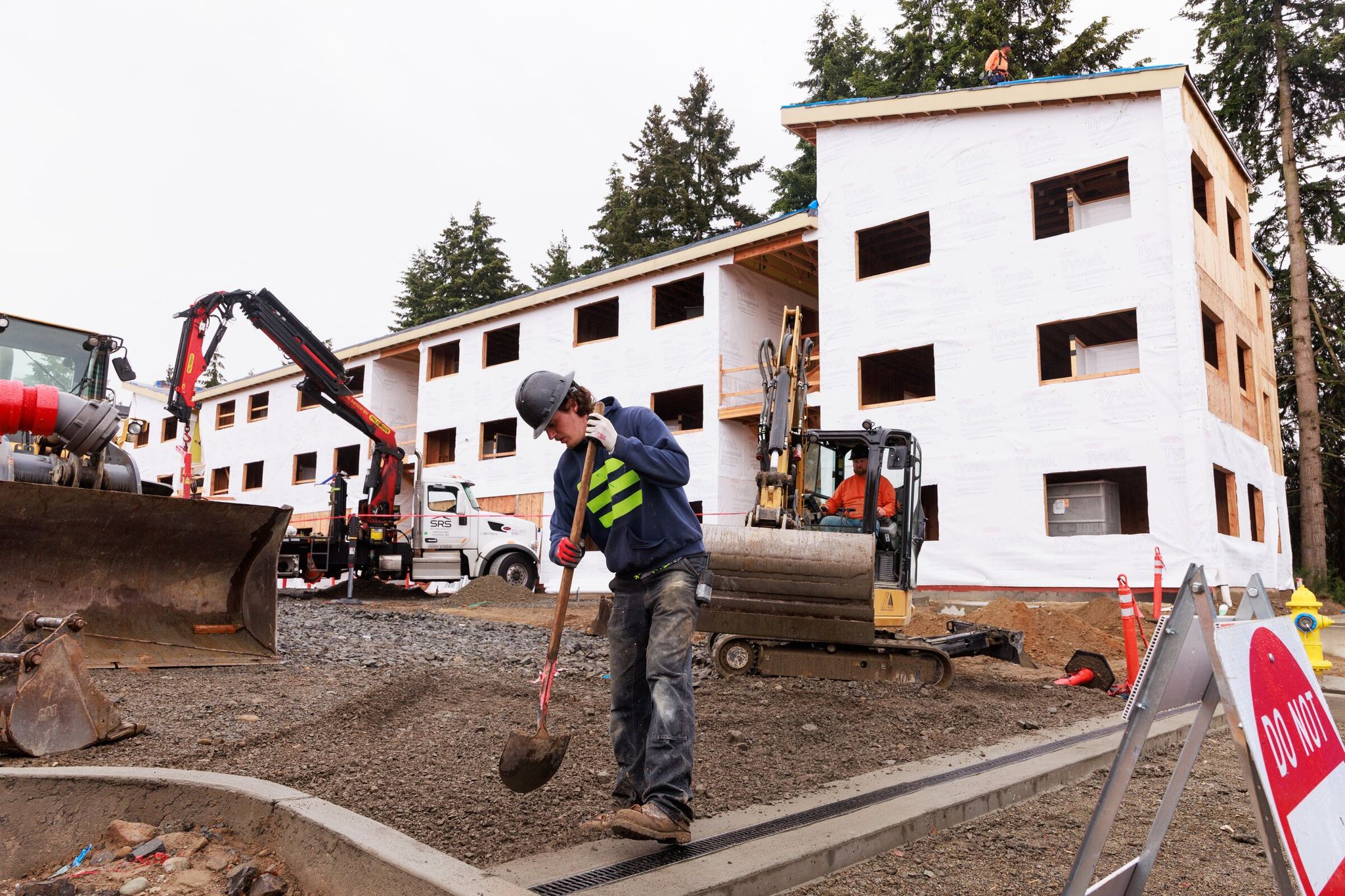
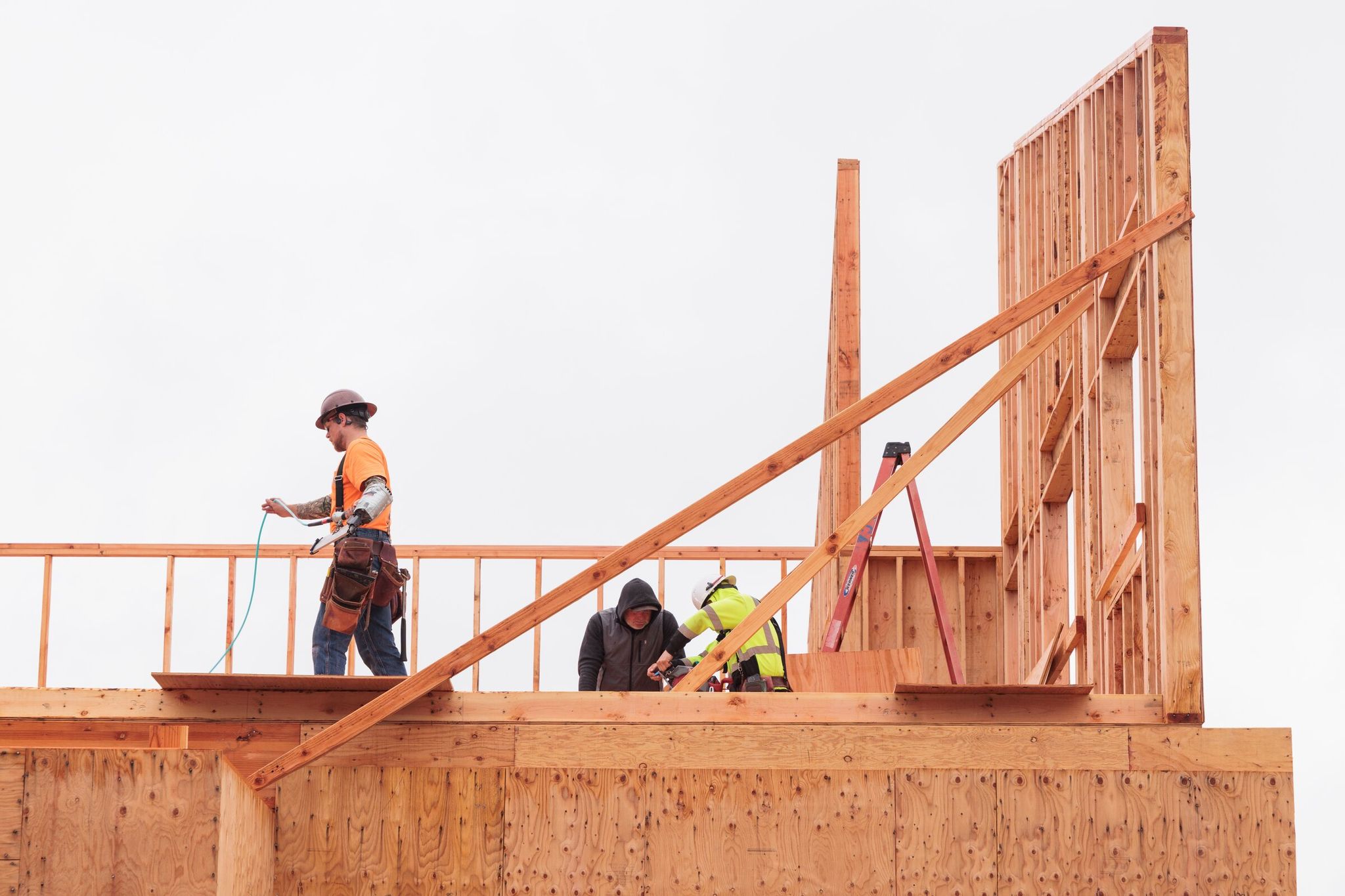
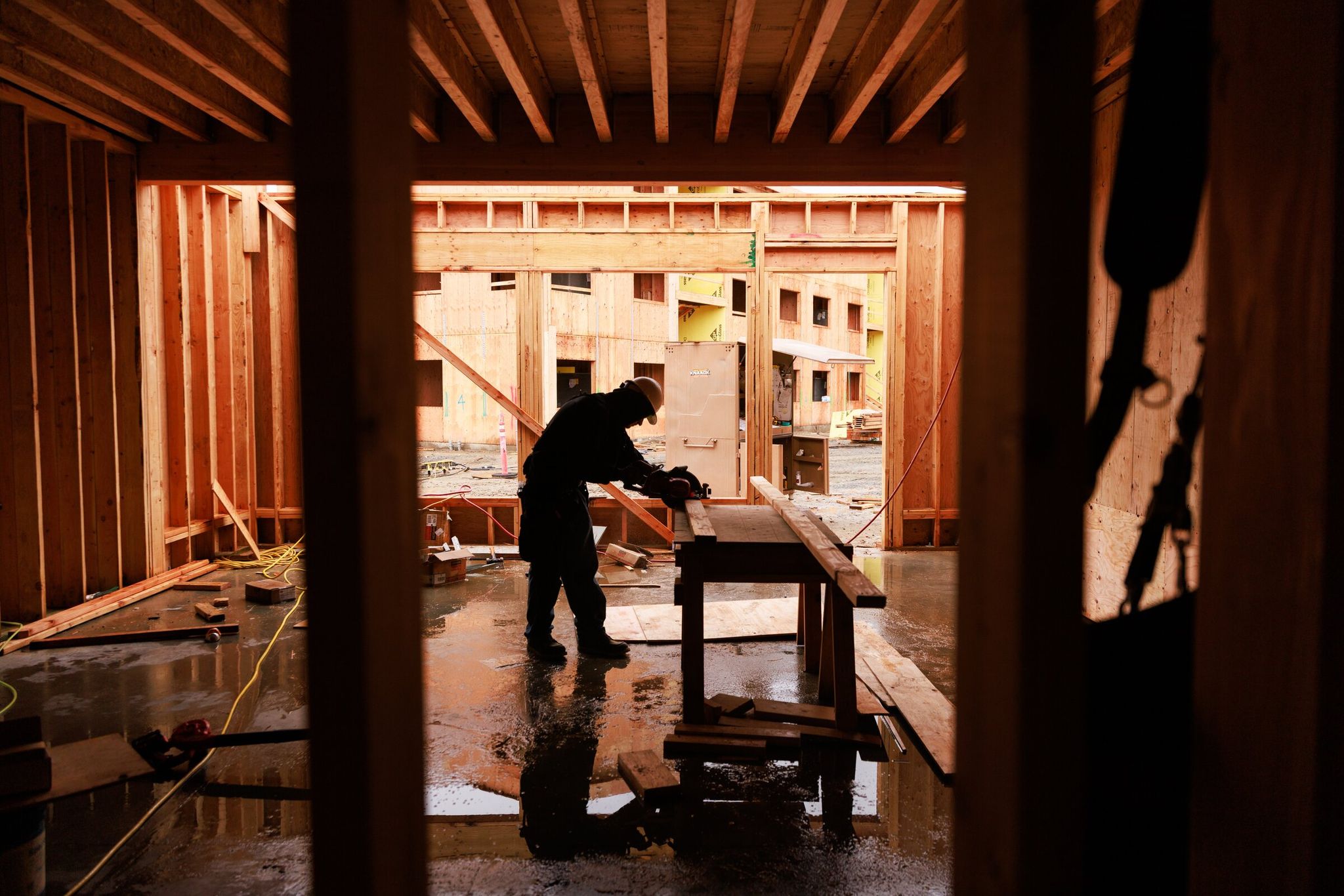
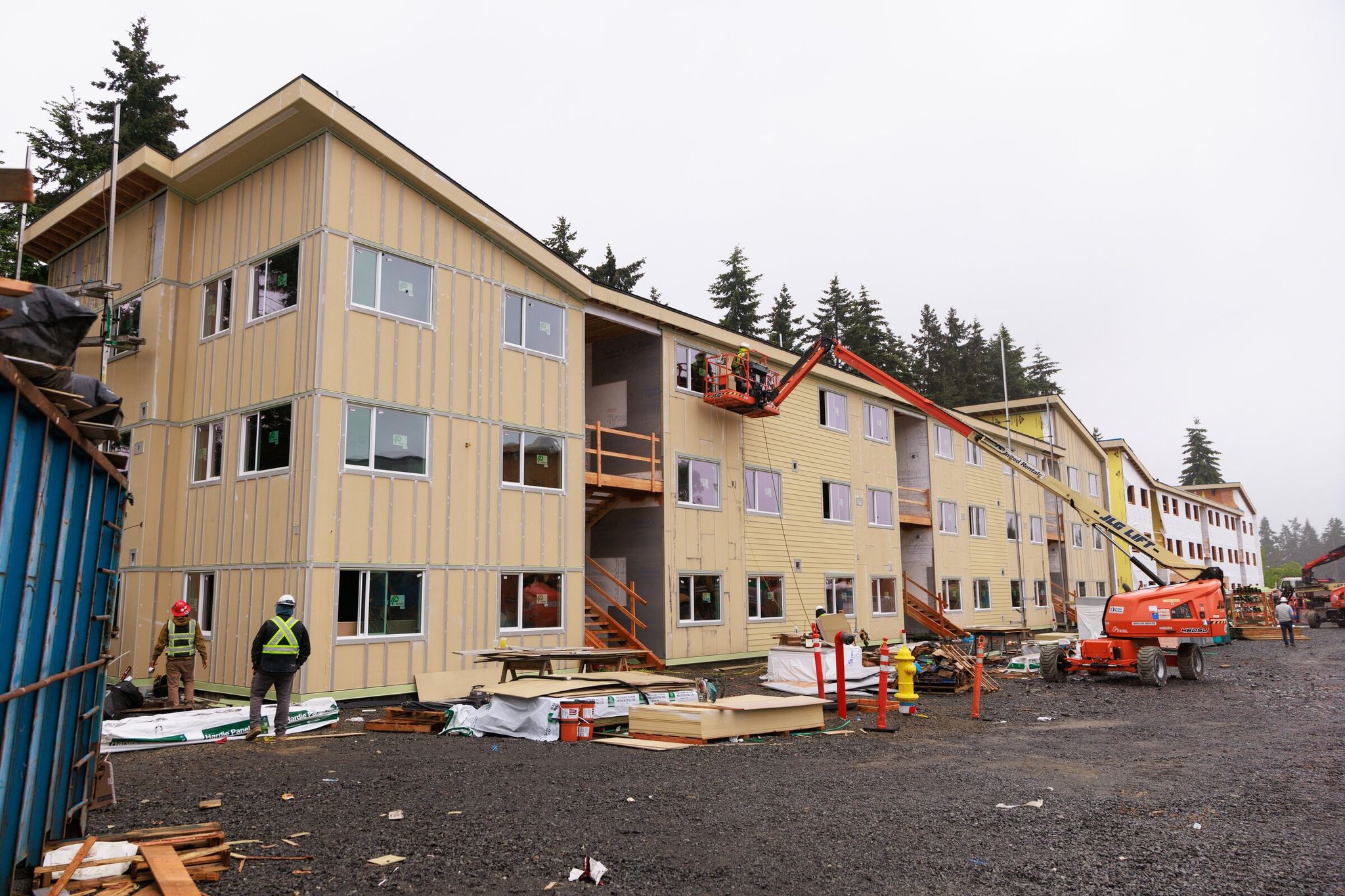
The Edmonds School District, located about 25 kilometers north of downtown Seattle in Snohomish County, is partnering with the nonprofit Housing Hope on a unique project: building 52 apartments for families with children who attend local schools and lack stable housing. This region, known for the scenic shores of Puget Sound, ferry service to the Olympic Peninsula, and as an affluent suburb, has become the site of a new model for addressing student homelessness. The Scriber Place complex is being built on a former baseball field next to Cedar Valley Elementary, and its opening is planned for next year. The project has drawn attention from experts nationwide as a potential model for addressing one of the most pressing problems in education — academic failure among homeless students.
According to the district, about 820 students met the federal definition of homelessness last school year — living outdoors, in cars, in shelters, motels, or doubled up with relatives or friends. Such children face serious barriers: they have difficulty getting to school, lower grades and graduation rates, and higher absenteeism and dropout rates. "Kids can’t learn if their basic needs aren’t met," emphasizes Greg Schwab, the district’s assistant superintendent.
The project became possible because of the 2020 House Bill 1590, passed by the Washington state legislature, which allows school districts to lease unused land for affordable housing. That became possible thanks to the state’s strong progressive policies and a growing housing affordability crisis. The law had bipartisan support because it helps address shortages of teachers and staff. Edmonds and Housing Hope signed a 75-year lease for the former field for a nominal fee — $1 a year. The site is in a commercial zone near a major highway, although the Link Light Rail system does not yet reach Edmonds — the nearest station is in Northgate, about 20 kilometers to the south. The line is planned to be extended to neighboring Lynnwood by 2024, which will improve transit access, but for now residents must rely on buses or private vehicles. Still, the complex’s location will significantly cut commute times for families, some of whom currently live almost 40 kilometers from the school.
The $38 million construction is financed through low-income tax credits, grants, and direct appropriations from state and federal governments. The complex will include one- to four-bedroom apartments — the larger units are especially in demand for big multigenerational families but are rarely available in such projects. The site will also include a playground and a medical clinic.
Beyond housing, families will receive comprehensive supports: a designated case manager will help each family craft a plan to reach financial and housing goals — from writing resumes to applying for SNAP food benefits and finding permanent housing. Housing Hope, a well-known regional nonprofit operating in Snohomish and Island counties, provides services such as help for homeless families with children, financial coaching, youth programs, and daytime centers for kids. "Our main goal is to help people meet their own goals," explains Rachel Downs, Housing Hope’s director of strategy.
Eligibility rules: families must have been enrolled in Edmonds School District for at least two years prior to application, though continued enrollment in the district after moving in is not required. Rent will not exceed 30% of a family’s income, with the remainder covered by Section 8 housing vouchers from the Snohomish County Housing Authority. This federal program subsidizes rents on the private market — recipients find an apartment and the government pays the difference between market rent and the family’s share. Because of high regional housing costs, demand for vouchers is huge, and waiting lists can last years. Half the units are set aside for families earning less than 30% of area median income, and the other half for those earning up to 50% of the median.
The district will identify families who meet the criteria, and Housing Hope will verify incomes. Families will be chosen on a first-come, first-served basis. The project also plans to conduct a case study to track its impact on student performance and wellbeing. Similar projects building affordable housing on school district land have already been implemented in Auburn and Federal Way south of Seattle, and neighboring Lynnwood is also exploring such initiatives. Edmonds isn’t an absolute pioneer, but it is among the first in Snohomish County to use the 2020 law.
Barbara Duffield of SchoolHouse Connection calls the project a potential model for other districts: "Schools are often left out of conversations about homelessness, even though they know the problem best. That stability could be key to long-term economic mobility and breaking the cycle of homelessness."
Despite criticism of schools taking on social functions, officials insist that instability outside school walls directly affects learning. Housing Hope Executive Director Kathryn Oña adds: "We’re trying to get to the root of the problem — situational homelessness caused by job loss or health issues. This is more than a place to live; it’s help for families to get back on their feet."
Based on: To address student homelessness, Edmonds district helps build housing