
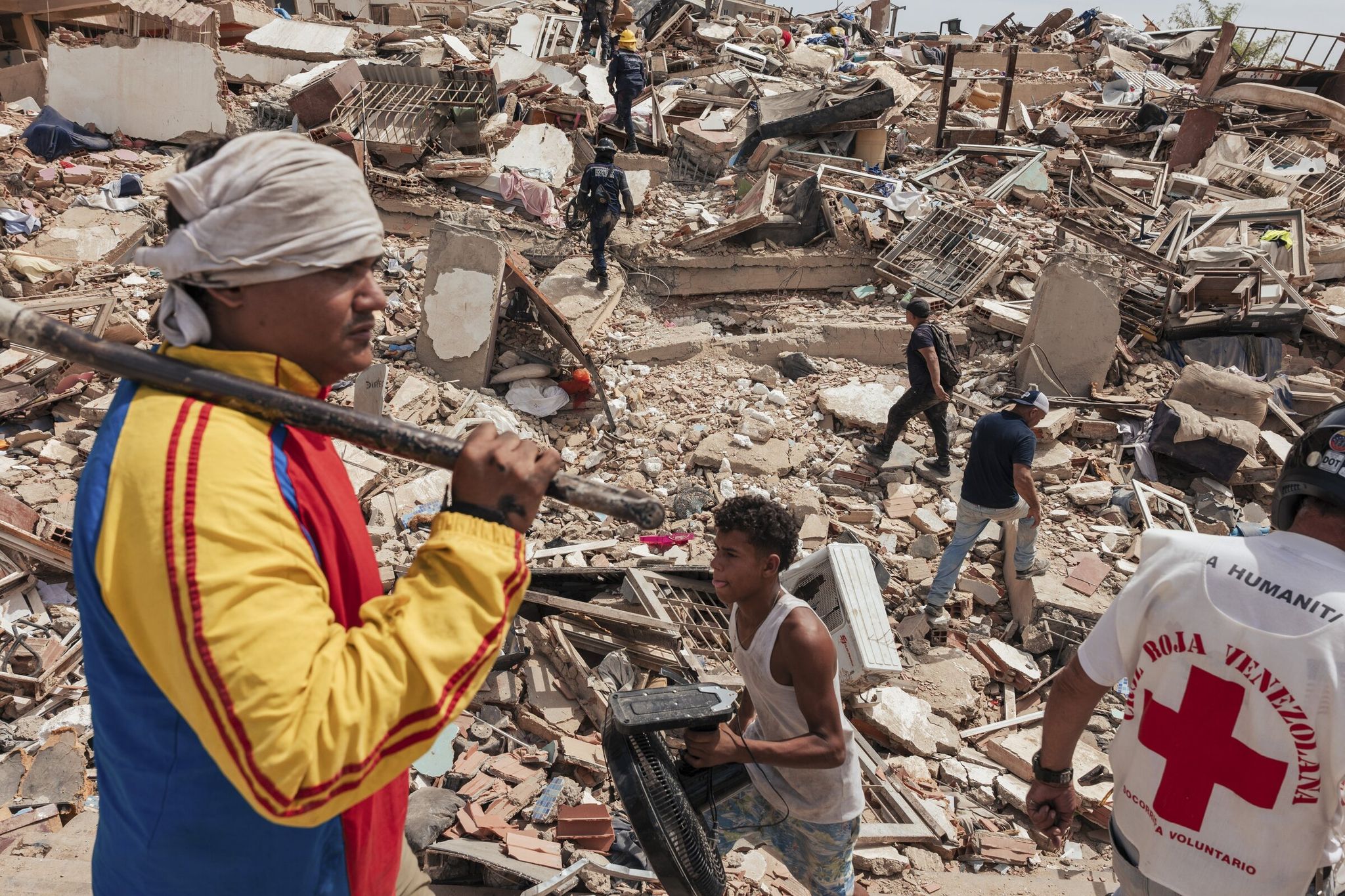
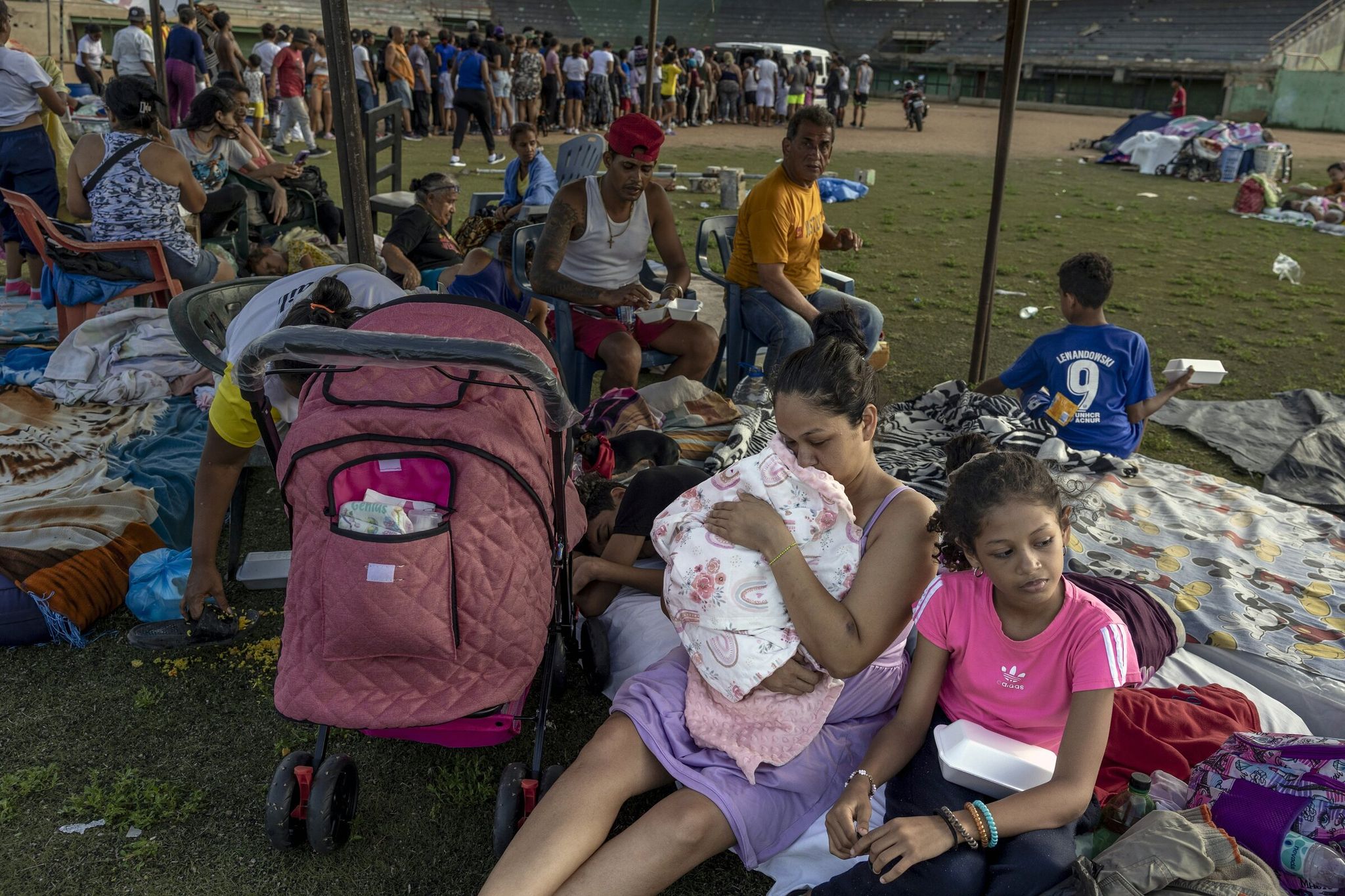
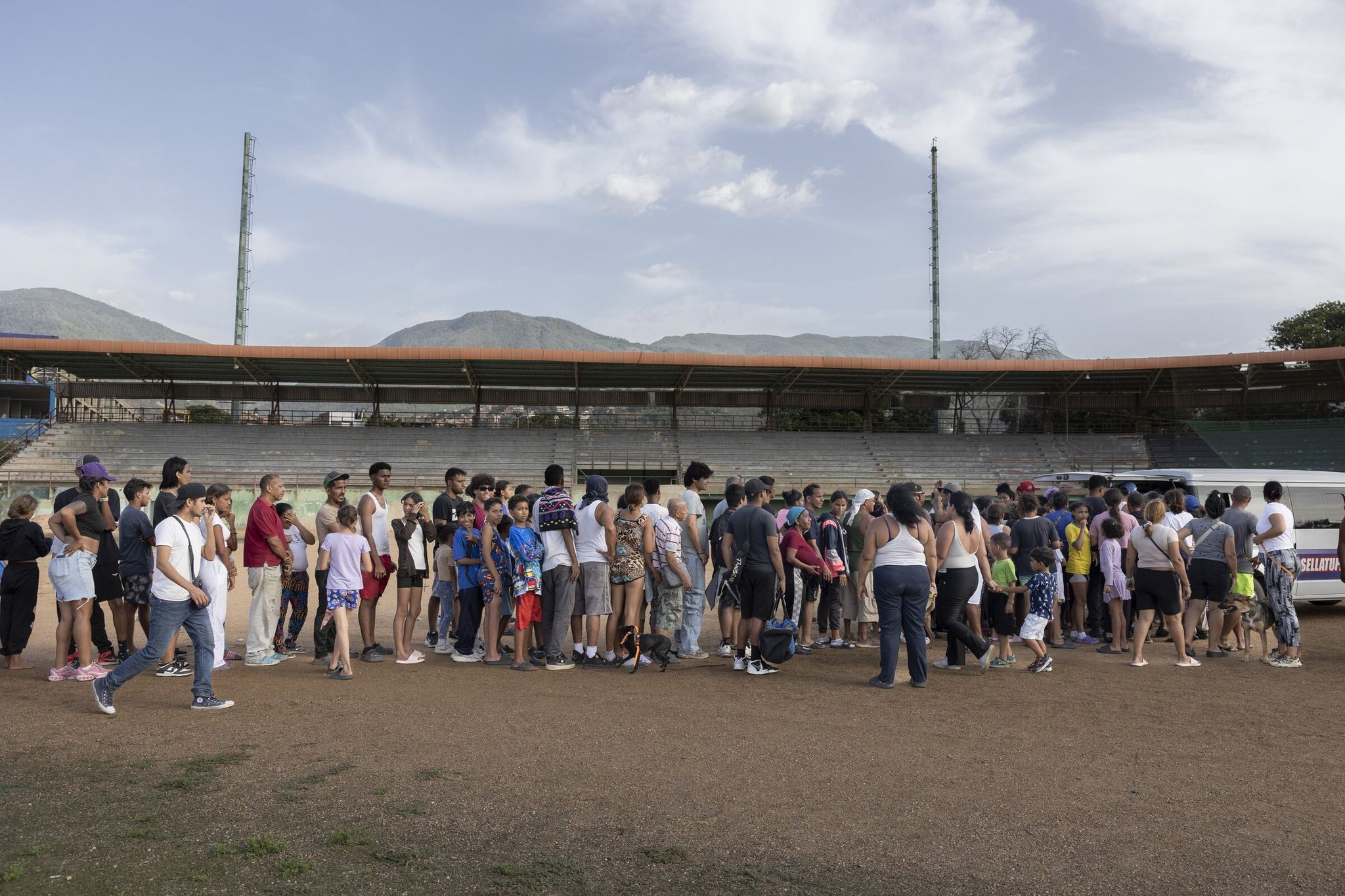
After two powerful earthquakes of magnitude 7.2 and 7.5 struck near Morón, Venezuela (about 170 km west of Caracas), the death toll has surpassed 900, and thousands are missing. The Venezuelan community living in the U.S. state of Washington immediately began raising funds and collecting essentials for those affected. Many of those organizing the aid have relatives in the disaster zone themselves and are living with constant anxiety about their fate.
An initiative group, which included entrepreneurs and activists, set up donation drop-off points at more than a dozen restaurants in King County—one of the state’s 39 counties, which includes Seattle and its suburbs. That’s where a large part of the Venezuelan diaspora is based, so the restaurants became logistical hubs without involving the entire state. Items needed include medicines, shelf-stable food, dried fruit, pet food, hygiene supplies, diapers, and tents. Ulyses Andrade, owner of the restaurant Arepa Venezuelan Kitchen, plans to send the first shipment at the beginning of next week via Global Empowerment Mission, an organization that delivers emergency aid to Venezuela. Andrade is also looking for temporary storage space in the Everett area—an area about 40 km north of Seattle—where, as in Kirkland (on the east side of Lake Washington, across from Seattle), other groups of Venezuelans live, and where similar efforts are likely underway.
Restaurants such as Arepa Venezuelan Kitchen serve the community as informal cultural centers: locals gather there, maintain connections, and share news. By turning into collection points for humanitarian aid, they became key nodes for coordinating support—both for Venezuela and for local people in need, further strengthening the diaspora’s sense of unity.
Elimar Ugeto, born in Caracas and now living in Kirkland, says with tears that the videos she has seen of the damage are worse than one another. “Even in a nightmare, you can’t imagine something like this,” she says. “People are just in despair—they’re asking for help.” In her own case, on Wednesday she received a message from a cousin in a family WhatsApp group, and then the connection was cut off. She began urgently calling relatives and friends, including an aunt in Caracas and a cousin in La Guaira—a region that was hit the hardest. Fortunately, her loved ones are alive, but their homes have cracks.
Ulyses Andrade, who is from Mérida, notes that the country has faced a series of difficulties for 27 years, and Venezuelans have grown used to being resilient. “It’s hard for us, but we keep fighting,” he says. “Right now, the most important thing is to help in whatever way we can.” Andrade points out that he was in Venezuela in January when Donald Trump announced non-recognition of Nicolás Maduro, and he emphasizes that people are tired of upheaval but do not give up.
Marines Scaramazza, owner of the Latino Herald Latin American online publication and one of the organizers of the aid drive, adds: “One misfortune after another is unbearable. We don’t know what else is in store for us.” Particular concern is being raised about the fate of children whose parents are listed as missing. Elimar Ugeto recalls that the La Guaira area already experienced devastating landslides in 1999 that took thousands of lives. “There are people who went through both of these disasters,” she says.
By the evening on Friday, Ugeto says, international aid started to arrive, which brings hope. But the time spent under rubble is crucial for those who survive. “People wait for minutes, but for those under debris, every minute is gold,” she concludes. The community in Washington continues collecting—because, as organizers note, “the same people who are trying to get their families out of Venezuela are the ones helping.”
Based on: WA collects supplies for Venezuela’s earthquake survivors