
A new report on the state of downtown Seattle paints a mixed picture of post-pandemic recovery. On one hand, the number of unique visitors to the urban core in 2025 exceeded 15.3 million for the second year in a row, or 102% of the 2019 level. People are returning for tourism, sporting events, concerts and shopping. On the other hand, the number of office workers and retail employees remains well below pre-pandemic levels, creating serious challenges for business activity.
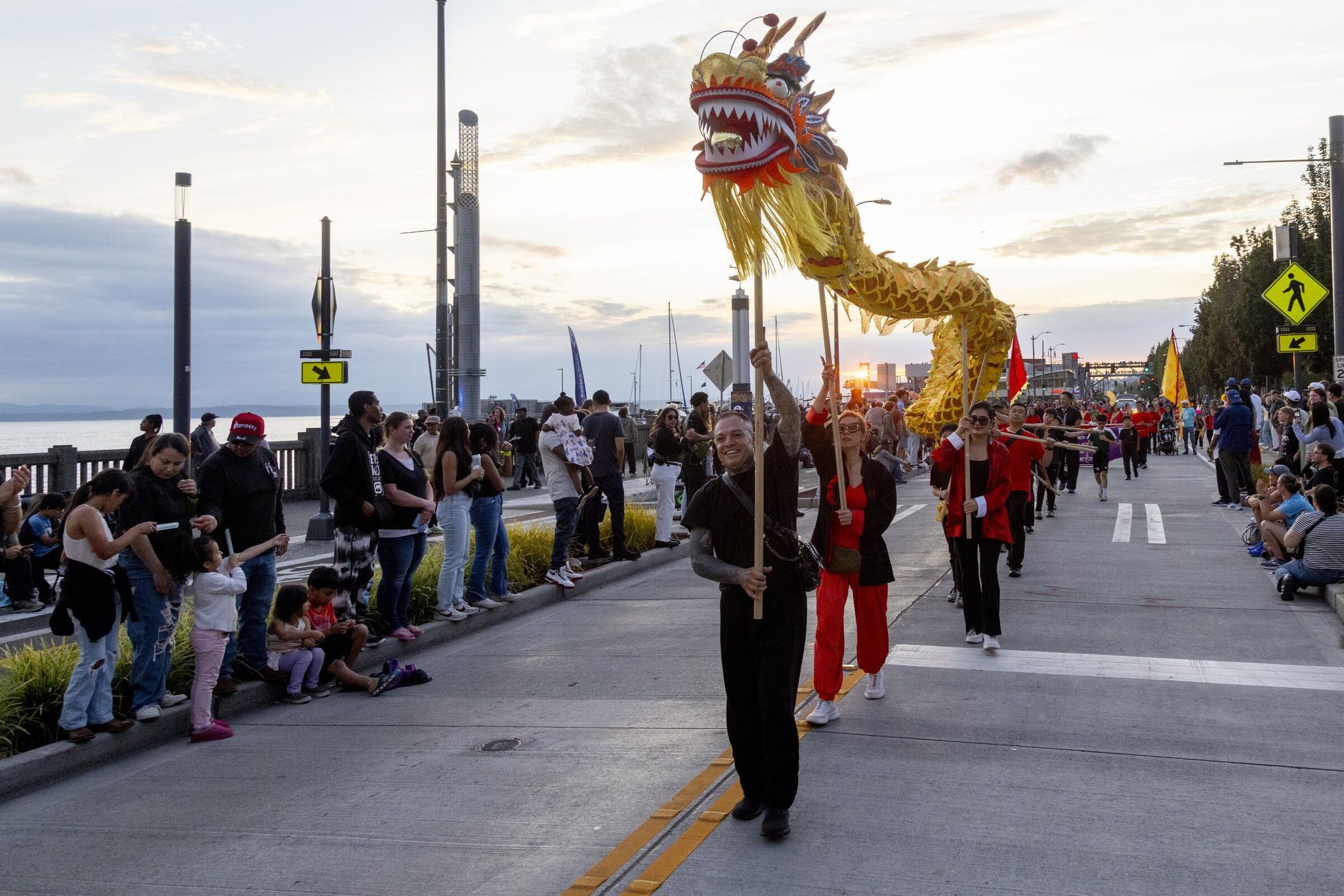
A bright spot was a record increase in the resident population: 109,800 people now live in the expanded downtown Seattle area. The revamped waterfront is also drawing crowds successfully, reaching 97% of its 2019 attendance. Large-scale events, such as the Seafair Torchlight Parade in July, which drew about 100,000 people, demonstrate growing interest in public spaces.
But there are worrying trends. Local residents living within a 10-mile radius of downtown visit less often than before the pandemic — their walking activity is only 92% of 2019 levels. The influential business group Downtown Seattle Association (DSA), which advocates for companies and property owners downtown and plays an active role in city planning, sees increased visit frequency as having big potential to revive restaurants, shops and cultural life.
The steepest decline is in employment. The average weekday office population is about 145,000 people, just 64% of the 2019 level. Total jobs in downtown remain stagnant at about 318,000. The situation in retail is even worse: in 2025 roughly 7,600 people were employed in retail, 14% fewer than in 2010.
Downtown Seattle Association President John Shoulzes attributes the loss of jobs to increased tax burdens on employers. He points in particular to the local JumpStart tax, levied on payrolls of large employers since 2021, with proceeds directed to fund affordable housing. Shoulzes says this has made Seattle a more expensive and less predictable option compared with neighboring Bellevue, which does not have such a tax and, he contends, has been attracting economic activity — especially in the high-wage tech sector.
The picture on public safety is also mixed. According to police data, the number of violent incidents in the downtown core continues to fall sharply and remains below pre-pandemic levels. However, in some neighborhoods, such as Belltown and Chinatown, violent crime rose in 2025, and those two neighborhoods accounted for 35% of all such crimes in downtown. Belltown, a lively area with high-rise housing and nightlife, and Chinatown (International District) — a historic cultural hub with dense development — show different dynamics, where crime is often tied to street-level activity and social factors, rather than the business core.
Despite the problems, there are growth opportunities. Shoulzes notes downtown Seattle has strong retail "anchors," such as the department store Nordstrom and the famed Pike Place Market. Many existing retailers, especially in food and dining, are performing very well. These institutions could form the foundation for future revival.
High hopes are pinned on the near future. In summer 2026, Lumen Field will host six matches of the men's FIFA World Cup, which is forecast to bring nearly $1 billion to the region. The large Elliott Bay Connections waterfront improvement project is also nearing completion. An important step for the regional transit network was the Link light rail extension to Bellevue, which has strengthened downtown’s role as a transportation hub but also increased competition between cities by making Bellevue more accessible to workers and businesses.
Thus, downtown Seattle’s recovery is uneven. The city has successfully reclaimed its status as a draw for tourists and a venue for major events, and it has become home to a record number of residents. But the key challenge remains restoring business activity, jobs and regular visits by local residents — without which a full revival of retail and urban life is impossible.
Based on: Downtown Seattle visitors rebound to 2019 levels, but workers lag behind