
Dolores Sibonga, one of Seattle’s most prominent Filipino American civic leaders, has published her memoir, The Best Adobo in Town. The book’s title refers to Estigoy Cafe, a family restaurant in the historic Chinatown–International District, where pork cooked with soy sauce, vinegar and paprika was served in the 1930s.
The neighborhood developed in stages beginning in the late 19th century. Chinese immigrants settled there first, followed later by Japanese and Filipino communities. Filipino American families opened cafés, boardinghouses and stores, and formed labor unions and civic organizations. Establishments such as Estigoy Cafe were not only businesses but also gathering places for mutual aid, news-sharing and the preservation of cultural identity.
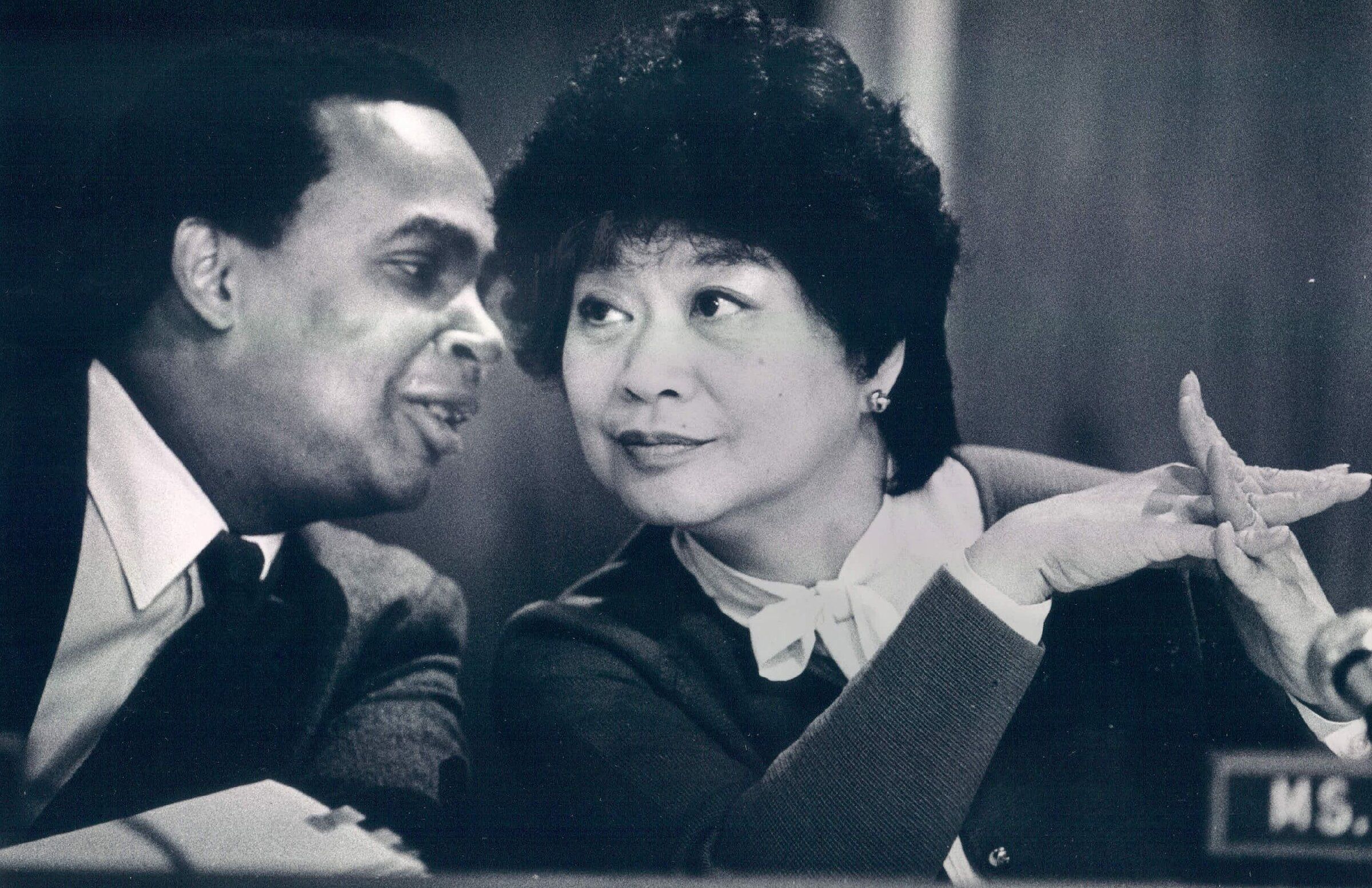
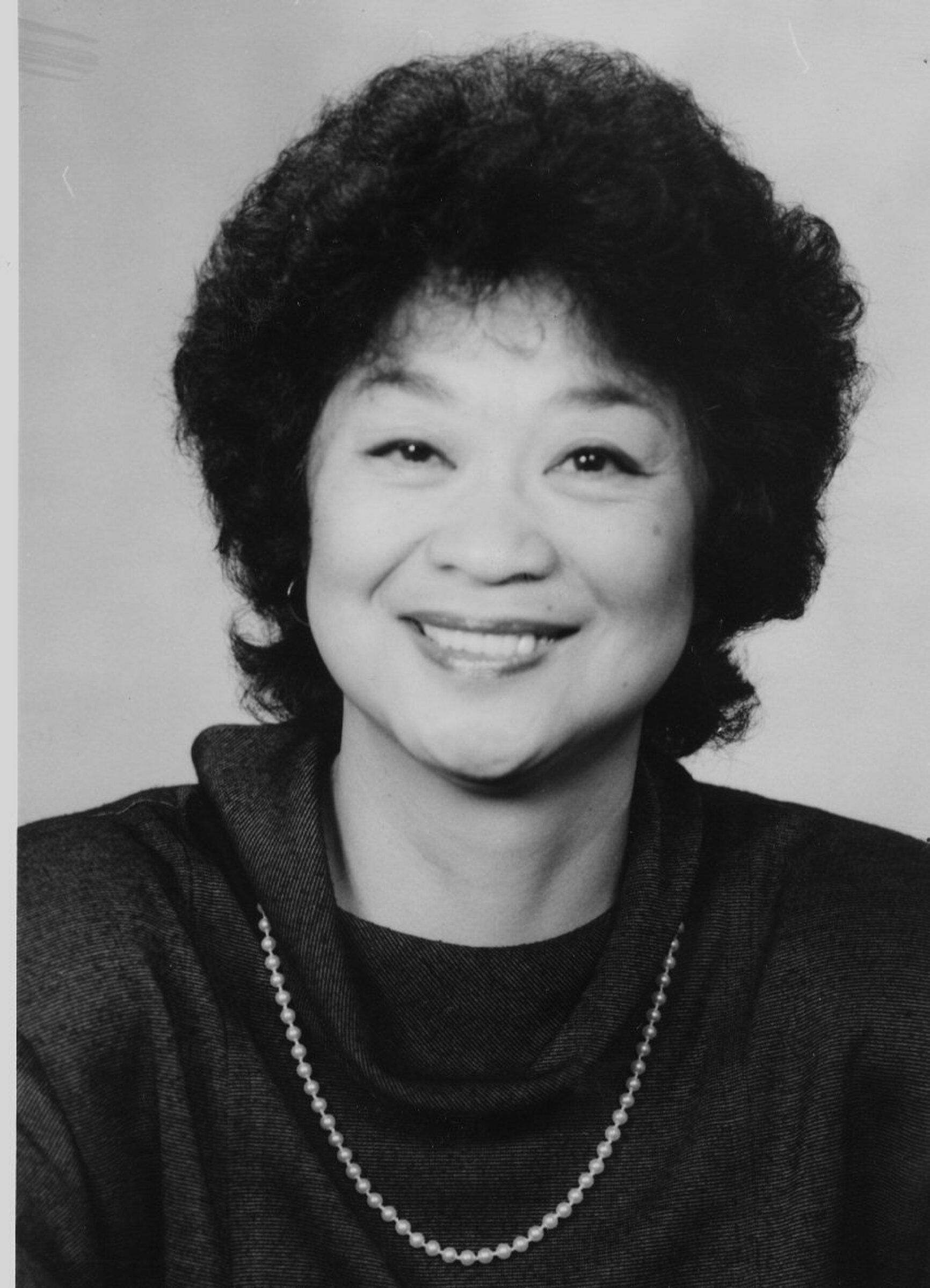
Sibonga was born in 1931 and grew up in Seattle. She became the city’s first woman of color on the Seattle City Council, the first Filipino to pass the Washington state bar examination, and the first Filipino American graduate of the University of Washington’s journalism program.
The book was published shortly after Sibonga’s 95th birthday. The 70-page volume includes family and historical photographs, memories of her childhood in the Chinatown–International District, accounts of the civil rights movement in the 1960s and ’70s, and reflections on her many years in politics and public service.
Sibonga said community members had long asked her to tell her story. But she considers her main motivation to be showing younger generations how actively Filipino Americans participated in the struggle for civil rights.
Sibonga’s childhood unfolded in a small neighborhood between Sixth and 12th avenues. She remembers Filipinotown, her family’s café and the “manongs” — Tagalog for “older brothers” — a term used for the generation of early Filipino labor migrants, particularly those who arrived in the 1920s and ’30s. Many returned to Seattle after seasonal work at Alaska fish-canning plants. Because the city was the Pacific Northwest’s main transportation and economic hub, workers could find housing, jobs, medical care and community support there. The manongs laid the foundation for local organizations, labor activism and Filipino civic life throughout the region.
At the University of Washington in the late 1940s, Sibonga was one of only three students of color in her journalism class. The university, the region’s largest educational and research institution, provided access to professional networks and civic engagement, but racial prejudice still limited opportunities for minorities. Her professors doubted that Sibonga would be able to find work after graduation.
She later worked for local television stations, including KHQ in Spokane and KIRO and KOMO in Seattle. These influential stations shaped public perceptions of regional residents and offered opportunities in journalism, technical work and management, although minorities also faced inequality there. Along with her husband, Martin Sibonga, she owned and operated the Filipino Forum while raising three children.
Publications serving Asian American communities played an important role in the region’s political organizing. The Filipino Forum and, later, the International Examiner covered discrimination, labor disputes, elections and legislation; provided a platform for Chinese, Japanese, Filipino and other residents; and helped coordinate civil rights campaigns.
In the 1960s, Sibonga’s interest in civic activism intensified after she was arrested while covering a demonstration by Black contractors demanding equal access to construction contracts. Sibonga and her son were later acquitted.
After attending the University of Washington School of Law, Sibonga became a public defender, served on the King County Council and worked as deputy director of the Washington State Human Rights Commission. Her responsibilities differed in each role: the Seattle City Council passes local laws, approves the budget and oversees city services; the King County Council handles regional issues, including transportation, public health and justice; and the state commission investigates discrimination complaints and conducts civil rights work.
In 1978, Sibonga was elected to the Seattle City Council, where she served for 12 years and focused on diversity and economic development. In 1991, she ran for mayor but lost — an outcome she writes that she does not regret.
Sibonga helped young professionals, including Art Cenziza, who began as her intern and later became her chief of staff. He remembers her as a strong and intelligent legislator who knew how to ask precise questions and support residents, including new immigrants facing difficulties with immigration authorities.
Work on the memoir began after journalist and civic leader Ron Chew suggested in 2020 that Sibonga record her memories. In 2023, Chew and videographer John Pai interviewed her and her children, providing the basis for the book. The publication was funded by Sibonga’s family and community members and printed by the International Examiner.
Sibonga’s story has received broad support. Her achievements were recently recognized in special statements by the Seattle City Council and the King County Council. Chew considers the publication particularly important amid gentrification and demographic and political changes that could cause society to forget its own recent past.
Rising land prices, new construction and pressure from investors have led to the closure of some family businesses and displaced lower-income residents. Filipinotown has become less visible as a distinct cultural space, while cafés and other sites of memory have become vulnerable to rising rents and changes in ownership. At the same time, activists are working to protect historic buildings, support small businesses and secure recognition for the neighborhood’s Filipino heritage.
At the end of the book, Sibonga urges future leaders to claim a seat at the decision-making table: if no one who shares your values is there, your ideas may go unnoticed.
Based on: Dolores Sibonga, longtime Filipina trailblazer, shares her story in new memoir