
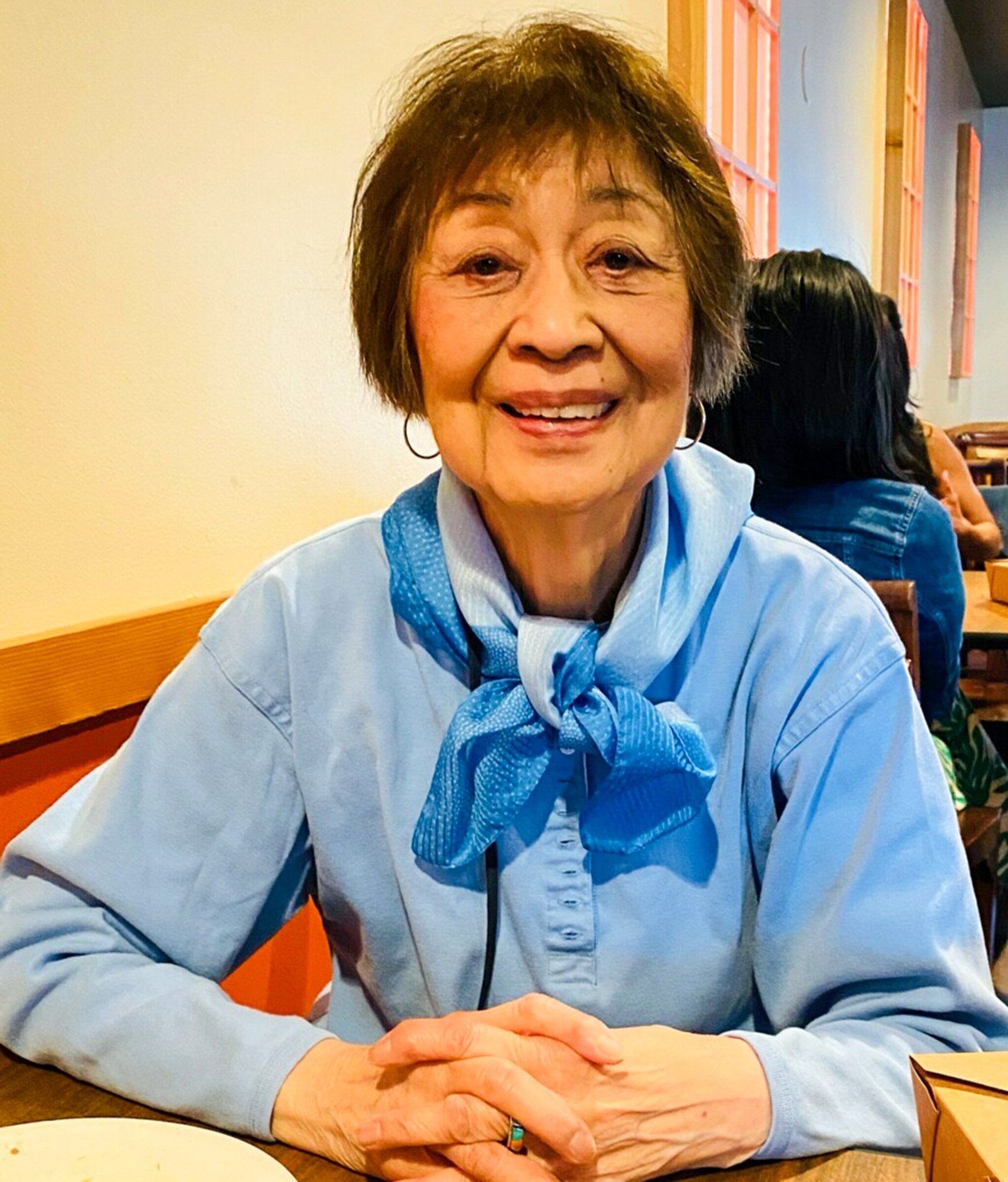
Dolores Sibonga, a prominent community leader and the first woman of color to serve on the Seattle City Council, died Sept. 16 at the age of 95. For decades, she advocated for ethnic minorities, workers and low-income residents, leaving a lasting mark on the city’s public life.
Sibonga was born on Vashon Island and moved to Seattle with her family in the late 1930s. Her parents opened Estigoy, a café in the Filipino neighborhood of the Chinatown–International District. After studying journalism at the University of Washington, she worked in television and covered the civil rights movement. In the 1960s, Sibonga and her husband acquired the Filipino Forum newspaper; she was once arrested with her son while covering a protest by Black contractors seeking equal access to construction contracts.
In 1970, Sibonga enrolled in law school, and in 1973 became the first Filipino American woman to pass the Washington state bar exam. She worked as a public defender, a staff member of the King County Council and deputy director of the state Human Rights Commission. In 1978, Sibonga joined the Seattle City Council, where for 12 years she pushed to expand diversity and economic-development programs; in 1991, she unsuccessfully ran for mayor.
Even after leaving the council, Sibonga continued to advocate for the Filipino community’s historical heritage. In 2017, she succeeded in having the “historic Filipino neighborhood” included in a city resolution on preserving the culture of the International District. Today, the neighborhood remains an important center of culture, business and community life for Filipino Americans, with restaurants, shops and community organizations, as well as cultural events. At the same time, its heritage faces threats from rising property costs, redevelopment, the displacement of small businesses and the loss of historic buildings and places tied to the community’s memory.
Shortly before her death, Sibonga published the memoir The Best Adobo in Town, about her life and the struggles of Filipino and other immigrant communities. In August, the Seattle mayor and the King County Council proclaimed her 95th birthday Dolores Sibonga Day.
Sibonga’s daughters described her as a fearless, attentive and approachable politician who truly knew how to listen to people. Seattle leaders praised her integrity, mentorship and contribution to a more inclusive city; many community members emphasized that her example helped others take their rightful place in public life.
Sibonga died peacefully in her sleep at a hospice in Renton. She is survived by three children and three grandchildren. Memorial donations may be made to the ACRS food bank and the International Examiner newspaper. ACRS, or Asian Counseling and Referral Service, is a Seattle nonprofit that supports Asian and Pacific Islander communities, including older adults, immigrants and low-income residents. The organization was chosen as a donation recipient because of its work with vulnerable residents and its support for cultural connections, which reflected Sibonga’s community priorities.
Based on: Dolores Sibonga, pioneering Seattle Filipina leader, dies at 95