
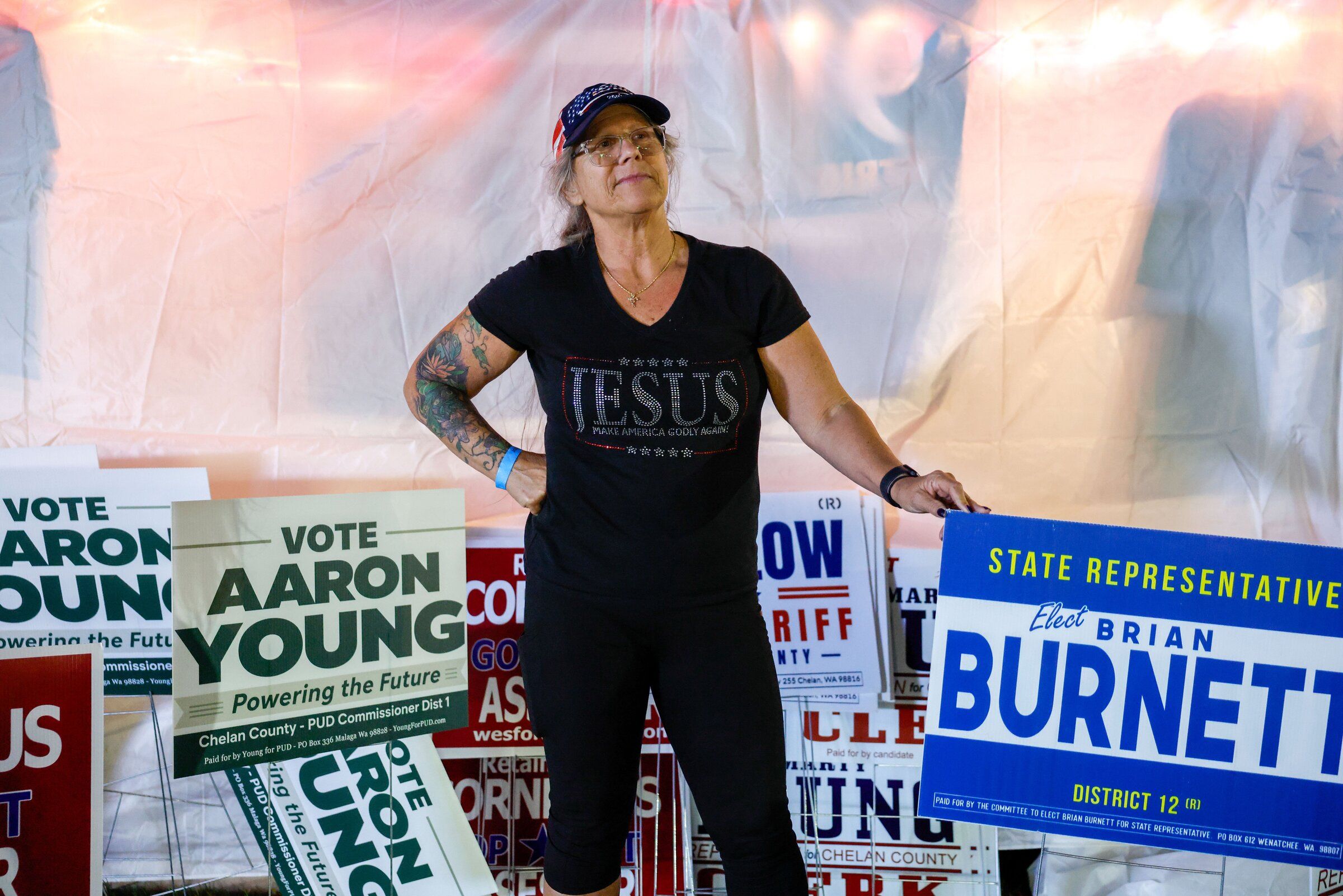
In Washington state’s 12th Legislative District, Democrat Stacey Willoughby is waging an unusually strong campaign against Republican Brian Burnett. The district combines conservative Chelan County with more liberal suburbs in King and Snohomish counties. In the August primary, Willoughby nearly tied the incumbent, winning 49% of the vote to his 50%. Her victory would strengthen Democrats’ position in the state Legislature and could serve as a model for campaigns in other rural areas.
The race intensified after the district was redrawn and following litigation. Now, roughly half of the voters live in Seattle’s suburbs, while the rest live in Chelan County and other communities east of the Cascade Mountains. The new configuration brought farming towns together with North Bend, Monroe and other rapidly growing suburbs. This made the electorate less homogeneous: Rural areas still shape the political agenda, but residents in the western part of the district place greater emphasis on transportation, population growth, housing and public services. As a result, the district has become more competitive, although the outcome will depend largely on turnout.
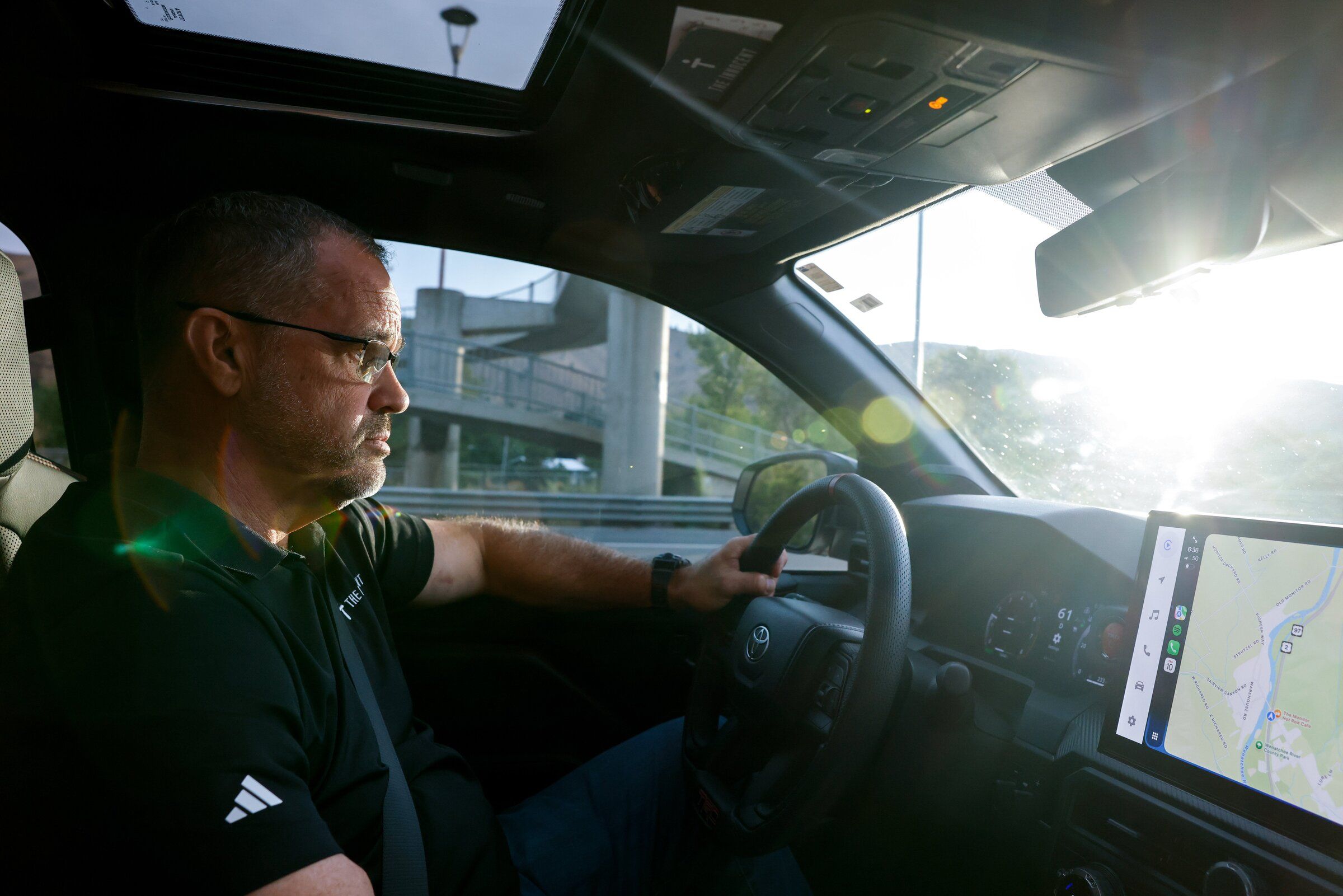
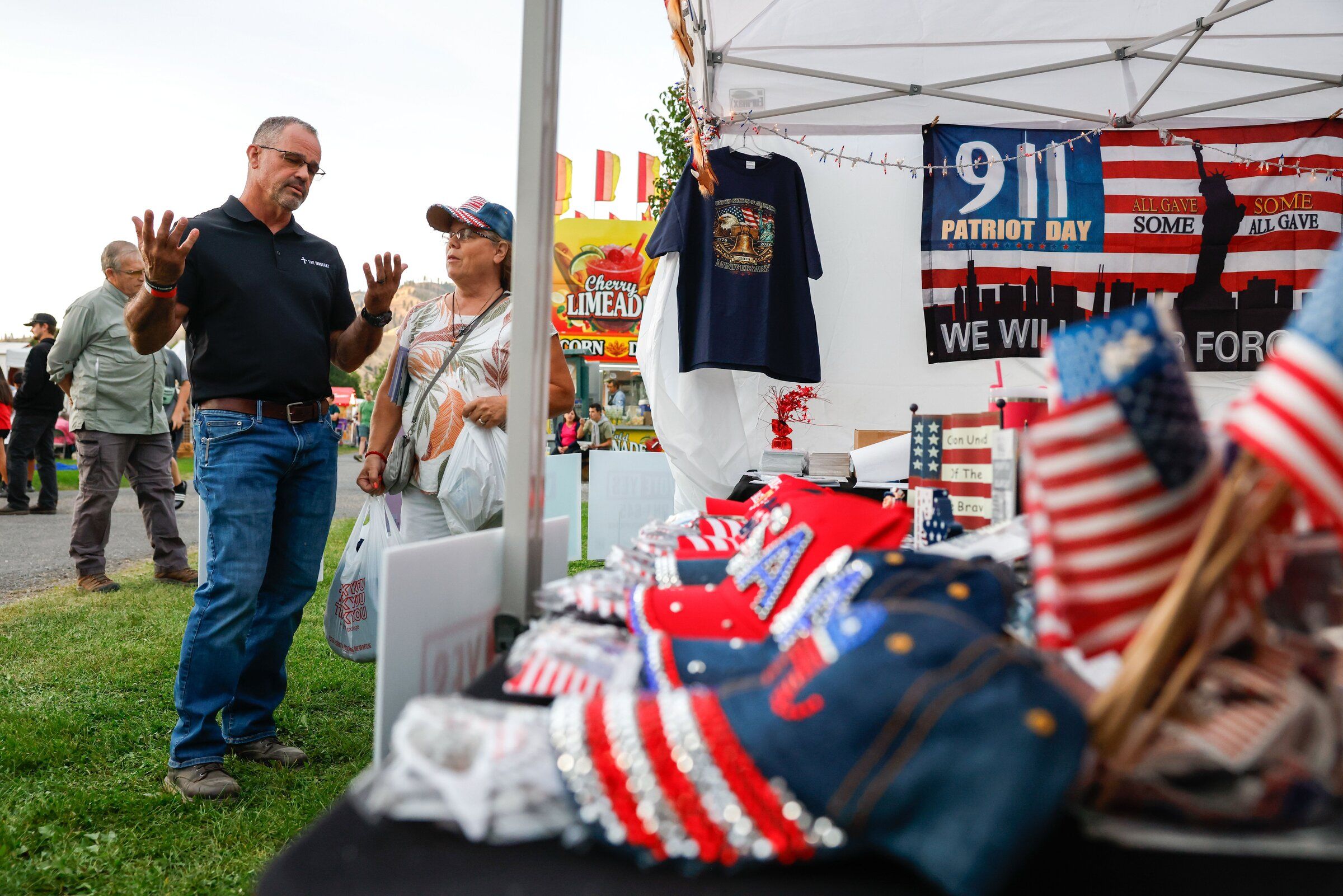
Burnett, a former Chelan County sheriff, remains better known in the east. But his legacy is accompanied by disputes over COVID restrictions, allegations of harassment by former subordinates and lawsuits that have cost the county $1.75 million since 2024.
Burnett portrays himself as a pragmatic Republican willing to work with Democrats on prison and foster-care issues. At the same time, he voted with his fellow Republicans against a tax on wealthy households and a ban on police officers wearing masks.
Additional tension stems from his former ties to Grace City Church, an influential conservative Christian organization that opposes LGBTQ+ initiatives and promotes a religious-political agenda. The church plays a notable role in mobilizing conservative Christians in Chelan County and other parts of central Washington: Through sermons, public events, personal connections and support for politically aligned candidates, it shapes the agenda, recruits volunteers and encourages turnout. Networks associated with the church also actively discuss education, abortion, religious freedom and the role of government. They do not determine election outcomes on their own, however: Party affiliation, economic interests, demographics and the activity of other civic organizations also play a role.
Burnett says he left the church because he does not want a religious organization to effectively direct political activity.
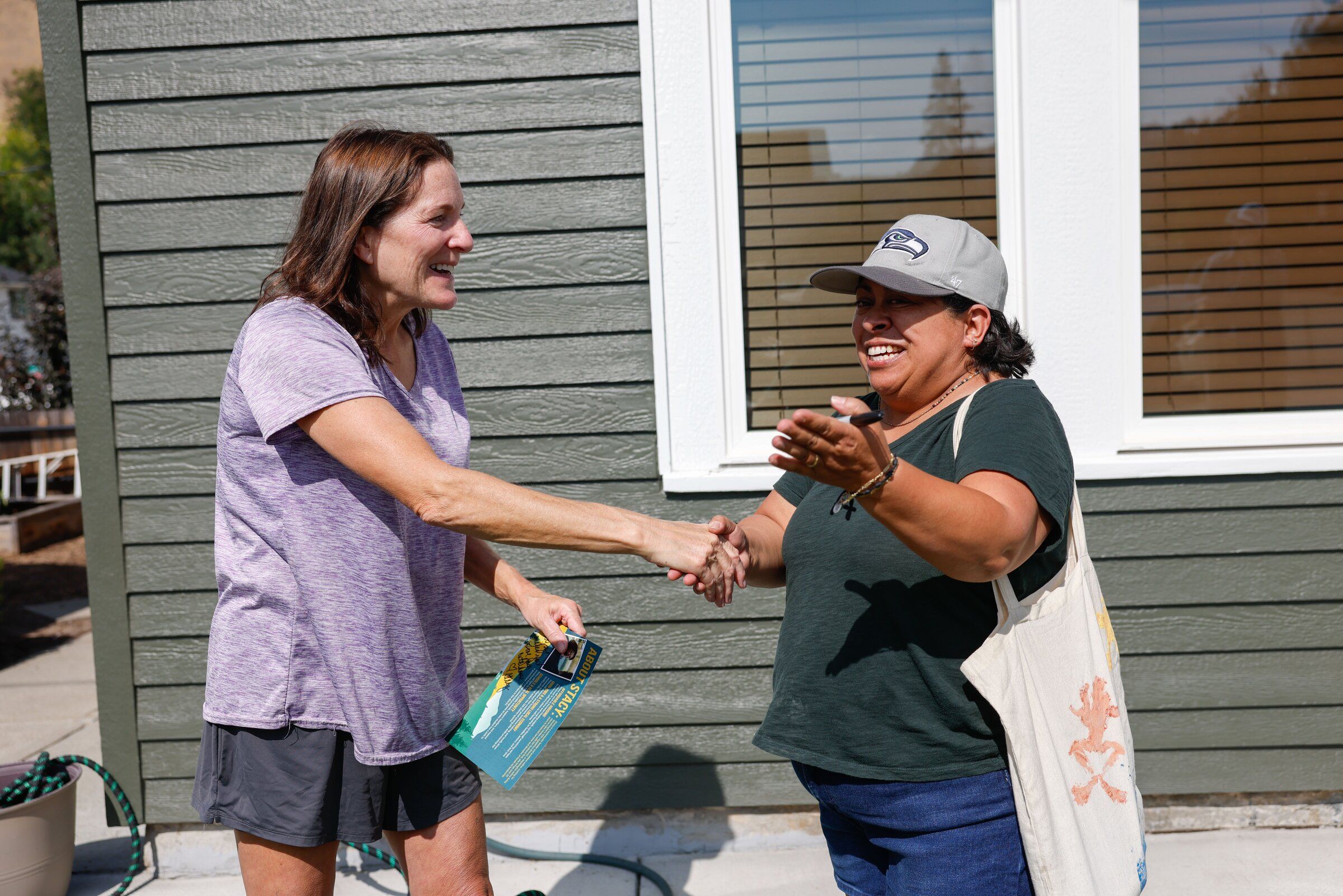
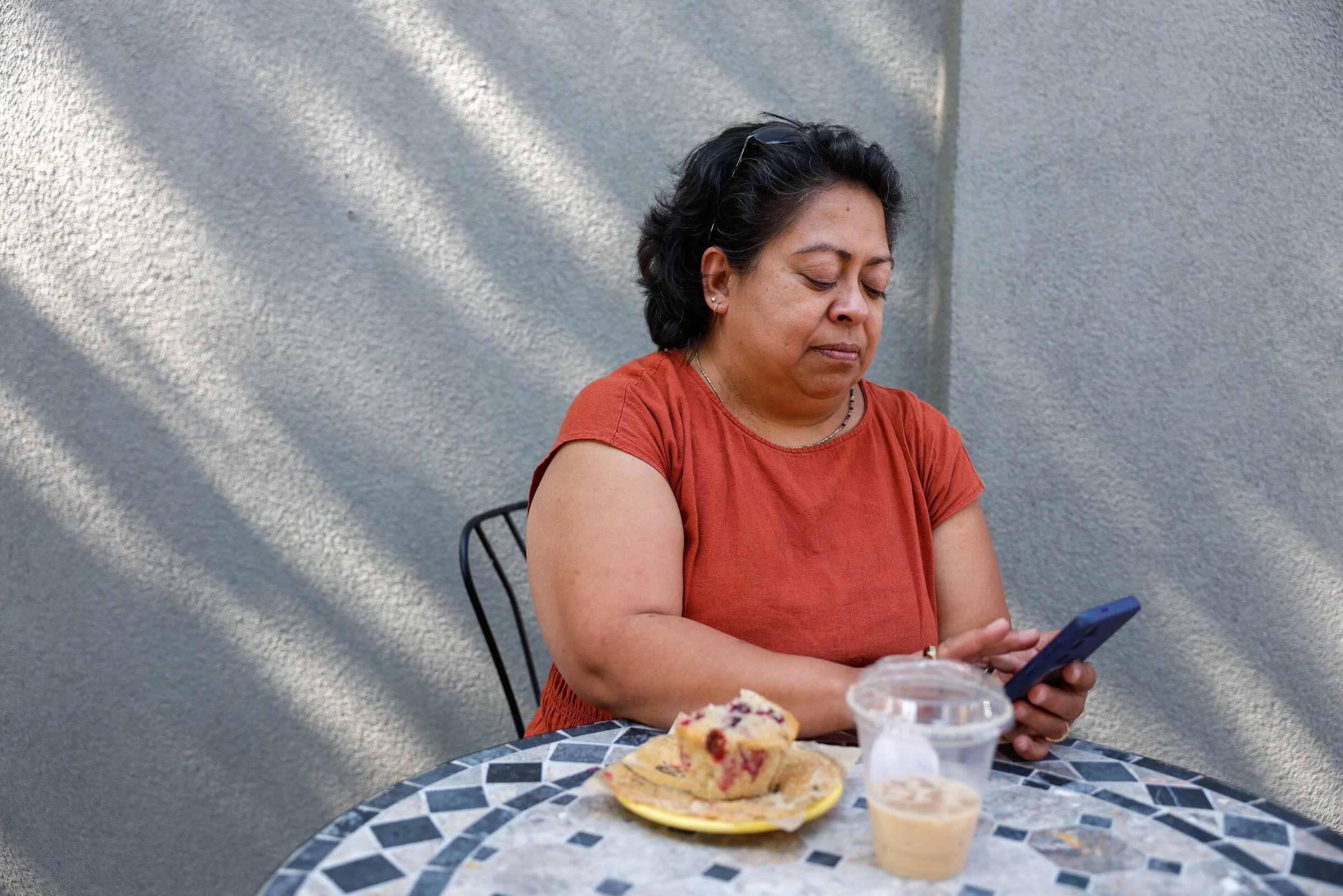
Willoughby, who manages a community bank branch and is running for office for the first time, is counting on support from moderates, progressive voters and newcomers to the region. She has lived in Chelan County since 2017, is involved with the local chamber of commerce and leads a nonprofit organization.
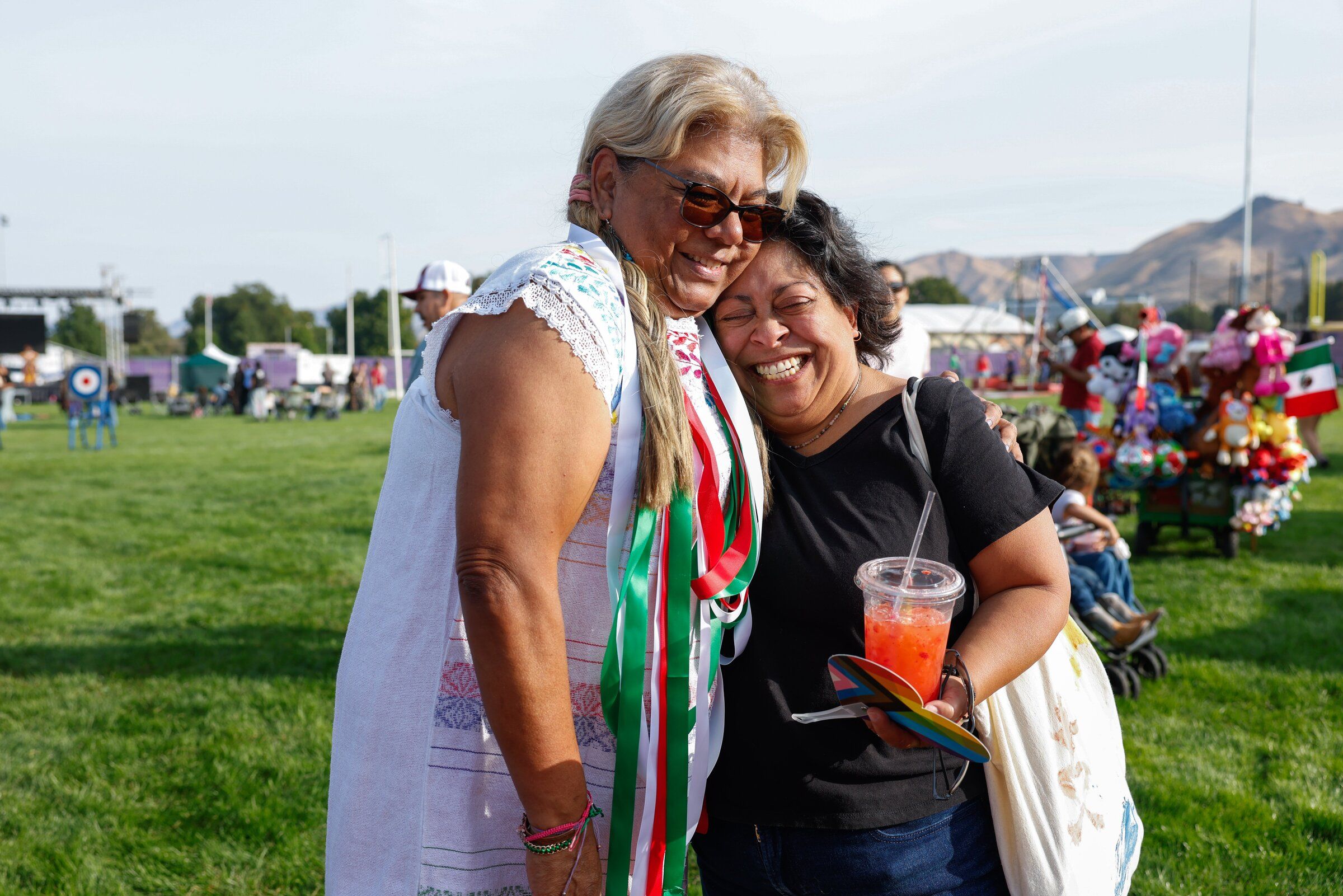
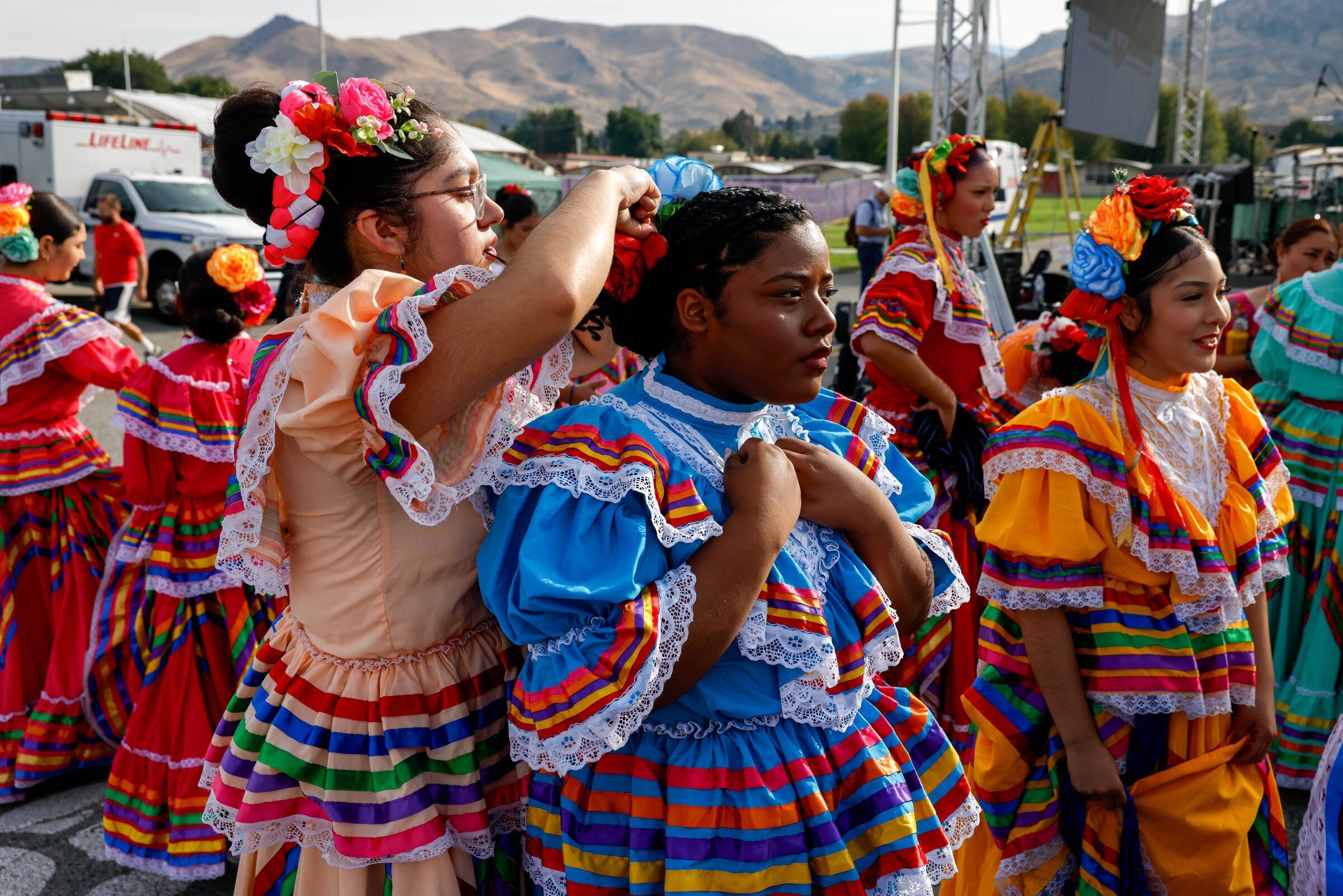
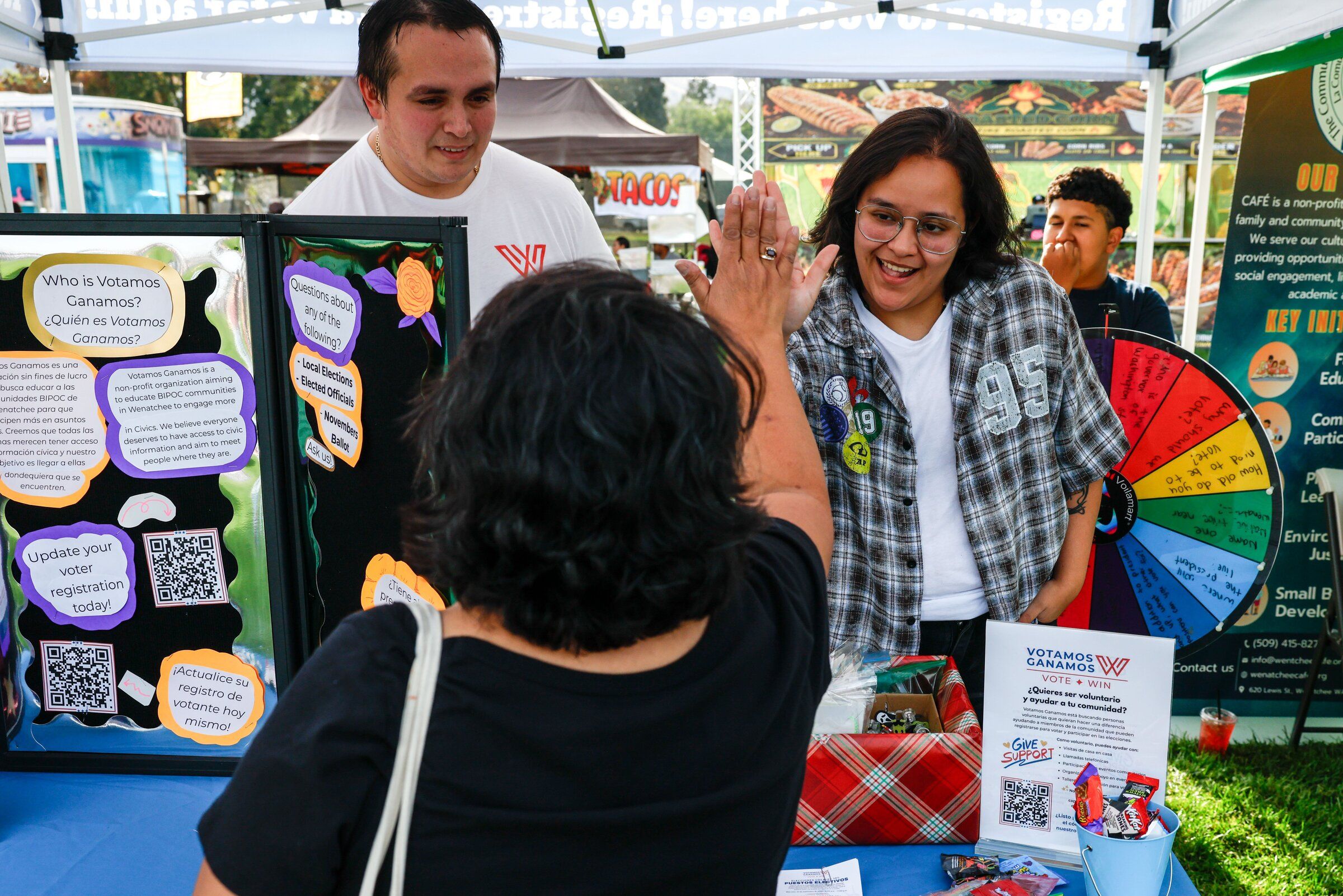
The campaign is focusing on issues that unite residents across the partisan divide: the high cost of housing and groceries, access to health care, wildfires and extreme heat. The outcome could hinge on turnout among Latino voters, young people, union workers, retirees and migrants from western Washington, as well as on whether Burnett’s reputation and conservative views outweigh dissatisfaction with the economy and Grace City Church’s influence.

Based on: Blue surge could breach Cascades in this Washington race