Shield AI will establish production of X-BAT autonomous fighter jets near Seattle, creating 4,000 jobs, while the city prepares for a $22.14 minimum wage that is already prompting restaurant closures and business departures.
Shield AI to Build X-BAT Autonomous Fighter Jet Near Seattle: 4,000 Jobs and Air Superiority Without Runways
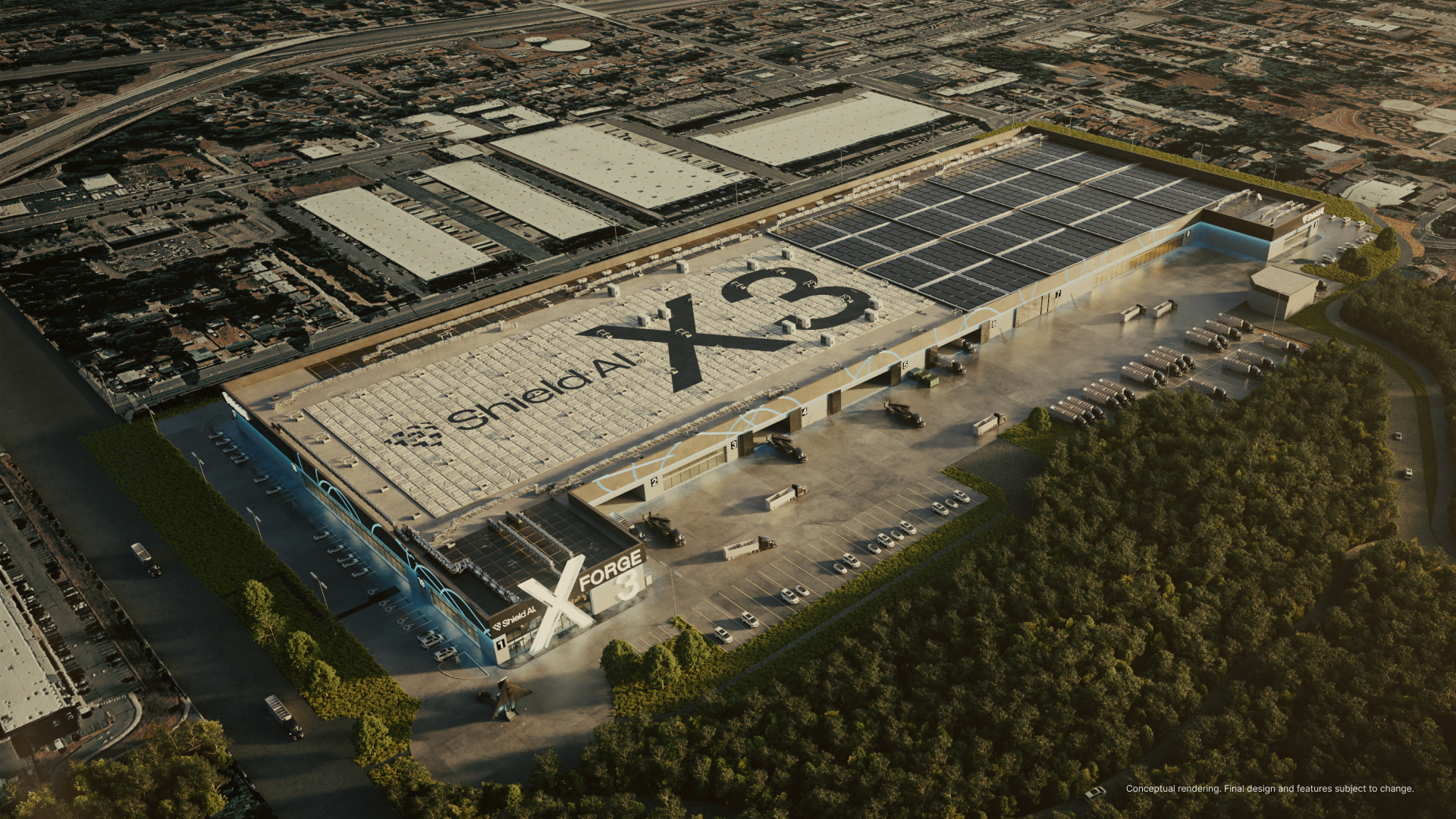
U.S. defense company Shield AI has selected the Seattle area for a major manufacturing hub that will produce the X-BAT autonomous fighter jet. The project promises not only thousands of jobs but also a shift in how Western militaries envision air superiority: without long runways, without a pilot in the cockpit, and with artificial intelligence making decisions in real time. The San Diego-based company, valued at $12.7 billion after a $2 billion venture-funding round, is building a 420,000-square-foot facility in Des Moines, Washington, south of Seattle. The opening is scheduled for next spring, and that is only the beginning: Shield AI is already looking for an additional one million square feet in the region. Details of the project were reported by GeekWire.
The location was not chosen by chance. The Seattle area is a historic center of the aerospace industry, home to Boeing, as well as Amazon, Microsoft and a growing satellite cluster. According to Armor Harris, Shield AI’s senior vice president of aviation, the company considered more than a dozen sites, but the availability of local talent proved decisive. “We can build on an existing talent pipeline rather than train a workforce from scratch, which would have been difficult to do on our timeline,” he said. Harris plans to relocate to Washington from Dallas. The company has already posted more than 110 jobs in Seattle, ranging from autonomy developers and flight-control software engineers to composites specialists and assemblers. Salaries for engineering positions can reach $300,000 a year.
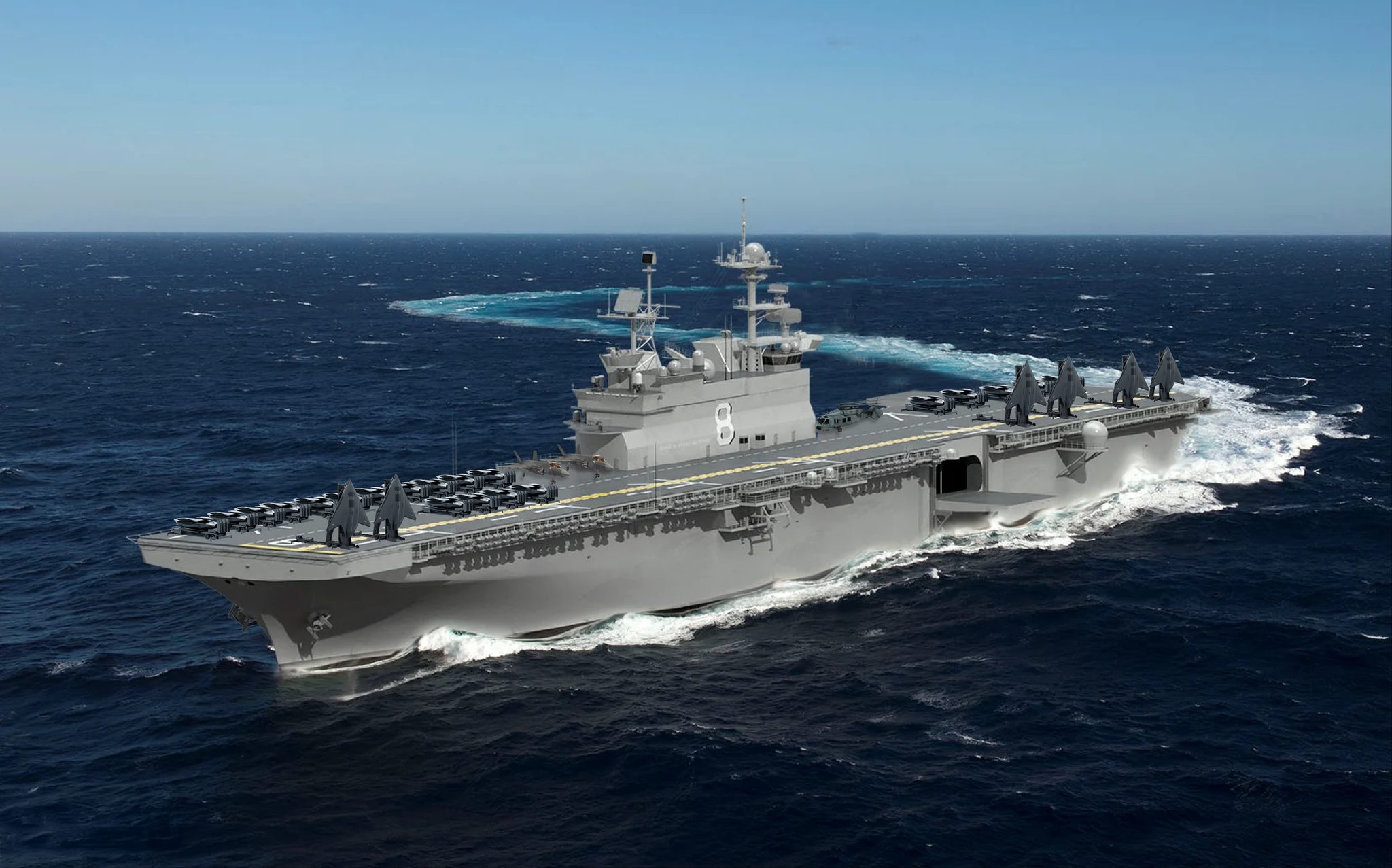
The X-BAT itself is a 26-foot strike fighter with artificial intelligence in place of a pilot. It takes off and lands vertically, carries up to 2,000 pounds of weaponry in internal bays and has a combat radius of 1,000 nautical miles. By comparison, the Lockheed Martin F-35A is estimated to have a range of about 590 nautical miles. Harris calls the X-BAT “a modern sixth-generation fighter” that is essentially a “flying sensor suite,” absorbing real-time information to make split-second decisions. Launch and recovery are handled by a mobile Launch and Recovery Vehicle: it positions the aircraft vertically, can be towed on highways or loaded onto a ship, and allows a field site to be set up within minutes.
This independence from runways has become the program’s central selling point. Shield AI co-founder and president Brandon Tseng, a former Navy SEAL, put it this way: “Runway-independent aviation is the holy grail of deterrence.” Last year, the U.S. Navy backed the project with an initial $50 million contract, envisioning autonomous fighters launching directly from destroyers, amphibious ships and converted cargo vessels. This would make it possible to project long-range airpower without relying on aircraft carriers. Earlier this month, Shield AI signed a five-year letter of intent with Polish defense companies PGZ and WZL-2 covering the joint construction, delivery and repair of X-BAT aircraft—a partnership that could give NATO allies a fighter capable of operating even when airfields have been destroyed.
Shield AI’s manufacturing strategy is built around a principle unusual in the industry: engineers and the assembly line work under one roof. Harris calls this “one of Shield’s secret sauces.” “We fundamentally believe that co-locating engineering and manufacturing is the fastest way to deliver new capabilities to our customers,” he said. The X-Forge 3 facility in Des Moines will become the main production and engineering center for the X-BAT. The first aircraft is expected to roll off the line in 2028, while full production is projected to reach approximately 150 aircraft per year by the early 2030s—speeds that Harris says could exceed anything seen in fighter-jet manufacturing for a very long time. The company’s economic analysis estimates that the program will contribute approximately $73 billion to Washington’s economy over two decades and create up to 27,000 direct and indirect jobs by 2046.
Additional facilities are spread across the country. X-Forge 1 in Frisco, Texas, handles prototyping, software integration and initial engineering. X-Forge 2 in Newton, Kansas, conducts flight testing, customer acceptance and maintenance; it is expected to support about 1,800 jobs by the early 2030s and 2,900 jobs by 2046, generating $5 billion in regional economic impact. The logistics of transporting completed aircraft from Seattle to Kansas do not concern the company: the X-BAT is designed to be road-transportable. “We take advantage of that,” Harris said.
Local officials and politicians have welcomed the project. Congressman Adam Smith, whose district includes Des Moines, said the hub would create high-quality jobs, strengthen the Puget Sound region’s technology and aerospace sectors, and diversify the economy. Governor Bob Ferguson called Shield AI’s decision another sign that the future of aerospace is being built in Washington. Catherine Caffrey, Des Moines’ city manager, noted that the city is at the heart of Puget Sound’s aerospace industry and that the investment reflects a desire to make Des Moines a place where families can build strong careers close to home.
For Harris, the project is also an answer to the narrative that jobs are leaving the region. “There was a strong sense that all the jobs were migrating elsewhere, and I think this is a major win for the region to land a major program from a fast-growing company like ours,” he said. “It can serve as a foundation for growth for years to come.”
Seattle Heads Toward the Highest Minimum Wage in the U.S.: An Economic Experiment with Troubling Consequences
Seattle, a longtime stronghold of liberal politics in the Pacific Northwest, is preparing to set a minimum-wage threshold unmatched elsewhere in the country. Beginning in 2027, the city’s minimum wage will reach $22.14 an hour—a figure that translates into an annual income of just over $46,000 for a full-time worker. Yet behind this seemingly progressive measure lies a far more complicated and controversial picture, prompting economists and business owners to raise the alarm.
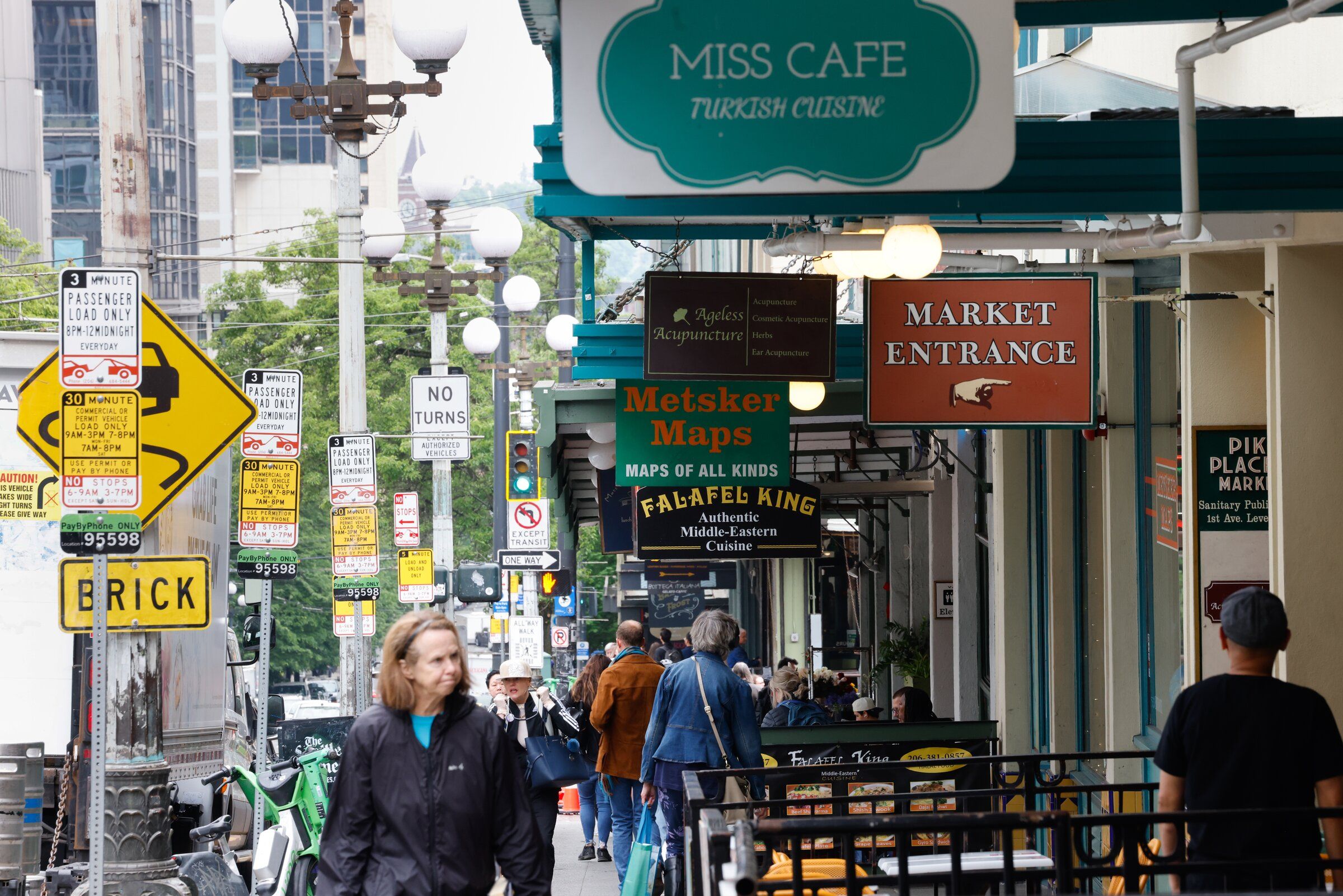
According to a report by Fox News, the key turning point came in 2025, when city officials required all employers, including small businesses, to pay the same minimum wage, adjusted annually for inflation. Previously, small businesses had benefited from certain exemptions, but that distinction has now disappeared. The result was immediate: 450 restaurants closed in Seattle during the first half of 2025 alone—about 16 percent of all establishments in the city. In some business and retail districts, particularly around the Amazon and Microsoft campuses, transaction volumes in the restaurant and retail sectors fell 7 percent from the previous year, according to data from payment platform Square cited by The Wall Street Journal.
Business owners describe the situation bluntly. One restaurateur told Eater in 2024 that the dilemma was straightforward: if servers earn $20 an hour, cooks must be paid $35. Anthony Anton, president and CEO of the Washington Hospitality Association, added that operators are earning less than ever while charging customers more than ever. The statement essentially describes a classic trap: rising labor costs are passed on to consumers, reducing demand and putting even more pressure on margins.
The academic dimension of the issue is particularly interesting. A peer-reviewed study by researchers at the University of Wisconsin–Madison found a notable effect: merely announcing a minimum-wage increase in Seattle slowed the creation of new businesses within the city, while encouraging businesses to open in neighboring suburbs with lower wage floors. In other words, jobs do not disappear without a trace—they migrate beyond the city limits, to places where regulatory pressure is weaker. This challenges the argument made by supporters of higher wages, who say that better pay helps retain workers and fight poverty.
A wage floor is the minimum level of compensation an employer is legally permitted to pay. When that level rises sharply in one municipality but remains lower in a neighboring one, a natural economic gradient emerges: capital and entrepreneurial activity flow toward the area with lower costs. That is precisely what researchers have documented.
The context is further complicated by the fact that Seattle’s deteriorating business environment began long before the latest round of wage increases. From the start of the COVID-19 pandemic in 2020 through 2023, approximately 500 local businesses closed in the city, according to the Downtown Seattle Association. A year later, the same organization counted 543 vacant retail spaces. Owners cited not only economic factors but also rising property crime. Axios analysts calculated that the number of job openings in the Seattle metropolitan area fell 35 percent between February 2020 and October 2025—the second-largest decline after San Francisco. Stories emerged of people with master’s degrees and former Microsoft employees applying for barista positions.
The condition of the office market also deserves attention. According to Cushman & Wakefield, 35.6 percent of office space in downtown Seattle was vacant in the fourth quarter of 2025, up from 32.3 percent a year earlier. Even iconic city companies such as Starbucks have begun moving some operations outside Seattle. This is a symptom of a broader process: the technology boom that fueled the city’s economy for decades is giving way to caution and cost optimization.
The key insight is that the minimum wage is not an isolated social-policy tool but a powerful regulatory lever that interacts with taxes, rent, crime rates and the overall business climate. When several negative factors overlap, their effects are multiplied. Seattle finds itself trying to address the high cost of living through mandated income increases while risking the loss of the very economic base that helped create that high cost of living.
Supporters of the increase, of course, have their own arguments: Seattle’s high cost of living requires corresponding pay, otherwise more people will fall into poverty. In their view, higher wages help businesses retain employees and reduce turnover. These arguments are not without logic, but the empirical evidence of recent years suggests that the balance between social fairness and economic viability is far more fragile than expected. While some celebrate a victory over low wages, others count closed doors and empty storefronts—and this contradiction will apparently deepen as 2027 approaches.
Seattle Raises the Bar Again: Minimum Wage to Reach $22.14 an Hour
On Monday, the Seattle Office of Labor Standards announced that the city’s minimum hourly wage will rise to $22.14 at the beginning of next year. The decision is not a surprise but rather a predictable step under a long-standing city ordinance requiring the minimum wage to be reviewed annually in line with local inflation. The increase will amount to 3.9 percent compared with the current rate of $21.30 an hour. Seattle will therefore retain its position as one of the U.S. cities with the highest minimum wages—a measure that, given the high cost of living in the Northwest, looks more like a necessity than a political gesture, reports The Seattle Times.
Viewed in a broader context, the figures are especially revealing. For comparison, Washington state’s minimum wage will be $17.13 an hour in 2026, while the U.S. federal minimum has remained unchanged since 2009 at $7.25. The gap between Seattle and the federal level is more than threefold, underscoring how sharply local economic realities differ from national ones. The reason for the gap lies in inflation: in the year ending in August, the Consumer Price Index for the Seattle–Tacoma–Bellevue metropolitan area rose 4.4 percent, a full percentage point higher than the national average. High inflation, in turn, worsens the already acute affordability problem. According to the Council for Community and Economic Research, Seattle’s cost-of-living index was 45 percent above the U.S. average at the beginning of 2026. Economists attribute this to several factors: higher median worker incomes, expensive housing and high gasoline prices, which together shape consumer spending.
It is important to understand that this issue is not limited to Seattle. Other Washington cities and individual municipalities in other parts of the country also set local minimums above the state level and often tie them to employer size. For example, Renton’s current minimum wage is $21.57 an hour. In Burien, it is $21.63 for companies with 500 or more employees and $20.63 for employers with between 21 and 499 workers. In Tukwila, the minimum is $21.65 an hour for any business with at least 15 employees. This differentiation reflects an attempt by local authorities to balance worker support with concerns from small businesses, for which a sharp increase in costs can be particularly difficult to absorb.
The key insight is that Seattle’s minimum wage has ceased to be merely a tool of social protection—it has become an indicator of the region’s cost of living. When the city’s minimum exceeds the federal level threefold, it signals deep structural disparities in the U.S. economy, where different states and cities operate in different price realities. For workers, this means higher nominal income but not necessarily greater purchasing power, since inflation and expensive housing consume a significant portion of the increase. For businesses, it means higher operating costs, which may be passed on through prices or reflected in reduced hiring. For policymakers, it means having to explain why an annual inflation-linked increase amounts only to maintaining the status quo rather than delivering a real improvement. In this sense, the $22.14 announcement is not a final destination but another turn in the race between wages and the cost of living—a race in which Seattle is setting the pace but has yet to outrun inflation.