
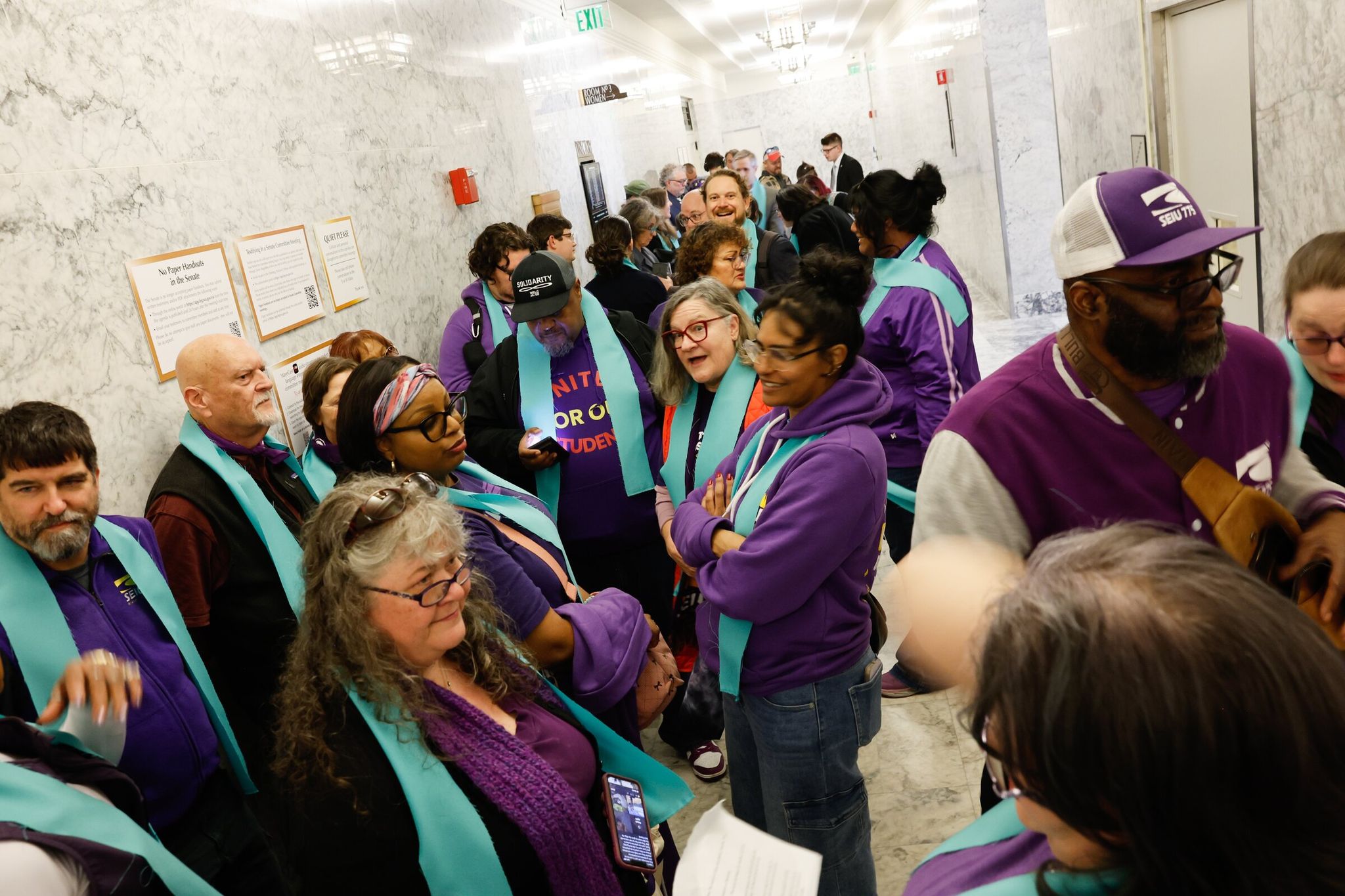
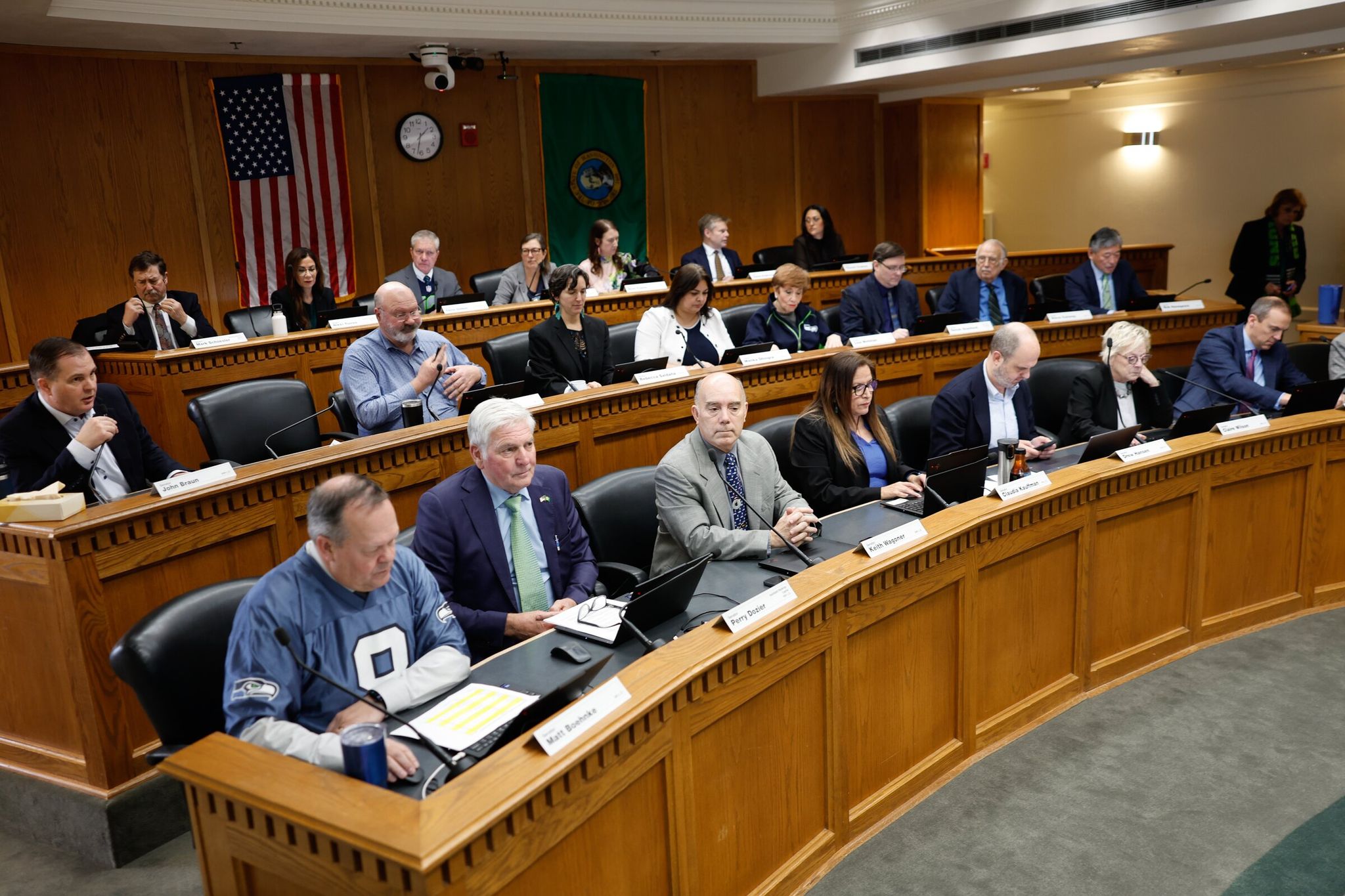
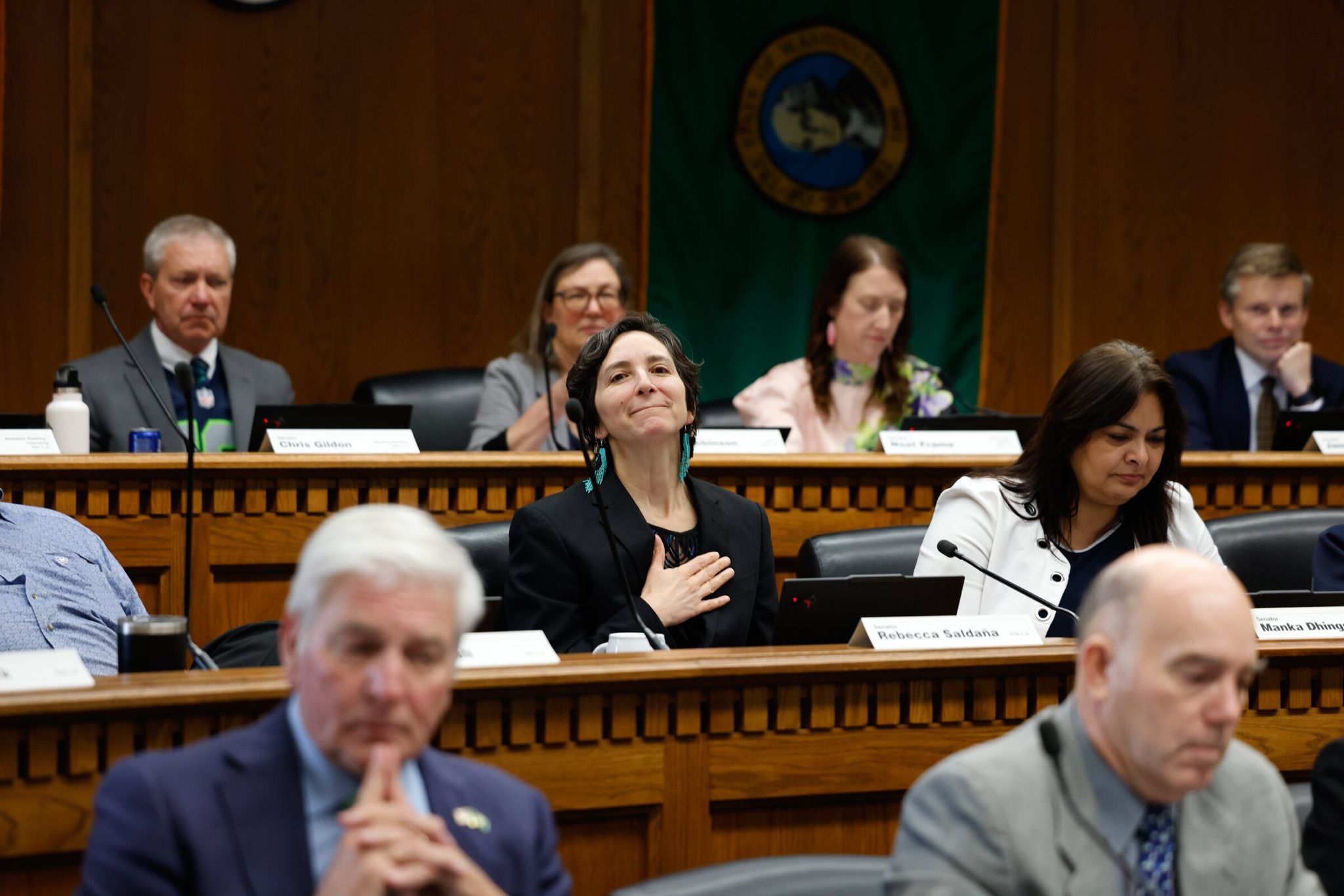
On Friday in Olympia, the capital of Washington state, heated hearings were held on a proposal to impose a 9.9% tax on income above $1 million per year. Democrats, calling the measure a "millionaires tax," held a meeting of the Senate budget committee where supporters and opponents spent two hours presenting their arguments. If passed, bill SB 6346 would take effect in 2028.
Supporters of the tax, including several millionaires, said the measure has long been overdue to correct the state's "inverted" tax system. They argue that currently the main tax burden falls on low-income people, while the wealthiest residents pay relatively little. They say the funds raised would go to finance schools, health care and other important public services, which would ultimately benefit the entire economy.
Opponents, who organized a large online campaign with more than 60,000 signatures, sharply criticized the proposal. They call it an illegal, confiscatory measure that will inevitably be expanded over time to people of middle means. Opponents also warn that the tax will spur an exodus of wealthy residents and businesses from the state, citing dozens of families who have already left or plan to leave because of previous tax increases.
According to a financial analysis, the tax would affect about 30,000 taxpayers and raise roughly $3.5 billion a year. The tax would apply only to the amount above the $1 million threshold. The bill also includes a so-called "marriage penalty," where the threshold for married couples is applied to their combined income, and a $50,000 exemption for charitable contributions.
Governor Bob Ferguson has endorsed the idea of the tax but said this week he wants to see more tax relief for businesses and individuals in the bill in exchange for the new high-income levy. In particular, he proposes raising the threshold for the business and occupation (B&O) tax — the state's unique tax on gross business receipts paid by almost all companies. The governor proposes exempting businesses with annual revenue under $1 million; the current threshold is $125,000. Raising this threshold is continuously debated because it eases the burden on small businesses while simultaneously reducing state revenue for education and other programs.
Even if passed, the law would almost certainly face legal challenges. A 1933 Washington Supreme Court decision in Calliton v. Chase found a progressive income tax unconstitutional, and Democrats hope the court will revisit that precedent. That decision still carries weight, creating a legal precedent that protects the existing state tax system, including the B&O tax, under the principle of stare decisis. Additionally, the bill contains a so-called "emergency clause" declaring the measure "necessary for the support of state government." This mechanism, used increasingly for controversial tax laws, blocks the possibility of referring it to a referendum because the law takes effect immediately upon the governor's signature, avoiding costly election campaigns and delays.
The hearings took place amid political confrontation. Democrats, who control both chambers of the legislature and the governorship, waived the five-day notice rule for hearings to speed consideration of the 63-page bill, the text of which was published only days earlier. However, their majority is not always overwhelming, so passing such tax laws often requires compromises between progressive and moderate Democrats, especially when small-business interests are at stake. Republicans sharply condemned what they called haste in handling "the most important tax legislation of this century."
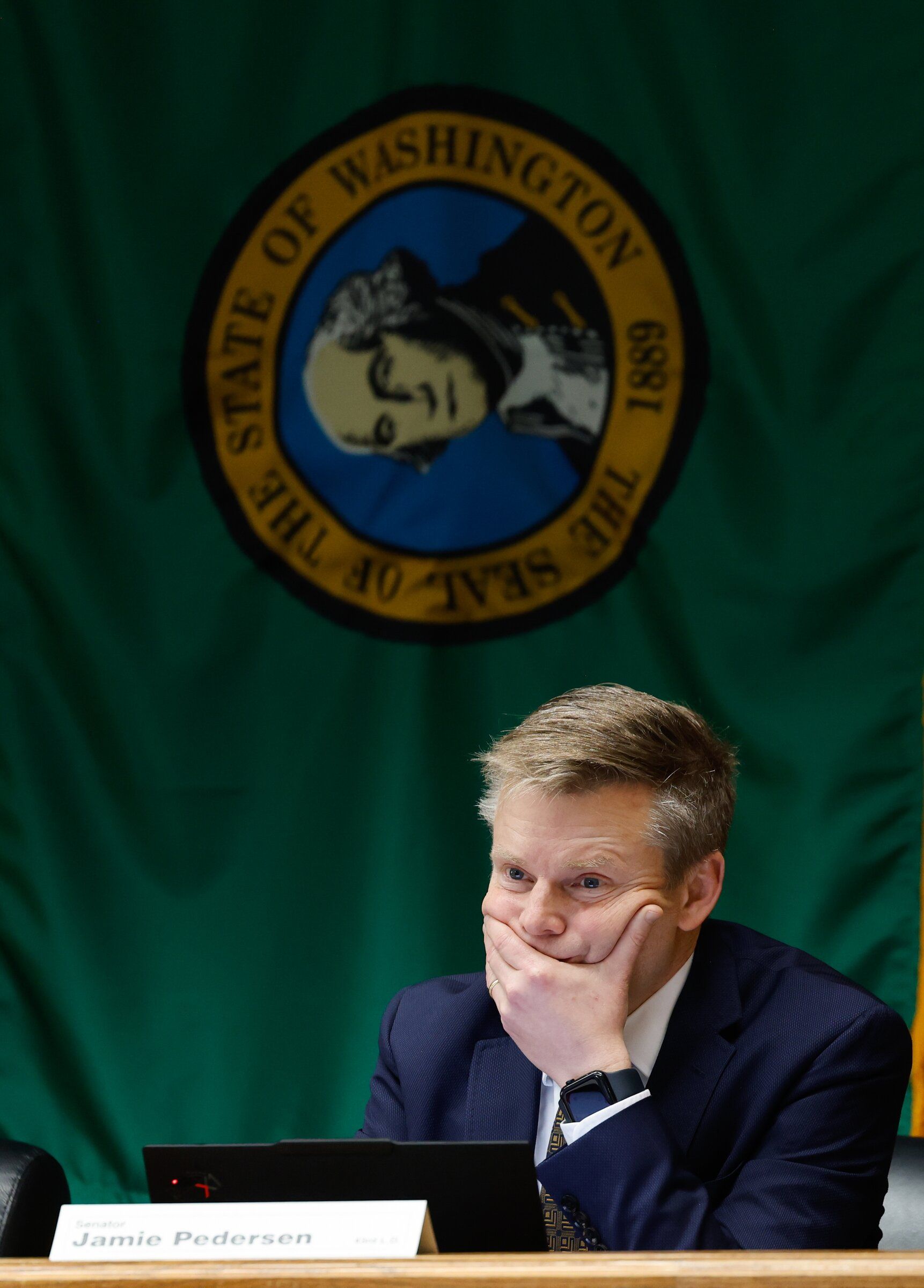
Responding to concerns that the tax could be extended over time to lower-income people, the bill's chief sponsor, Senate majority leader Jamie Pedersen, said the current text addresses only income over $1 million. But he noted that the current legislature cannot "bind" future sessions, depriving them of flexibility to respond to new challenges.
Based on: 'Millionaires tax' hearing brings big crowd to Olympia