
The city of Seattle will pay $9.25 million in a settlement with a cyclist who collided with a car and suffered a severe traumatic brain injury while riding on a “protected bike lane” at Green Lake. The popular park in north Seattle, with a 4.5-kilometer paved loop, is known for frequent conflicts between cyclists and pedestrians because of speed differences. City officials have previously tried imposing speed limits of 15 km/h (about 9 mph) and separating flows, but those measures did not fully resolve the problem, attorneys for the injured cyclist said. A King County judge found the city negligent and in violation of its own safety standards in designing that infrastructure.
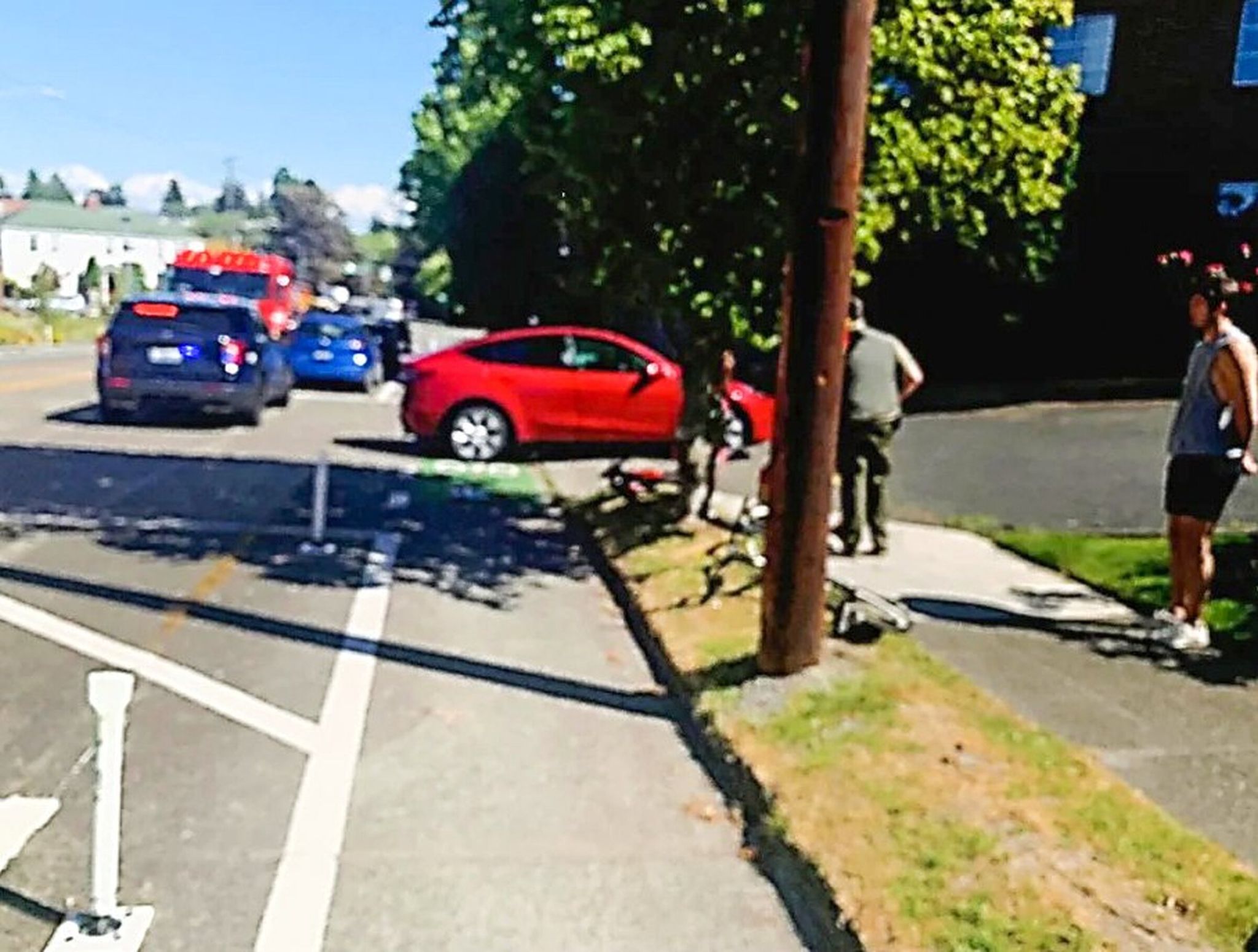
The incident occurred on June 20, 2024, when 24-year-old Aviv Litov was riding on a recently installed bike lane along North Green Lake Drive. Suddenly a car turned into a driveway in front of him. According to the lawsuit, the bike lane was placed between parked cars and the sidewalk, creating poor sightlines: drivers could not see approaching cyclists because of the short sight distances built into the design.
Litov, who was wearing a helmet and traveling at about 29 km/h (approximately 18 mph) in a zone with a posted 40 km/h (about 25 mph) speed limit, struck the side of the car. He sustained severe and irreversible head, neck and internal injuries. Before the crash Aviv worked as a cook, led an active lifestyle and was a promising racer on A Cycling Team (ACT), competing in criteriums and road races.
“He was a fairly recognized talent as a racer,” said Cory Potts, founder of the Bike Repair Center. “He was devoted to the sport, extremely friendly and modest.” After the crash Litov spent two months in a coma in the Harborview Medical Center intensive care unit, which is the only Level I trauma center for Washington, Alaska, Montana and Idaho. Around-the-clock availability of neurosurgeons, orthopedists and other specialists allows the hospital to take the most severe cases, including victims of bicycle crashes. The brain injury was so serious it resulted in partial paralysis on the left side of his body. Family and attorneys note a “miraculous recovery”: he can now ride a stationary bike and work out in the gym.
However, Litov cannot walk long distances or drive, has lost peripheral vision in both eyes and is now considered legally blind. “It was one of the worst bike crashes, and without the Harborview team I likely would have died,” he said. “I also couldn’t have handled it emotionally without my bike team and community. It’s important that people see cyclists as people who deserve to travel safely in the city without injury or death.”
Attorney Karen Kohler called the settlement one of the largest for a single cyclist. The suit against the driver of the car is still pending — a trial is scheduled for the end of the month. In recent years Seattle has faced a wave of similar lawsuits — caused by the absence of bike lanes on key corridors (for example, Aurora Avenue, 45th Street, Rainier Avenue), broken pavement, dangerous intersection designs and poorly designed channelization islands that push cyclists into traffic. In 2024 the University of Washington paid $16 million and the city paid $5.75 million for injuries from streetcar tracks. In 2019 Seattle paid $1.55 million; in 2016 a jury awarded $38 million to a person injured by a valet, and settlements of $7.25 million and $3.5 million have been reached in other cases involving cyclist deaths and paralysis.
Based on: Seattle pays injured cyclist $9.25 million for poorly designed bike lanes