
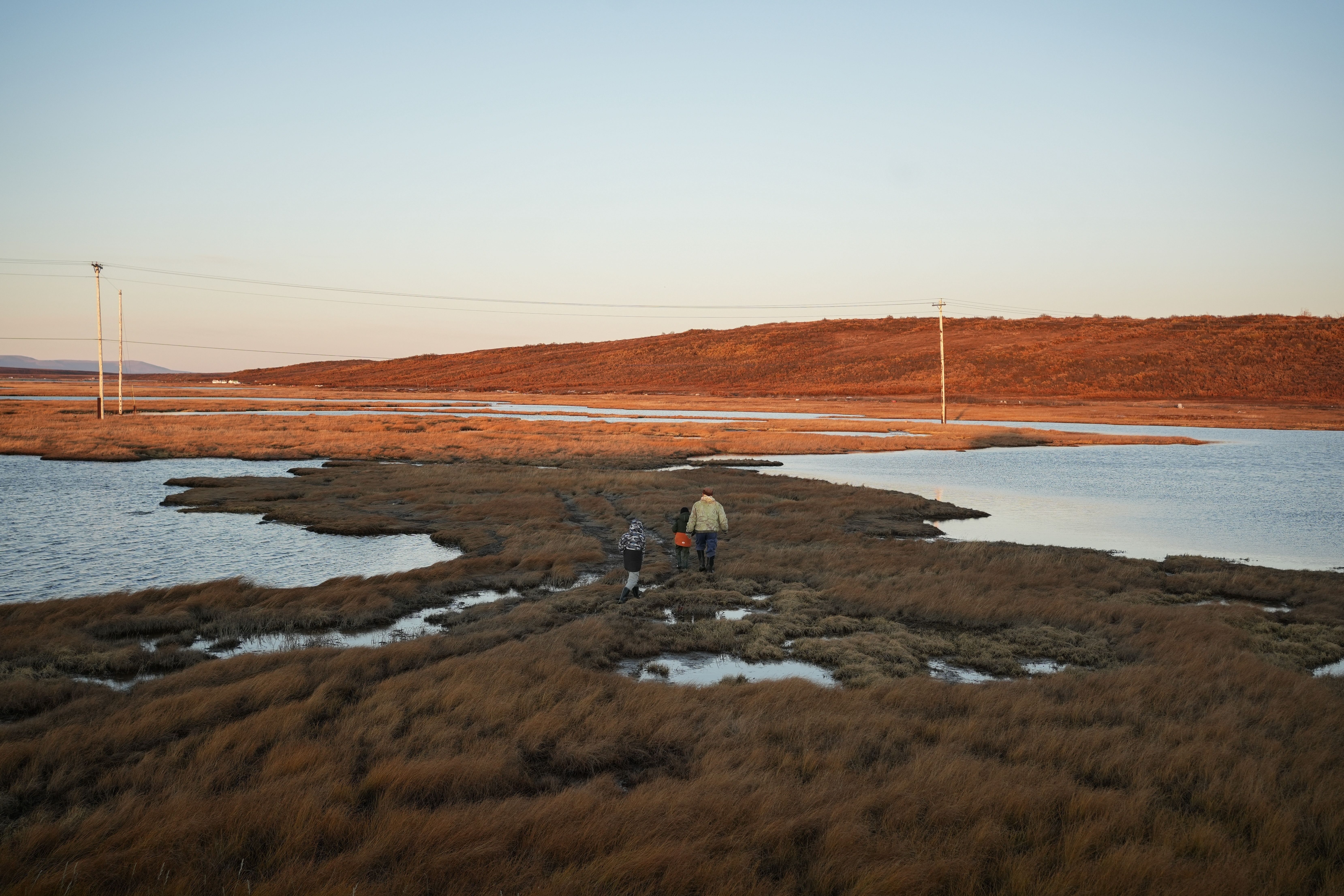
Kotzebue, in northwestern Alaska, is not connected to the state’s road network and can be reached by air or sea. Local diesel power plants generate the city’s electricity: connecting it to the main grid would be too expensive or technically impossible. Fuel is delivered by sea only for about three months a year, when the water is ice-free and ships can safely reach the shore. The harsh climate and lack of a deepwater port limit the delivery season.
Diesel provides about 75% of the city’s electricity, and residents spend roughly a fifth of their income on it—more than three times the average for low-income households in the United States. Chad Nordlum, the local tribe’s energy project manager, says the community has little control over prices but can reduce its dependence on fuel by generating its own power.
In 2024, the tribe was promised a $20 million grant from the U.S. Environmental Protection Agency (EPA) to build a wind energy facility. The project could have reduced diesel’s share of the energy supply to 40–50% and given the community greater energy and economic independence. But the Trump administration canceled the grant in May 2025, and work remains on hold.
The case is part of a broader cut in funding for Native American communities. Tribal governments administer their territories and can pass laws, provide services, collect taxes and regulate activities within the tribe. The scope of these powers depends on federal laws and treaties. The federal government recognizes tribes as distinct political entities and deals with them directly, while states are not their primary sovereign partners and generally cannot arbitrarily interfere in tribal self-government.
According to the Brookings Institution, programs established by the 2022 Inflation Reduction Act largely ceased operating after a new budget law was passed, while the Department of Government Efficiency (DOGE) canceled another $468 million in grants. About half of that funding was intended for environmental protection and natural resources, and another 11% for agriculture. The grants supported, among other things, climate adaptation plans, renewable energy and employment programs.
Researchers say that even after record investment in the wake of the pandemic, Native communities remain chronically underfunded. They say this makes it harder for them to protect themselves from climate threats and runs counter to the federal government’s obligations under treaties and agreements with tribes. Under the Biden administration, tribes received more than $700 million for climate, energy and infrastructure projects. Among the canceled projects was a $25 million grant for solar panels for 600 Hopi homes. Brookings experts propose enshrining protections for tribal grants in law and ensuring funds are transferred directly to communities.
The Trump administration said it is reviewing how federal funds are used and reported that it had awarded more than $351 million to tribal communities through environmental and other programs since the president began his second term. In Kotzebue, Nordlum hopes to revive the wind project and is meanwhile working on a smaller solar installation. The community’s main goals are reliable power and economic development to reduce costs and make life more sustainable for local residents.
Based on: DOGE cuts cost tribes $470M, gutting funding for climate projects