Seattle is becoming a cruise tourism hub with new MSC Cruises sailings to Alaska, record passenger volumes and environmental initiatives. Meanwhile, city residents are facing hidden medical fees, and the University of Washington campus was shaken by a tragedy — the killing of a student in family housing.
MSC Cruises launches first Alaska season from Seattle, setting records for the city
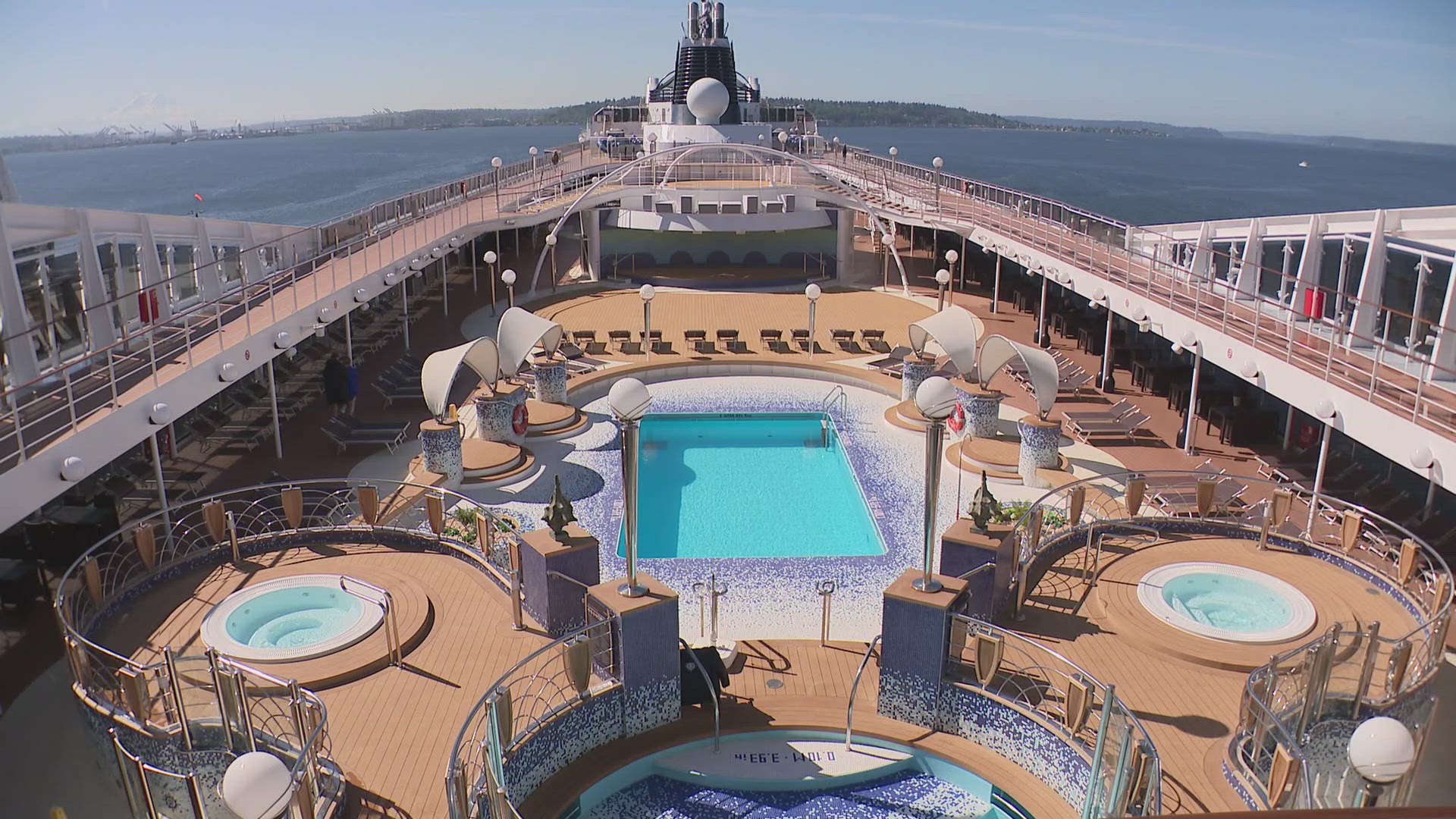
Seattle is experiencing a genuine cruise boom: more than two million passengers are expected to pass through the city's port this season, an all-time record. The economic wave from that influx of tourists could be felt far beyond the waterfront. On Monday the season became even more notable: cruise line MSC Cruises officially launched its first sailings to Alaska from Seattle. The MSC Poesia docked at Pier 91 to depart on its first seven-day voyage to Alaska’s shores, marking the company’s entry into one of the fastest-growing and most competitive cruise markets in the world.
As Executive Vice President of MSC Cruises Neil Palomba told KING5.com in an interview: "Alaska is what we were missing. It's one of the destinations that our guests in the U.S. and around the world consider a must-see." The MSC Poesia recently underwent a six-week refurbishment, transiting from the Mediterranean to Miami and then through the Panama Canal to Seattle. During the refit the ship gained new restaurants, expanded wellness areas and, importantly, environmental upgrades specifically intended for Alaska sailings. Palomba emphasized significant equipment improvements: on-board water treatment and waste recycling systems were upgraded.
This launch comes amid a record season for the Port of Seattle: more than two million passengers are forecast to pass through the city this year. According to the port, last year alone the cruise industry generated about $1.2 billion in economic impact for the region, and this season is expected to surpass that figure. Local businesses, such as The Seattle Shop, are already feeling the boost. Seller Josue Garcia noted: "This is good not just for us but for the whole pier: restaurants, souvenir shops. A large number of people definitely lifts the mood."
However, the rising popularity of Alaska cruises also draws attention to environmental concerns. MSC has partnered with nonprofit Orca to place whale experts on board during certain periods of the season. This will help crews avoid strikes with whales in busy marine corridors. As Steve Jones of Orca explained, vessel strikes are likely the greatest threat to large whales in the 21st century. It is estimated that between five and twenty thousand large whales die each year from collisions with a variety of vessels: cargo, transport and cruise ships. Observers on board help crews track whale activity and, if necessary, adjust course or speed. "The first thing we advise is to slow down," Jones says: the faster a whale can get out of the way, the lower the chance of a strike.
The impact of fuel prices: hidden hospital fees patients aren't told about
In modern America, where every dollar counts, truck drivers and outpatient clinic patients are facing unexpected financial hits. While some worry about the cost of diesel, others receive bills with mysterious "hospital fees" for procedures performed without an inpatient visit. It turns out these two seemingly different problems share a common root — systemic operating costs passed down to ordinary people.
As explained in a KIRO 7 News Seattle report, many patients visiting outpatient centers find line items in their bills labeled "hospital fees" or "facility fees," even though they never set foot in a hospital. This happens because of a complex pricing system in which an outpatient clinic is legally owned by a hospital network. Medical institutions use this loophole to charge additional payments for "use of facilities," even though the patient receives the same service they would at an independent doctor's office. For someone who simply came in for routine blood work or a consultation, such a fee is a total surprise, increasing the final amount by hundreds or even thousands of dollars.
The key point here is that fuel prices and hospital surcharges are two sides of the same coin: both reflect rising operating costs businesses pass on to consumers. Long-haul drivers see every spike in diesel prices eat into their margins, while patients see hospitals mask their costs as "facility fees." In both cases there is a lack of transparency, and the burden falls on those least able to afford higher payments.
As for practical consequences, experts warn that "visit fees" without hospitalization could become the new norm if authorities do not intervene. Some states are already considering laws requiring clinics to disclose such charges in advance, but for now patients remain vulnerable. According to the report, more than 40% of outpatient visits may include hidden fees, making healthcare less accessible even for the insured. By comparison: in freight transport the price of a truckload of goods can rise 15–20% due to unexpected fuel surcharges that drivers factor into the final retail cost.
Thus, both situations demonstrate how lack of regulation and pricing transparency allows businesses to hide the true cost of services. For the patient this means not only financial shock but also the need to carefully check bills; for the carrier it means constant monitoring of fuel prices at the pump. The solution, whether in healthcare or logistics, lies in transparent pricing and legislative measures that protect consumers from unexpected markups.
Tragedy on campus: Student murdered in University of Washington housing
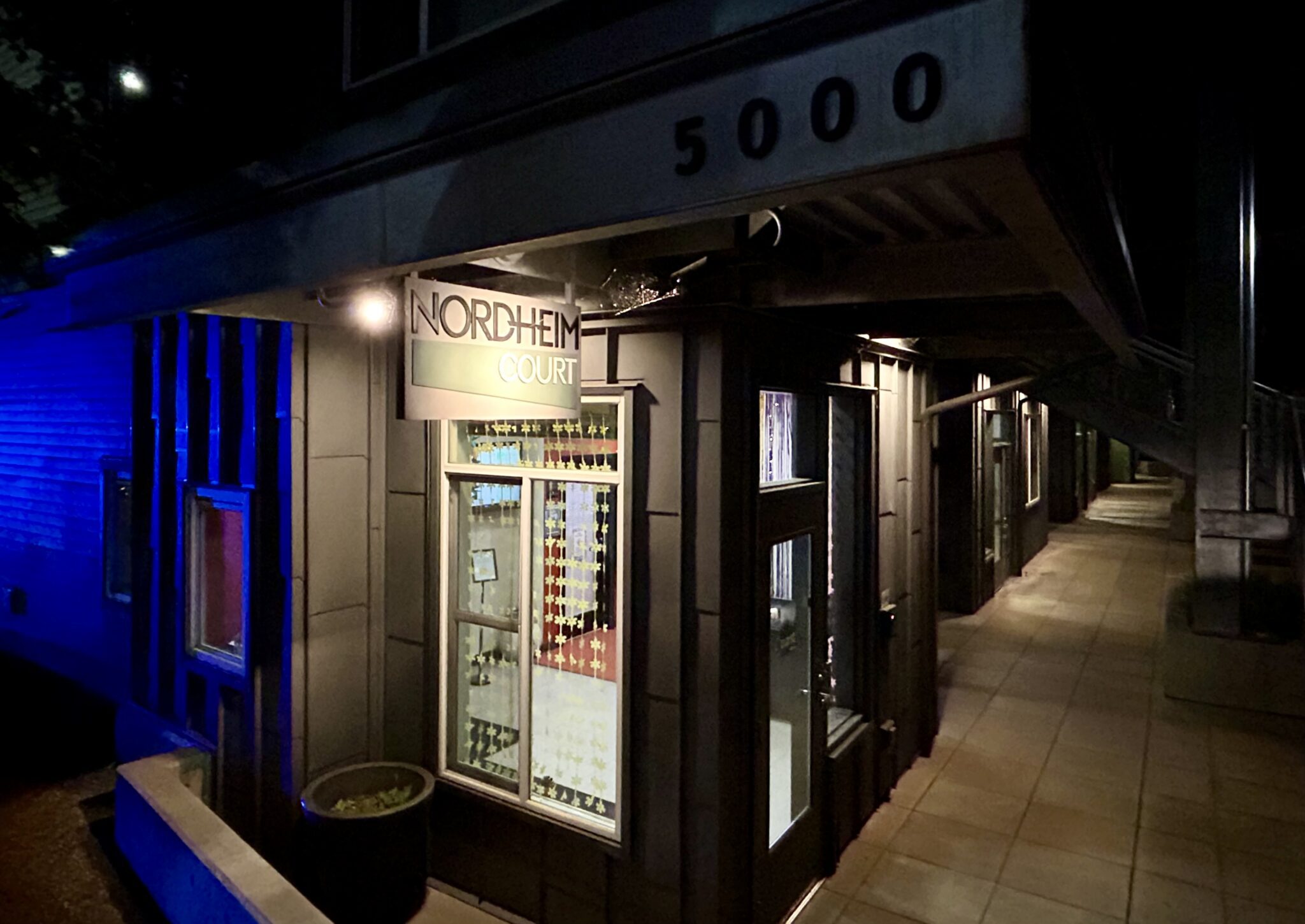
On Sunday evening the quiet of the University of Washington (UW) campus was shattered by a brutal crime. At about 10:10 p.m. campus police received a report of a stabbing in Nordheim Court, located at 5000 25th Avenue Northeast. Responding officers found the body of a deceased student in the laundry room. Despite the efforts of Seattle police and fire personnel, who attempted to provide aid, they were unable to save him — medics pronounced death at the scene.
Campus police immediately secured the area, and detectives from the Seattle Police Department took over the investigation. Homicide investigators and the forensic lab joined the work and began a thorough examination of the crime scene. The deceased’s body was turned over to the King County Medical Examiner, who in the coming days will identify him and officially determine the cause of death.
At this time the circumstances leading up to the killing remain under active investigation. Police are searching for a suspect described as a Black male with a beard, between 5 feet 6 inches and 5 feet 8 inches tall (approximately 167–173 cm). Witnesses say he was wearing a vest over a shirt and blue jeans at the time of the crime. Anyone with information is asked to call the Major Crimes tip line at 206-233-5000. Anonymity is guaranteed.
For context: Nordheim Court is not a typical dormitory but a special housing complex for students with families, primarily occupied by graduate students and upper-division students. That makes the tragedy especially resonant, as such incidents in university neighborhoods are extremely rare. According to an official Seattle Police press release, the incident number is 2026-130611.
The main question at the moment is motive. Was this a random attack by an outsider who entered the campus, or the result of a personal conflict between acquaintances? Police are not commenting on those details yet, but the fact that the killing occurred in a laundry room late at night suggests suddenness and possibly premeditation by the assailant. Campus residents are advised to remain vigilant, and university administration will undoubtedly step up security measures. For students and faculty this is a shock and a reminder to consider how safe their everyday environment really is.