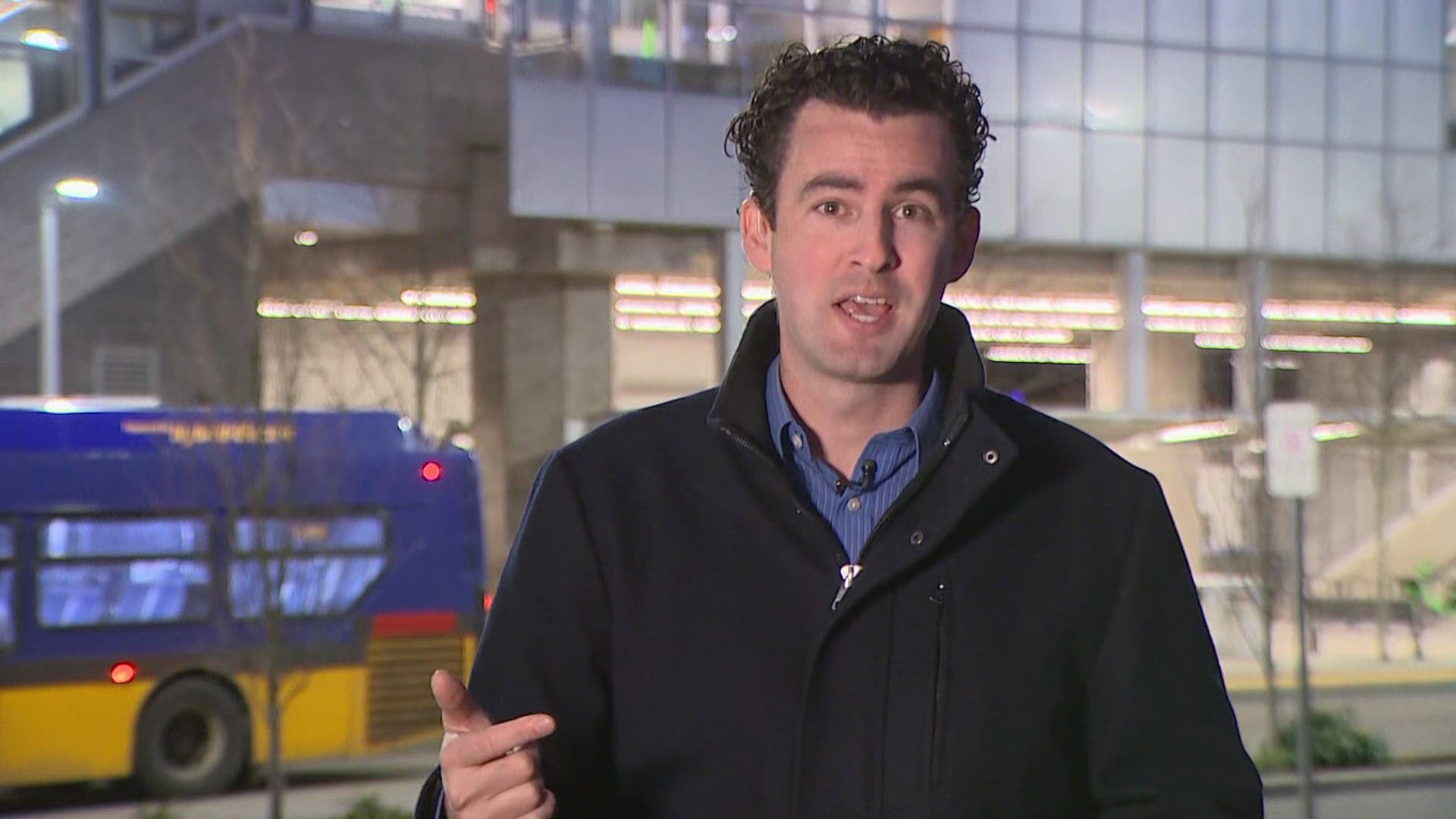
Overview of crime news in Seattle and surrounding areas. Officers file a class-action lawsuit over carbon monoxide poisoning at a precinct. In Everett, a stabbed man made his own way to Seattle on public transit. An assault involving a toothbrush occurred at Alki Beach.
Seattle police class-action: years of carbon monoxide poisoning at a precinct
A serious scandal over working conditions for police officers is unfolding in Seattle. Dozens of officers have filed a class-action lawsuit against the city, alleging they were systematically exposed to exhaust gas poisoning for years in the underground garage of the West Precinct and adjacent workspaces. The precinct, opened in 2000, is a key hub for downtown patrols, and it now appears its infrastructure may have endangered the health of hundreds of employees for years.
The lawsuit, detailed in KOMO News, is filed by Sergeant Chad McLaughlin and Lieutenants Greg Fligel and Gabe Conrad as lead plaintiffs. They allege that inadequate ventilation in the so-called "Patrol Deck," the bullpen, and sergeants’ offices allowed harmful components of exhaust— including carbon monoxide (CO)—to accumulate indoors and migrate to upper floors. This occurred while patrol cars idled in the enclosed underground garage. Carbon monoxide is a particularly insidious poison: colorless and odorless, it binds to hemoglobin in the blood and prevents oxygen transport, causing headaches, dizziness, nausea, and at high concentrations loss of consciousness or death.
According to the suit, Seattle Police leadership knew or should have known about the danger as early as 2015. Internal emails are cited where supervisors warned that unnecessary idling produced an "excess of carbon monoxide in the garage" and that "someone is going to get hurt." Despite those warnings, plaintiffs say the problem was not resolved. Worse, a paradoxical practice developed: officers were encouraged to write reports while sitting in running patrol cars in the garage. That was done for safety reasons to avoid potential street assaults, but in fact increased their exposure time to the toxic fumes.
Plaintiffs report symptoms such as severe headaches, nausea, vomiting, and shortness of breath. The officers’ attorney, Sumir Singla, says health issues among those who worked in the garage persist and that the city has not fixed the underlying ventilation problem. He calls the building "toxic" and notes that relatively simple measures—such as installing powerful industrial fans—could improve conditions. This class action builds on a prior case brought by Sergeant David Hockett. In May 2024, the Washington State Court of Appeals upheld a verdict finding the Seattle Police Department and the city liable for negligently exposing Hockett to exhaust, leaving the jury verdict in place.
Officials have so far declined substantive comment due to ongoing litigation. Police spokesperson Sergeant Patrick Michaud said the department takes officer health seriously but referred questions to the city attorney’s office. SPOG President Kent Lou also said member safety is the organization’s top priority and that they are monitoring developments closely. The Seattle City Attorney’s office had not responded to requests for comment at the time of publication.
The suit seeks class certification, notice to all potentially affected officers (estimated by counsel at roughly 200 or more) at the city’s expense, injunctive relief to stop further exposure, compensation for damages, and reimbursement of legal fees and costs. The story raises serious questions not only about conditions at a single precinct but about the systemic approach to protecting emergency personnel who risk their health daily on city streets yet may face equally serious hazards inside their own workplaces.
Stabbed man in Everett rode public transit to Seattle for treatment
An incident in Washington state highlights both the victim’s composure and gaps in public safety. After an early-morning assault, a wounded man had to get himself to medical care using a bus and light rail.
Early Monday morning, a 36-year-old man was stabbed in the abdomen at the Everett Transit Center. Despite a serious wound, he did not wait for an ambulance at the scene. Instead, according to Seattle police, he boarded a bus bound for the Northgate light rail station. The light rail is the city’s rail transit system—similar to a subway or tram—that connects Seattle neighborhoods and suburbs. Arriving at Northgate at about 4:56 a.m., the man told a security officer he had been stabbed and was trying to get to a hospital. The security officer provided immediate aid and called an ambulance. The victim was transported to Harborview Medical Center; his condition has not been released. Everett police are investigating the stabbing; no suspects have been arrested and motives remain unknown. This case, reported in detail by KING5.com, raises serious concerns about safety at transit hubs in the early hours and access to emergency care. That a person with a stabbing wound had to travel on public transit to get treatment suggests a potentially critical situation. The incident also highlights the role of transit staff, who in this case were the first link in the chain of rescue. The lack of information about any arrest increases worry among transit users. The episode may prompt reviews of security measures—especially overnight and early-morning patrols—at key transit nodes connecting suburbs with Seattle.
Alki Beach assault: man injured in neck with a toothbrush
On Sunday morning, a strange and alarming incident occurred on Seattle’s popular waterfront—more like a scene from a crime thriller than everyday life. According to a police report, a man was assaulted with an unusual weapon: an ordinary toothbrush.
Seattle police say the early Sunday morning assault took place at 1940 Harbor Ave. SW, near the well-known Salty’s restaurant at Alki Beach. Initial reports indicate a woman struck the man in the neck with the handle of a toothbrush. Despite the severity of the injury, the victim refused medical assistance, which raises questions about his condition and the circumstances. The suspect was detained at the scene, but authorities have not released details about the motive or the relationship between the assailant and the victim. More information is available in the initial KOMO News report.
Although the weapon was unusual, the incident again raises concerns about safety in public spaces—even in seemingly peaceful, scenic locations like the Alki waterfront. The use of a household item as a weapon makes the assault particularly startling and underscores the unpredictability of street crime. That the man declined medical help may indicate the wound was not life-threatening or that he chose not to interact with law enforcement, which can complicate investigations. The suspect’s arrest is only the first step; investigators will need to determine whether this was a domestic dispute, the result of mental illness, or something else. For Seattle residents and visitors, the episode is a troubling reminder to remain vigilant wherever they are.