Overview: brutal robberies with a murder in Washington, a woman attacked in Seattle, and the Seattle Seahawks’ Super Bowl history.
Guilty plea in string of brutal robberies and a murder in Washington
A guilty plea filed in U.S. federal court sheds light on a series of particularly brutal crimes that rocked the Puget Sound area in 2022. 24-year-old Christopher Johnson pleaded guilty to racketeering-related charges in a pattern of armed home invasions, one of which ended with the killing of a mother who was lying in bed next to her small child. The case is notable not only for the brutality of the crimes but also for the use of a powerful federal statute typically reserved for organized criminal enterprises.
According to court documents detailed in The Seattle Times article, Johnson and his accomplices, including Kevin Tissell, selected victims based on their social media activity. Posing as police officers when they forced entry, they lulled residents’ suspicions. Once inside, the perpetrators bound people with zip ties and robbed the homes. Court filings note that the robberies “always involved at least three people, sometimes more.” Particularly troubling is that gang members targeted victims of Asian descent, considering them “weaker.”
The series of crimes to which Johnson admitted under the plea agreement spans May through August 2022 and shows an escalation of violence. Among the incidents: an armed robbery of a family in Mount Vernon during which the father was held at gunpoint while the perpetrators took a 9-year-old son out of the house and searched a vehicle, stealing thousands of dollars in cash and valuables. In another episode in Burien, a resident briefly grabbed a gun but put it down after hearing the intruders claim to be “police.” The assailants beat the man, pulled a naked woman from her bed, tied the couple up, and at gunpoint stole their property. The apogee of brutality occurred on August 19 in Everett, where a group member shot and killed 36-year-old Ira Marcello Sok as she lay in bed next to her 7-year-old child. After the murder, a man was bound and the house ransacked.
A key legal aspect of this case is the application of the Racketeer Influenced and Corrupt Organizations Act (RICO). This federal statute is seldom used in cases like this and is typically aimed at dismantling structured criminal syndicates. RICO allows prosecutors to bundle a series of crimes—such as robberies and murders that are ordinarily prosecuted in state courts—into a single federal case when they are committed by an organization or its members. In Western Washington, RICO has been applied before, for example in 2009 against strip-club magnate Frank Colacurcio Sr., and in 2006 to target a violent local chapter of the Hells Angels motorcycle club. Using RICO here underscores that authorities viewed Johnson and his associates’ actions as the operation of a criminal organization.
Under the plea agreement, federal prosecutors and defense attorneys will recommend a 25-year prison term for Johnson, although federal sentencing guidelines could expose him to life in prison. He will also plead guilty to second-degree murder in Snohomish County court in connection with the killing of Ira Sok; the parties there will also push for a 25-year term to be served concurrently with the federal sentence. His accomplice, Kevin Tissell, has not pleaded guilty, and his jury trial is scheduled for November. Johnson’s sentencing is expected in May. The case exposed the vulnerability of people whose seemingly prosperous lives on social media can make them targets for merciless criminals and highlighted authorities’ willingness to use the full range of legal tools to combat such crimes.
Woman recovering after vicious sidewalk attack in Seattle
A troubling incident occurred in Seattle when a woman was the victim of a sudden, vicious attack on a city sidewalk. The incident, captured on video, raises questions about public safety. The victim is now recovering and coping with both the physical and psychological aftermath.
The footage, shown in a KIRO 7 News Seattle report, captures a passerby suddenly attacking a woman walking on the sidewalk for no apparent reason. The assault was so swift and unprovoked that the victim had no opportunity to foresee or prevent it. The case starkly illustrates how an ordinary stroll can quickly become life-threatening. After the attack the woman was taken to a medical facility and received needed care. Details about her condition, the attacker’s identity, and potential motives are still being disclosed, leaving the community anxious and awaiting further clarification from law enforcement.
It’s important to note an obvious error or technical glitch in the beginning of the referenced report: instead of describing the Seattle incident, information appears about the forthcoming execution of Charles “Sonny” Burton in Alabama for a 1991 robbery that resulted in a death. That case relates to the legal doctrine known as the felony murder rule, used in many U.S. states. That rule allows all participants in a serious felony (for example, a robbery) to be held accountable for a resulting death, even if a particular defendant did not deliver the fatal blow or intend to kill. This complex legal concept is often the subject of heated debate about fairness of punishment. However, in the context of the Seattle news segment, that information appears to be an erroneous insertion unrelated to the video about the sidewalk attack.
Returning to the Seattle incident, a key insight is growing concern among residents about random violence in apparently safe urban spaces. Video evidence can aid investigations, but it also heightens citizens’ sense of vulnerability. The consequences of such attacks extend well beyond physical injuries, inflicting deep psychological wounds on the victim and the wider community and causing people to view others with suspicion. The woman’s recovery will be a long process, and this incident is a grim reminder of how fragile everyday peace can be.
Looking back: three Super Bowls in Seahawks history
The Seattle Seahawks’ Super Bowl history is an American drama in three acts—bitter loss, triumphant victory, and a moment forever etched in fans’ memories. With the team headed to its fourth appearance in the championship, it’s a good time to look back.
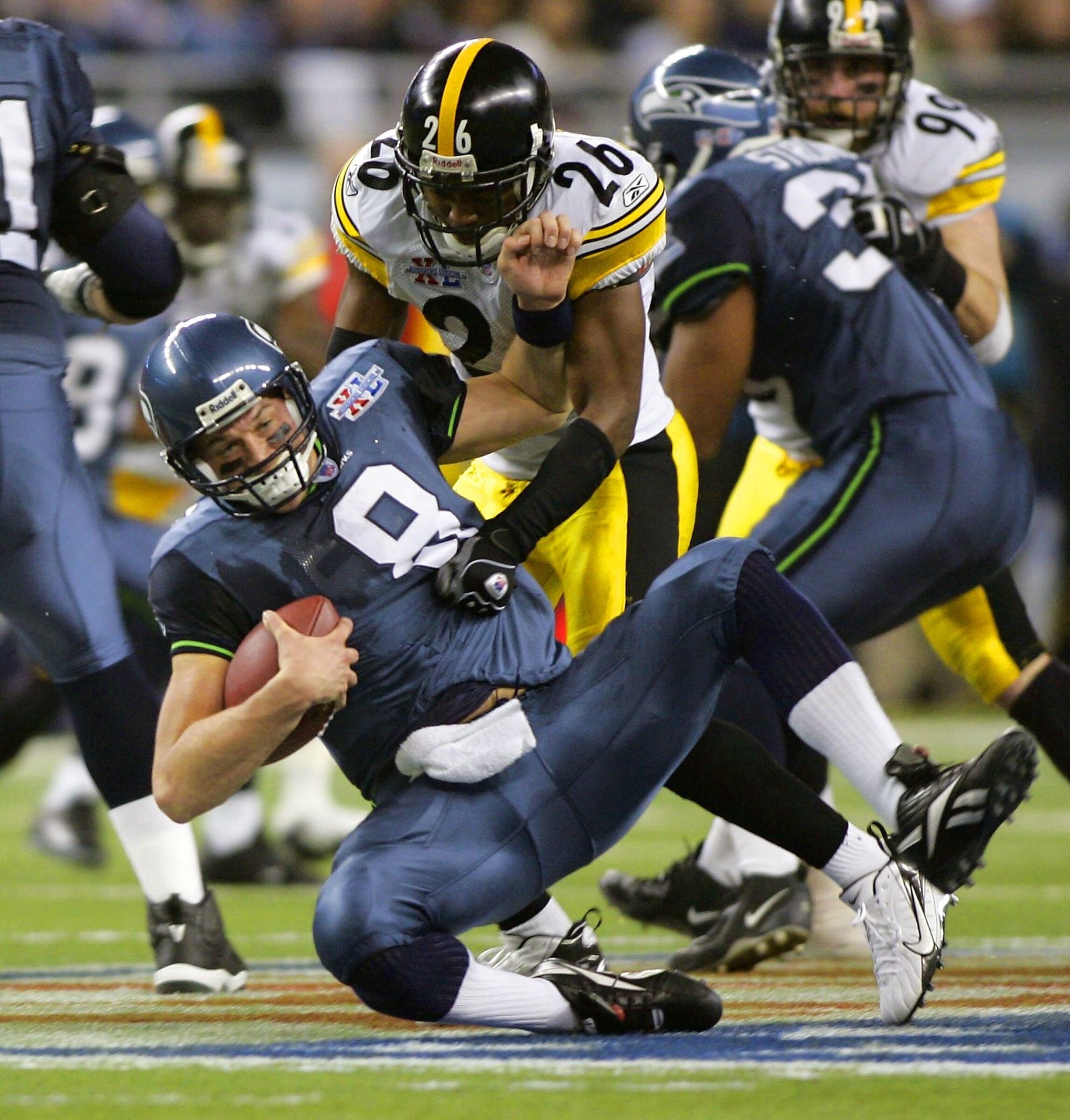
The Seahawks first reached the Super Bowl in 2006 (Super Bowl XL), and that run left fans with more a sense of injustice than pride. Mike Holmgren’s team, led by quarterback Matt Hasselbeck and running back Shaun Alexander—who was the league MVP that season—was considered a favorite. But in the biggest game their offense faltered: two missed field goals, seven penalties, and an interception in the fourth quarter. Although the Seahawks often looked the stronger team, the Pittsburgh Steelers celebrated a 21–10 victory. Controversial officiating decisions added to the sting of defeat; referee Bill Leavy later expressed regret over calls and in 2010 admitted they haunted him, fueling long-held grievances among Seattle fans as recounted in The Seattle Times piece.
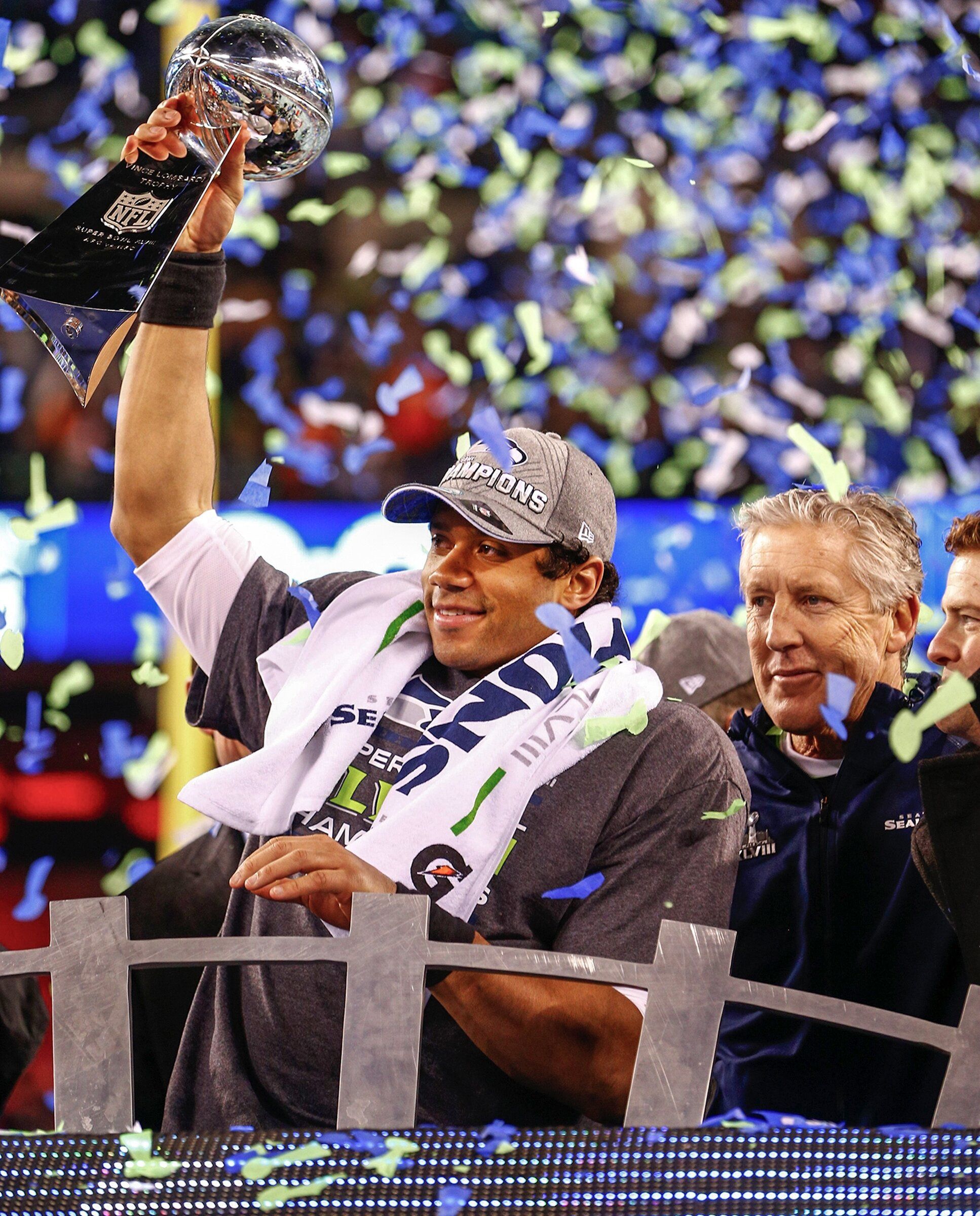
The second act, Super Bowl XLVIII in 2014, was the opposite—a complete triumph and a display of dominance. The Legion of Boom, the Seahawks’ legendary defense, shredded the most prolific offense in NFL history led by future Hall of Famer Peyton Manning. The game set the tone from the opening second when the Denver Broncos bungled a snap on a kickoff from their end zone, yielding a safety for Seattle. Devastating touchdowns followed, including a 69-yard interception return by game MVP Malcolm Smith. The final 43–8 rout ranks among the most convincing Super Bowl victories and gave Seattle its first Vince Lombardi Trophy. Defensive end Red Bryant said their team—derided by some as “ragtag” and “over the hill”—should go down as one of the best defenses ever.
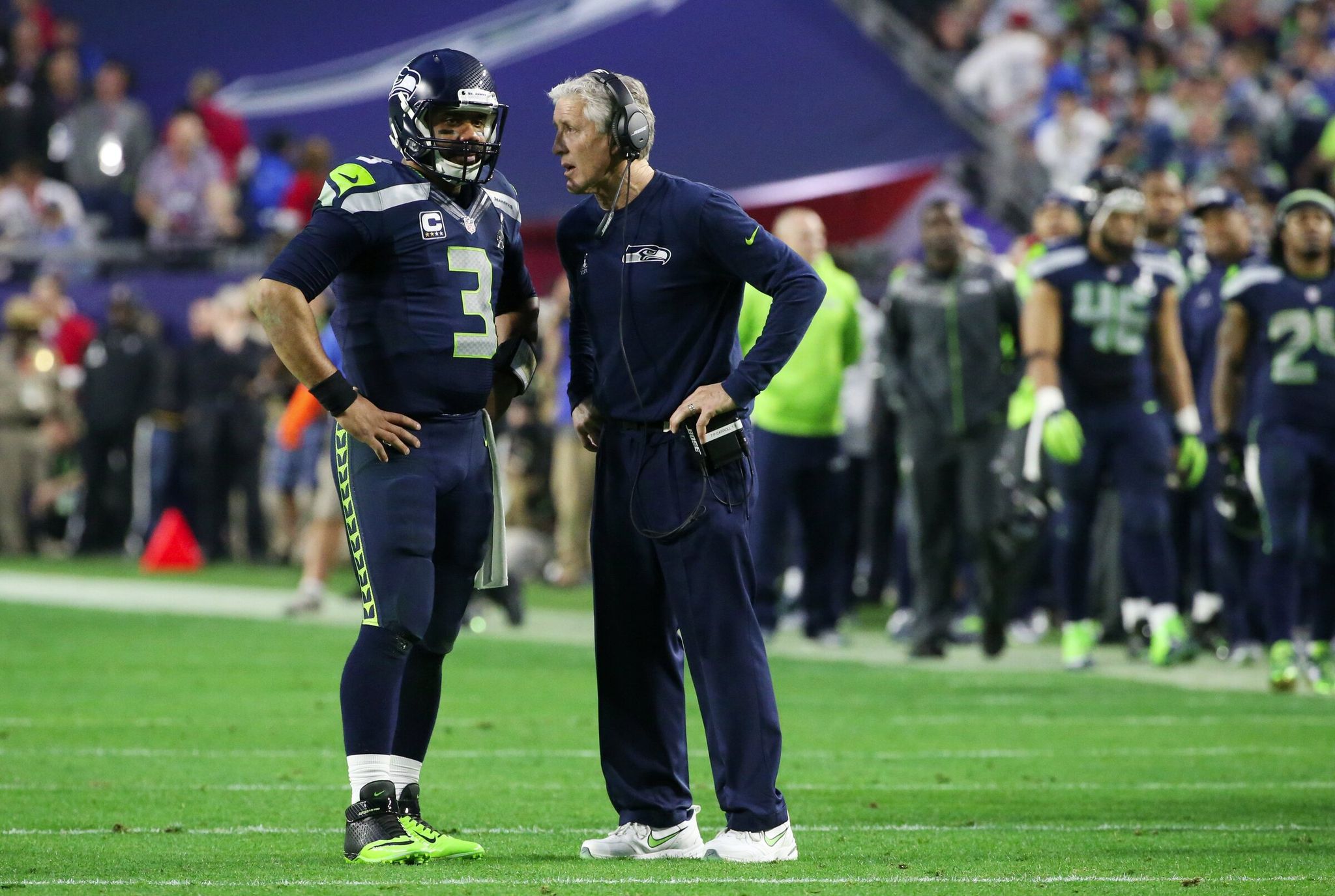
The third and perhaps most painful act unfolded a year later in Super Bowl XLIX. The Seahawks faced Tom Brady and Bill Belichick’s New England Patriots in an epic duel. With 26 seconds remaining, Seattle trailed 24–28 and found itself at the opponent’s one-yard line. The conventional choice would have been to hand the ball to powerful runner Marshawn Lynch. Instead, head coach Pete Carroll opted to pass. Quarterback Russell Wilson’s throw was intercepted by then-little-known Patriots rookie Malcolm Butler. That decision remains one of the most debated and inexplicable moments in NFL history. Carroll accepted responsibility immediately, but it did little to ease the shock for players and fans. That single play forever divided the franchise’s history into before and after, leaving the haunting question of “what if?”
Thus, the three prior finals for the Seattle Seahawks tell a story of sport’s unfairness, power, and cruelty: from a stinging defeat marked by errors and controversial calls, through a crushing victory that cemented a defensive philosophy, to a heartbreaking failure on the brink of ultimate glory. Each experience forged the team and its supporters; now, heading into a fourth Super Bowl, the Seahawks carry not only hope but a vast collective memory that makes their journey unique.