
Washington Supreme Court Commissioner Michael Johnston rejected activist Arthur West’s motion for a preliminary injunction barring the placement of a special explanation of Initiative 645 on ballots. In the November election, voters will decide whether to repeal a new tax on wealthy state residents.
Johnston said West had not presented sufficiently compelling evidence that the law was unconstitutional to outweigh the public interest in receiving the information. The court also took into account the need to finalize the ballots and the lack of strong grounds for intervening in an election process that was already underway.
In Washington, citizen initiatives are first submitted to the secretary of state’s office, where signatures and compliance with established procedures are reviewed. If there are enough valid signatures, the measure may go to voters or be sent to the Legislature. Initiative language and official explanations must be accurate, clear and neutral, but their content often becomes the subject of legal disputes.
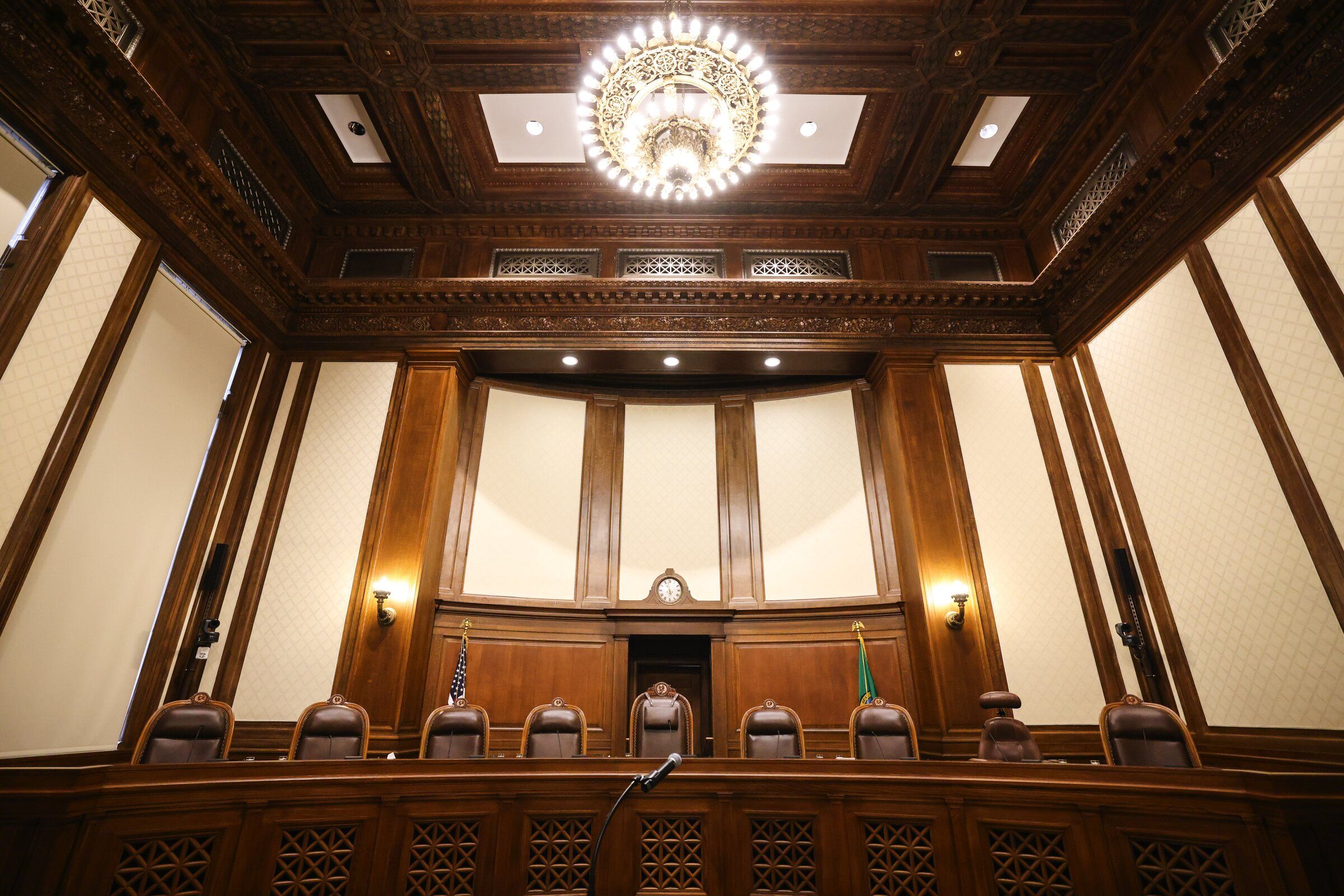
The current litigation is not over. West is asking the state Supreme Court to directly consider his appeal of an Aug. 7 Thurston County Superior Court ruling that previously upheld the law. Thurston County Superior Court is the court of first instance: It establishes the facts and issues the initial ruling. The state Supreme Court is Washington’s highest court and considers the most important legal questions, with decisions that are binding on courts throughout the state. Later this year, the justices will decide whether to accept the case or send it to the Court of Appeals.
West said he was disappointed by the decision but intended to continue challenging the law’s constitutionality. He argues that the explanation requirement violates the separation of powers by allowing the executive and legislative branches to interfere with citizens’ right to propose laws independently. The activist also considers the wording biased and points out that a detailed, four-page fiscal analysis will be available online and in voter materials.
Initiative 645 would repeal a 9.9% tax on earned income exceeding $1 million a year for individuals and families. Gov. Bob Ferguson signed the tax into law in late March; it is scheduled to take effect Jan. 1, 2028, with the first payments expected the following year. According to the state Department of Revenue, the tax could generate approximately $2.7 billion in its first year.
Washington has no broad personal income tax, so opponents of the initiative emphasize the specific nature of the new levy and the need to clearly determine which income it covers. Eliminating such a source of revenue could create a budget shortfall, lead to cuts or delays in programs, or force the state to raise other taxes and fees. State schools, universities and health care programs, including Medicaid for low-income residents, are among the areas considered most vulnerable. The scale of the consequences will depend on the state’s actual revenue and expenditures.
A 2022 law requires a neutral description of an initiative’s impact on state investments to be included with ballots when a measure repeals, imposes or changes a tax or fee. The explanation for Initiative 645 says its passage would reduce funding for public schools, higher education, including universities and colleges, and social services, particularly health care. The state attorney general’s office maintains that removing the text would deprive voters of information they are entitled to receive.
Budget and socioeconomic research organizations opposed the injunction. The state Republican Party, initiative supporter Tim Eyman and the Citizens in Charge Foundation, by contrast, supported West’s position.
Based on: Court rebuffs attempt to ax ballot statement on WA income tax measure