
A federal judge in Seattle ruled that the Trump administration cannot force Washington State election officials to set aside ballots cast by more than 400 voters whom federal prosecutors suspect of lacking US citizenship. The Justice Department had demanded that the votes not be counted until the voters’ eligibility was verified, but the state refused to comply. The ruling is consistent with recent decisions in similar cases in California and other Western states.
In Washington, ballots are mailed to registered voters. Completed ballots can be mailed back or dropped into a designated ballot box. In each of the state’s 39 counties, local election officials receive ballots, verify signatures, count votes and certify county results. The secretary of state then compiles the data and certifies the statewide election results.
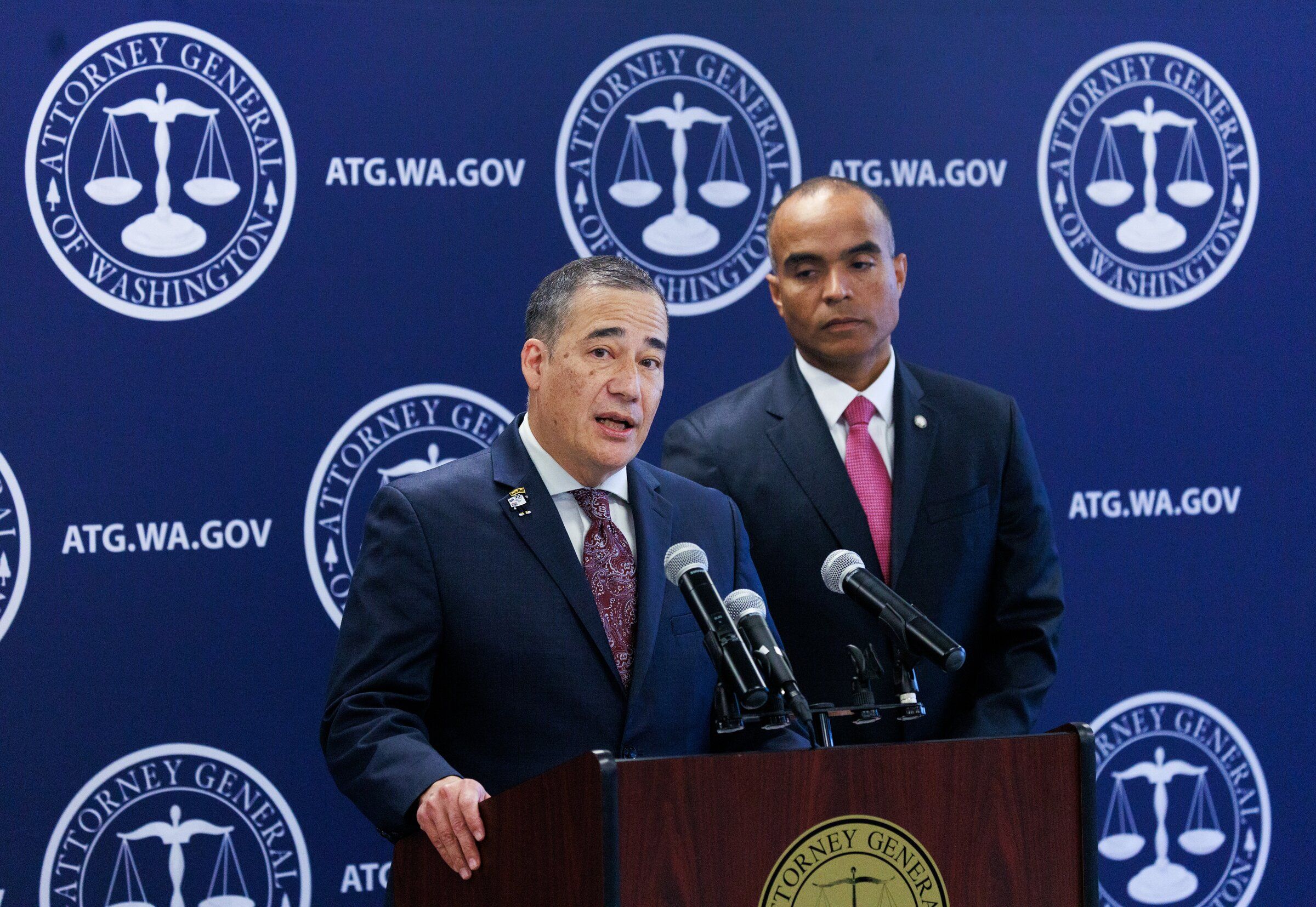
Prosecutors Charles Neil Floyd and Pete Serrano said voter rolls include at least 405 noncitizens who have cast more than 1,500 ballots over several decades. They said this was only “the tip of the iceberg.” Washington Secretary of State Steve Hobbs countered that the federal list includes US citizens and provides no evidence of the listed individuals’ status. He stressed that voters cannot be stripped of their right to vote based on unsubstantiated allegations. The state cannot determine in advance whether noncitizens are on the rolls, but it will identify violations if they vote.
Hobbs oversees elections at the state level: he maintains the statewide voter registration system, establishes procedures within the bounds of the law, directs counties and certifies the overall results. Day-to-day work involving registration, ballots and vote counting is handled primarily by county officials. The federal government does not manage the ordinary vote count in Washington; its authority is mainly tied to federal election laws and their enforcement.
Judge Jamal Whitehead ruled that, for two weeks, federal authorities may not require officials to set aside a registered voter’s ballot solely because the voter’s name appears on a federal list, or threaten prosecution for counting votes in accordance with state law. The temporary injunction does not prevent the investigation and prosecution of people who voted illegally, and it is not yet a final ruling.
Certification deadlines are crucial: without timely certification of county results, the statewide results cannot be finalized. Counties must certify their results by November 24, and the secretary of state by December 3. A hearing on whether to extend the injunction is scheduled for November 18.
The lawsuit challenging the federal government’s actions was filed by OneAmerica Votes, the Latino Community Fund of Washington State and the United Food and Commercial Workers (UFCW) union. Their representatives said attempts to cast doubt on elections undermine voters’ will. The Justice Department said it was reviewing the ruling and would consider next steps, while continuing to defend the federal government’s right to work with states to enforce the law. This is the latest court setback for the Trump administration’s efforts to expand federal control over elections administered by state authorities.
Based on: Feds can’t force WA to set aside alleged noncitizen ballots, judge rules