In the heart of New York, a housing complex under construction was evacuated due to fears of a collapse. The U.S. national football team lost to Belgium and was eliminated from the World Cup. In Seattle, protesters are calling for the mayor’s resignation, accusing her of turning Chinatown into a “human dumping ground.”
Evacuation in Midtown Manhattan: a housing complex under construction faced collapse risk
On Tuesday morning, an emergency operation unfolded in downtown Midtown Manhattan, near Grand Central Station. The housing complex under construction—being built by converting the former Pfizer pharmaceutical company headquarters—was on the brink of collapse. The incident occurred at around 8 a.m., when workers noticed falling bricks. The New York Fire Department was called, and within minutes a large-scale evacuation began: people had to leave not only the building on 42nd Street, but also nine nearby structures, as well as an adjacent private school with about 400 children. Fortunately, there were no injuries.
As reported by The Seattle Times, the alarm was raised by a safety manager, who reported damage to a steel beam on the 21st floor. According to the city’s Department of Buildings, two supporting columns inside the building began to bend, and several upper floors started to sag. Klyv Jensen, a representative of the plumbers and pipefitters union Local 638 who was on site, described the situation in vivid terms: “The north side of the building is collapsing. I-beams are bending like cigarettes.” He linked the incident to workers allegedly using insufficient steel to support the added floors. Officially, no cause has yet been announced, and Jensen’s comments have not been independently confirmed.
The project in question is historic. The office complex, built in the 1970s, consists of two buildings. The architectural firm Gensler planned to add 19 floors on top of the original 10-story tower at 219 East 42nd Street and completely redesign the second building at 235 East 42nd Street. As a result, more than 1,600 apartments are expected—set to become the largest office-to-housing conversion project in New York City history. Completion was slated for 2027. However, the fate of the construction is now in doubt.
The incident is a vivid illustration of a broader urban trend: in Midtown, long-vacant office towers are being actively redeveloped to address a pressing housing shortage and turn what was once a business district into a full-fledged residential neighborhood. But working with outdated frames designed for different loads requires special caution. As the borough mayor Zoran Mamdani said, the blocks on 42nd and 43rd Streets between First and Third Avenues are fully closed to pedestrians and traffic. In its statement, the developer Metro Loft acknowledged construction problems and promised to cooperate with the Department of Buildings to determine all the circumstances. In the meantime, evacuated residents of neighboring buildings and the school’s students are waiting for the situation to be clarified, while construction crews await an expert verdict.
Disappointment in Seattle: Team USA’s World Cup run ends
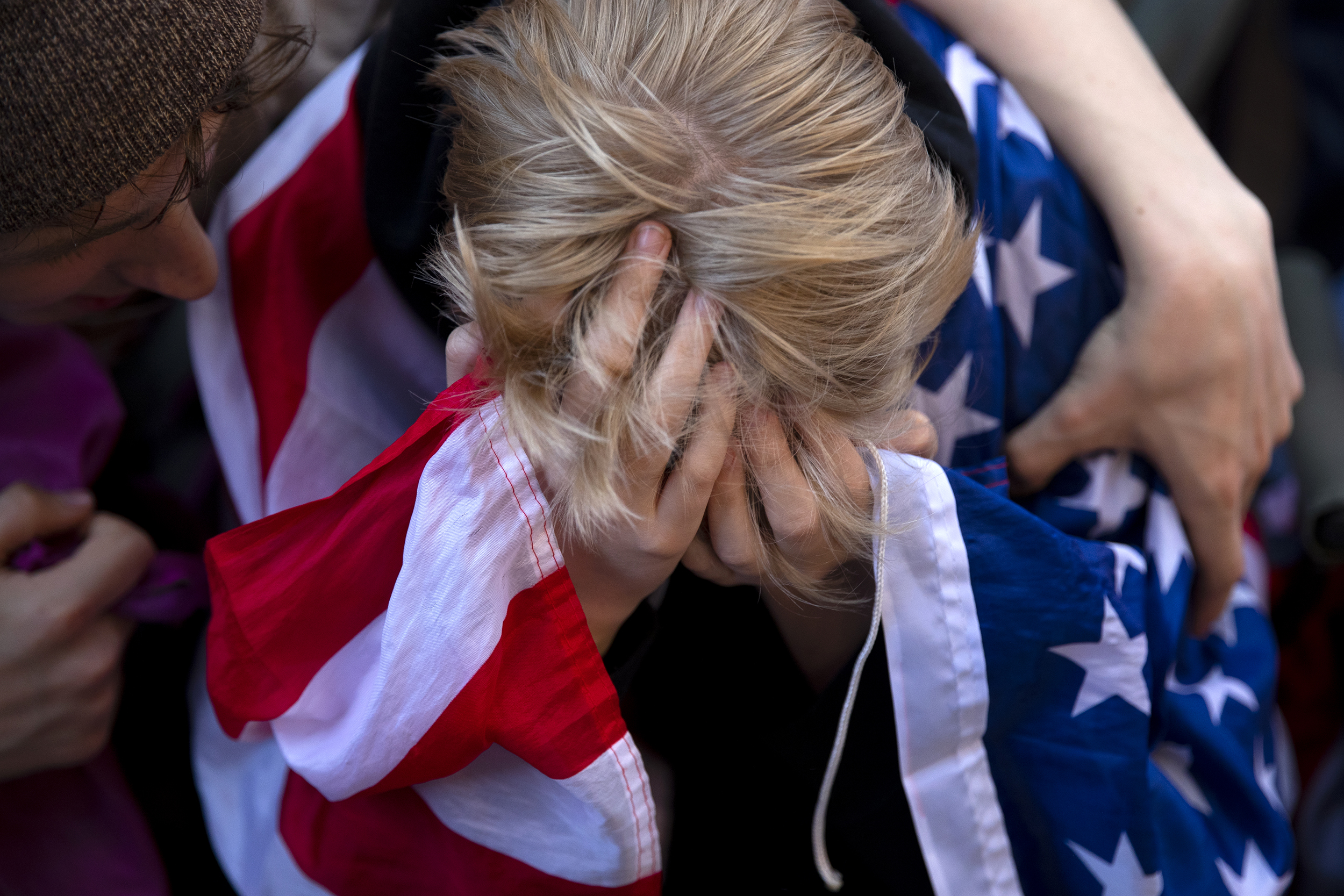
What was expected to be a celebration for American fans turned into a bitter disappointment. On Monday evening, the U.S. men’s national soccer team suffered a crushing 4–1 defeat by Belgium, ending their participation in the World Cup. What began as a day of loud patriotic cheering in Seattle turned into 90 minutes of listless play from the Americans. Belgium quickly opened the scoring, the U.S. equalized, but in the second half the Europeans netted two more decisive goals. The loss became the worst for the U.S. team at the tournament, and their hopes fizzled out like an under-burned firecracker on Independence Day. “We did everything we could, but getting eliminated like that was really painful,” said Justin Harris, who flew in from Los Angeles for the match. He said he could have accepted losing by one or two goals, but such a rout was too hard to take.
According to Harris, after Belgium’s fourth goal, the fans’ energy drained from the stadium in the final minutes of the match. Now he will cheer for anyone—just not Belgium. Politics also played a role. U.S. striker Folarin Balogun received a red card in the match against Bosnia and Herzegovina, which meant he was suspended for the decisive game. However, the decision was overturned after President Donald Trump said he personally asked FIFA President Gianni Infantino to review the punishment. As reported by KUOW, many fans did not approve of the president’s involvement in sports matters. Seattle resident Lisa Harkness said the team already had plenty of positive energy, and that this move seems like a step back. In her view, even if Trump’s call brought a key player back onto the field, it wasn’t worth it: “We have a good team even without that.” Another fan, Chet Harley, who came to the match wearing aviator glasses and a wig with long blond hair, said he found it difficult to make sense of the complicated political situation: how to support his team but also want the country to be better. Many, however, were glad that Balogun was able to play. Thomas Barnum, who traveled from Orange County, California, said that a friend woke him up with the news, shaking him by the shoulders: “Bro, Balogun plays—he’s back, baby!” For the match, Barnum and his friends painted their torsos with number 20—the number of Balogun. But even the return of the forward could not save Team USA from the rout. Now American fans will have to wait for the next World Cup, which will take place in four years.
Seattle’s socialist mayor remains silent amid protests over a “human dumping ground” during the World Cup
Seattle Mayor Katie Wilson, known for her left-wing views and support for socialist ideas, found herself at the center of a scandal during the World Cup being held in the city. Local residents of Chinese and Vietnamese origin took to the streets in protest, accusing the mayor of turning their neighborhood, Chinatown, into a “human dumping ground”—a place where homeless people and drug users are dumped, forgetting about law-abiding taxpayers. Despite the fact that Seattle hosts some of the most spectacular matches of the tournament, including the U.S. game against Belgium, shop and restaurant owners in Chinatown and around “Little Saigon” say the economic benefits of the World Cup are not reaching them. People are afraid to go out into the neighborhood due to high crime levels and open drug dealing, which has led to a sharp drop in customer traffic. According to Fox News, one of the protest organizers, activist Gary Lee, said: “Wilson claims she protects the interests of communities of color, but in reality she turned Chinatown into a human dumping ground—and we’ve had enough.” He added that the waterfront and Pioneer Square are packed with spectators, while in Chinatown it’s like a “ghost town.”
Former city council member Tanya Wu, who supports local business, said sales in the neighborhood have fallen by 10–20% compared with last year. “Although thousands of FIFA fans come to Seattle, our area has turned into a taxi transfer point—not a place where people want to eat and shop,” she wrote on social media. In response to the criticism, Wilson’s office released a statement saying that “crime problems in Chinatown have not been addressed for far too long” and that the authorities continue to work with the community. However, Wilson herself declined to comment to Fox News. Notably, the protests are taking place amid broad criticism of the mayor’s socialist agenda—she has previously been attacked for cutting police funding and failing to deal with street crime. The incident once again raises the question of how effective a left-wing agenda is at solving local problems, especially when it comes to safety and economic development in ethnic neighborhoods. Seattle’s Chinatown is not just a historic place, but an important cultural hub—and the fact that it is overlooked during such a major event as the World Cup points to serious gaps in city governance.