
When I was 12, a loved one told me for the first time that they didn’t want to live. I was stunned with fear and helplessness, realizing how long they had been hiding their pain. That moment stayed with me as a quiet question: how many more people carry an invisible burden and don’t know where to turn?
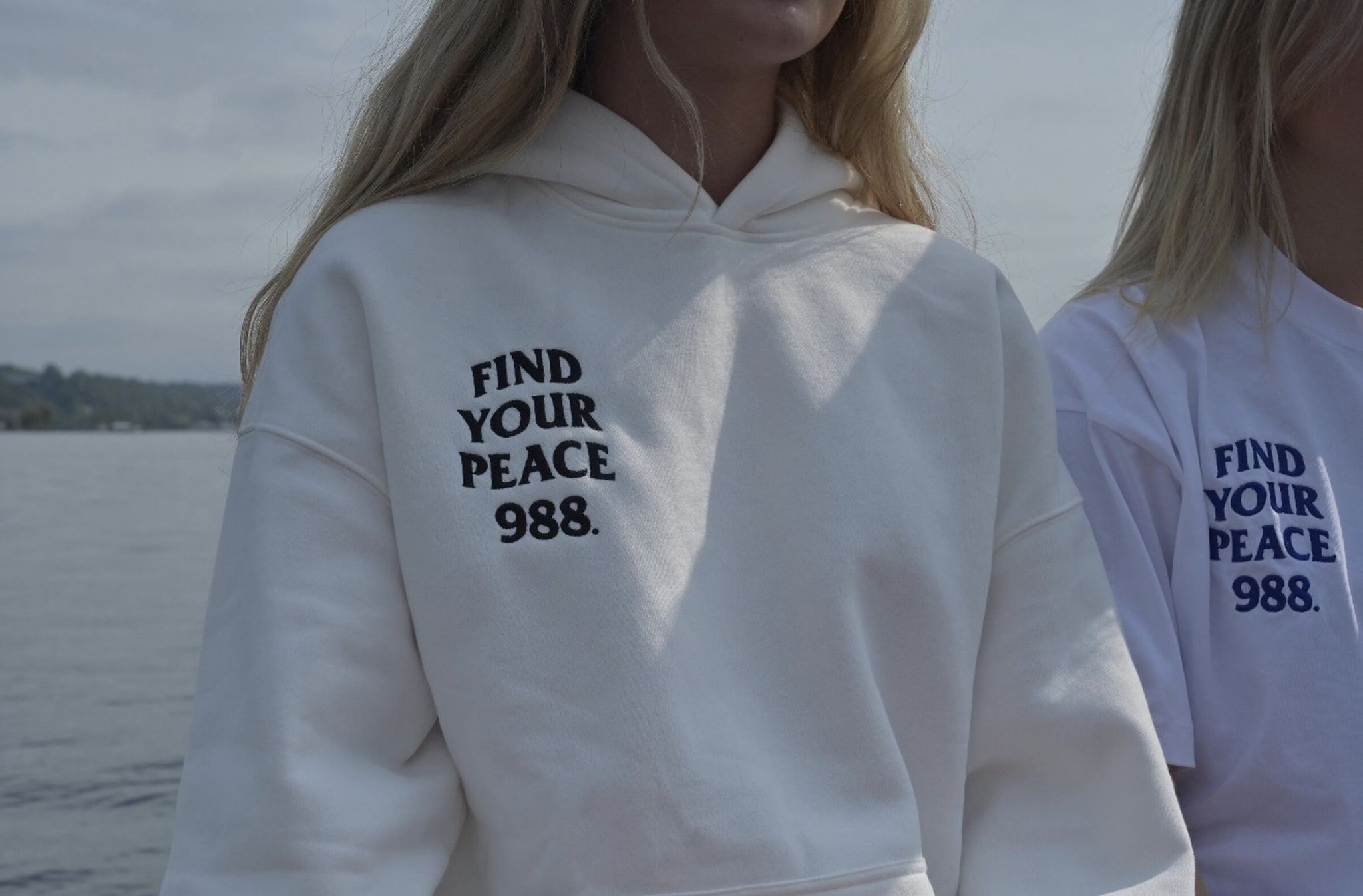
In high school, my friends and I decided not just to ask, but to act. We tied our idea to a single three-digit number — 988. This nationwide, round-the-clock, free line lets a person connect with a trained counselor who assesses risk, helps de-escalate, and, if necessary, dispatches a mobile crisis team or coordinates hospitalization. Its key difference from typical services like 911 is that 988 was created specifically for mental health crises. In Washington state it’s also integrated with local support centers. That’s how the clothing brand “988 Find Your Peace” was born, aimed at making mental health visible, especially in places where it’s not commonly discussed.
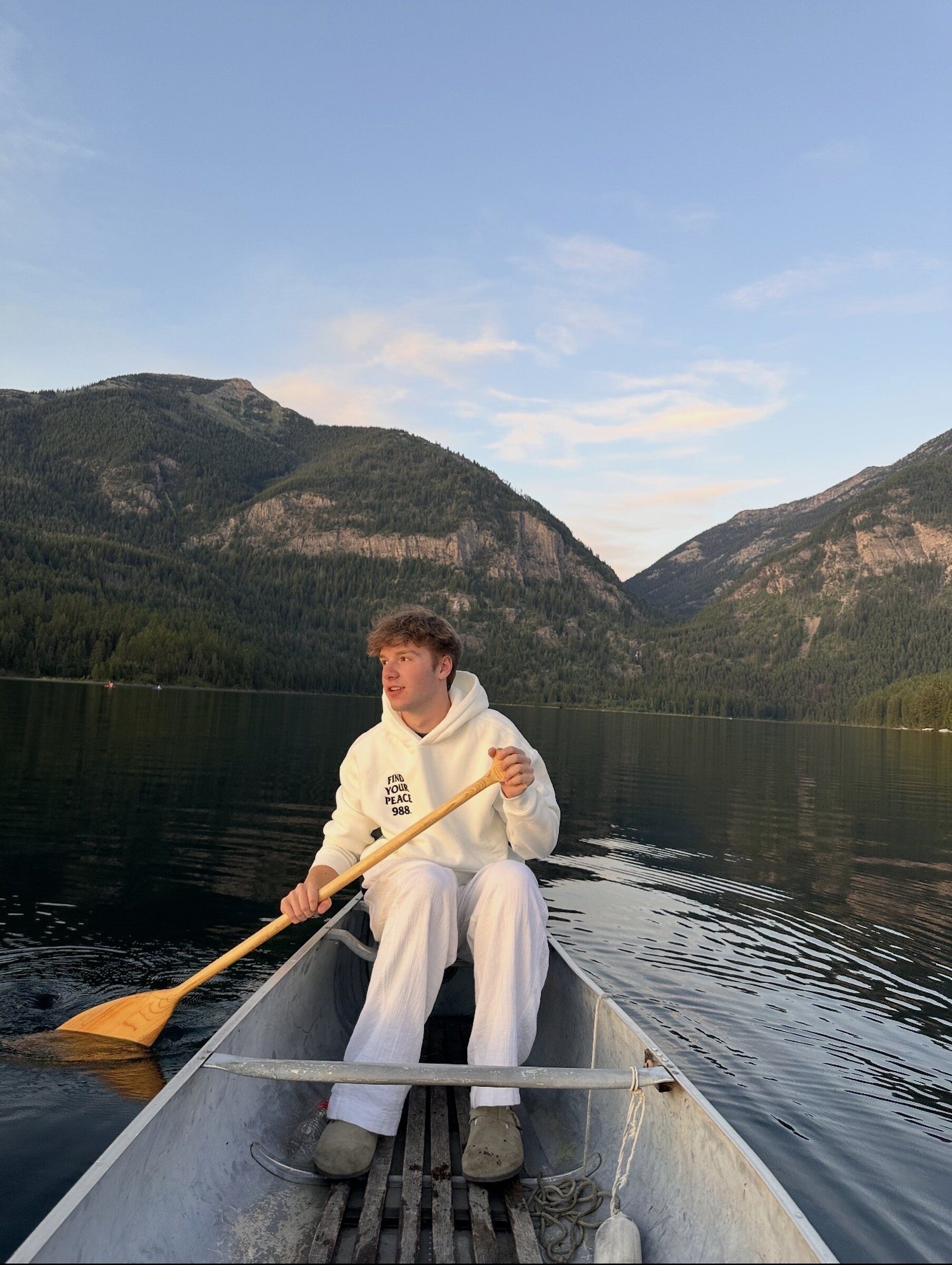
We chose clothing because it travels: down hallways, in locker rooms, on streets and in classrooms. Each item embroidered with “988” and the phrase “Find Your Peace” became less about fashion and more about a reminder that this number can save a life. The design was simple and clean, but carried a powerful meaning.
Mental health doesn’t choose. It affects families, friends, athletes, parents and students. More than 1 in 5 adults in the U.S. live with a mental illness, and among youth aged 12 to 17 nearly 14% have experienced at least one major depressive episode. Seattle and state schools run prevention programs like Sources of Strength, teacher training in the Question, Persuade, Refer protocol, and mandatory annual student depression screening. Since 2023 a pilot program, Care Solace, has helped families find mental health providers faster.
In Washington state an average of 2.6 young people ages 10 to 24 die by suicide each week. This is not just a statistic — these are our loved ones, classmates and neighbors. The state’s support system is decentralized: administration is handled by the Department of Social and Health Services through regional behavioral health administrations, and funding comes through Medicaid and grants. Key organizations include Compass Health, Lifeways, and youth centers Youth Eastside Services and Ryther. These figures underscore how important openness and support are.
When I began talking about the crisis in my family, people responded in kind. They shared stories about brothers, sisters and their own nightly battles with anxiety. One honest story can open dozens of others, changing the culture of silence around mental health.
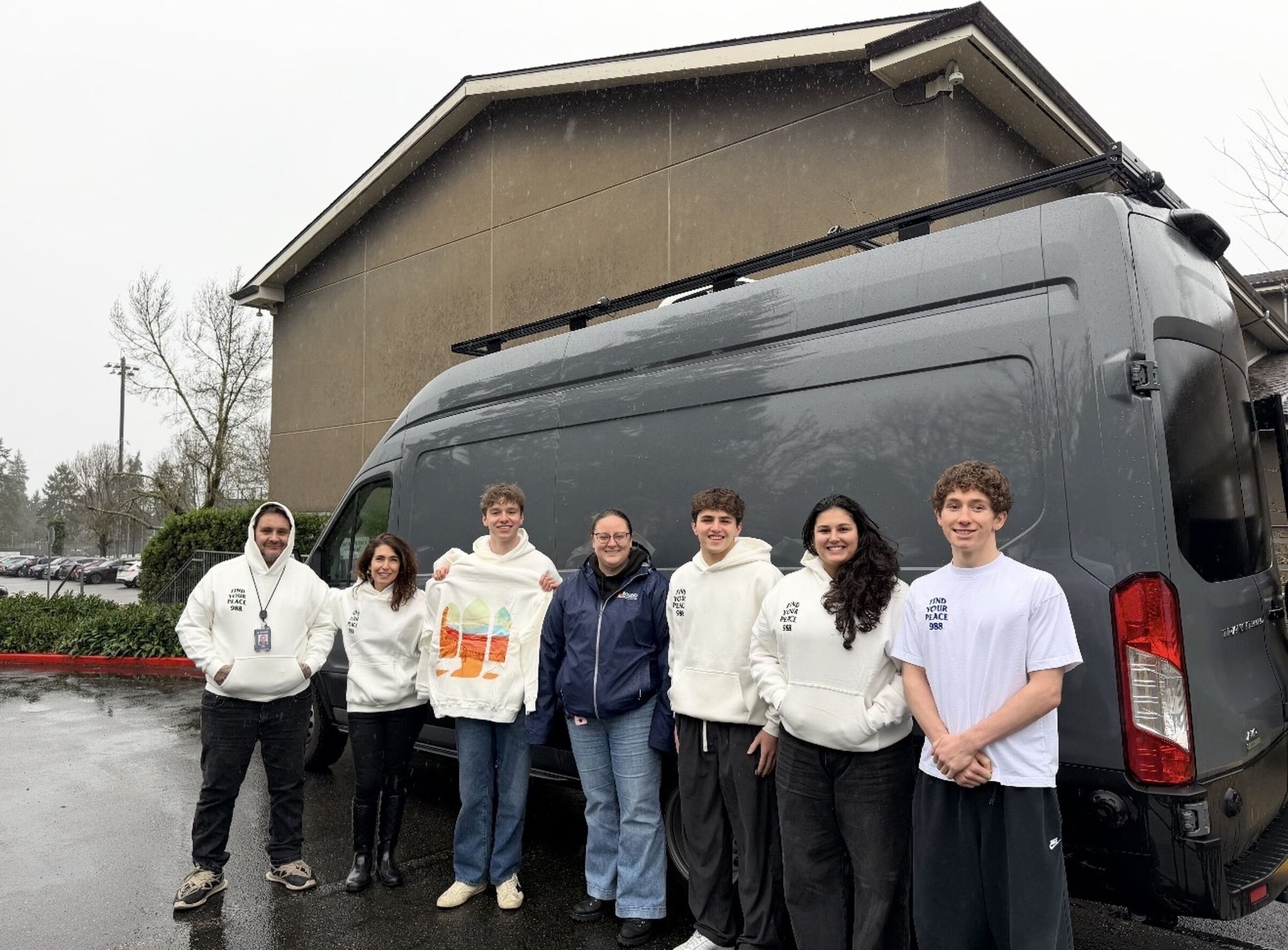
In mid-2025 we launched sales, and five months later we found a partner — Sound Behavioral Health (formerly Sound Mental Health). It is one of the largest nonprofit organizations in the state, providing community-based psychiatric services through a network of clinics in Seattle and the surrounding suburbs. They offer individual therapy, medication management, crisis services and rehabilitation programs. City governments and school districts chose them as a partner because of their years of experience working with youth and low-income populations, and their successful implementation of innovations like mobile crisis teams. Every purchase in our shop supports their work: therapy, crisis interventions and addiction treatment.
Since launch we’ve sold hundreds of items and donated thousands of dollars to Sound. In addition, we’re working with the school district on a long-term awareness campaign: student videos and resources will be shown to thousands of students for years so no one is left alone.
Hope isn’t loud. It’s quiet and persistent — like a text someone sends in desperation, or the number 988 spoken softly but surely. Buying a hoodie or simply sharing this story helps others realize: they are not alone in their search for peace. Sometimes saving a life isn’t a miracle, but a number, a conversation or a message on a piece of clothing.
Based on: Starting a clothing brand turned pain into purpose