
Cannon Beach, a resort town on the Oregon coast, has launched a two-year Lease to Locals program. Owners of seasonal homes can receive up to $16,000 for converting their properties into long-term rentals for people who work in the town. In a place where thousands of windows stay dark for much of the year, the program is an attempt to return housing to the people who keep its hotels, restaurants, shops and tourism industry running.
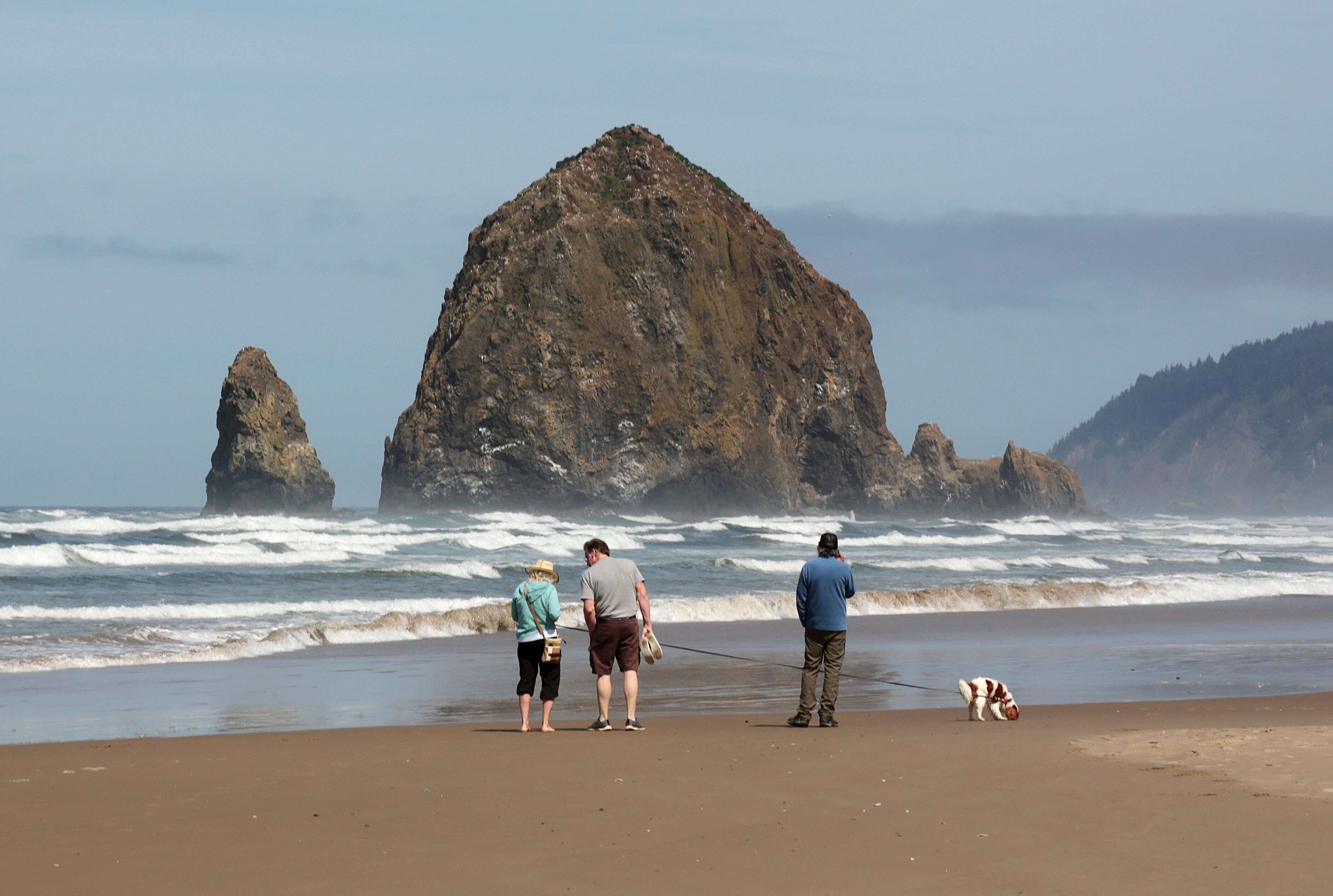
From the outside, Cannon Beach looks almost like a postcard: the ocean, Haystack Rock, wooden houses among the pines, and summer families with dogs strolling along a long sandy shore. But the postcard has a familiar downside, one shared by many resort towns: the people who make vacations possible increasingly can’t afford to live near their jobs. They have to look for a room outside town, move farther down the coast or turn down a job altogether.
In June 2025, Cannon Beach Mayor Barb Knop told Oregon lawmakers that more than 1,500 of the town’s roughly 2,200 housing units are considered vacant for seasonal use. That’s more than two-thirds of all housing. New construction is constrained both by the natural landscape and by the town’s small footprint, so officials decided to look for housing not on future building sites but in existing homes that are rarely used.
The program is designed to make a financial case to second-home owners. Owners receive $4,000 for each eligible tenant, up to a maximum of $16,000 for four people. In exchange, they must sign a lease of at least 12 months. The home must not have had year-round residents during the previous 12 months: the program is intended not to subsidize existing rentals, but to create new options for local workers.
The eligibility rules are narrow enough to keep the money from becoming simply a bonus for property owners. At least half of the adult residents must work at least 30 hours a week for an employer located in Cannon Beach. The average income of adults in the household cannot exceed 150 percent of the regional median income. Owners may not rent to relatives, and monthly rent is capped at $3,000. Rooms in owner-occupied homes, mobile homes and units in large apartment complexes are not eligible.
The money is not handed over in a single check on the day the lease is signed, either. The payment is split into two parts: the owner receives the first at the start of the tenancy and the second after it ends. Compliance checks are scheduled midway through the lease and at the end. This bureaucratic caution reflects the main risk of initiatives like this: the town is paying not for a promise to make housing available, but for a year-long lease that is actually lived in.
The idea did not come out of nowhere. In 2025, the City Council backed plans to participate in a regional pilot project for Clatsop County, and the model had already been used in other expensive tourist communities, including Truckee, California; Ketchum, Idaho; and towns in Massachusetts on Cape Cod and the islands. In Cannon Beach, the program is a response to an obvious imbalance: short-term rentals and seasonal ownership give property owners flexibility and often higher returns, while a long-term lease offers the town something more modest—a more stable everyday life.
Portland launched a similar, but much smaller, experiment in February 2026: homeowners were initially promised $1,000 to rent out a spare room through approved intermediaries. The program was promoted by Mayor Keith Wilson, who called shared housing a quick way to open up new rooms to renters. The first few months showed how difficult it can be to persuade people to let a stranger into their home: the program received just five applications in four months. In July, the city raised the payment to $1,500 for the first room and $750 for each additional one.
Cannon Beach is betting on a different scale and a different kind of property—not a room in the owner’s home, but an entire house that might otherwise sit empty until the next vacation. The program’s success will be measured not by the size of the checks, but by whether a server, school employee, housekeeper or shop clerk can stay in town after the tourist season ends. If that happens, the resort landscape will change almost imperceptibly: in homes built for a few summer weeks, the lights will be on again in November.


Based on: Cannon Beach offers homeowners up to $16,000 cash to rent to locals