
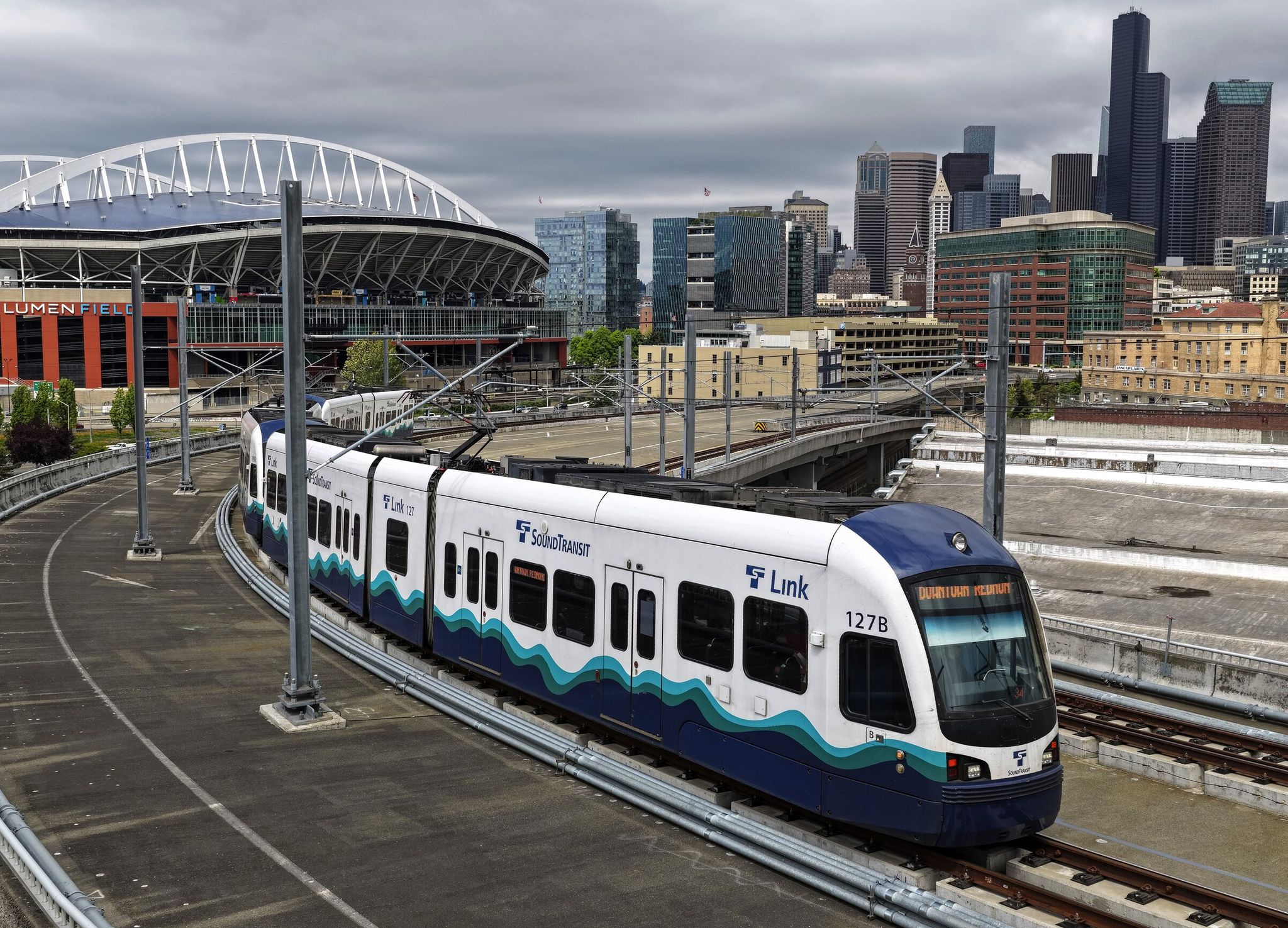
Seattle is preparing for an influx of hundreds of thousands of soccer fans during the 2026 FIFA Men's World Cup, which runs June 15 to July 6. Six matches will be held at Lumen Field, which will be temporarily renamed Seattle Stadium for the tournament. The stadium’s uniqueness is that it is located right in the heart of the city, which makes it easier for fans to get there but places a huge strain on the transportation system in a small area.
Sound Transit, the transit agency, has been preparing for this event for more than a year, according to spokesman Henry Bendon, a marked contrast to the Seattle Seahawks parade in 2014, when notice came only days before. That day more than 200,000 people used the system — a city record. “We know how to handle heavy loads,” Bendon said. “We’re ready for anything.”
Sound Transit’s key strategy is to distribute passengers across three light rail stations: Pioneer Square, Stadium and International District/Chinatown. The Stadium station, which opened in 2006, got its name from its geographic location next to the stadium complex, and Sound Transit does not rename stations every time a corporate sponsor changes. Renaming is expensive, requiring replacement of road signs, maps and updates to navigation systems, and the name “Stadium” remains clear and consistent. That distribution of passenger flow helps avoid overcrowded platforms and concourses. The agency has also worked through every detail, including a plan for the web team in case the site experiences outages from high traffic. The trickiest challenge remains handling the postgame flow when thousands of people try to leave the stadium at once.
For rider convenience, Sound Transit is offering a special three-day unlimited pass for $18, which can be purchased via ORCA card online or at station vending machines. ORCA (“One Regional Card for All”) is a contactless smart card that works on a tap-and-go basis. After adding value at vending machines, online or in the app, a rider taps the card on a validator when boarding a train or bus, and tapping again when exiting rail registers the end of the trip. The card automatically calculates transfer discounts between different modes of transit within two hours and also has daily and monthly caps: once the cost of trips reaches the value of a pass, further trips are free. ORCA is integrated with eight regional transit agencies, including Sound Transit, King County Metro, Community Transit and others. Regular riders are advised to continue using standard cards, since the three-day pass price was calculated based on the average cost of several trips per day. Enhanced safety measures will help regulate movement and maintain order in crowds.
Elvis Simiyu, a regular rail rider and volunteer ambassador for King County Metro, helps visitors navigate the stations. “The light rail has never let me down,” he smiles. “The World Cup will give people wonderful experiences. It’s a great chance to experience new cultures and diversity.” Despite the extensive preparations, residents hope transit will operate as usual — without breakdowns or delays.
Based on: How light rail is preparing for the World Cup crowds