
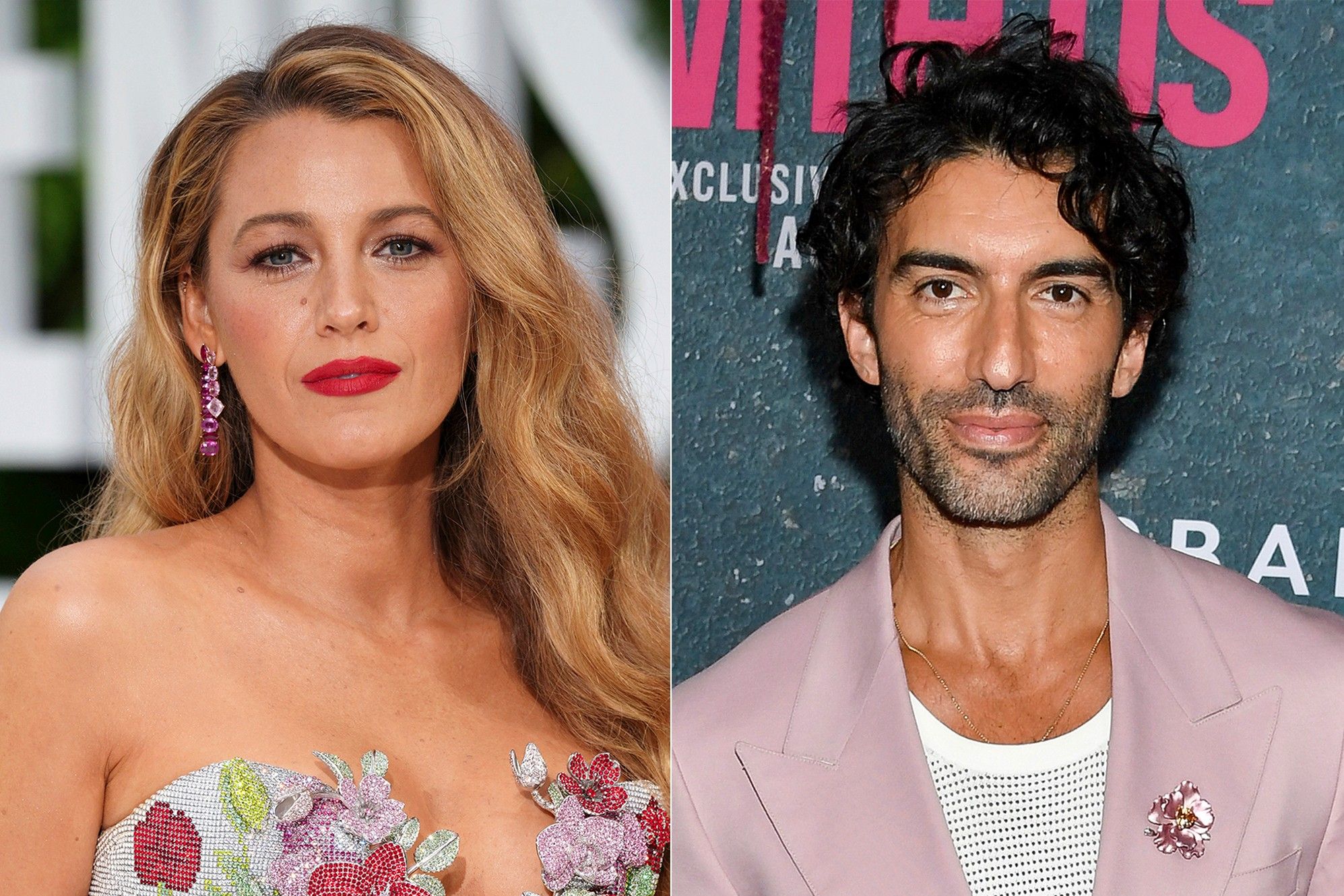
Federal Judge Lewis Liman awarded actress Blake Lively $407,000 to cover legal fees and related expenses in her legal dispute with Justin Baldoni, which arose after the production of the 2024 film It Ends with Us. The amount was significantly less than the $8 million her attorneys had requested.
Lively sought reimbursement for the costs of defending against a defamation lawsuit filed by Baldoni and others associated with him. Although the parties settled their broader dispute in May without any payment to the actress, the agreement preserved her right to seek reimbursement for expenses related to the already-dismissed defamation case.
The case was heard in federal court because there may have been grounds related to the parties’ differing citizenship and the amount in controversy. Federal courts also hear disputes based on federal law and, in some cases, apply state law — in this instance, California law in particular. Most defamation cases and employment disputes are usually handled by state courts, but a case initially filed in state court may be moved to the federal level when appropriate legal grounds exist.
In her original lawsuit, Lively alleged that Baldoni, her co-star and the film’s director, sexually harassed her while they were working on the movie. She said that afterward, an online pressure campaign was organized against her to damage her reputation. Baldoni denied the allegations and said Lively had mischaracterized innocent workplace interactions.
Crisis public relations firms were involved in the dispute, helping the parties shape public perceptions of events, prepare statements for journalists and promote versions favorable to their clients through social media. The judge, however, separated the costs of that work from the expenses of legal defense. Anti-SLAPP laws generally allow reimbursement of reasonable litigation costs — including attorneys’ fees, court costs and expert services — but not expenses related to influencing public opinion. PR expenses could have been included in the award only if they were shown to be directly necessary for the legal defense.
The judge limited the award to expenses related to defending against the defamation lawsuit and associated legal work. He rejected several claims, including charges for time spent dealing with the media. As a result, the award did not include costs that could have substantially increased the final amount.
Lively’s attorneys said that money had never been her objective. According to them, the actress wanted to draw attention to the mechanisms behind online retaliation campaigns and show others facing similar pressure that they could seek accountability. Baldoni’s lead attorney, by contrast, called the original request excessive and described the court’s decision as a significant victory for his clients.
The dispute became one of Hollywood’s most prominent legal battles over the boundaries of publicity and the influence of social media. The judge had previously dismissed Lively’s sexual-harassment claims on procedural grounds but allowed several claims against corporate defendants to proceed.
In awarding the costs, the court applied an amendment to California’s anti-SLAPP law adopted in 2023. These laws are intended to prevent lawsuits from being used to suppress public statements on matters of public concern. They allow defendants to seek the expedited dismissal of defamation claims and reimbursement of legal costs when a case involves public statements about sexual assault or harassment.
Similar anti-SLAPP laws are in effect in other U.S. states, but their scope, procedures and level of protection vary. There is no single nationwide standard: in some states, these laws are broader, while in others they are weaker or nonexistent. In Lively’s case, the law allowed her to recover legal-defense costs but did not provide for damages or punitive payments.
Based on: Blake Lively, who sought $8 million for legal costs, is awarded $400,000