
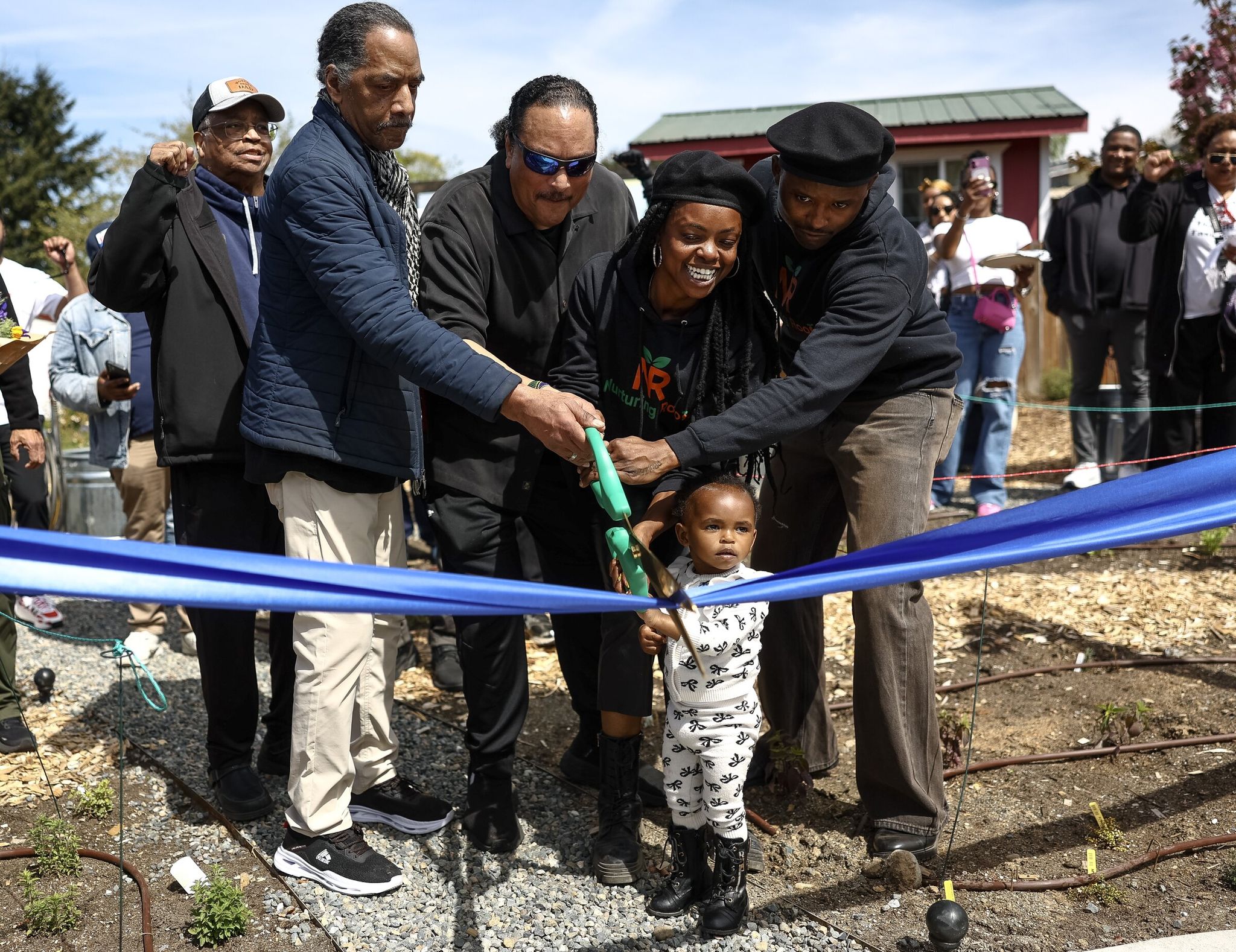
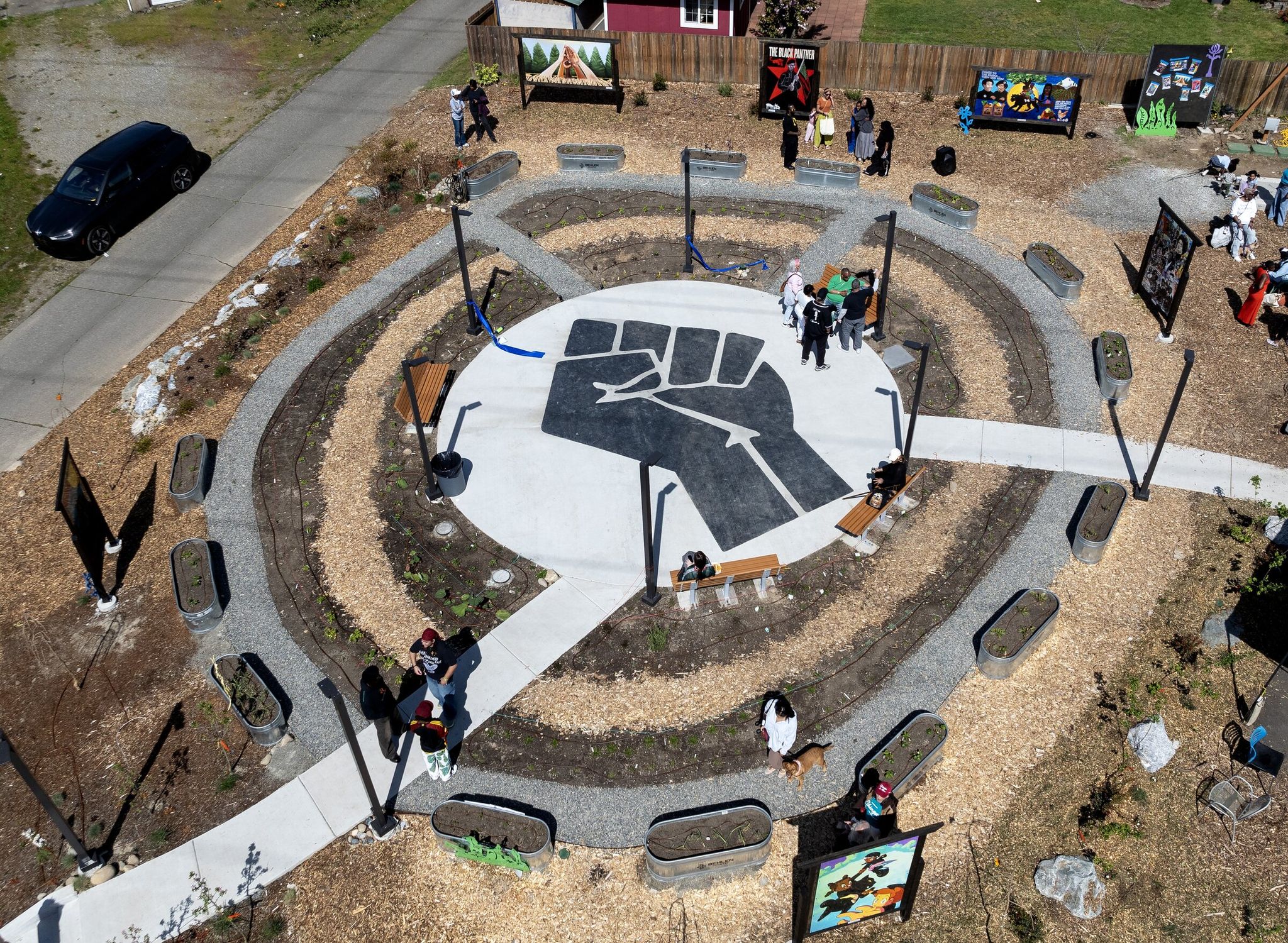
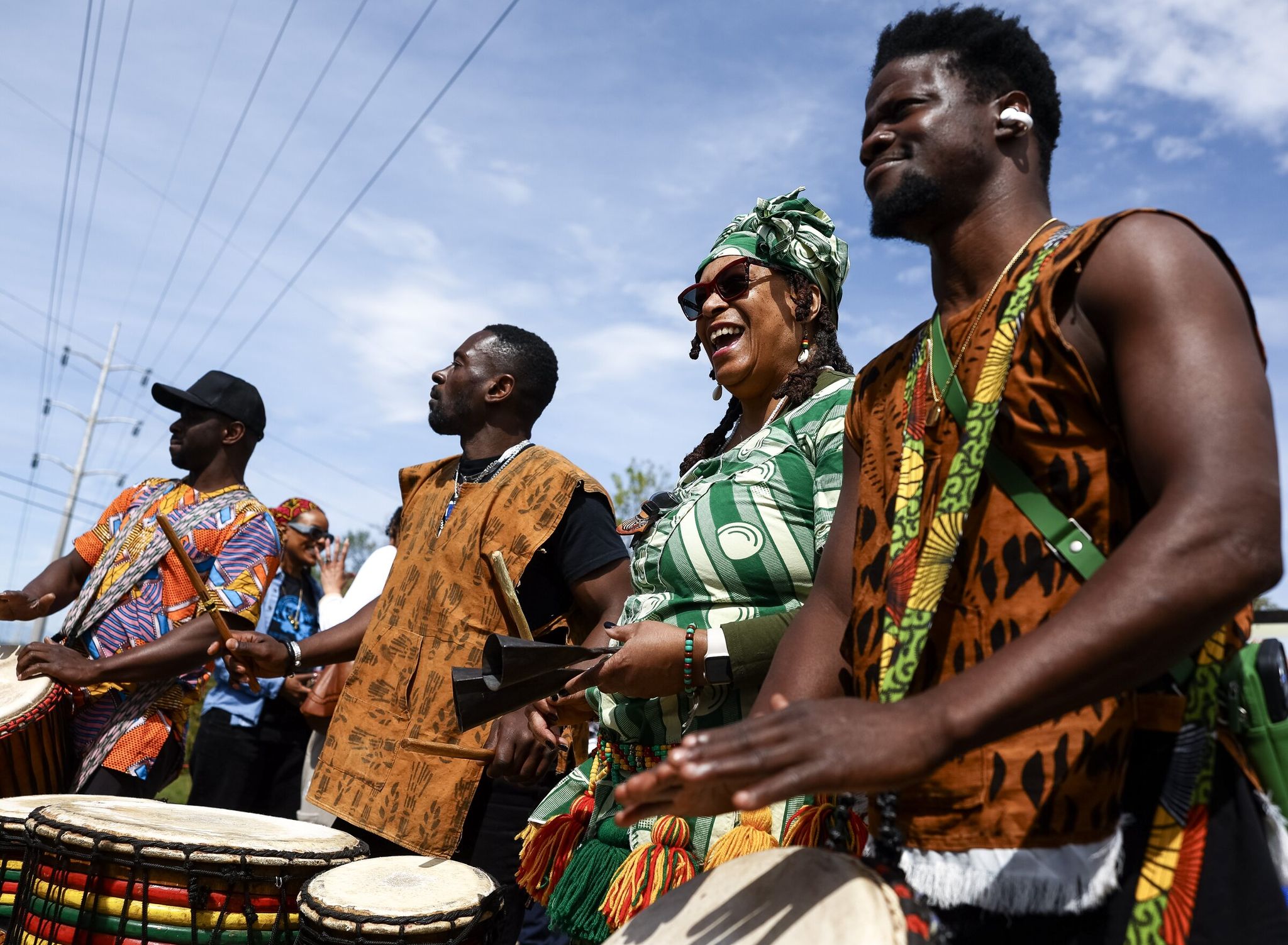
On Sunday in the Skyway neighborhood, an unincorporated area of King County southeast of Seattle, a park honoring the legacy of the local chapter of the Black Panther Party officially opened. The neighborhood has historically offered affordable housing but has faced limited access to municipal services and investment, reflecting regional inequality across the greater Seattle area. The project took nearly a decade to complete and, organizers and former party members say, is a long-overdue recognition of their contribution to the city’s history. Dozens gathered at the intersection to honor the chapter founded in 1968.
The roughly $560,000 project resulted from a partnership between the nonprofit Nurturing Roots, the King County Parks Department and the Stone Soup Gardens community. In addition to campaigning for food and environmental justice, Nurturing Roots focuses on community education and empowerment through gardening programs, youth initiatives and tenant advocacy, aiming to build a sustainable, self-determining community. Much of the work, including concrete work, was performed by a local Black-owned company, and volunteers helped with landscaping.
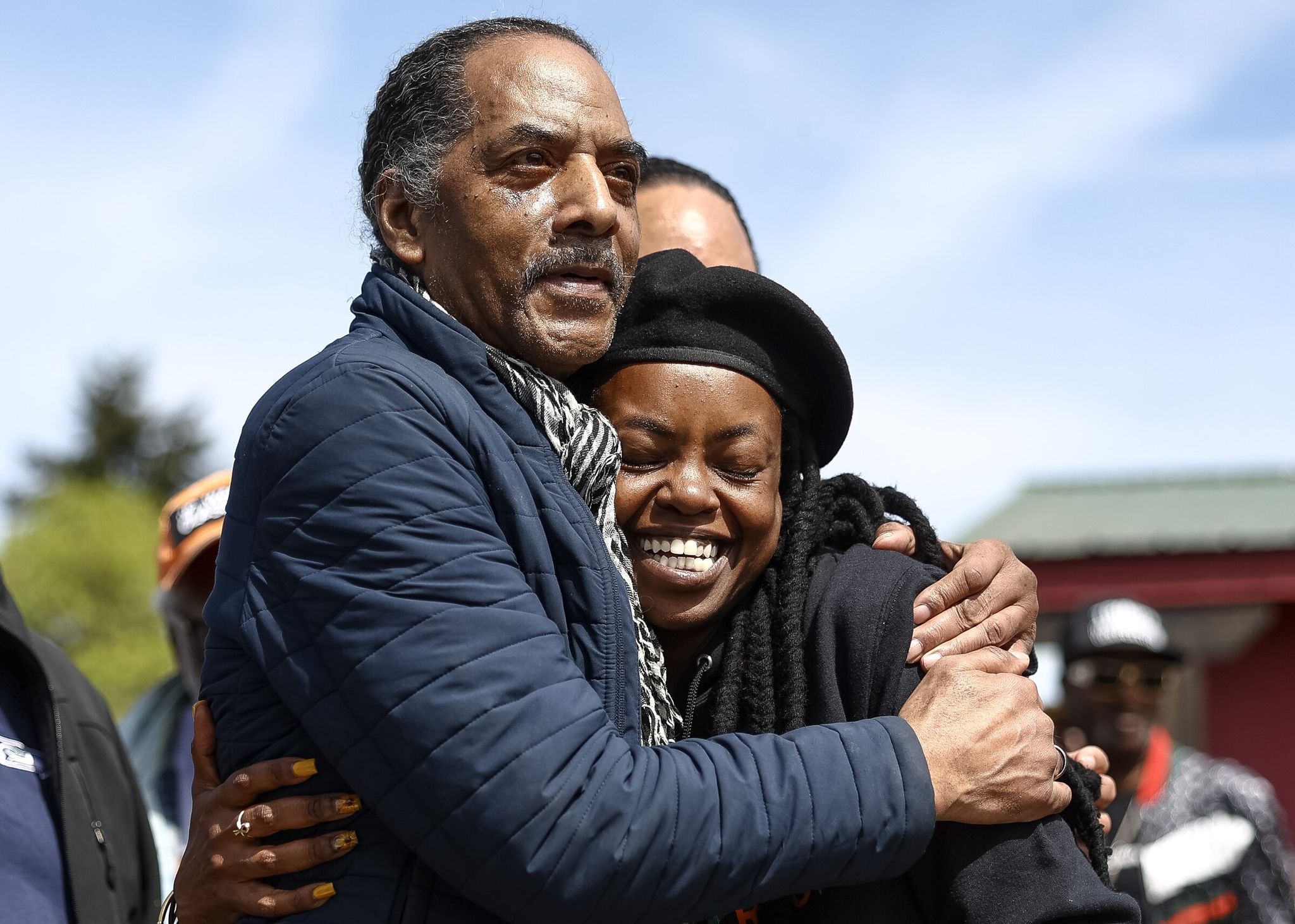
Elmer Dixon, who founded the Seattle chapter of the Black Panther Party with his brother Aaron, attended the ceremony. Sitting by a mural depicting the brothers, he spoke about feeling acknowledged and expressed hope that the park will inspire new generations to continue fighting oppression. Modeled after the original Oakland party, the Seattle chapter became the first official chapter outside California.
The Black Panthers were founded by Huey Newton and Bobby Seale in 1966 to oppose police violence against Black people, patrolling the streets armed and with law manuals in hand. But their activity went beyond that. Across the country, party chapters implemented “survival programs” that filled gaps in social services.
In Seattle, for example, Panthers in the late 1960s and early 1970s served free breakfasts to hundreds of schoolchildren and founded a free medical clinic that is now known as the Carolyn Downs Medical Center. Founded in 1968, the center remains an important symbol of self-organization and the Panthers’ legacy, providing affordable care and reminding the community of the struggle for racial and social justice in health care. Despite that work, the party’s public image was heavily distorted. Former FBI director J. Edgar Hoover called it “the greatest threat to internal security,” and the local newspaper The Seattle Times in 1968 described it as a “militant extremist organization.”
In an interview, Elmer Dixon compared that smear campaign to what he views as former President Donald Trump’s demonization of his opponents. He called the park’s opening “a vindication of our truth” after decades of history being misrepresented. “We’ve gotten used to what was said about us and what people tried to put into textbooks,” he said.
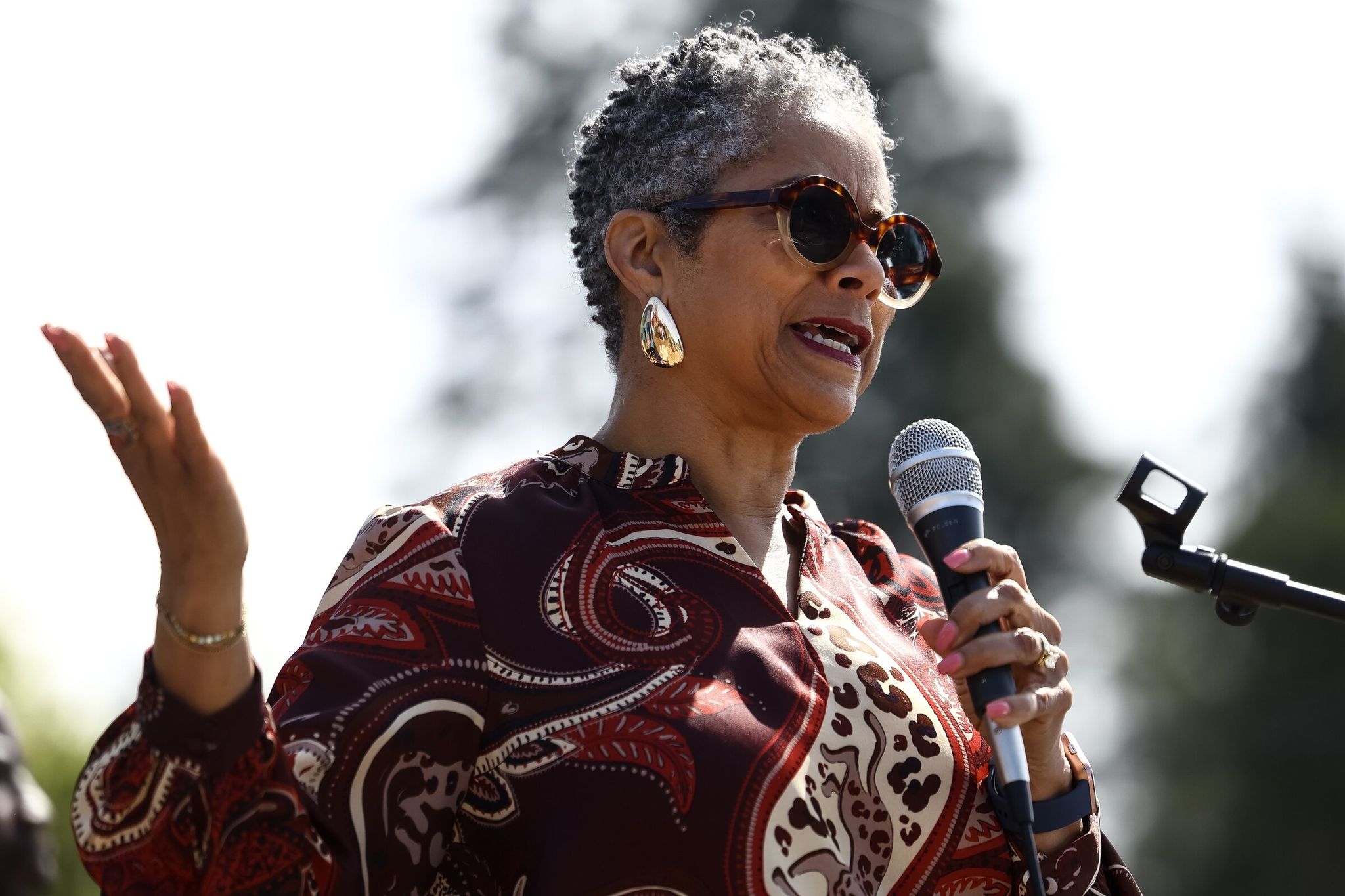
At the ceremony, Nurturing Roots founder Nyema Clark spoke with tears, saying she had dreamed of becoming a Black Panther when she was young. Her admiration for the movement inspired the work on the park. Elmer Dixon even bestowed upon her the honorary title “Panther Cub.” Clark emphasized she wanted to create something foundational that her children and generations to come could see after them.
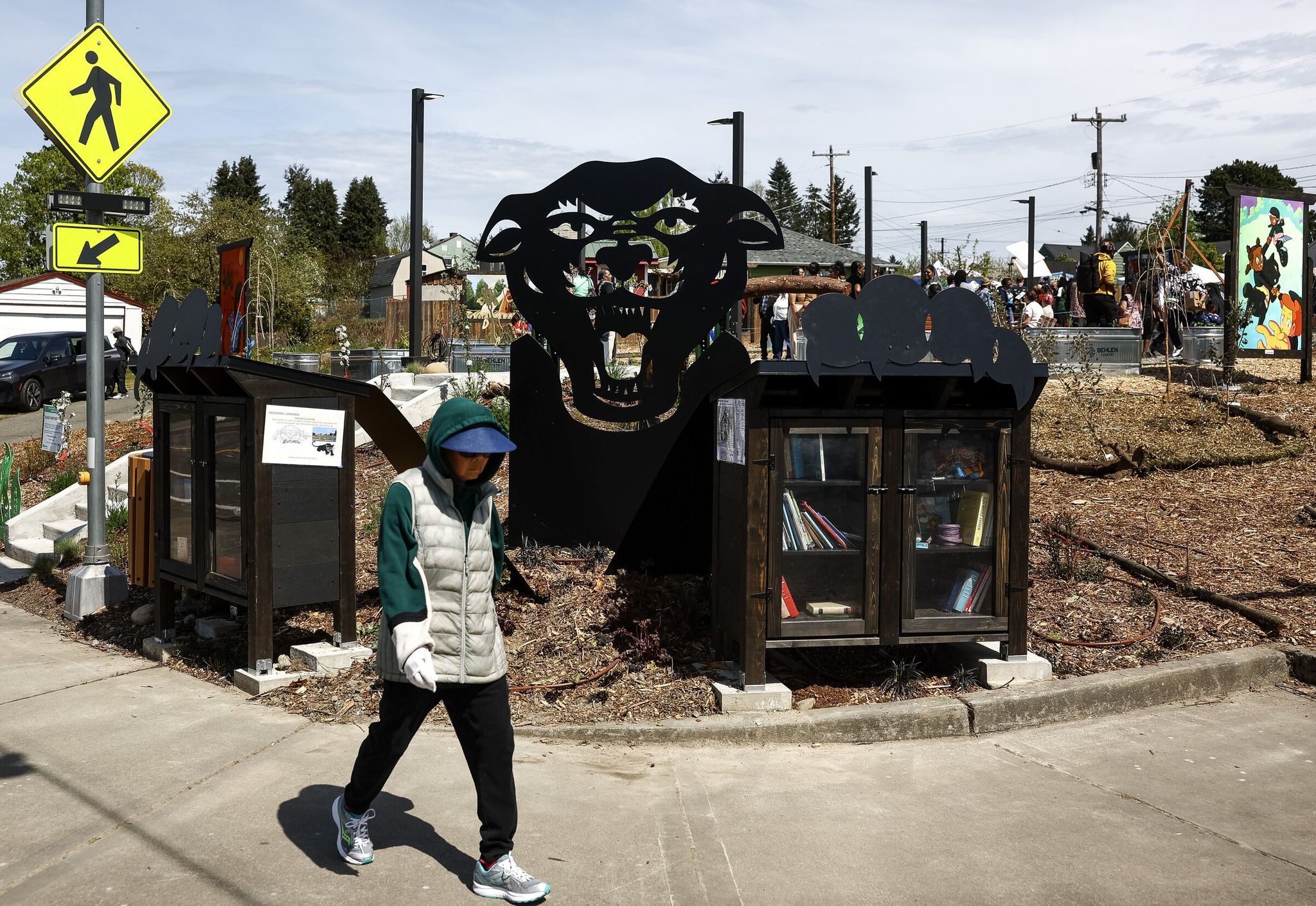
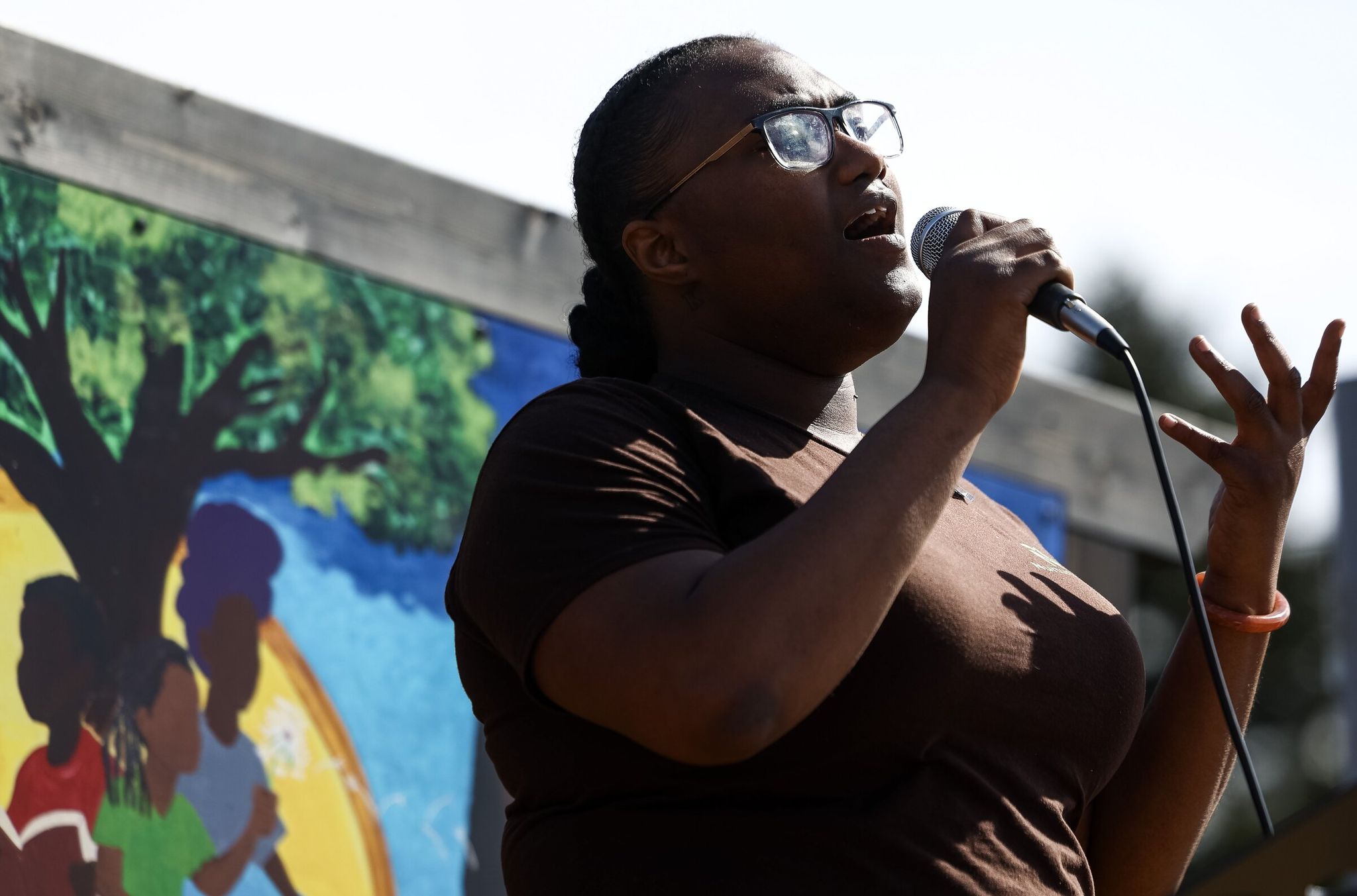
Black Panther Park is not only a memorial but also a community resource. At the entrance visitors are greeted by a metal panther sculpture, a little free library and a free food pantry. Gardens and murals representing the strength of the Black community are on site. It is one of several projects preserving the party’s legacy in Seattle, and in June an educational center is planned to open in the historic Pioneer Square neighborhood — a mid-20th-century hub of Black business and culture. Locating it there underscores the historical connection, helps restore cultural memory in a neighborhood affected by gentrification, and makes the party’s legacy visible in the heart of the city.
Based on: Black Panther Park honors Seattle chapter’s struggle and legacy