
34-year-old Felicia White, a T-Mobile customer from New York, doesn’t go to bed late on Monday nights so she can be the first to see new offers from her wireless carrier. She admits she sits in the app at midnight before T-Mobile Tuesdays launches to snag branded giveaways — she’s already collected a flashlight, a hat and gloves. In the spring White went to Grand Central Station to decorate a Lands' End bag at a national parks–themed event organized by T-Mobile.
That loyalty program is just one manifestation of the second-largest U.S. carrier’s unique marketing strategy. Unlike competitors Verizon and AT&T, which emphasize the technical details of their networks, T-Mobile has built a reputation as a lifestyle brand, creating an army of enthusiastic and devoted fans. That approach has helped the company consistently attract new subscribers in a fiercely competitive market.
T-Mobile Tuesdays, available to all customers without the need to accrue status or points, marks its tenth anniversary this month. For the milestone the carrier is preparing a major update with new partnerships and perks in the T-Life app. For the first time customers will be able to get free beverages on Delta flights, attend a T-Pain concert in New York and fill up at Shell for $1.99 a gallon — about what gas cost when the program launched ten years ago.
T-Mobile’s tactics trace back to former CEO John Legere’s strategy, who called the company an “anti-carrier” and replaced corporate style with a rebellious magenta aesthetic. “We wanted to turn the industry from a boring utility into a pleasant relationship with a company,” explains Chief Marketing Officer Allan Samson. “So contacts would be more frequent than once every two to three years when you need a new phone, or once a year when they raise the rate.”
The program not only retains customers but also attracts brands that want to partner. About half of the weekly offers come from companies that ask to be included — often at no cost to T-Mobile. Samson says businesses understand: handing out free wings is worth it if a family will come into the restaurant and order two more entrees with drinks.
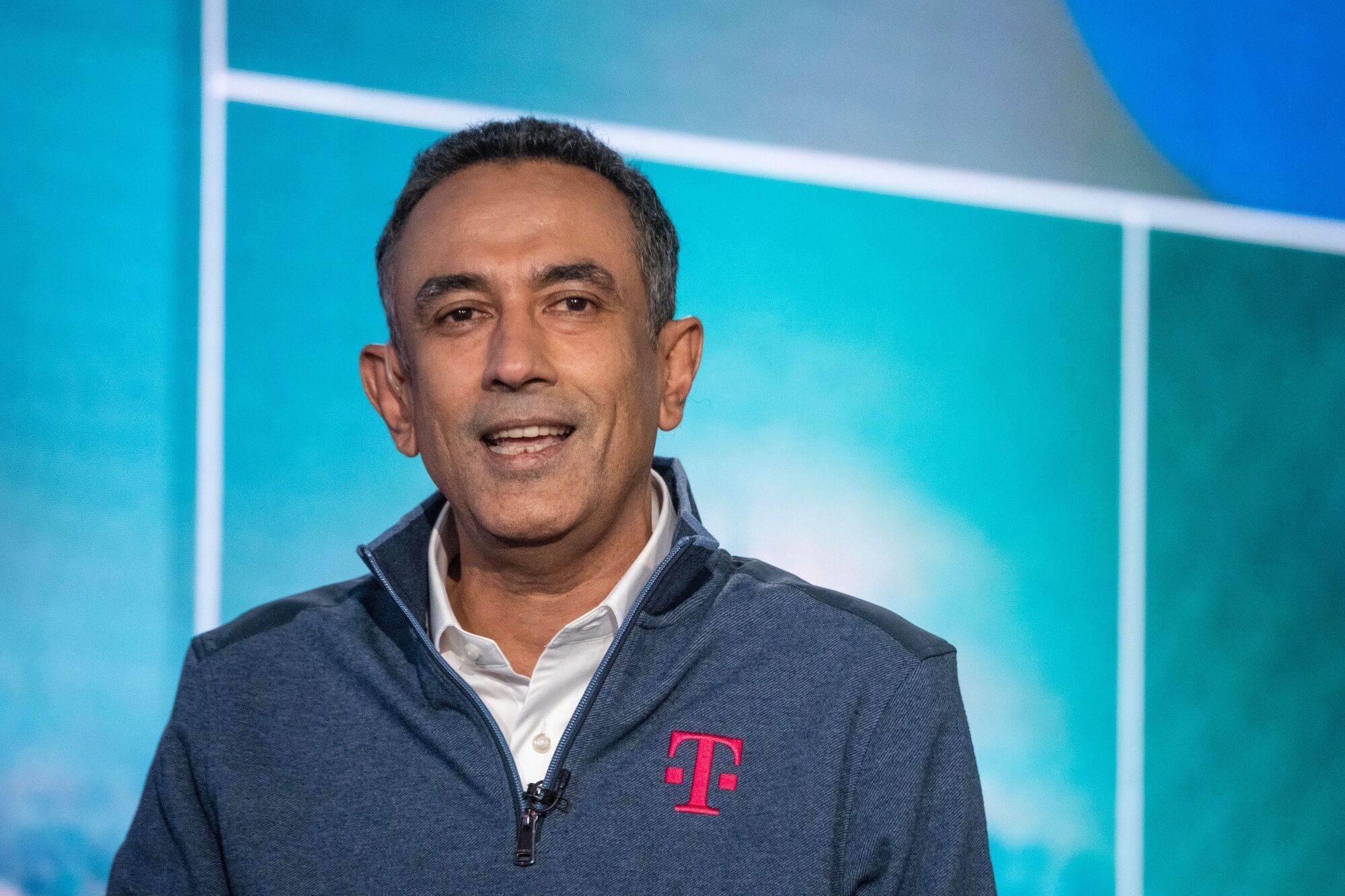
Employee enthusiasm is visible right at T-Mobile’s headquarters in Bellevue, a city on the east shore of Lake Washington that has become a standalone tech hub with lower taxes and lighter regulation compared with Seattle. The company chose Bellevue for affordable commercial real estate, proximity to qualified talent — many engineers live in the Eastside suburbs — and a more favorable business climate. That shows in a corporate culture employees describe as more pragmatic and less “startup-y” compared with companies in central Seattle. Unlike Amazon, based in Seattle and emphasizing innovation and aggressive expansion, T-Mobile in Bellevue focuses more on stability, operational efficiency and close integration with the local community. Employees wear custom Nike sneakers with magenta accents, gold and pink pins, and work on laptops with company stickers, and the atmosphere is described as more relaxed and friendly with less bureaucracy for operational decisions. T-Mobile invests less in “flashy” corporate perks such as campus restaurants or fitness centers common at Amazon in Seattle and Microsoft in Redmond, reflecting its focus on efficiency. New CEO Sunit Gopalan, who recently visited a contact center in Oregon, was received like a hero — more like a pep rally than a business meeting.
T-Mobile continues to innovate: it’s testing real-time translation of voice calls using AI and remains the only major carrier partnering with SpaceX’s Starlink satellite network. For Pacific Northwest residents this partnership is critical: the region includes extensive mountain ranges like the Cascades and Olympics and remote forest communities where traditional cellular coverage is often unavailable in valleys and national parks, such as Olympic National Park or areas of Eastern Washington. Starlink allows T-Mobile to fill “dead zones” with satellite connectivity, which is especially important for hikers, loggers, farmers and residents of remote towns where laying fiber is not economically feasible. That boosts not only connectivity but safety in emergencies — from finding missing people to alerting about wildfires. “We grew up as contenders, our people grew up as underdogs,” says Gopalan, emphasizing the need to continually offer customers real value.
T-Mobile’s Bellevue location also influences its interaction with the local tech ecosystem. Bellevue itself is a powerful tech cluster, especially known for a concentration of fintech companies and cloud startups thanks to its proximity to Microsoft. T-Mobile actively collaborates with these startups through 5G and IoT partnerships, compensating for less access to the bohemian venture ecosystem of central Seattle by joining Eastside tech groups like Bellevue Tech Alliance and sponsoring hackathons.
Analyst Craig Moffett of MoffettNathanson notes that T-Mobile long positioned itself as the “cool friend” for younger people, but now all three big carriers are perceived simply as “big corporations.” The key question is whether T-Mobile can maintain the countercultural appeal it achieved a decade ago.
The exclusive perks show up best at live events. At the Stagecoach festival in April more than 4,000 fans visited the Magenta club, where they got airbrush tattoos and met artist Teddy Swims. A quarter of guests came with T-Mobile customers but hadn’t switched to the carrier themselves — and many decided to do so on the spot, lining up at the company’s van.
Based on: Bellevue-based T-Mobile wants to sell a lifestyle, not just wireless