
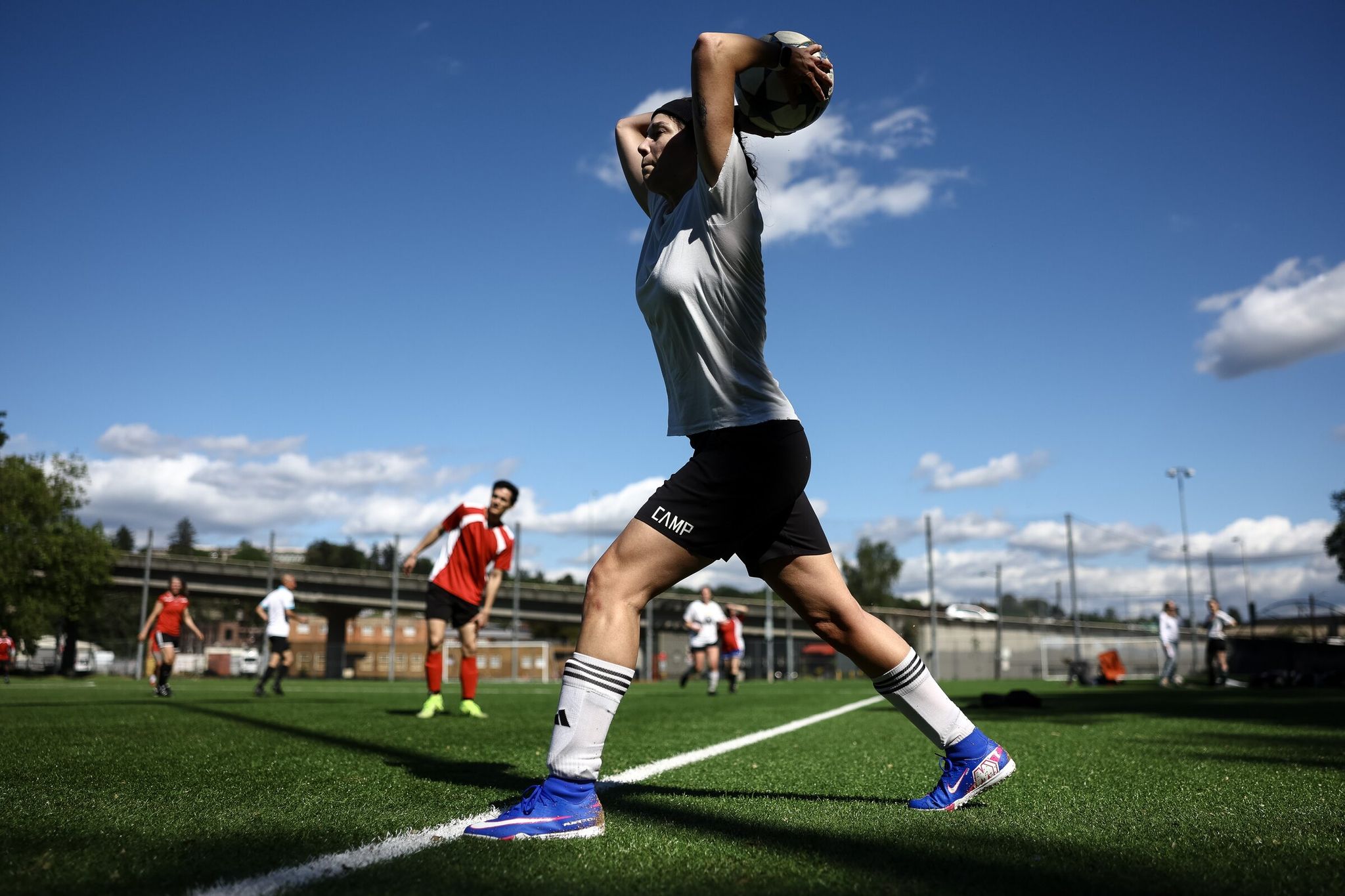
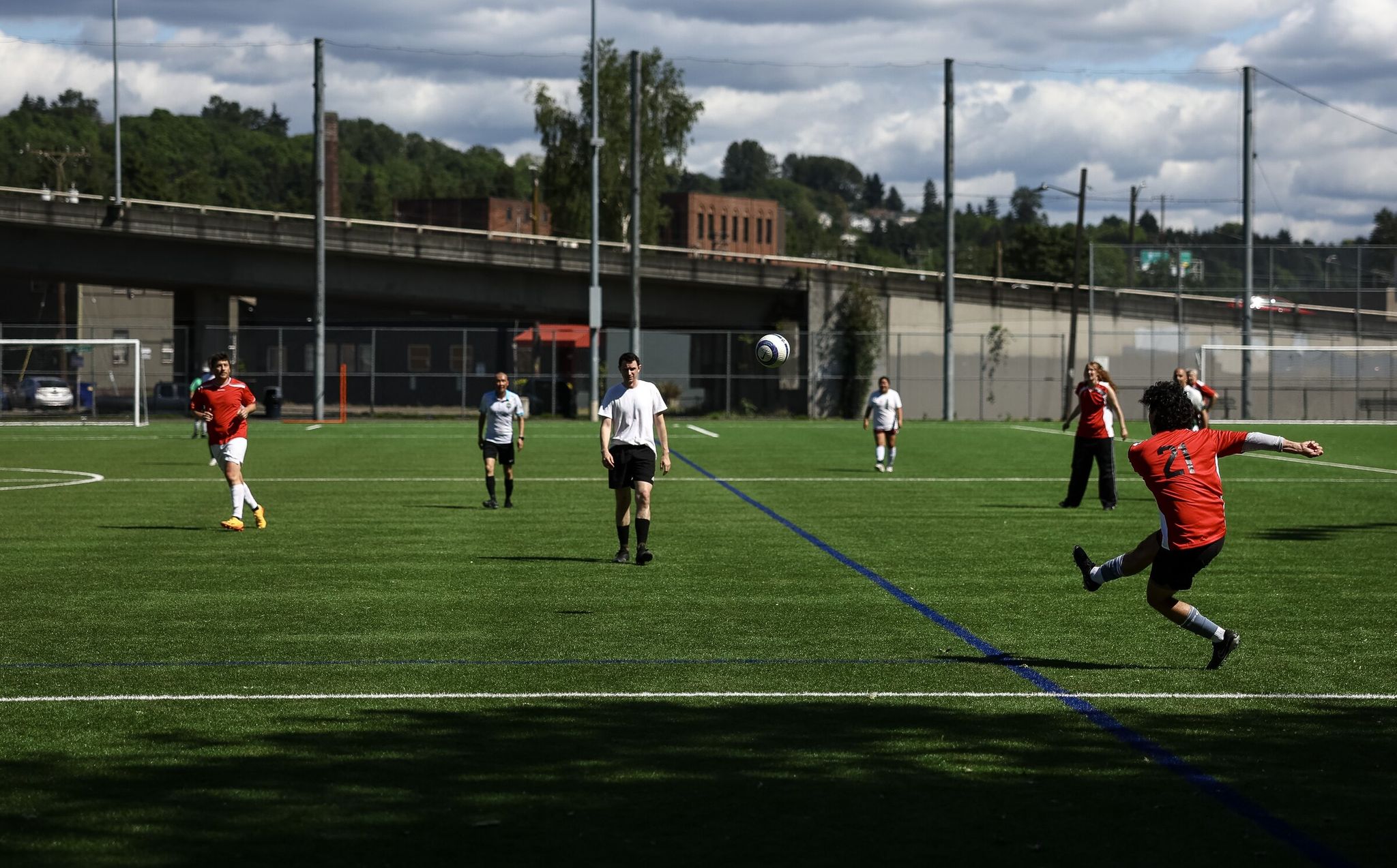
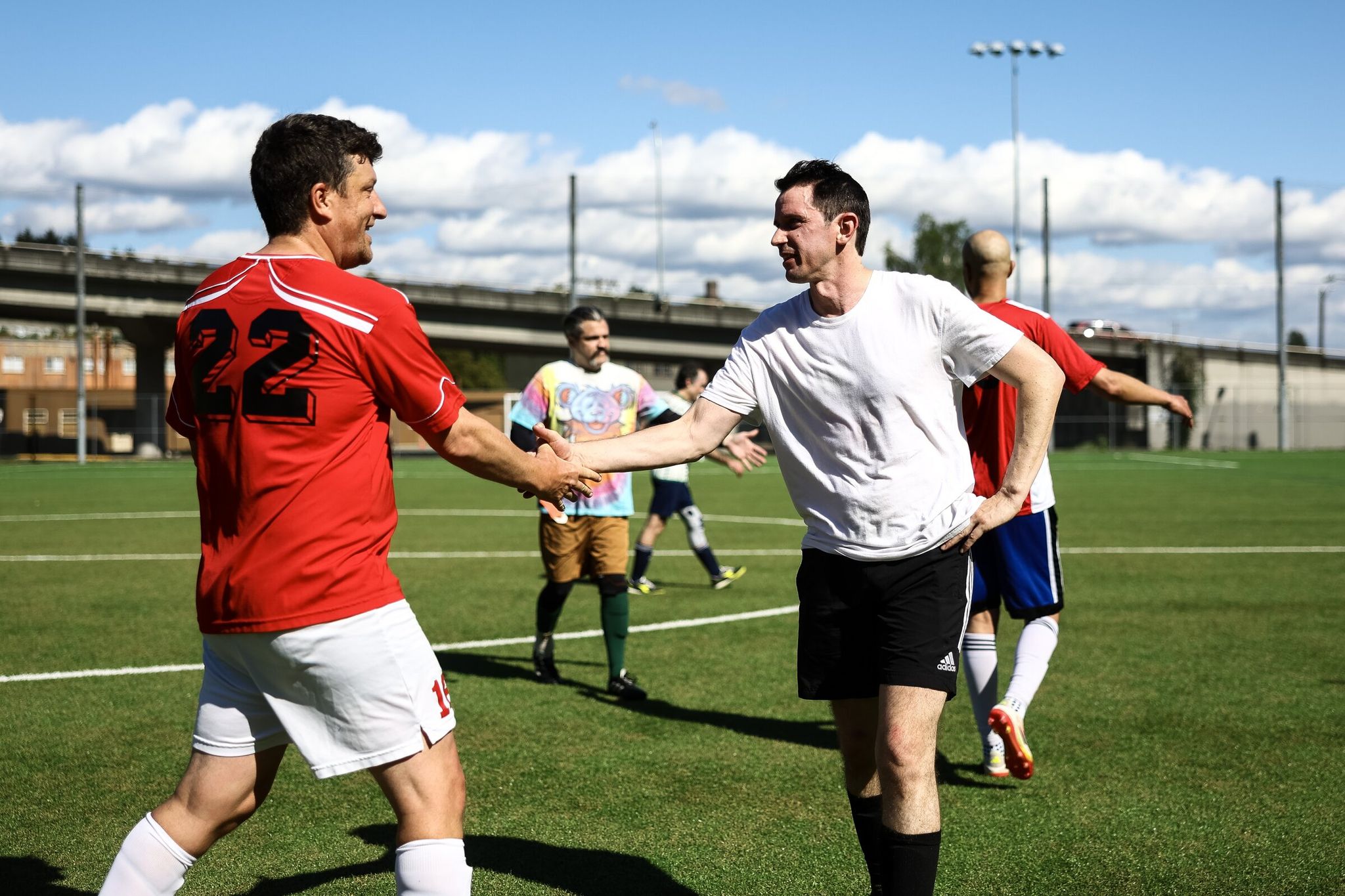
In 15 days millions of fans will turn their attention to Seattle, where six matches of the 2026 men's World Cup will be played at Lumen Field — a multipurpose arena downtown known for its distinctive acoustics and proximity to public spaces, making it a hub for mass sporting and cultural events. But those who built this soccer city insist its true essence won’t appear on television broadcasts or on the stadium turf. They say Seattle’s soccer heart beats on public fields, where every week thousands of amateurs of all ages, genders and nationalities gather. These athletes play not for money or fame but for the love of the game and the friendships it fosters. That spirit was on vivid display last Sunday at Georgetown Playfield in South Seattle, where the field was busy from sunrise to sunset.
Dozens of players rotated through the field during the day, each with their own story about what soccer means to them. But they all agree: when the World Cup ends and global attention moves on, games at Georgetown and similar fields will continue — in rain and sun. The popularity of recreational soccer on Seattle’s public fields is fueled by a culture of active recreation, accessible infrastructure and a rainy climate that allows year-round play. These weekly matches have become as integral to players’ lives as work or family time. For 62-year-old Alison VanderToorn they mean even more: “Soccer is life,” she says.
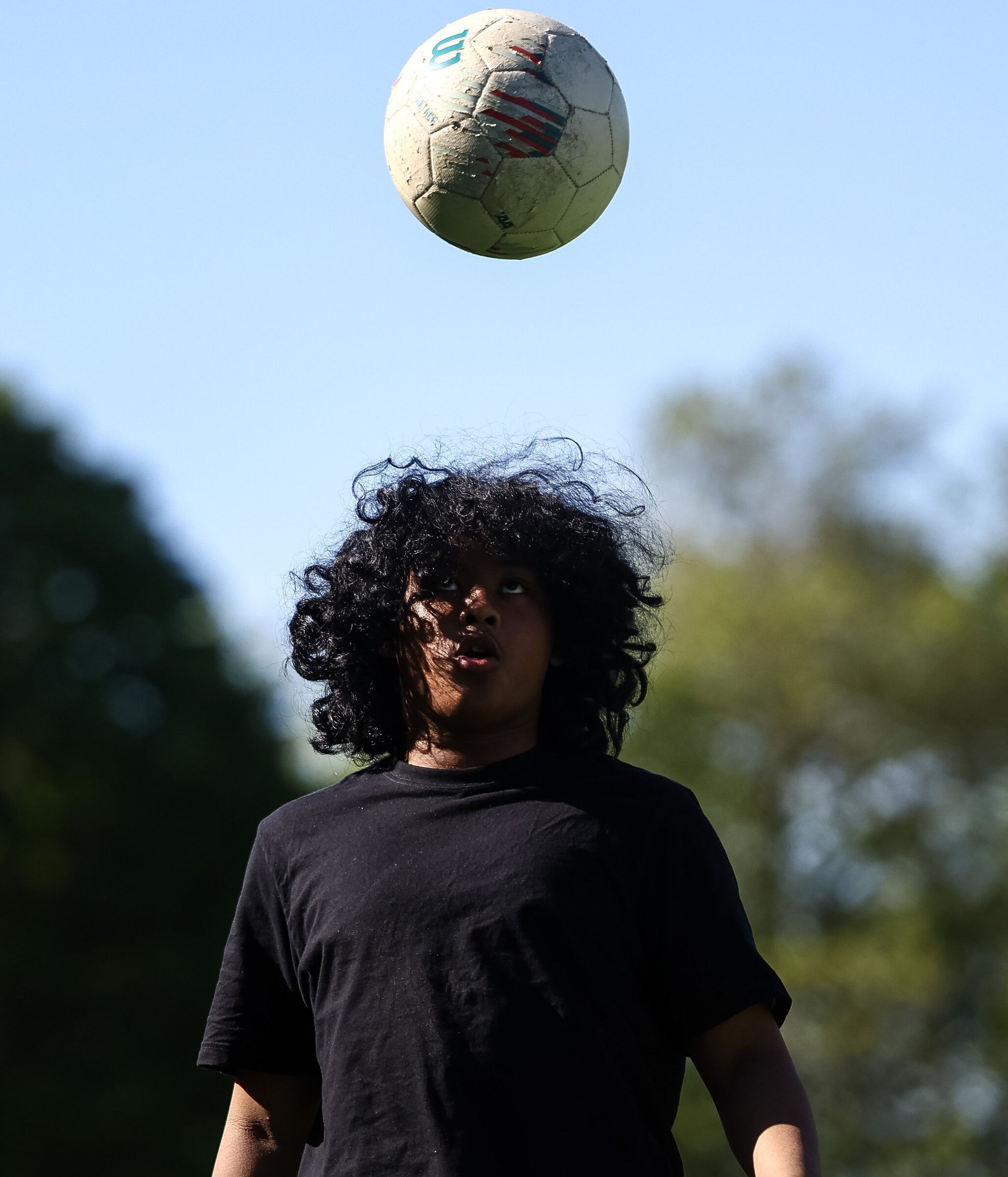
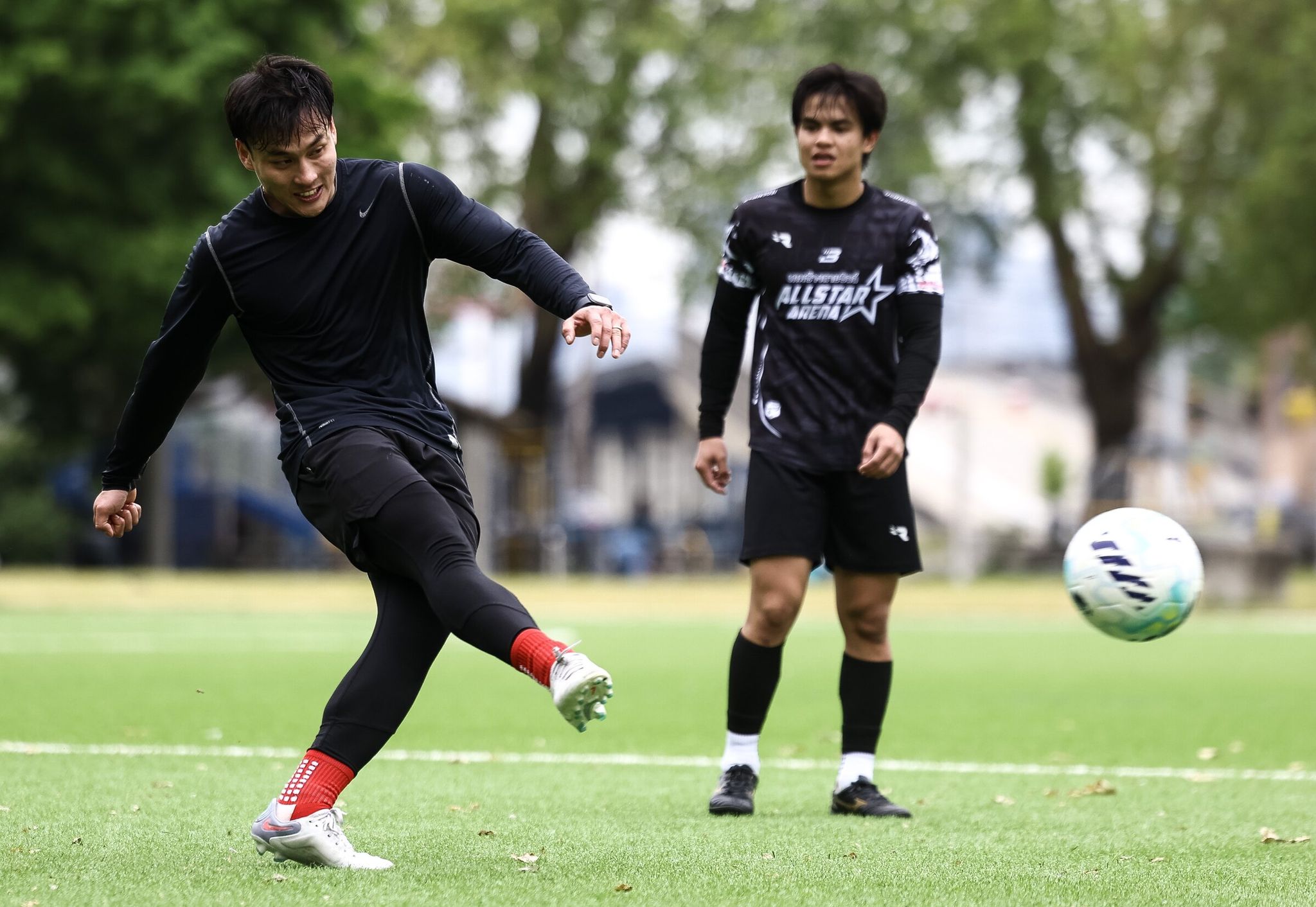
By 9 a.m., 22 members of the Minh Tan team were already sweating, wrapping up a “friendly” — an unofficial, noncompetitive game emphasizing inclusion and socializing. They’ve held gatherings like this almost every Sunday in Georgetown for ten years. The team’s founder, 54-year-old Boeing technician Minh Tan, who grew up in Vietnam, started it after moving to Washington state. Boeing is the region’s largest employer, shaping Seattle’s economy and identity, and its workers, with a strong engineering and organizational culture, know how to mobilize community. Since then the team has grown by word of mouth to more than 40 men ages 16 to 72 from Vietnam, Cambodia and India, united by what he says is “their favorite sport — soccer.” For them there’s almost no bad weather: Tan called even that cool gray day “beautiful,” adding, “They love it. They work a lot during the week. When we play together, we celebrate together.”
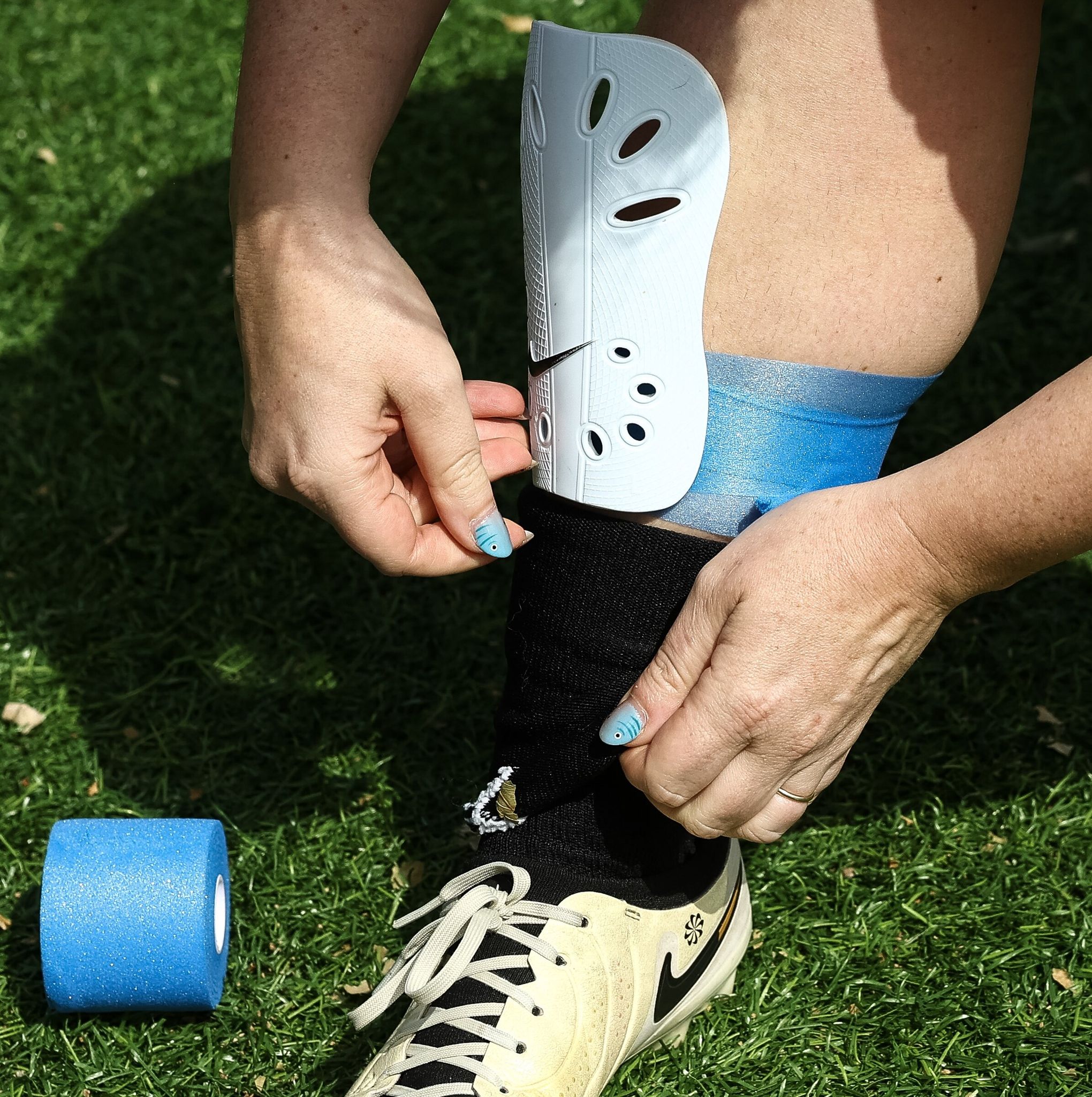
At 9:30 the referee’s whistle called the next two teams, including GenFlex, formed by mothers who had spent years watching their children play from the sidelines. “We said, ‘Wait — we want to play too,’ ” VanderToorn remembers, tucking her shin guards into her socks. She first touched a soccer ball at 33, but since then the sport and her team have become the center of her life. “They are my best friends, my social circle, our mental therapy,” she says, emphasizing that the game requires cooperation: “You have to really play together, and together we’re stronger.”
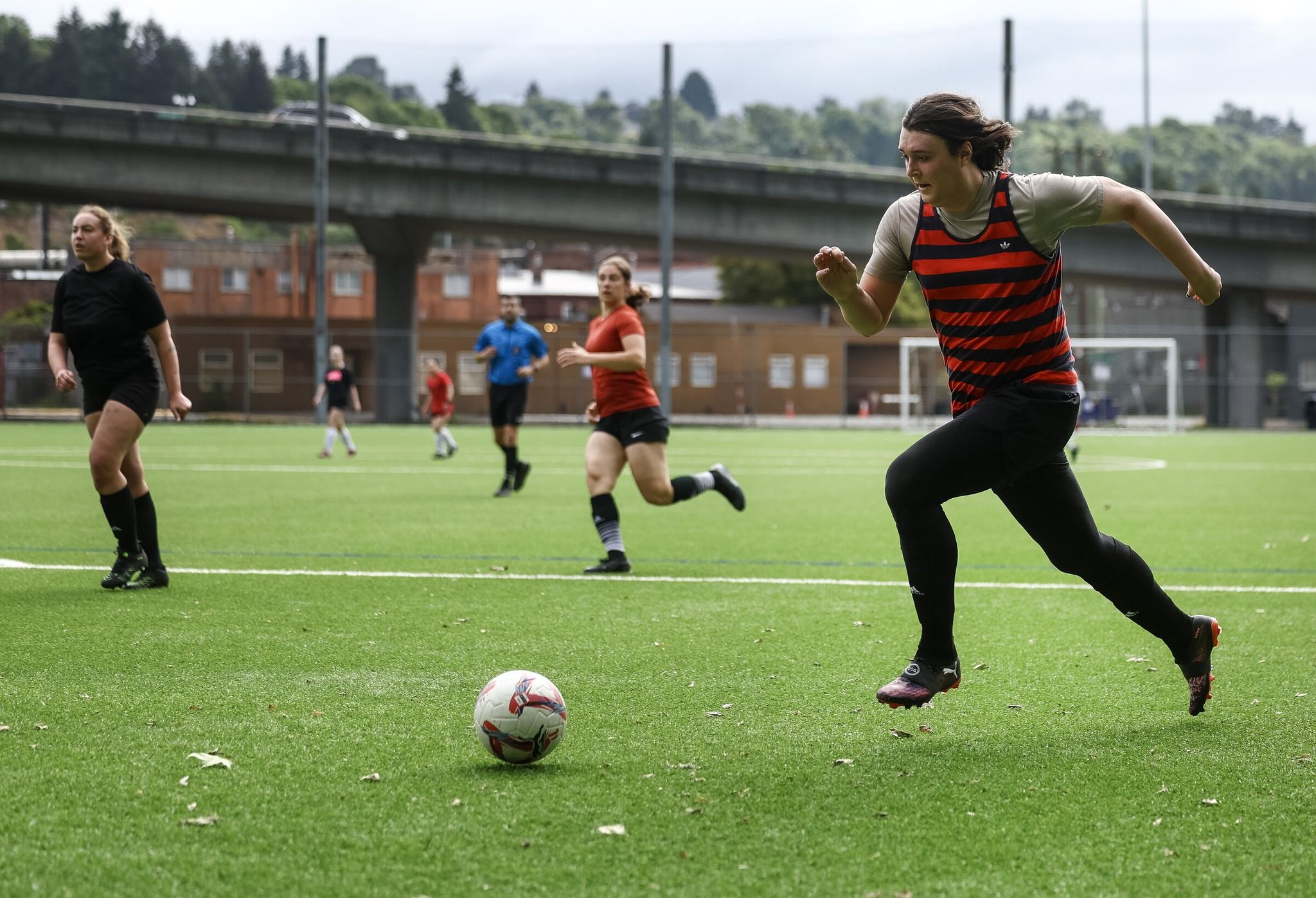
By 11:30 the pace on the field had increased so much that one player, out of breath, came on as a substitute just 15 minutes into the match. “They’re very fast and very young, and very good,” she joked to teammates on the bench. Triss, who came on as a substitute in the same game, reflected on what it’s like to play as a gender-nonconforming person in the current political climate. She said it was painful to watch efforts by the presidential administration to ban transgender athletes from participating in sports, but in Seattle, where progressive LGBTQ+ protections and anti-discrimination measures are in place, those efforts seem only to have strengthened solidarity.
Triss, who asked that her full name not be used to protect her privacy, feels particular support from the soccer community, which actively practices inclusivity and creates safe spaces. She says both professional and amateur players have become more vocal in defending transgender teammates. “I always feel like people have my back,” she says. She added that the reaction to transgender issues has paradoxically “brought people closer,” making the field both a refuge and a place of competition.
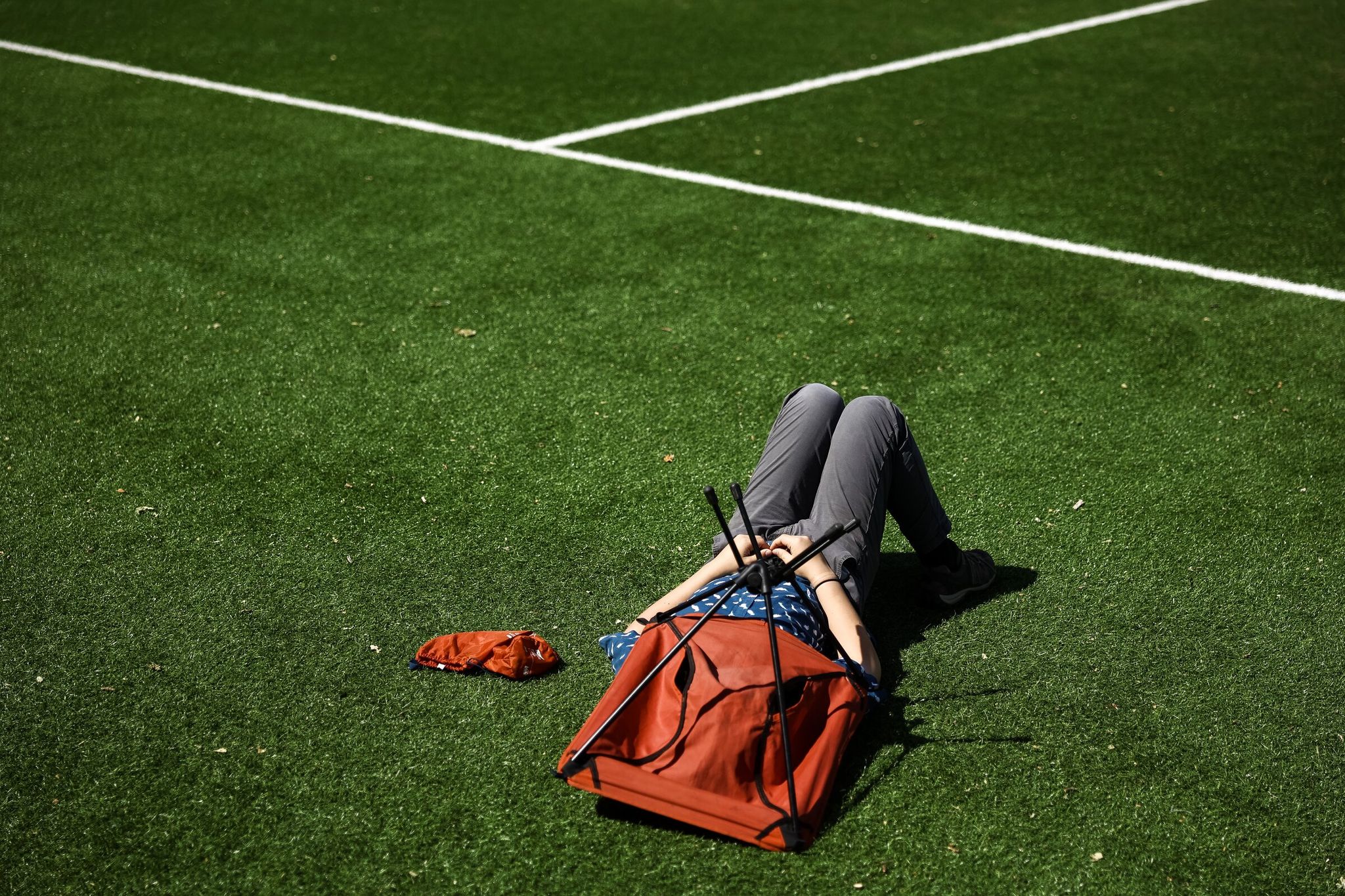
Around 12:15 the break brought a brief respite: players collapsed onto the grass or rubbed sunscreen into flushed faces, and Julia Sullivan gratefully accepted a slice of orange from a teammate. Sullivan, 31, from the Columbia City neighborhood, started playing recreational soccer while studying urban planning at the University of Washington, which is actively involved in projects to design sustainable public spaces. That study began as a break from “grad-school cramming,” but the passion became a favorite hobby and the core of her weekly life. However, her enthusiasm for the game does not extend to watching the men’s World Cup.
Sullivan says she has “no interest” in the tournament, even though Seattle could host more than 700,000 visitors during the event. As a planner she thinks the city lacks the infrastructure for such an influx. She worries about potential long-term impacts on vulnerable neighborhoods, especially Chinatown — a historic immigrant center that has faced discrimination, isolation and economic hardship. Today that neighborhood is vulnerable to gentrification, high housing costs and lack of investment, though it retains a unique cultural identity with Chinese communities and small businesses. For Sullivan, local fields and their communities mean much more than the spectacle of international competition.
By 2 p.m., Athenas manager Kim Smith, 52, returned to the sideline, proudly pointing to her 19-year-old daughter Kai, who ran the field as her teammate. Smith is from Shoreline — a suburb north of Seattle that’s connected to the city by public transit, including the Link Light Rail, which gives residents access to the stadium and the fields. She has been with the Athenas for 28 years — she’s the team’s longest-tenured player; she joined before having children and returned after two births and recovering from an ACL tear. Her daughters learned to kick a ball as soon as they started walking and now play at a competitive level.
Based on: Soccer has a dedicated following in Seattle with or without the World Cup