
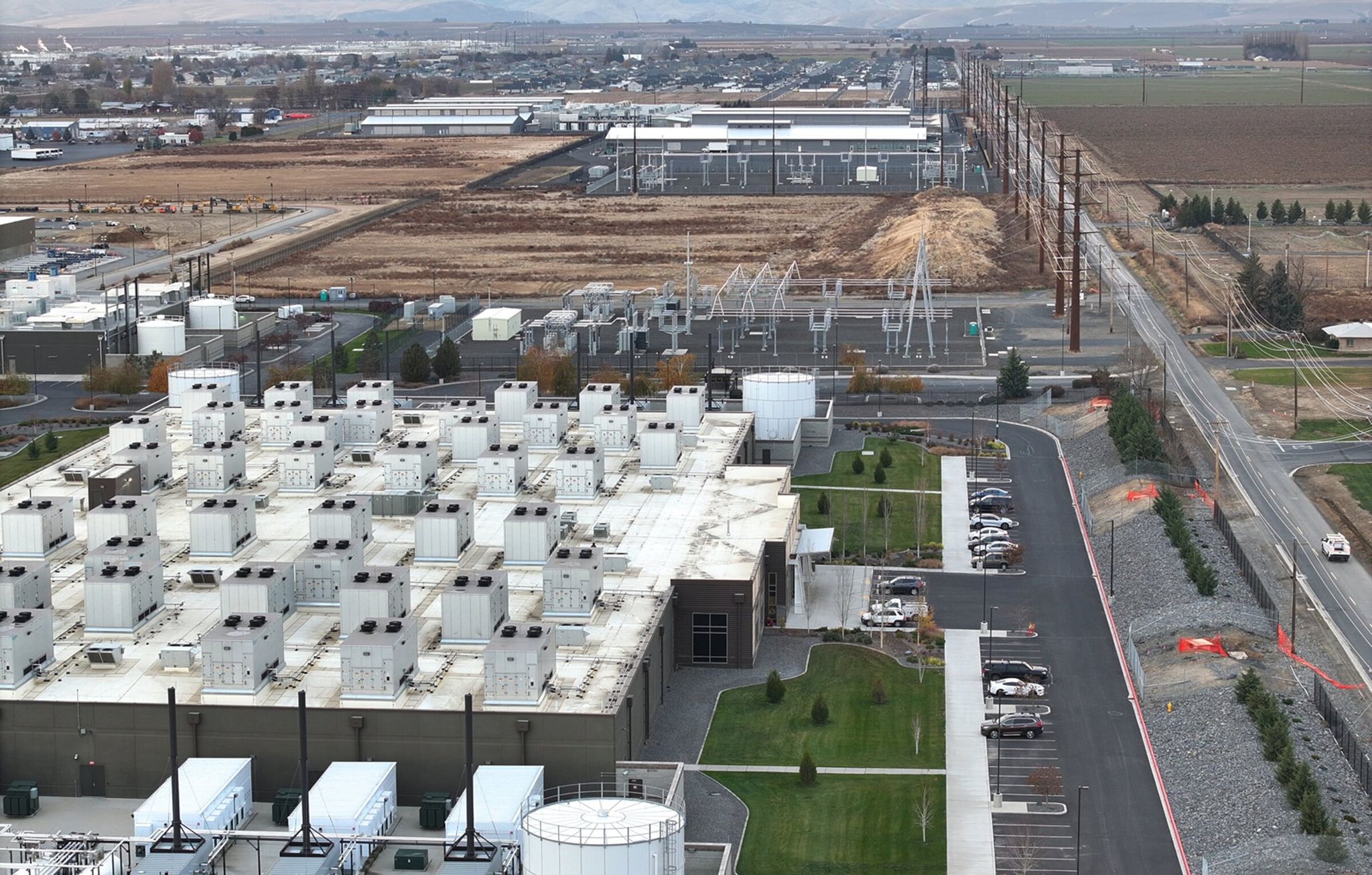
In Washington state, where tech giants' data centers are placing growing strain on power grids and water resources, lawmakers in a short 60-day session—meant for budget adjustments and urgent matters—proposed an ambitious regulatory package. But, as an investigation by The Seattle Times found, companies like Microsoft and Amazon are conducting active behind-the-scenes lobbying to weaken or block these new rules, contradicting their public image as environmental stewards.
Bill HB 2515 would have required utilities to impose special, higher electricity rates on data centers so they would pay for necessary grid upgrades and protect ordinary customers from rising bills. Rates and interconnection decisions for such large customers in the state are regulated by the Utilities and Transportation Commission (UTC), which balances demand and environmental impacts. The bill also originally proposed a half-cent-per-kilowatt-hour charge to help low-income customers and fund "green" projects.
Publicly, tech companies say they are willing to "pay their bills" and invest in clean energy. Microsoft president Brad Smith wrote about working with utilities and being transparent. However, internal documents show that Microsoft, through its lobbyists, pushed to remove or weaken the bill provisions that would raise rates and impose new energy obligations.
Microsoft lobbyist Lauren MacDonald argued that the prescriptive nature of the requirements would remove flexibility and could have "unintended consequences." The company says it supports the bill's goals, but disputes wording details that it believes could effectively ban construction of new data centers in the state.
Amazon Web Services also actively influenced the process. An AWS lobbyist helped introduce amendments that significantly diluted the original text. That maneuver, however, sparked a backlash among House Republicans, who felt used. Tech giants typically lobby both major parties in the state, but the ethics and transparency concerns raised by this incident strained Republican relations with Amazon.
Industry representatives, such as Dan DeRio of the Data Center Coalition—an industry group lobbying on behalf of data center operators on energy use and regulation—call the accumulation of regulations "death by a thousand cuts." They argue the bill is intended to curb industry growth or push it out of Washington and advocate for incentives instead of strict mandates, while acknowledging that billions of dollars in investment are at stake.
As a result of lobbying pressure, the bill has already lost key provisions. The per-kilowatt-hour charge and a clause that would have allowed utilities to deny interconnection if a data center's demand exceeded grid capacity were removed. Negotiations produced significant concessions in favor of the industry.
Nevertheless, several contentious elements remain. These include rules requiring data centers to cut energy use during shortages, invest in new energy projects, increase transparency about resource use, and purchase emissions allowances. Those issues will be major flashpoints in further discussions.
Democratic Senator Sharon Shewmake, an influential legislator from the 32nd District known for her environmental work, is disappointed by the scale of the rollbacks. Still, she believes that even in its pared-down form the bill will establish meaningful oversight of the industry and help protect consumers and the environment, including regionally important species such as salmon, whose protection is a key ecological and cultural priority for Washington.
The weakened version of the bill has already passed the House. It is now under review in Washington state's Senate committees. To become law, it must pass the full Senate by March 6—the deadline for bills originating in the opposite chamber during the current short session—setting up a tense final stage of debate and lobbying in Olympia.
The situation in Washington mirrors a national trend: as public skepticism about data centers grows, tech giants are ramping up lobbying campaigns at the state and federal levels to shape or block policies affecting their multibillion-dollar investments.
Based on: Tech companies gain ground in fight against WA data center regulations