
Two of Seattle’s leading galleries, Traver Gallery and Greg Kucera Gallery, have announced the launch of a new art fair called Assembly, scheduled for July 23–26, 2025. The event will serve as an alternative to the larger Seattle Art Fair (SAF), which this year celebrates its tenth anniversary. Although the founders of Assembly—Sarah Traver (Traver Gallery, founded in 1979, known for glass art) and Kim Clifford (Greg Kucera Gallery, founded in 1991, focused on contemporary painting)—were competitors for decades, they joined forces in the 2020s to create a more curated and less commercialized platform. Their partnership has become a symbolic bridge between different art directions. Organizers emphasize that Assembly is conceived as a more intimate and selective event offering collectors and the public a different way to engage with art.
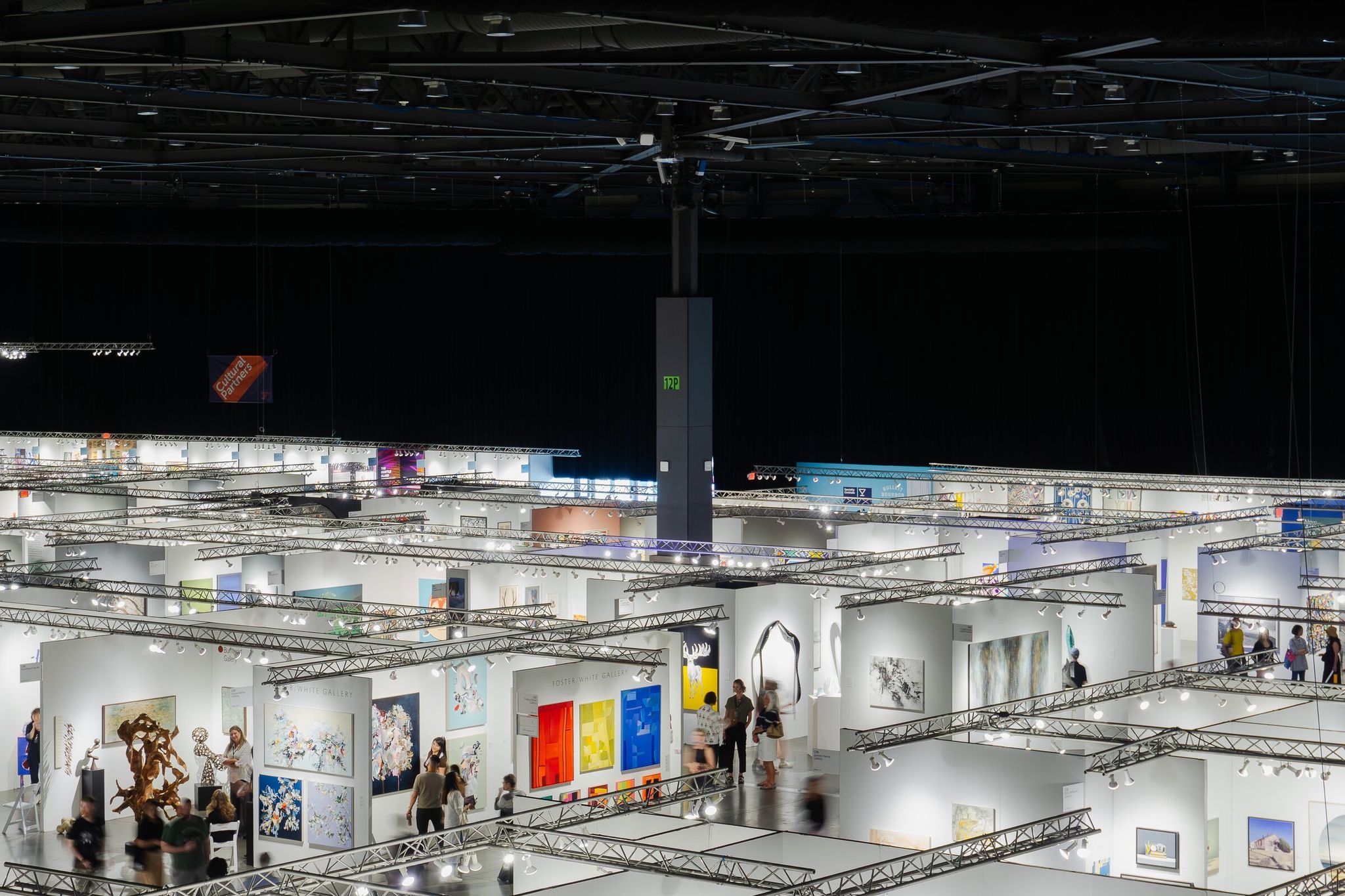
The scale of Assembly is considerably smaller: about 10 galleries from Portland and Seattle and one from Dallas have confirmed participation so far. The total number of participants is expected to reach 15, roughly a quarter of SAF, which typically features around 70 galleries, including ones from Japan and France. Some galleries, such as studio e, J. Rinehart Gallery and AMcE Creative Arts, have chosen to participate in both fairs.
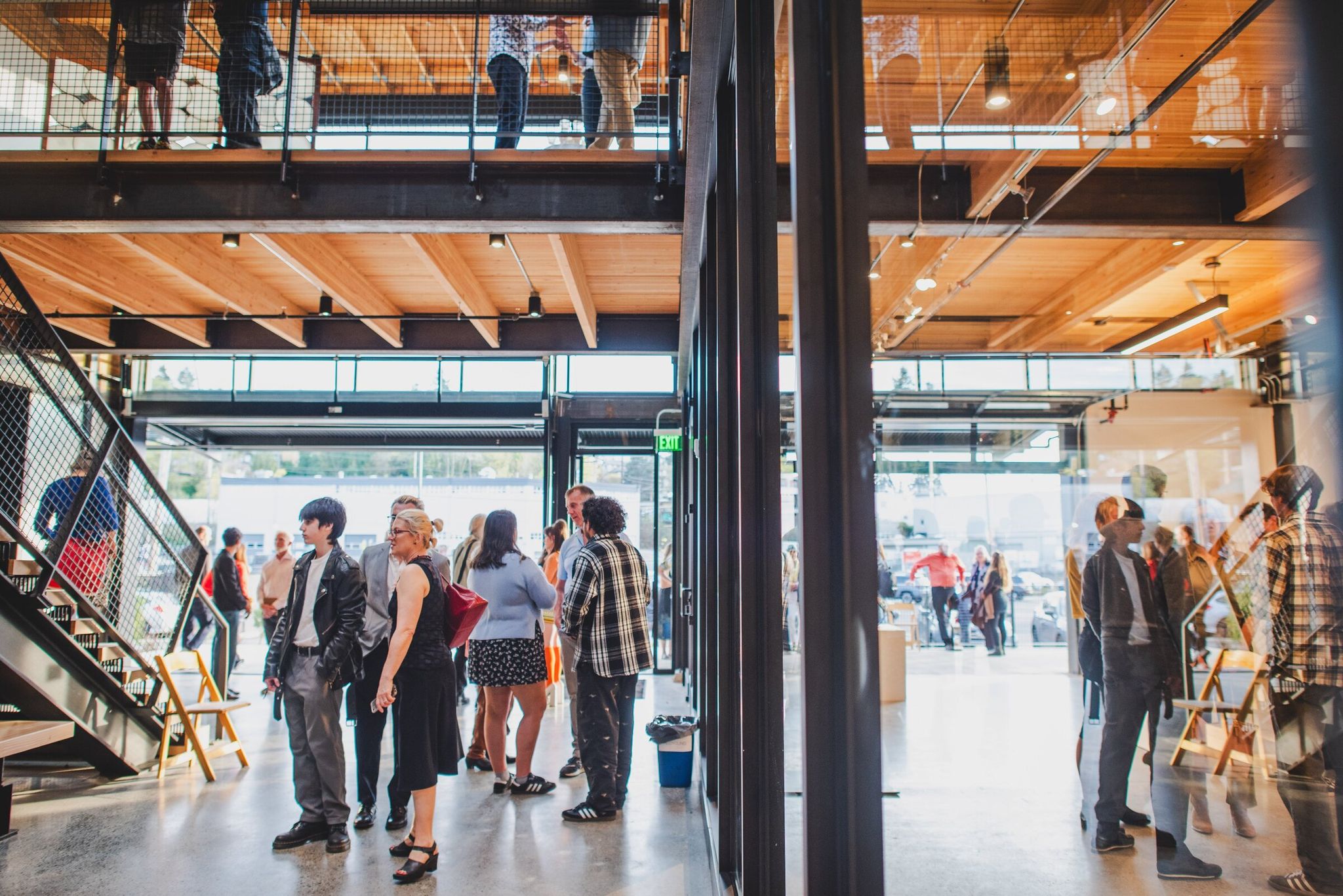
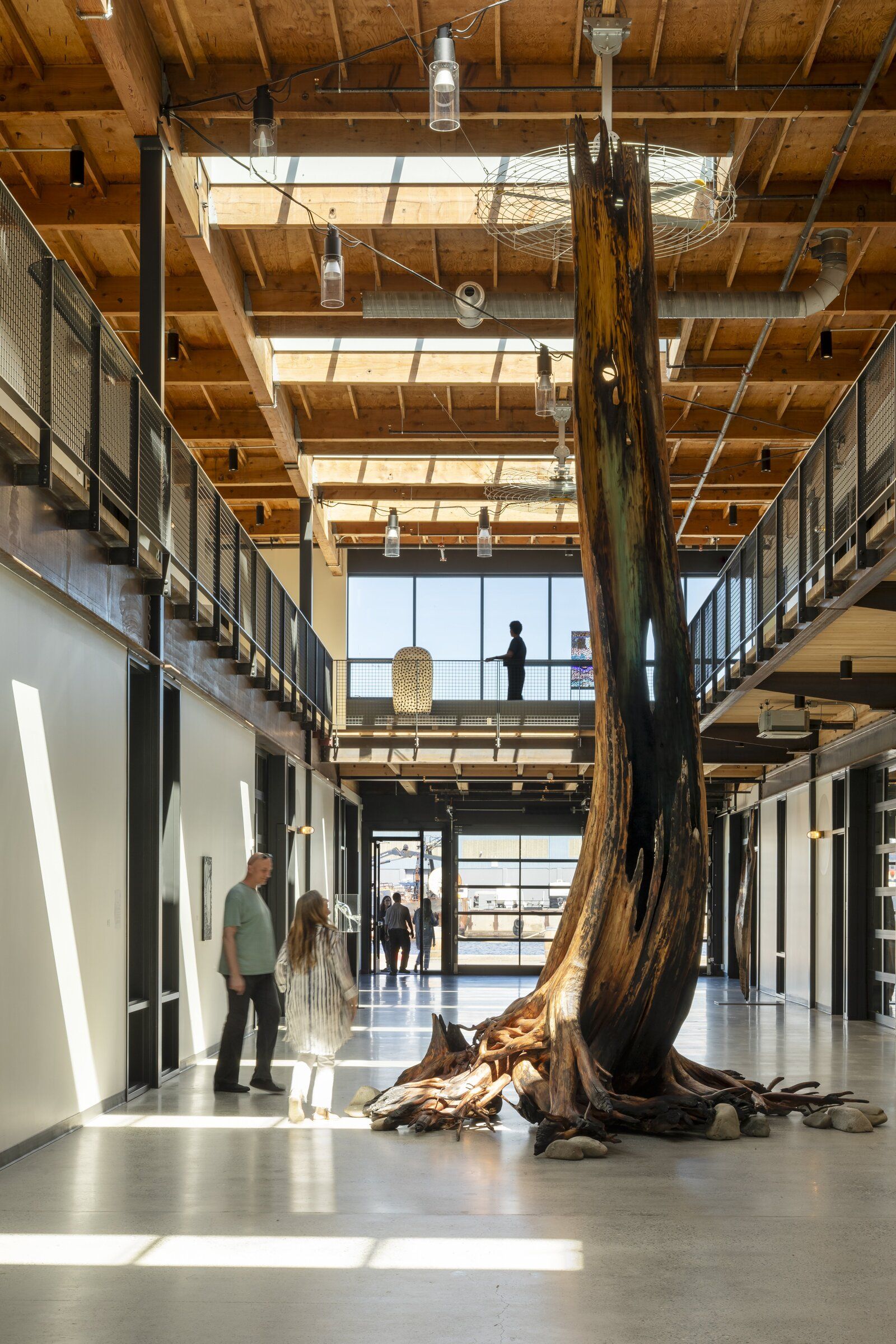
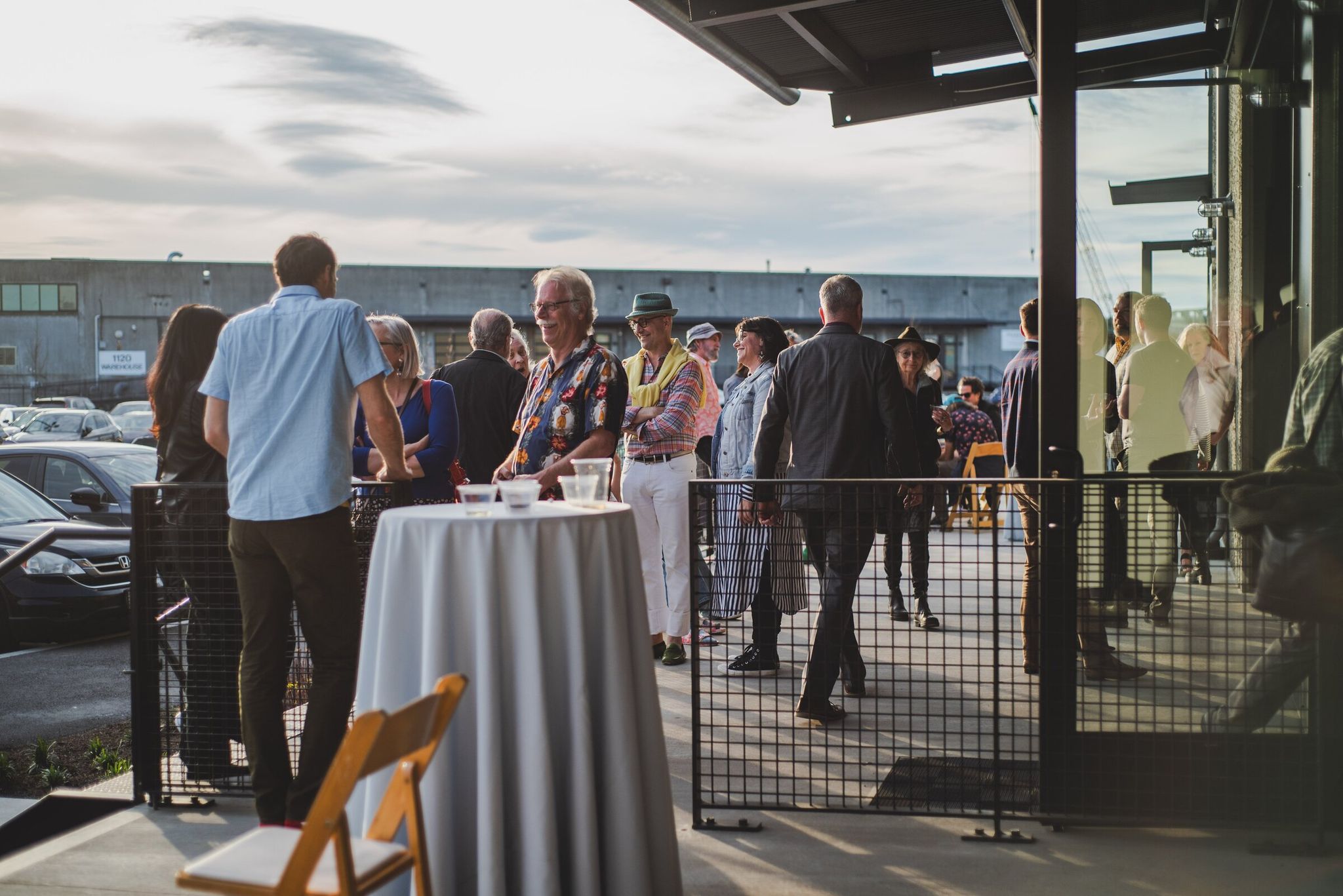
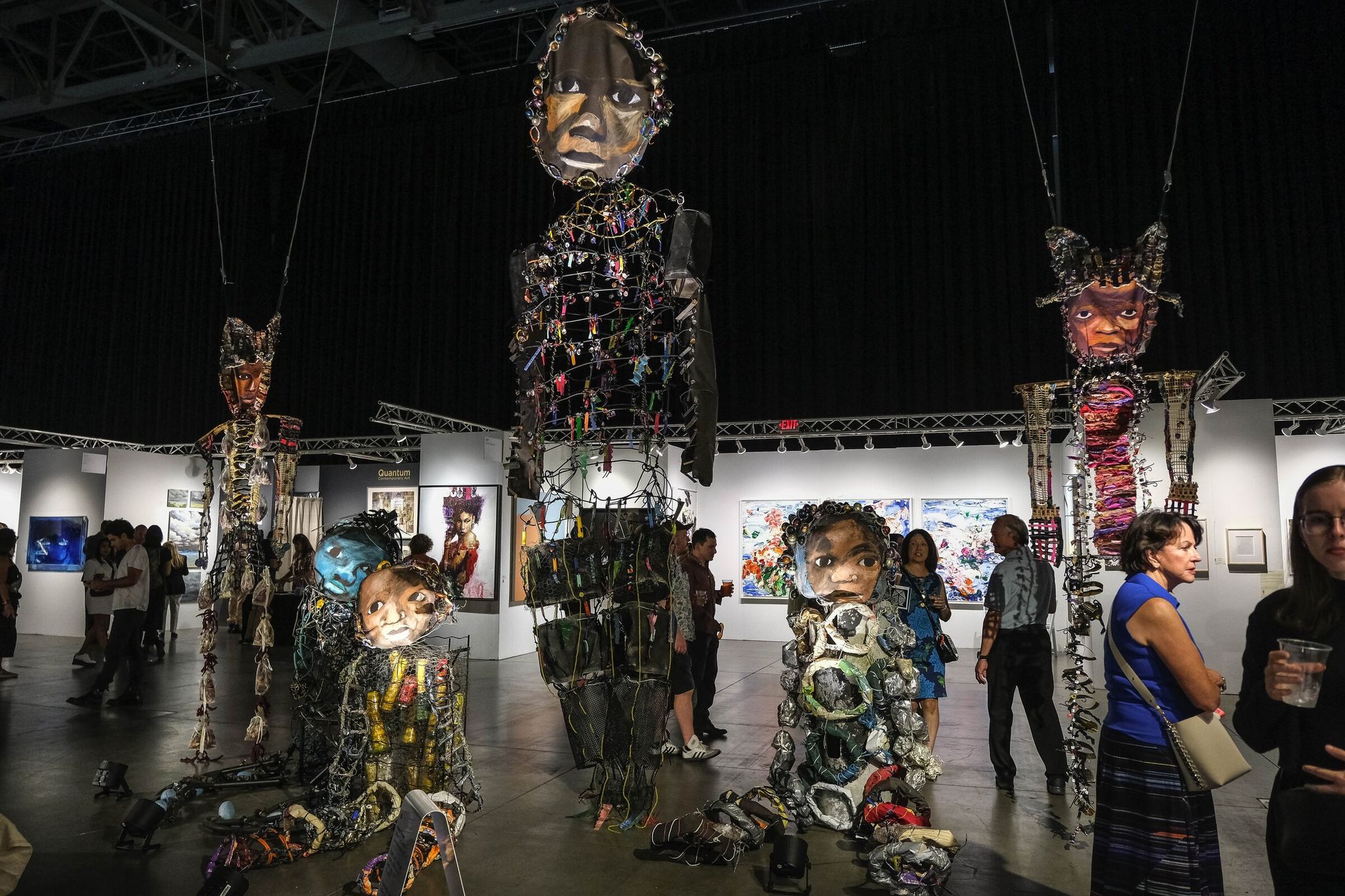
The main difference at Assembly is the rejection of traditional booth displays. Instead, galleries will occupy open spaces around the central atrium at the West Canal Yards complex — a former industrial area in south Seattle near Lake Washington. Its roomy warehouse spaces and open lots are well suited for temporary exhibitions, and the location outside the downtown core allows artists to create large-scale installations without constraints. The industrial aesthetic of the neighborhood, evoking the creative reclamation of abandoned spaces, recently became home to Traver Gallery. This approach, according to founder Sarah Traver, creates conditions for “real discoveries and deeper immersion,” and it also substantially cuts costs: the base participation fee ranges from $3,000 to $6,500, whereas SAF fees can exceed $25,000.
The decision to launch a new fair was largely driven by economic difficulties facing so-called “mid-tier” galleries—those selling works priced from $10,000 to $400,000. In 2024, political and economic uncertainty led collectors to cut back, and participation in expensive fairs stopped being profitable. Assembly offers a more affordable model: after covering catering and security costs, organizers will distribute proceeds from ticket sales and fees among participants.
Assembly is an invitation-only fair: galleries do not apply but are invited by organizers. The event is open to the public—anyone can buy reasonably priced tickets, and no one is required to make purchases. However, the opening Wednesday evening will include a private VIP event for collectors and museum curators, intended to rekindle interest among a sophisticated audience that in recent years has been frustrated by the visual overload at SAF.
Seattle Art Fair director Kelly Freeman welcomed the new initiative, saying “Seattle’s art ecosystem becomes stronger when there are multiple platforms for engagement.” SAF continues to shape its program, confirming participation from well-known galleries such as Roq La Rue, Harris Harvey, Winston Wächter Fine Art and Woodside/Braseth, alongside international players.
July has become a traditional month for art events in Seattle thanks to the warm, sunny weather—a rarity for the city—which draws tourists and collectors and coincides with summer vacations. In addition to SAF, the month hosts Out of Sight, an outdoor contemporary art fair in the Georgetown neighborhood, as well as independent gallery shows. Georgetown, a historic industrial district with low rents and large buildings, has attracted artists and galleries since the 1990s. Today it is home to more than 20 galleries, including leading ones such as Traver and Greg Kucera, making it the “heart” of Seattle’s independent art scene—a place where new trends form and connections between artists and collectors are sustained.
Some galleries, like Georgetown-based studio e, see benefits to participating in both fairs. “Each fair provides access to its own unique audience of collectors and institutions,” says gallery owner Dawna Holloway. “Expanding our presence lets us connect with an even broader public.” Judith Rinehart of J. Rinehart Gallery adds that Assembly offers the chance to “exercise curatorial flexibility” in a more spacious setting, which has become more accessible for a small gallery.
The founders of Assembly, Traver and Clifford, insist they do not view the new fair as a competitor to SAF. “We don’t want to take anything away from it,” Traver emphasizes. “The goal is to complement the cultural landscape and give the city another reason to dive into art.” Clifford adds: “‘The more the merrier’—this is simply another opportunity for a full weekend.” In the end, residents and visitors to Seattle will have a choice in July between a giant fair and a more intimate exhibition, which will only strengthen the city’s status as an arts center of the Pacific Northwest.
Based on: Seattle galleries launch Seattle Art Fair alternative