
On a recent overcast day, passengers waiting at a bus stop in the Beacon Hill neighborhood witnessed a small miracle. The neighborhood, known for its cultural diversity, historic architecture and panoramic views, is often chosen for public-space and transit projects because of its accessibility and population density. When a heavy rain began, pale outlines of two sea lions appeared underfoot on the darkening asphalt beneath the shelter. The unusual images lasted exactly as long as the rain did, then vanished without a trace.
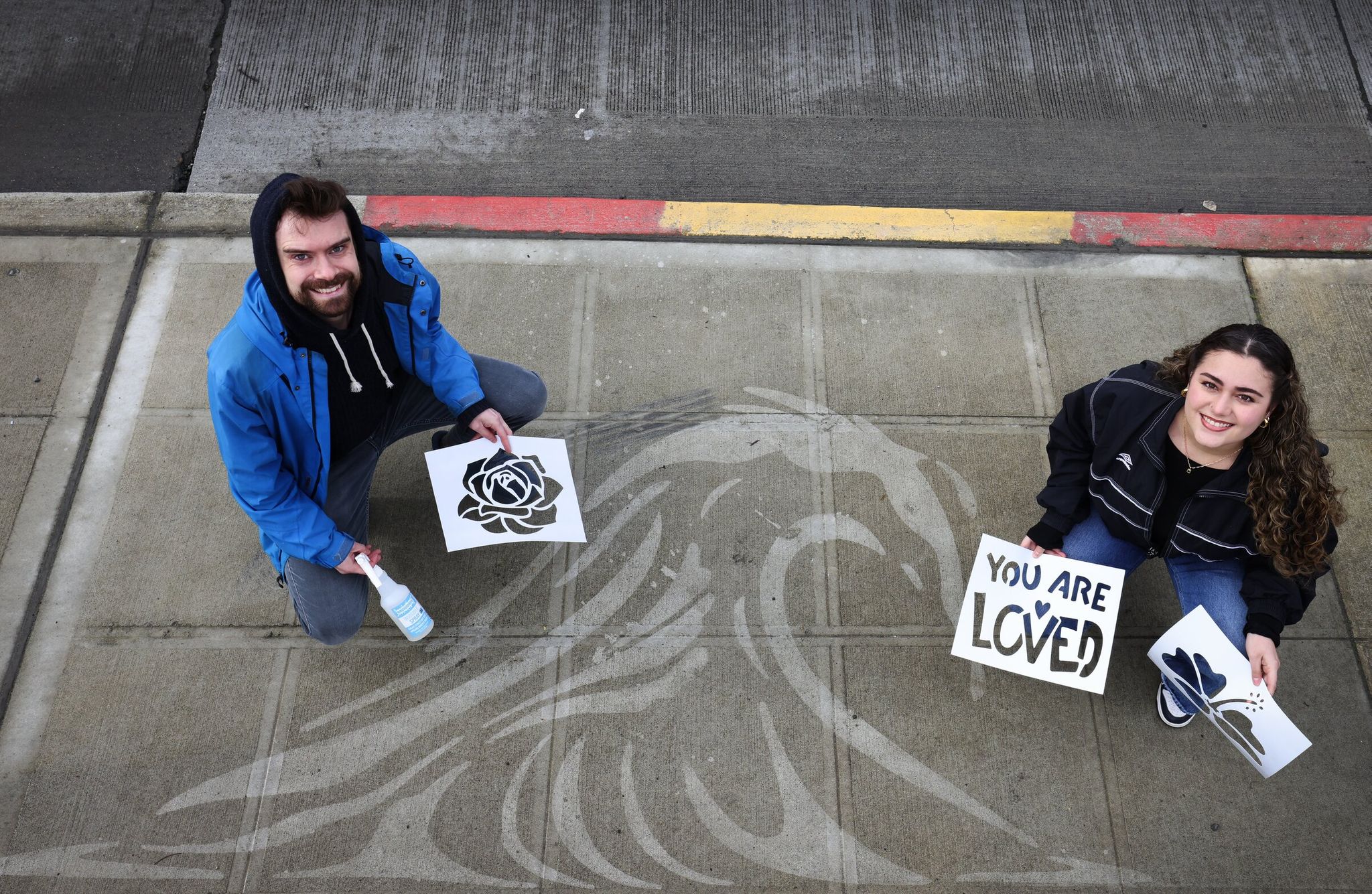
These pieces are called “rainworks” — street art that becomes visible only when the surface is wet. They seem to appear out of nowhere during a downpour or from water splashes. The idea’s creator and founder of the company Rainworks is Seattle resident Peregrine Church.
It all began in 2013, when a young Church, interested in stencil art, learned about superhydrophobic coatings. These coatings repel water, and he began to wonder about their artistic use. After finding an eco-friendly formula that is invisible when dry, he and friends started secretly applying the first pieces at night. His first sidewalk message read: “STAY DRY.”
After a video about the project went viral in 2015, Church and his cofounder launched a crowdfunding campaign to sell kits to anyone who wanted them. From that point the hobby became a sustainable business that has been operating for more than a decade. Rainworks are temporary, like chalk drawings — they fade in dry weather and last two to four months without leaving any trace.
Today Rainworks sells kits worldwide and accepts commissioned artworks. The project’s interactive map shows hundreds of pieces in different countries: a globe in China, a flower in Nigeria, a crocodile in Scotland. In Seattle they once held a haiku contest and engraved the winning poems at a library so they would appear in the rain.
One recent project was a collaboration with the Seattle Department of Transportation (SDOT). That department handles not only roads but also sidewalks, bike lanes, street lighting, traffic-calming projects, transit integration, and urban design, including public plazas and art installations. In January, four rainworks were installed on a pedestrian plaza on Beacon Hill: sea lions, an orca, an image of a tidal wave and a 25-foot maze. The project is funded by city programs aimed at improving transit hubs. The plaza itself is an example of a transit plaza — a public space integrated with a transit hub that includes passenger amenities and artistic elements to make transfers more pleasant.
The designs were chosen deliberately. SDOT asked students at Mercer Middle School, a public school with a strong academic reputation on Mercer Island, what they would like to see on the plaza. Many of the students’ ideas and memories were tied to water, which inspired the marine creatures. The maze also contains hidden images, such as an oyster with a pearl at its center.
According to SDOT staff, reaction to the project has been very positive both on the plaza and on social media. They found that “small moments of joy matter,” and that involving youth in planning public spaces yields great results. The art became a first step toward making the transit plaza more welcoming.
For founder Peregrine Church, projects like these are a perfect embodiment of Seattle’s spirit. “Rain is an integral part of this city’s culture and personality,” he says. “But there are also very kind and passionate people here. I like to think Rainworks represents both traits: yes, we’re rainy and cloudy, but we make the best of it.” It isn’t the only example of creative engagement with the local climate. The city also hosts projects like the Cloud Rings installation in Olympic Sculpture Park, which interacts with fog and wind, and the stained glass Seattle Cloud Cover at a transit stop, depicting clouds. Rain gardens with green roofs that blend ecology and design are also popular.
On the Beacon Hill plaza the rain ended soon that day and the sun broke through the clouds. The outlines of the sea lions and other creatures faded, then fully dissolved into the pavement. But they won’t have to wait long for their next appearance — forecasters are promising rain again.
Based on: This Seattle-based art project is hidden, until it rains