
The United States is experiencing a new historical moment of mass mobilization. Killings of peaceful civilians — such as the death of nurse Alex Pratte, the brutality of immigration agents, and the arrests of journalists — are prompting ordinary people across the country to take to the streets in protest, organize fundraisers and participate in strikes. This wave of resistance recalls the powerful movement for racial justice that erupted after George Floyd’s killing in 2020.
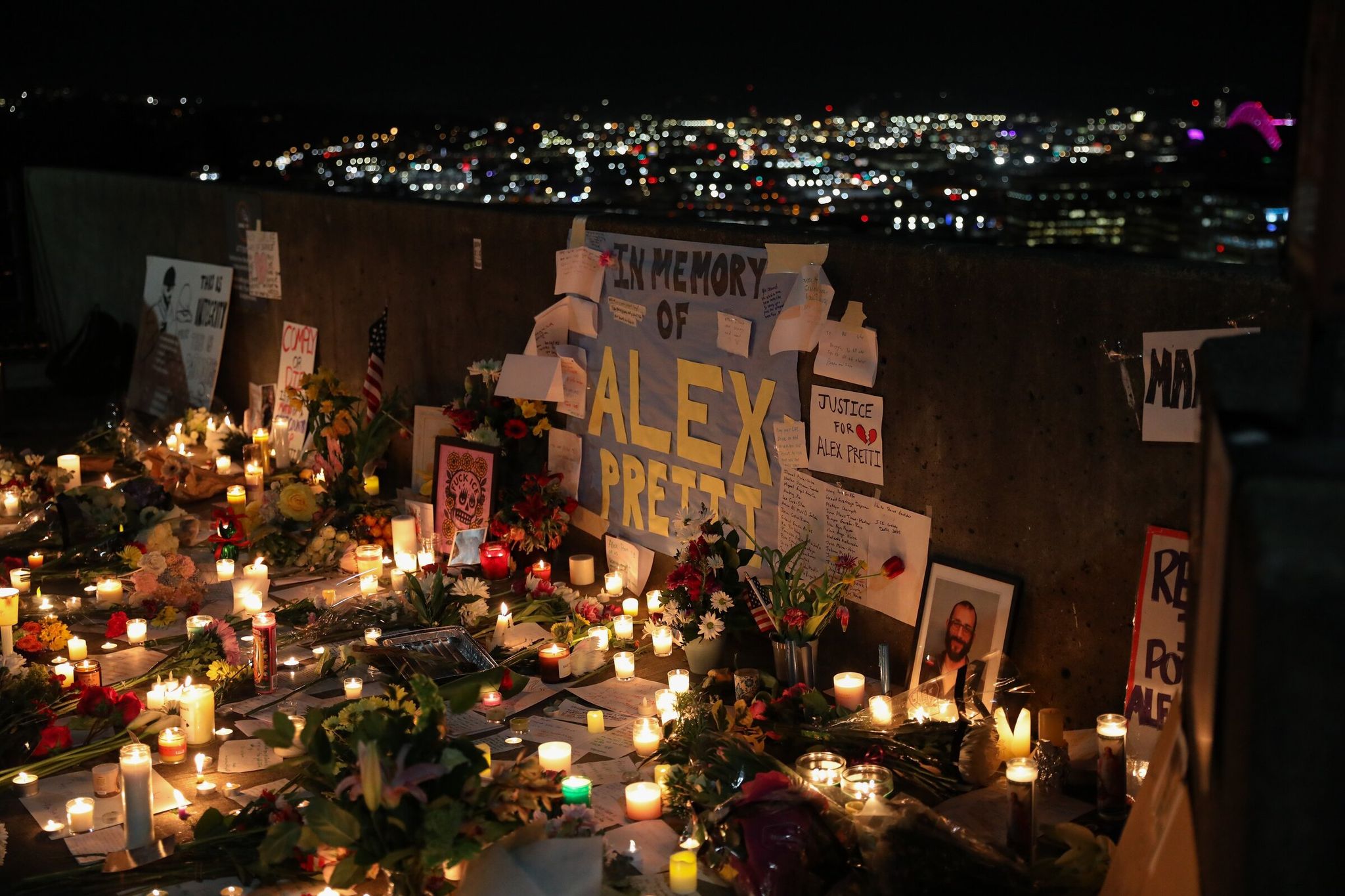
In Seattle, the killing of Alex Pratte, an intensive care nurse, by Border Patrol agents in Minneapolis on Jan. 24 sparked a new wave of outrage. In response, local activists organized rallies, training sessions and joined a nationwide strike. This action continued the city’s long traditions of activism, known for its progressive outlook, and draws on the experience of past demonstrations, including the Capitol Hill Organized Protest (CHOP/CHAZ) of 2020. Many businesses, in protest of the administration’s policies, closed or donated proceeds in support of the movement, reflecting a certain tradition of corporate activism in Seattle, especially among progressive companies.
Officials tried to justify Pratte’s death by putting forward contradictory and unproven claims. At first they said she had threatened them with a weapon, then that she was filming, and later that she merely had a gun in her possession. These shifting versions revealed desperate attempts by authorities to find justification for the unjustifiable, which only poured fuel on the public’s anger.
These events are a stark reminder of the need to remain healthily skeptical of official statements, especially when the investigation is being conducted by the potential perpetrators themselves. Freedom of the press is more important now than ever to ask uncomfortable questions and speak truth to power. The recent arrests of independent journalists documenting the protests are a worrying signal.
Many activists also bitterly note that victims who are Black, Latino or Indigenous often do not receive the same level of public and media attention. History offers numerous examples — from Emmett Till to Tamir Rice — where the deaths of Black Americans were initially justified with false pretexts and investigated less rigorously.
It is also mistaken to think that such disregard for civil liberties is new to America. That erases a long and painful history of repression against various minorities: from Indigenous peoples and Black Americans to Japanese and Arab communities after Sept. 11. Their experiences tell a more honest truth about the country.
In this struggle it is important to show compassion and make room for those who are only beginning to recognize injustice. Some have come to this through personal experiences of discrimination; others were guided by teachers or friends. The work of protecting communities is vital, and there is a role for everyone — both newcomers and movement veterans.
As Pastor Leah Atkinson Bilinski, a faith leader and community activist known for her work at the intersection of faith and social justice, said at a rally at the federal building in downtown Seattle — a frequent target for demonstrations against national policy — we must “see what is happening face to face, with our eyes, not with lies,” and stand together against threats so we do not miss the suffering of those nearby. Solidarity and vigilance are the keys to resistance.
Based on: Angry about Minneapolis? Good. To make progress, we need room for all