
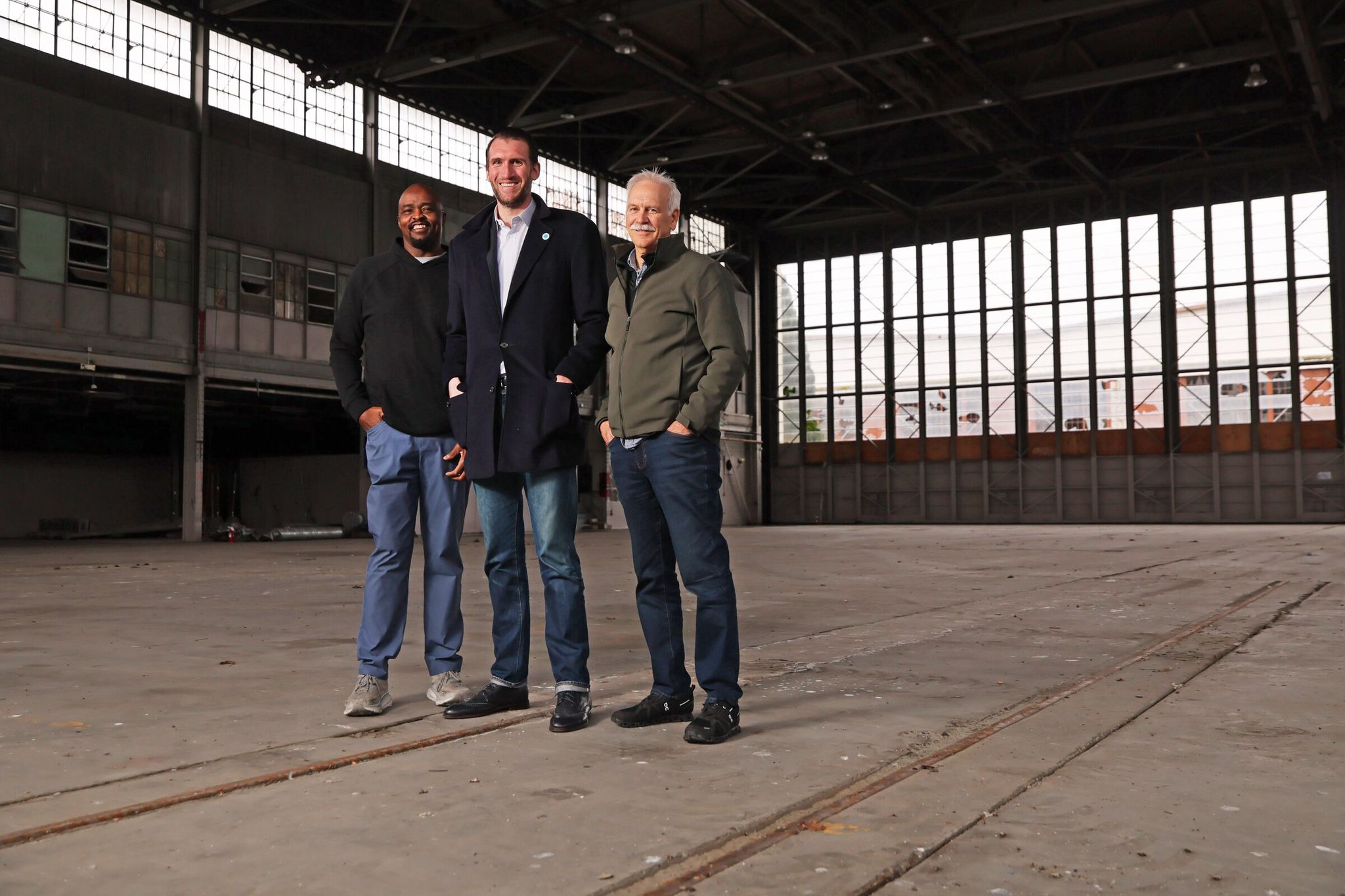
Talk has renewed in Seattle about a large-scale project to redevelop a giant World War II–era hangar known as Building 2 in Magnuson Park. The park, the city’s largest and located on the shore of Lake Washington on the former naval station site, plays a key role in Seattle’s recreational life, offering beaches, sports fields and nature trails. The new initiative, called Hangar2, aims to convert the vacant historic 144,000-square-foot building into a multiuse center for children and teenagers. Among the public faces of the campaign is former Seattle Seahawks player and current team radio commentator Ray Roberts, who is known in the city not only for his sports career but also for active philanthropic work supporting youth programs.
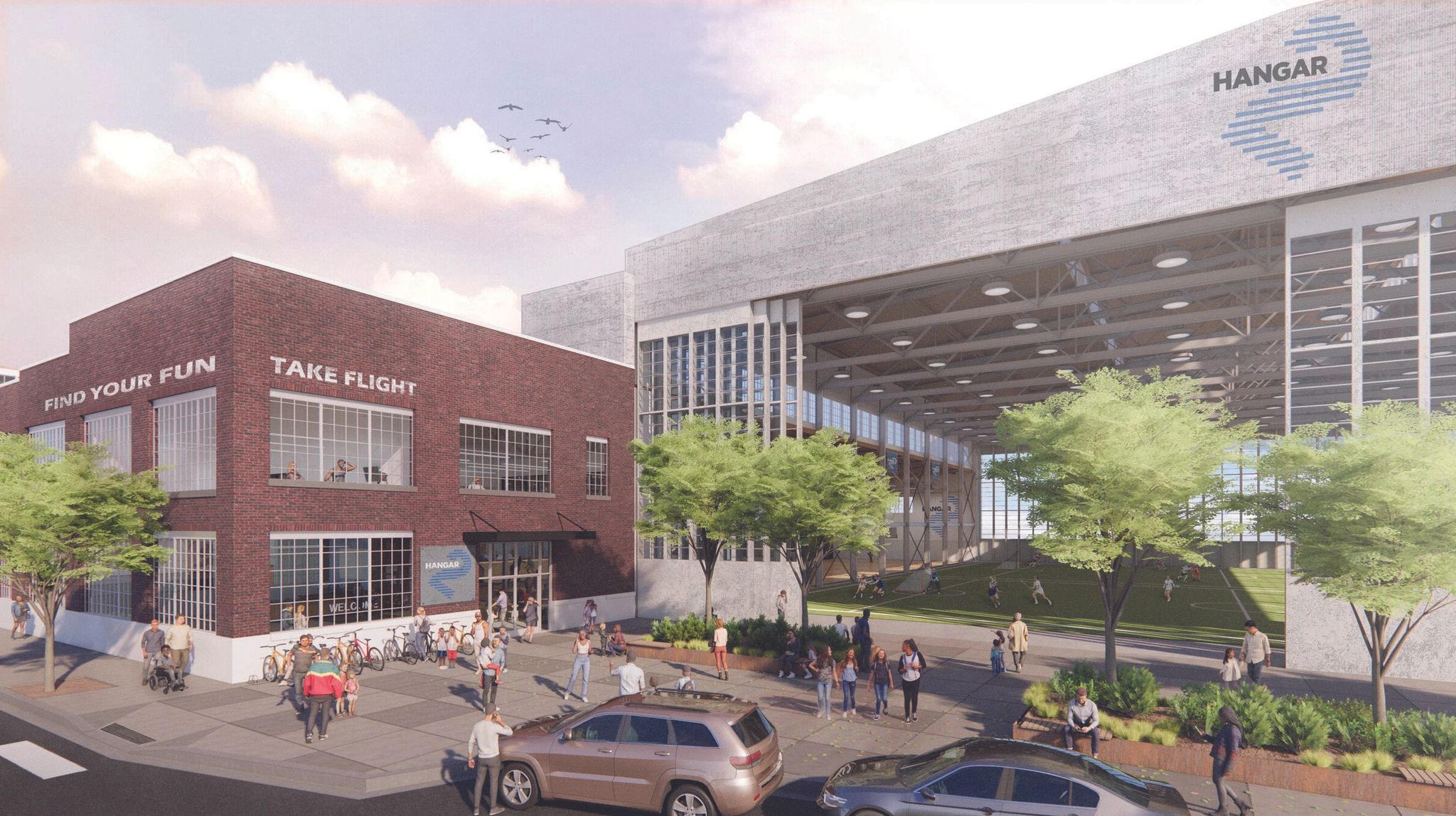
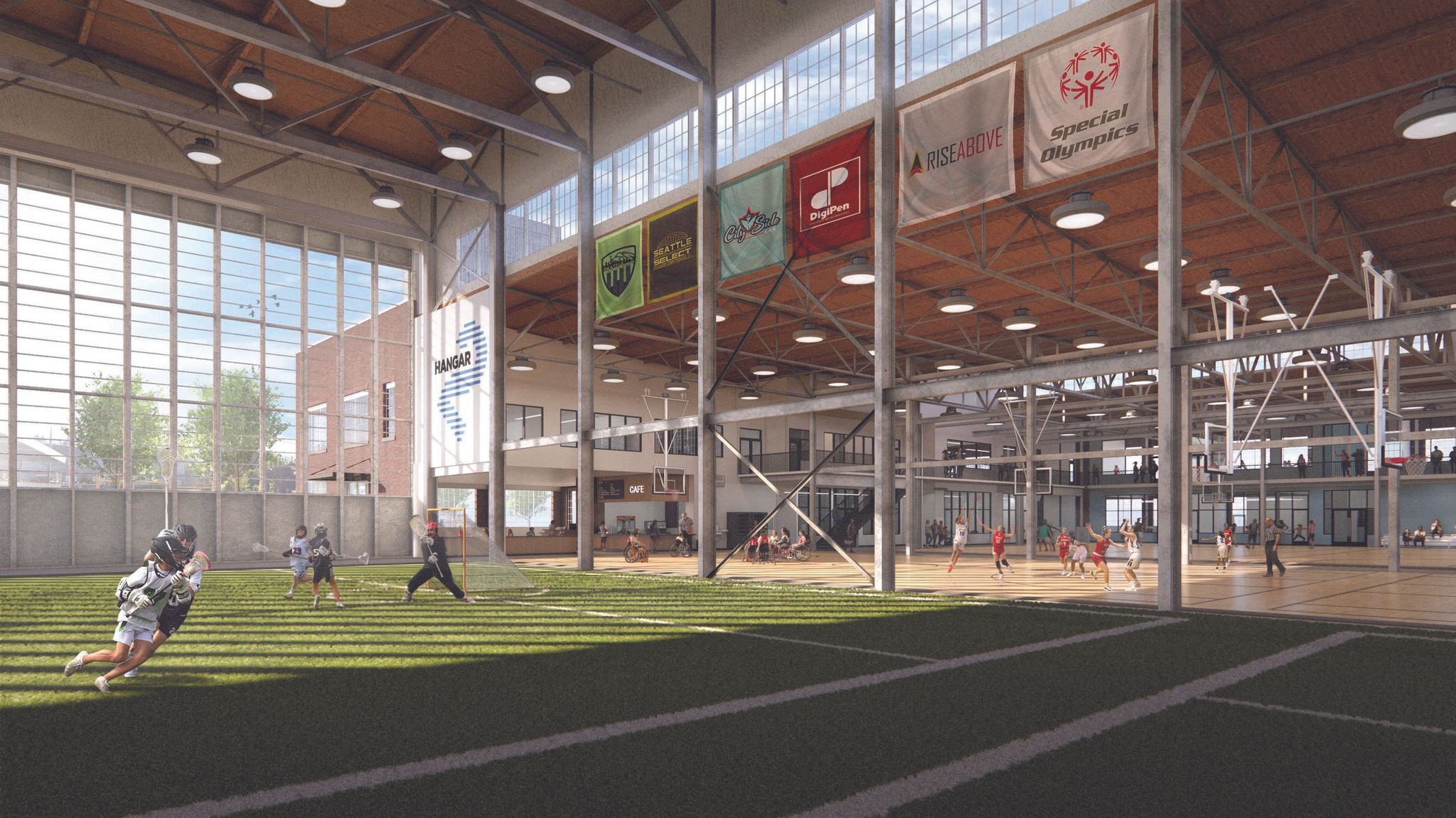
The Hangar2 project envisions the space as a hub for youth sports, technology, the arts and educational programs. Plans call for basketball courts, playing fields, classrooms and workshops. The idea is to create a safe, inspiring place where children from a wide range of families can learn, grow and try different activities — especially relevant given rising youth mental-health concerns.
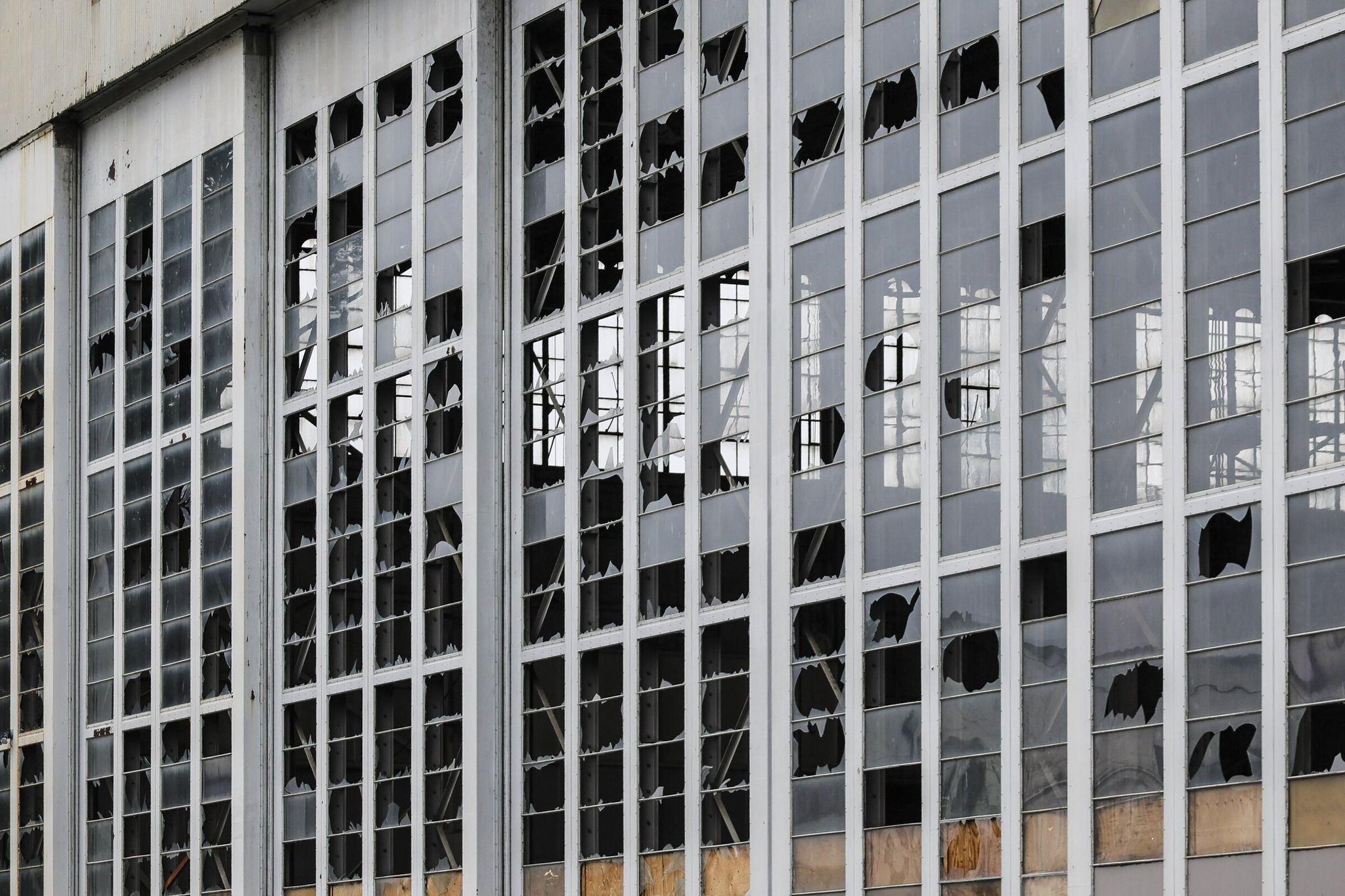
But the path to realization is far from guaranteed. The project will need approval from city authorities, notably the Parks Department, which manages city recreational assets and has authority over planning and approving such initiatives. Securing tens of millions of dollars to renovate the deteriorated building is also critical. Seattle’s budget constraints make public funding uncertain, and earlier efforts to advance the initiative stalled during the COVID-19 pandemic. Questions have also arisen about how accessible the center will be for low-income residents in the park’s subsidized housing, which exists in Magnuson Park as part of the city’s strategy to provide affordable housing and integrate social services into public spaces.
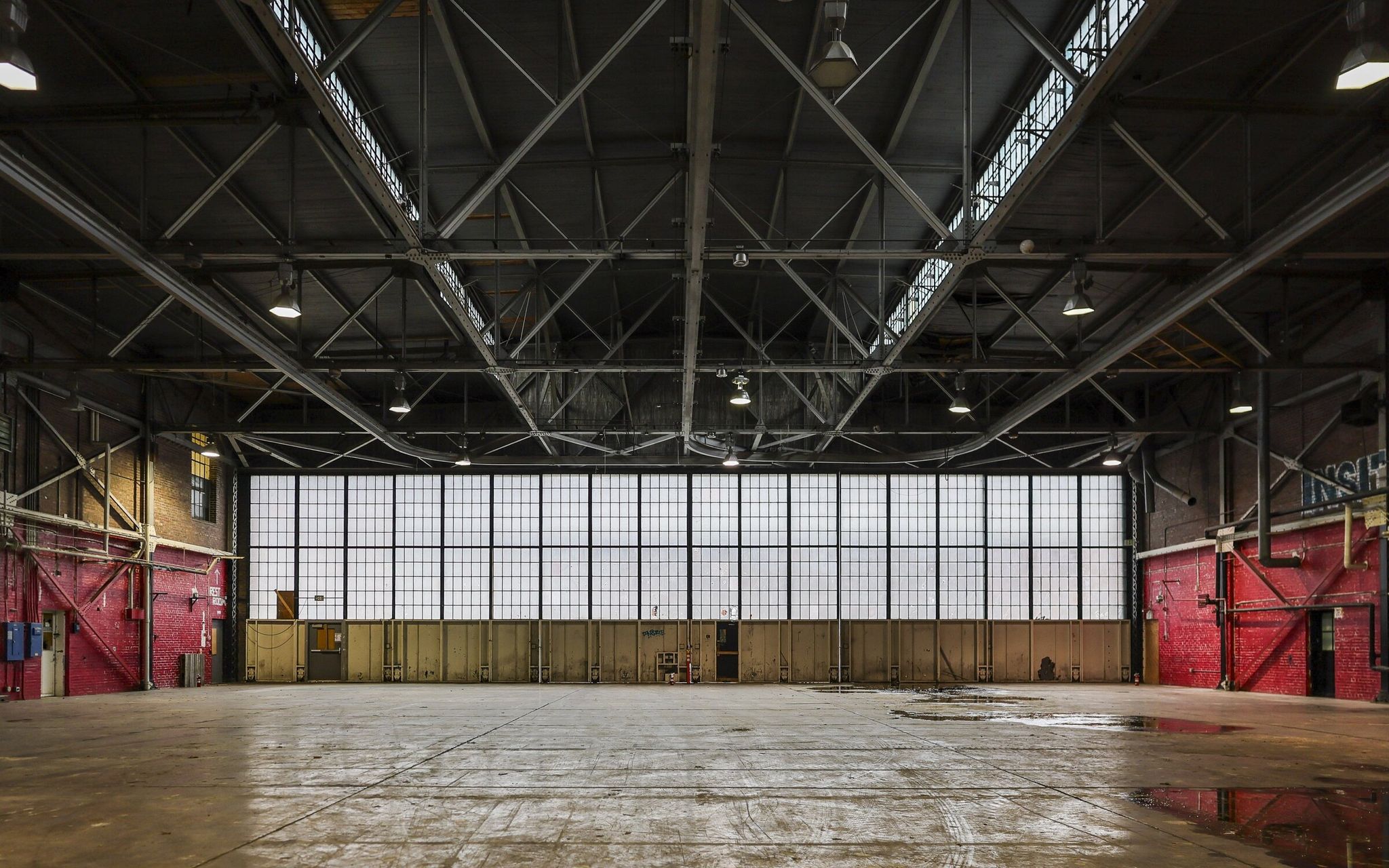
Building 2 itself has a rich history. It was built in 1929 as part of the Sand Point Naval Air Station, a major center of naval aviation in the Pacific Northwest that operated from the 1920s through the 1970s, and was expanded in 1941. The paired hangar played a key role in assembling and repairing aircraft during the war and was then used by the U.S. Navy until 1970. Its legacy, like that of the whole base, symbolizes the shift from military use to public space. Later it hosted film shoots, exhibitions and indoor soccer, but since 2010 it has been largely vacant, with only a small workshop occupied by a vocational training program today.
Magnuson Park, spanning 350 acres, already offers successful examples of converting former military facilities. Other hangars now house Arena Sports soccer fields, a fairly common presence in Seattle suburbs, as well as headquarters for climbing, cycling and sailing clubs. The park also features a beach, sports fields, a tennis center and an art gallery. That experience serves as a model and inspiration for the ambitious Hangar2 project.
The Hangar2 concept began back in 2016, when the city Parks Department requested proposals to redevelop the building. One proposal, from a nonprofit group that later became the core of Hangar2, was rejected due to lack of funding. In 2019 the group received conditional approval, but the pandemic froze the process. Activity resumed only last year: a website launched, building tours began, and a banner with the project’s vision was placed on the facade.
Organizers, including Roberts, landscape architect Chris Snyder and former NBA player Spencer Hawes, point to the hangar’s vastness and historic character as the project’s chief assets. They imagine a single open space 400 feet long created by removing the wall between the two hangars, framed by old steel beams and industrial windows — a “big light” that will breathe and inspire.
Inclusivity is declared a central principle of Hangar2. Organizers intend to use a variety of programs and scholarships to attract kids of all backgrounds, abilities and income levels. Former professional athletes on the project team see their mission as giving the new generation opportunities they themselves once lacked.
Based on: New push to redevelop huge hangar in Seattle’s Magnuson Park