
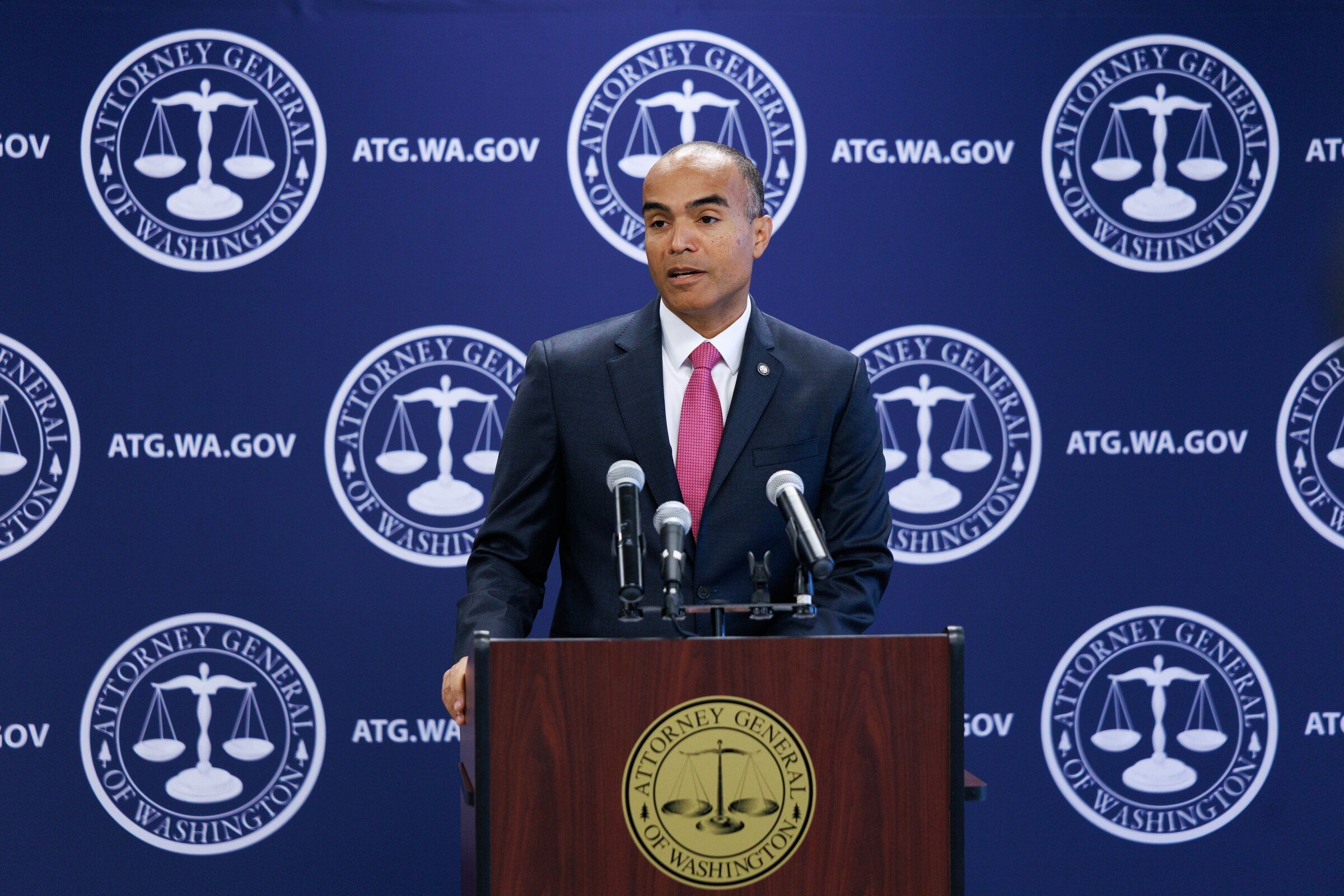
Washington Attorney General Nick Brown has decided not to pursue legislation restricting minors’ use of social media. He said a court settlement with Meta provides a broader set of measures than could have been negotiated in the state Legislature. Under the nationwide $17.1 billion settlement, the company will pay Washington $237 million.
The settlement imposes a two-hour daily limit on Instagram and Facebook use for users under 18 for five years. If other platforms join, the limit will fall to one hour per day and remain in effect for 10 years. Notifications will be disabled during school hours, access to the apps will be blocked from midnight to 6 a.m., and teens will be able to choose a chronological feed instead of an algorithmic one. Meta also plans to remove cosmetic filters and like counters.
Enforcement of these measures depends on age verification, raising privacy concerns. By August 2027, Meta must implement an appropriate system, and one year later it must delete accounts belonging to users under 13 and change how its services operate for minors. The company may use third-party solutions or develop its own technology. Possible methods include facial recognition, document checks and analysis of personal data. Child advocates note that Meta may already be capable of estimating users’ ages with sufficient accuracy based on their behavior.
Compliance will be monitored through legally enforceable court documents. The attorney general will be able to demand reports from Meta, inspect the implementation of the measures and go to court over violations. The court, in turn, will retain the authority to interpret the settlement, consider claims of noncompliance and impose the specified penalties. However, the agreement applies directly only to Meta. If TikTok, Snapchat and YouTube do not join, Washington will have to conduct separate investigations, negotiate with or sue each platform. This could reduce the effectiveness of the restrictions, as teens would be able to move to other popular services.
The Protecting Children Online bill failed to receive the necessary support in the state Legislature for two consecutive years. The disputes concerned free speech, privacy and the influence of algorithms. Technology companies and industry groups warned that the new requirements would lead to the collection of additional personal data, restrict teenagers’ access to information and result in costly litigation. LGBTQ+ organizations feared that age verification, parental controls and vague rules concerning “harmful” content would disproportionately affect LGBTQ+ teens and limit their access to safe online communities and vital information.
The bill would have made a nonalgorithmic feed the default setting. The court settlement avoids the constitutional disputes associated with that provision, but leaves open questions about oversight after the agreement expires and about whether other platforms will join. Bill sponsor Lisa Callan said she would return to legislative measures if the other social networks did not adopt similar restrictions.
Based on: WA AG will not pursue youth online protection law after Meta settlement