
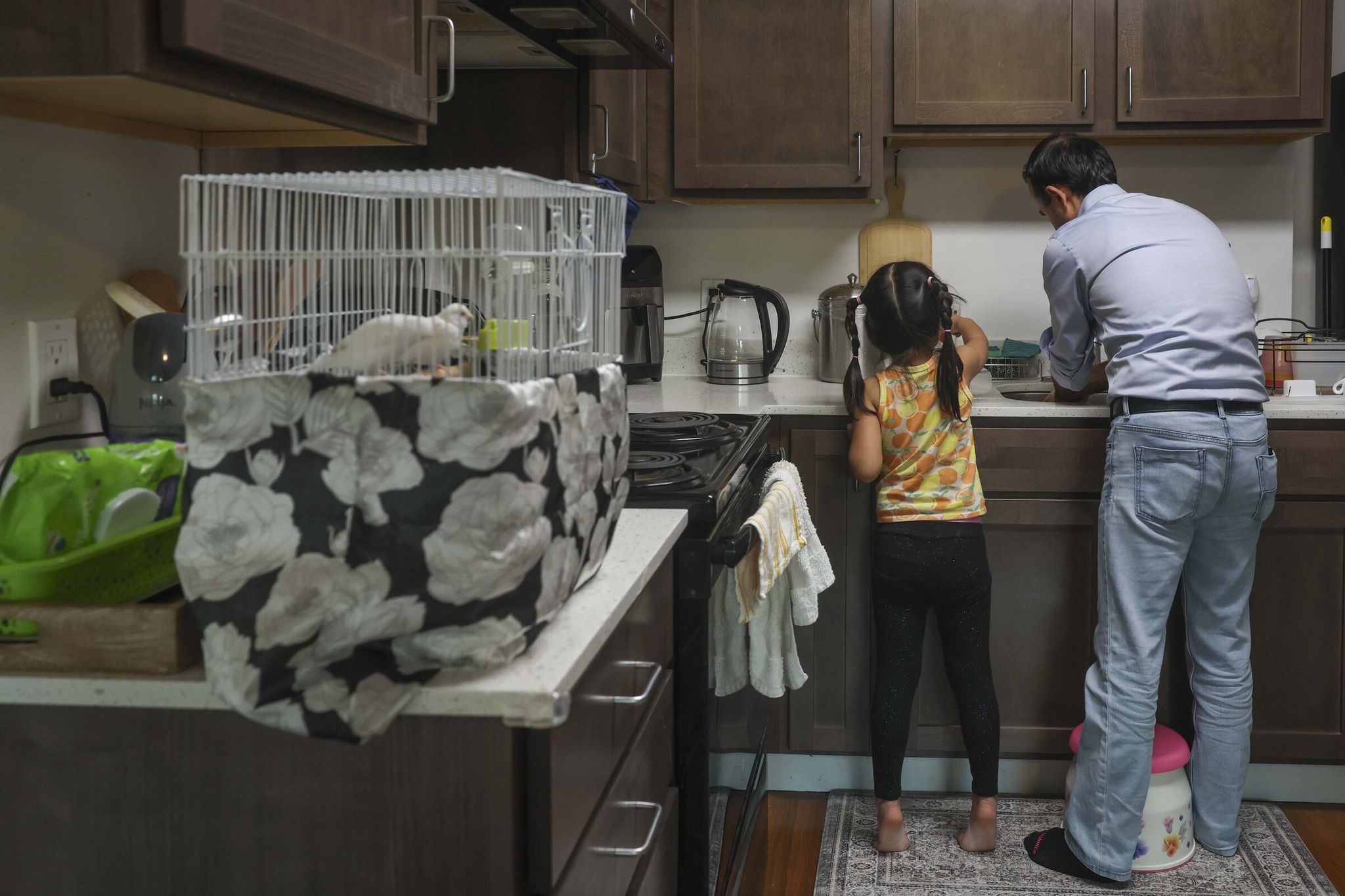
The story of Saed and Pari reflects the fate of thousands of Afghans forced to flee after the Taliban returned to power in 2021. A former professor and a schoolteacher, they helped build a new Afghanistan alongside the U.S. government, but overnight they lost everything, making a harrowing 24-hour journey to Kabul with their two young daughters. They were among roughly 200,000 Afghans who arrived in the United States, including more than 15,000 in Washington state, where they encountered unfamiliar cultural and social expectations.
Washington state, and Seattle in particular, became a primary resettlement hub thanks to long traditions of welcoming refugees, a developed support network, and established immigrant communities. Progressive policies, assistance infrastructure, and a relatively tolerant social climate draw newcomers here. The Afghan diaspora in the Seattle area began forming in the 1980s after the Soviet invasion and by 2021 had become an established community concentrated in southern suburbs like Kent and Federal Way.
The political backdrop to their adaptation proved extremely unstable: initial promises of safety and support from the Biden administration gave way to suspicion under the Trump administration. A turning point was an incident in Washington in which an Afghan immigrant from Bellingham shot and killed two National Guard servicemembers. Trump used the case to argue that refugee vetting was insufficient, although investigations showed the shooter suffered from untreated post-traumatic stress disorder following military service.
Mental health became a serious issue for many Afghans: according to a 2023 survey, more than half of recent arrivals reported psychological difficulties, and three-quarters of them had not received professional help. Stigma around mental health in Afghan culture and a shortage of Dari- and Pashto-speaking specialists worsen the situation, leaving many without necessary support.
The stress of fleeing compounds past trauma and new pressures in a foreign country. Refugees try to build stable lives while coping with violence, chaotic departures, and separation from loved ones left in danger. These difficulties have been intensified by cuts in support: the Trump administration reduced funding for resettlement programs, leaving organizations that help with housing, employment, and medical care without needed resources. Lutheran Community Services Northwest (LCSNW), the International Rescue Committee (IRC), and Refugee Women's Alliance (ReWA) play key roles providing such assistance in Seattle and Washington state. They collaborate with state agencies like the Washington State Department of Social and Health Services, as well as local mosques and centers such as the Afghan Health Initiative.
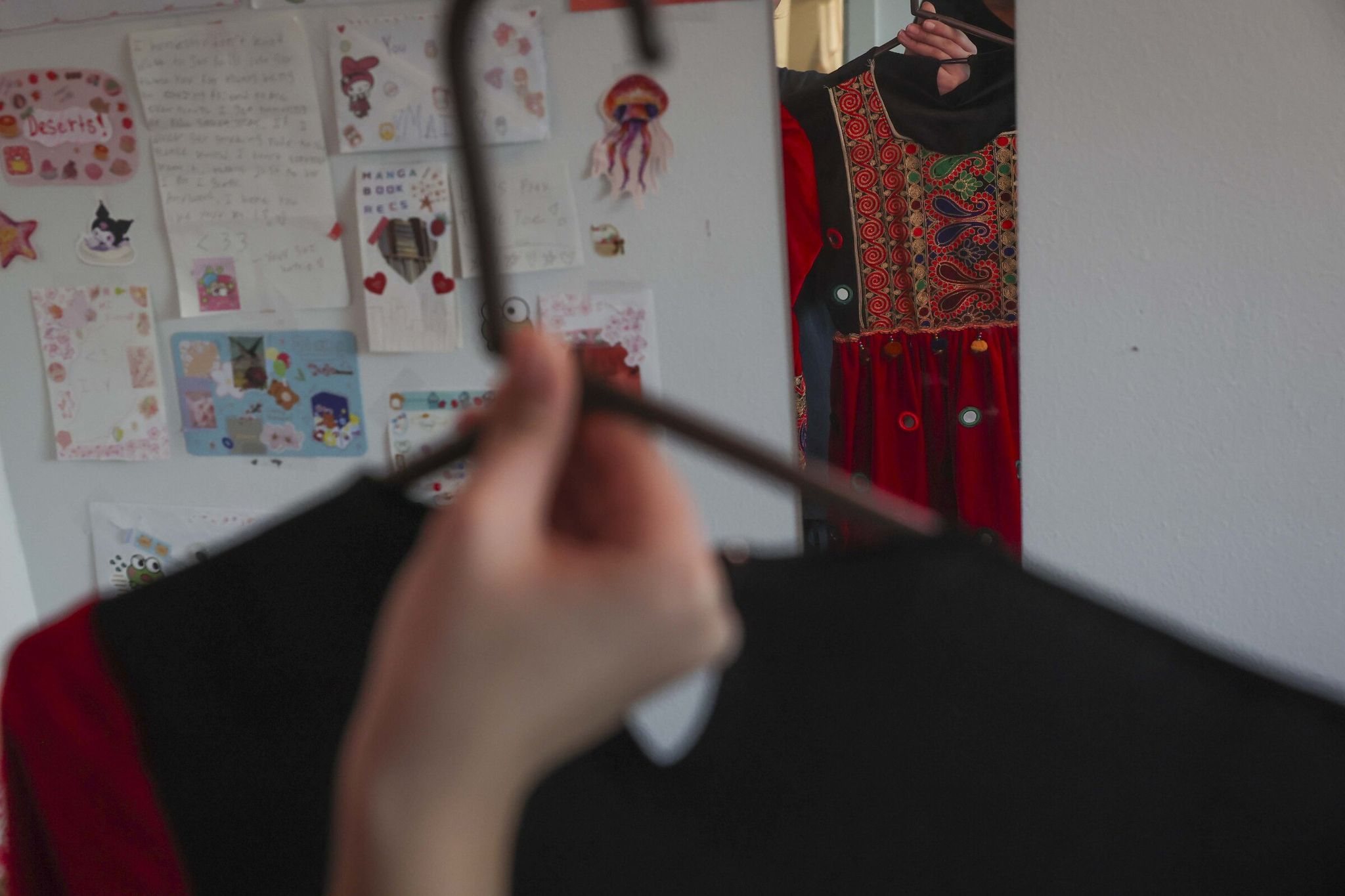
Pari, Saed’s wife, describes the move as a radical life change, especially for a woman. In America she gained freedom not only from social restrictions but also from a marriage that had never been her conscious choice. Her story illustrates the profound transformation many Afghan women experience upon entering a new cultural environment, though many still remain isolated at home.
The shock of displacement was immediate and deep. Social workers in Seattle note that even those accustomed to working with war victims observed a particular condition among Afghans they called "trench shock." Unlike other refugees who live in camps for years, most Afghans arrived directly after their government’s collapse, without time to process the loss of their homeland. Many families were separated, and some children arrived completely alone, without parents.
Pari vividly remembers the urgency of their escape. In August 2021 Saed called her at the school where she taught English to say they had to leave that day. After an exhausting trip to Kabul they were denied entry to the airport, and they hid for 70 days before they were able to fly via Qatar to a military base in New Jersey and then to Seattle, where local volunteers greeted them with flowers and a welcome sign in Dari.
Everyday American life has been difficult for many Afghans. Educational gaps have been a serious barrier: UNICEF data show that in 2021 only 52% of Afghan men and 27% of women were literate, limiting employment opportunities. Unfamiliar technologies and systems led to problems: some lost their cars due to missed payments, others lost places in housing queues because they missed online check-ins.
Economic hardships are growing more severe, and Seattle’s labor market characteristics exacerbate them. The market is heavily skewed toward high-paid tech jobs, creating a barrier for refugees without relevant education. At the same time, a high cost of living — including some of the nation’s priciest rents and transportation expenses — places a heavy burden on families. Often only men work outside the home, finding low-paid jobs as cleaners or warehouse workers, increasing financial strain. The threat of eviction became constant for many families. One volunteer bitterly noted, "Instead of getting better, the situation is getting worse," as some helpers burn out while others continue working to fill gaps in support.
The language barrier remains one of the most serious obstacles. The Afghan population in the Seattle area has tripled, but the number of Dari and Pashto interpreters has not increased accordingly. In early 2024 volunteers shared worries about families trying to survive on low-paid work while supplementing income with food stamps and small cash assistance.
Based on: Eyed with suspicion, WA Afghans find pain and promise in American life