In recent weeks, in the foreign-policy pages of Turkey, India and Brazil, the United States almost always appears in the same context: war and oil. Joint US and Israeli strikes on Iran, a sharp increase in American military presence in the Middle East, and the parallel use of energy policy and sanctions as instruments of pressure have turned Washington into the main object of debate. From Turkish regional newspapers to Indian leftist portals and Brazilian political columns, discussions of America again evoke the debates from the era of the invasion of Iraq, but against a new economic and political backdrop.
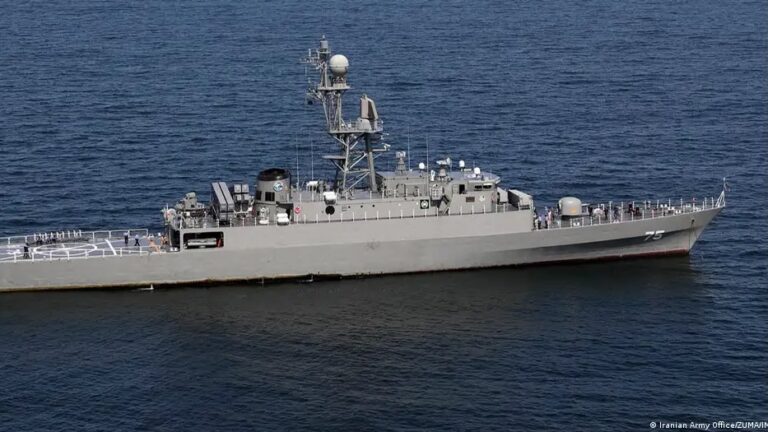
The central axis of all three discussions is the war that began at the end of February 2026 against Iran, in which the US participated not as a "hidden conductor" but as an open actor in strikes and the subsequent buildup of troops in the region. In Brazilian and Turkish pieces this war is immediately described as "American‑Israeli" and linked to a broader White House course of strengthening military presence in the Middle East—the largest since the 2003 invasion of Iraq.(pt.wikipedia.org) In India these events are read primarily through the prism of vulnerability in the country’s own energy security and Delhi’s political compromises vis‑à‑vis Washington and Tel Aviv.(peoplesdispatch.org)
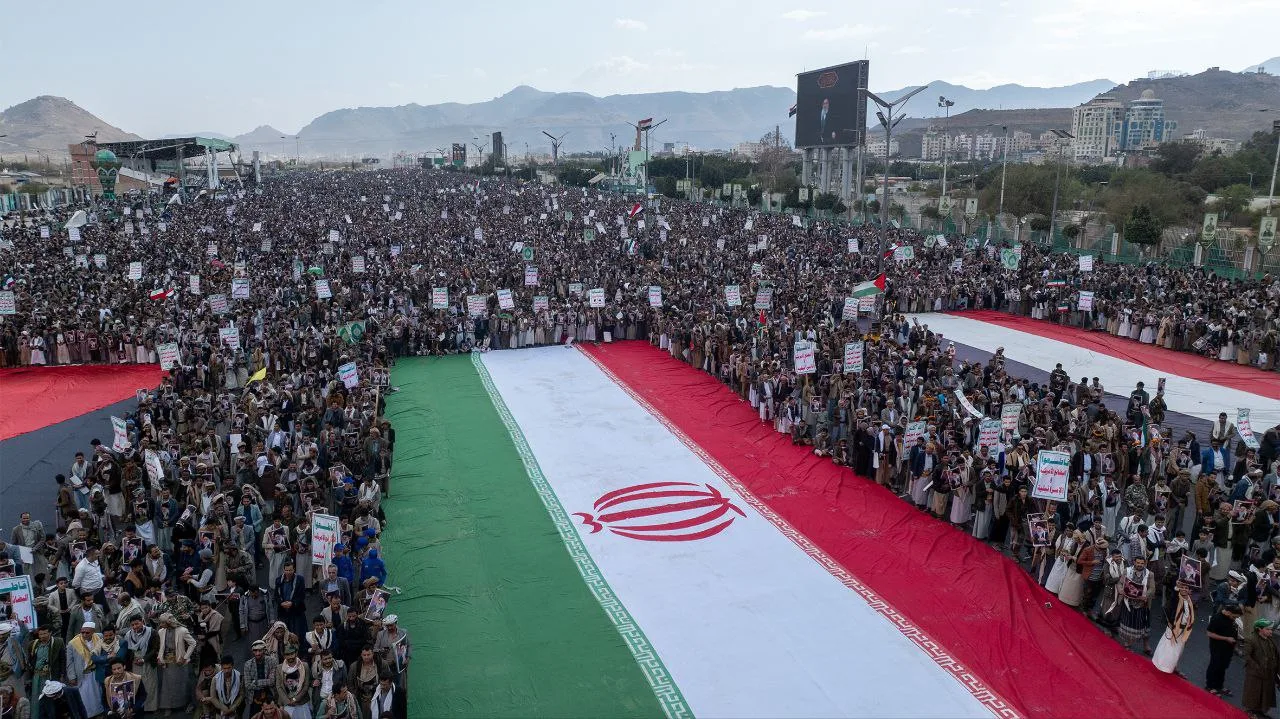
The first common motif is the US war against Iran as a test of sovereignty and strategic independence. Turkish coverage—from analyses on conservative and Islamist platforms to leftist union publications—emphasizes the geographic proximity of the front to the Turkish border and thus heightens the emotional tone: drone and missile attacks, discussion of the vulnerability of border regions, fear of Turkey being drawn into the conflict. Against this backdrop there are calls to "close American and NATO bases" and to end any US and Israeli military infrastructure on Turkish territory: in Gaziantep regional press, union activist Doğan Eroulları explicitly states that "the government must immediately cease all US and Israeli military activities in Turkey; NATO and US bases must be closed immediately."(gaziantepsabah.com)
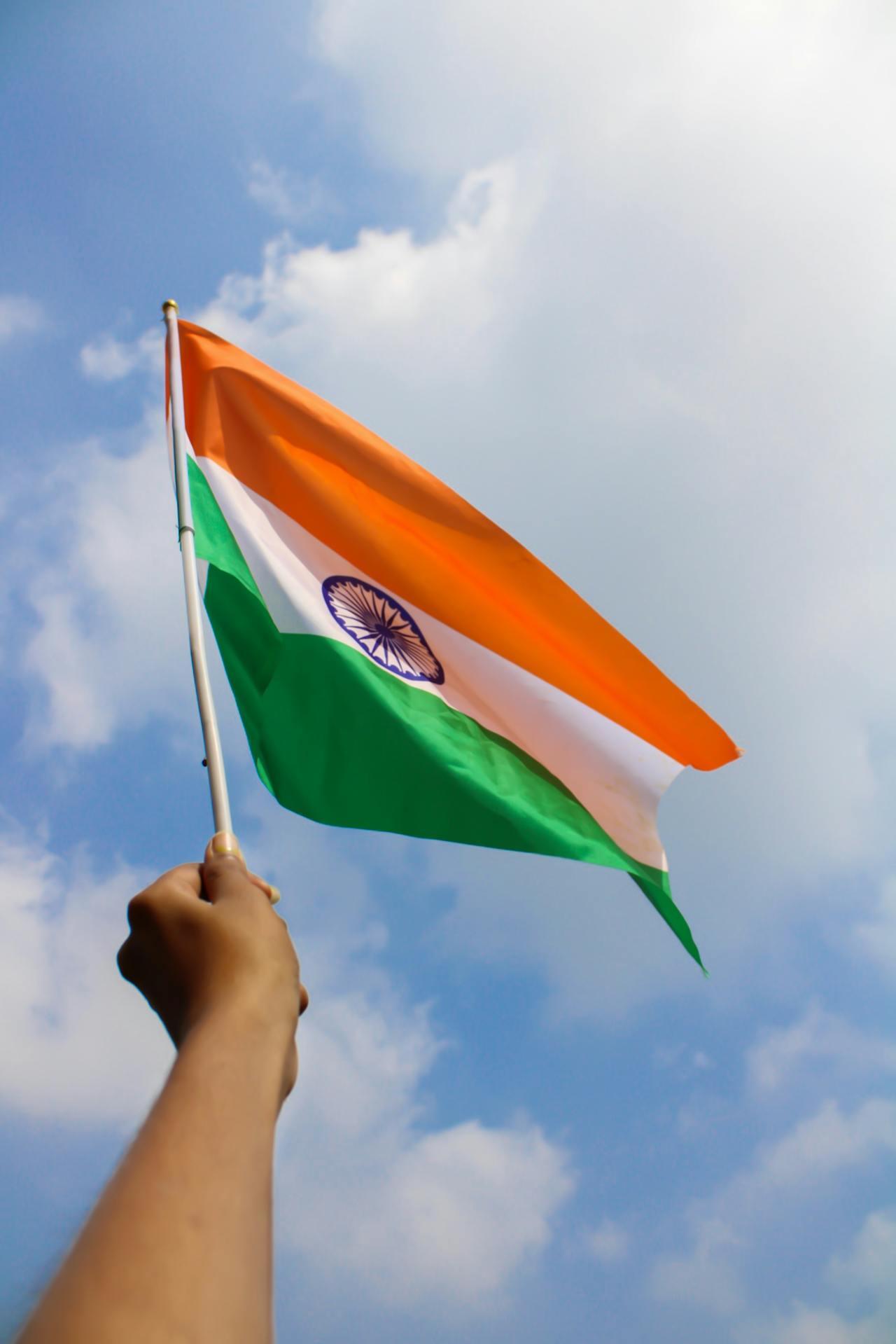
In India the war against Iran is perceived not as a direct military threat but as a political exposure of Narendra Modi’s course. The leftist portal Peoples Dispatch, in an article with a pointedly harsh headline about the "emptiness" of Indian foreign policy, argues that the American war has revealed Delhi’s dependence on the US and the Israeli lobby. The author links India’s positions on Iran and Palestine to the interests of "large corporate houses" that Modi "has served throughout his political career," rather than to any considered strategy.(peoplesdispatch.org) On Indian social media and discussion platforms this criticism intensifies into accusations of the prime minister being "compromised" before Washington, up to conspiratorial motifs about the influence of Trump’s circle and Israeli interests on Indian diplomacy.(reddit.com)
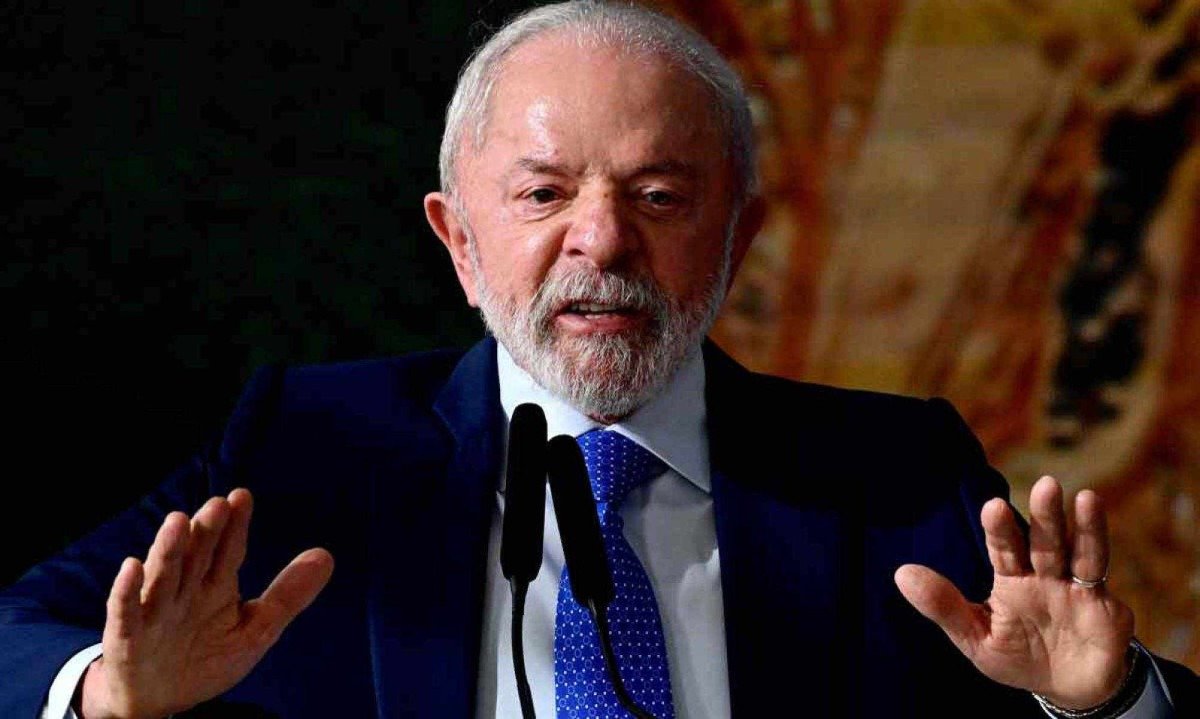
The Brazilian perspective draws on its own painful experience of dependence on American military and sanctions agendas. Center‑left and left commentators in São Paulo and Belo Horizonte, discussing the war against Iran, draw direct historical parallels with the occupation of Iraq and call the US "still belligerent and aggressive," now adding the "climate denialism" of the Trump era to that description.(brasildefato.com.br) In a recent column in a leading Minas Gerais outlet, commentator Luís Carlos Azedo notes that a war with US and Israeli bombings carries not only the risk of escalation but also a threat to "Iran’s cultural heritage"—from the Golestan Palace to other symbols—and that this global crisis complicates Lula’s reelection by increasing inflation and putting pressure on the transport sector.(em.com.br)
The second recurring storyline is US pressure on energy markets and attempts to use oil as leverage in relations with India and Brazil. In the Indian debate a key theme has become the American agreement to a temporary "breathing space" for Russian tanker deliveries while simultaneously pushing Delhi toward more expensive American oil. Leftist analysis claims that US Treasury Secretary Scott Bessent "generously" offered India a month to buy already‑en route Russian shipments and then transition to pricier US oil—a vivid example of how Washington turns sanctions into a commercial and political instrument.(peoplesdispatch.org) One Indian Reddit discussion characterizes this as US "strategic realism": formally Washington allows India to soften the blow of sanctions, but in practice pushes it into dependence on American supplies and reduces room to maneuver between Moscow and Washington.(reddit.com)
At the same time, business and expert pieces in English aimed at an Indian audience discuss a new US‑India trade package in which US tariff reductions are linked to India’s commitment to redirect some crude purchases to American and Venezuelan barrels.(finance-monthly.com) Indian commentators are divided here: some see an opportunity to reduce critical dependence on Russia and strengthen the strategic partnership with Washington in the face of China; others see another example of how the US is rewiring global energy flows to suit its own interests, with little regard for the social cost to developing economies.
In Brazil the oil and trade issue appears mainly in numbers: exports to the United States in the first two months of 2026 fell by 23.2% compared with the previous year, according to Amcham Brasil monitoring.(sindicarne.com.br) For Brazilian industry and business outlets this is grounds to talk about the fragility of bilateral ties and the extent to which the American agenda—from sanctions to tariff decisions—makes the Global South a hostage to other countries’ strategic games. In columns targeted at a domestic audience this is presented much more harshly: the US is described as a partner that readily uses tools like the Magnitsky Act or visa sanctions to interfere in Brazil’s internal affairs; the 2025 episode when Washington applied targeted measures against Brazilian officials and even put the national payment system PIX into doubt is cited as an example of how trade‑economic figures and human‑rights rhetoric in American discourse are easily welded into one package of pressure.(pt.wikipedia.org)
The third common motif is fatigue and distrust toward US "belligerence," while within the United States a new global framework is being discussed—such as the "Shield of the Americas" initiative—and the appointment of a special envoy for that direction.(pt.wikipedia.org) In Brazil and Turkey such moves are perceived as a signal of militarization of the Western Hemisphere and increased American control over logistics and security, not as a neutral "collective defense." For parts of the Turkish and Brazilian left, any strengthening of US military architecture is automatically read through experiences of coups, interventions and "exports of democracy." Brazilian politician and former justice minister Tarso Genro explains this in an interview with a left outlet: the United States "will remain a warring and aggressive country," and Trump’s arrival with his climate denial turns the US into a factor of climate destabilization—particularly dangerous for Latin America with its inequality and vulnerability to climate shocks.(brasildefato.com.br)
In India the skepticism is expressed in more pragmatic terms: analytical and user discussions emphasize that the US does not want India to become a "second China" and will shape policy to limit its potential as an independent center of power, despite all the rhetoric about a "strategic partnership."(reddit.com) At the same time, that same audience acknowledges that without US technology and capital India will find it difficult to catch up with China. That produces a particular Indian cynicism: strategic rapprochement with the US is seen as inevitable, but not as a partnership of equals.
The fourth crosscutting motif is how Washington’s wars and sanctions are woven into the domestic politics of Turkey, India and Brazil. In Turkey anti‑American rhetoric becomes part of criticism of the ruling party: the demand to "close US and NATO bases" sounds not only as a foreign‑policy slogan but also as a social one—these texts also discuss rising poverty, the high cost of living, and the sense that the "regime’s" foreign policy plays into the interests of the US and Israel rather than protecting Turkish society from the risks stemming from the conflict with Iran.(gaziantepsabah.com)
In India the opposition Congress has already announced it will raise in Parliament the issue of the US‑Israel attack on Iran and "deviations" in Indian foreign policy, making issues of war and oil a weapon against Modi amid upcoming budget debates.(deccanherald.com) Left media like Peoples Dispatch build a narrative that alignment with Washington and Jerusalem runs counter to India’s historical course of non‑alignment and solidarity with the Global South. Online, users emotionally sketch hypothetical mirrored scenarios, comparing Modi’s silence on Iranian victims with how India would react if the US supported Pakistan in a similar attack on an Indian school.(reddit.com)
In Brazil the war and Washington’s sanctions are tied into the fight for Lula’s reelection in 2026. Political commentators warn that the war in the Middle East, rising oil prices and global turbulence could turn American foreign policy into a hidden actor in the Brazilian campaign: any new US escalation that boosts inflation and weakens Brazil’s exports to the American market will hit Lula’s ratings.(em.com.br) Memories of the recent 2025 diplomatic crisis—when Washington applied targeted sanctions against Brazilian judges and officials—continue to feed suspicion toward the US as a partner willing to use "anti‑corruption" and "human‑rights" rhetoric as tools of pressure at sensitive electoral moments.(pt.wikipedia.org)
Local images and comparisons that would hardly arise in the United States itself are particularly valuable. In Turkish discourse about the border with Iran there is a motif of the "ancientness" and resilience of the region, which also appears in Indian debates: one Indian commentator sarcastically noted that responses to US and Israeli threats should be like those in Ankara, where it is reminded that the Turkish border with Iran is older than the American state itself.(reddit.com) In Brazil the war against Iran is brought into the realm of cultural memory: it’s not only about oil and geopolitics but also about palaces and mosques that could be destroyed by bombings, and Brazilian commentators draw parallels with their own fears for the Amazon and historical city centers under pressure from global capital.(em.com.br)
The common conclusion from these three perspectives is this: America remains an indispensable center of power, but is increasingly less seen as a desirable leader. Turkish, Indian and Brazilian debates converge on three points. First, the US is viewed as an actor ready to use large‑scale force and sanctions to pursue its interests, even if that undermines the stability of entire regions. Second, Washington is increasingly associated with the instrumentalization of energy: oil, gas, tariffs and sanction "windows" become part of its political toolkit and a source of vulnerability for partners. Third, American decisions are ever more deeply woven into other countries’ domestic debates, affecting elections, protests and social conflicts.
This picture is far from black‑and‑white. In India the strategic necessity of cooperation with the US in the face of China continues to be acknowledged; in Brazil some elites see Washington as a counterweight to China and a modernization tool; in Turkey the military and part of the bureaucracy view NATO and American bases as insurance against regional turbulence. But in public and intellectual discourse—judging by March publications and debates in Turkey, India and Brazil—by 2026 the US is above all a country that is again fighting in the Middle East, pressing with sanctions and oil, and whose decisions are too often made without regard for how they will be received in societies neighboring the battlefield. It is at this point that a new Global South skepticism toward Washington is born—skepticism that can no longer be fully understood by reading only the American press.