In the first days of November, the main topic of discussion about the United States in Saudi Arabia, Israel and Russia was not so much Washington’s power as the limits of its use. Talks over Iran and the Strait of Hormuz, the prospect of another round of US strikes, the security crisis on the Arabian Peninsula and attempts to restore Russian-American dialogue are seen in these countries as parts of a single picture: the White House can abruptly shift the balance of power, but its partners and adversaries are increasingly trying to gauge where American resolve ends and domestic political calculations, oil prices and fear of a prolonged war begin.
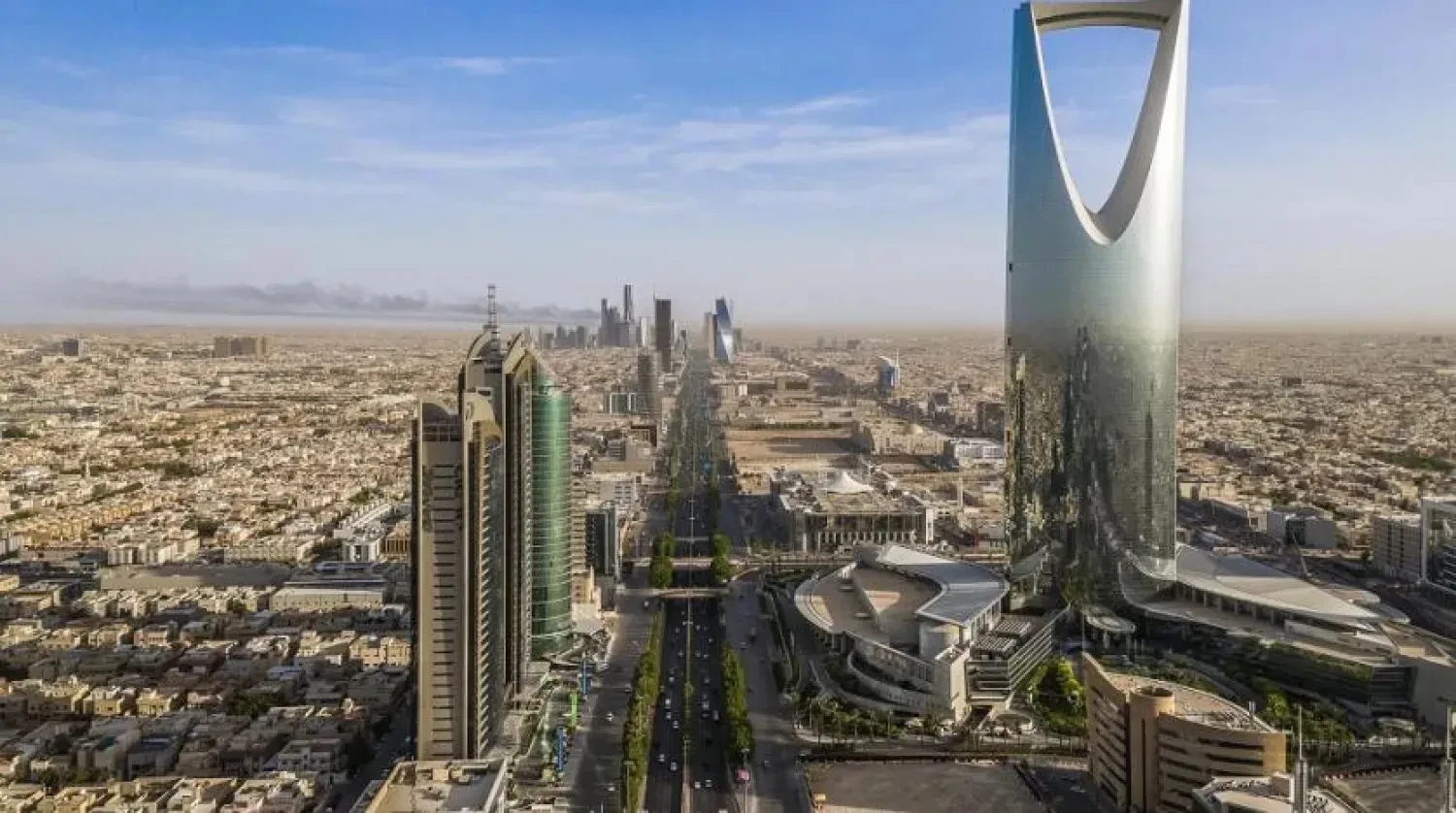
This is most evident in the Saudi debate. For Riyadh, US policy toward Iran is no longer an abstract matter of diplomacy: it is measured in the security of airports and oil infrastructure, and in the kingdom’s appeal to investors. Saudi writer Hassan Al-Mustafa, in a column for Arab News, sums up the prevailing local view without diplomatic circumlocution: talks with the Houthis must not become a reward for attacks, and “development must be protected by force.” This formulation matters precisely because the issue is not simply the war in Yemen. In the Saudi view, Houthi strikes are a way for Iran to shift the pressure of its confrontation with the United States onto the territory of a country trying to remain a regional power, an oil exporter and a base for long-term modernization projects all at once.
Hence the ambivalence toward the United States. The Saudi press welcomes American intelligence, logistical and political support, but does not conceal its disappointment at the absence of direct military intervention. US envoy Tom Barrack called a US ground operation in Yemen futile, offering assistance without entering another war; Al-Mustafa counters that such caution ignores the experience of recent years, when concessions only strengthened the adversary. This is not an anti-American position, but a demand of an ally: if Washington calls the security of the Persian Gulf a shared interest, it should not limit itself to statements. Against this backdrop, it is particularly significant that the US administration publicly condemned the attacks on the kingdom and reaffirmed its solidarity with it, as reported by the Saudi newspaper Al-Watan. But in local discourse, words of support no longer answer the central question: how far is America really prepared to go to protect its partner?
Israel’s response to the same American policy is markedly different. Jerusalem is not asking Washington to fight in Israel’s place, but fears that the White House could turn military pressure on Iran into a deal that leaves Tehran room to rebuild its strength. Israeli publications are closely tracking negotiations over reopening the Strait of Hormuz, the terms of possible sanctions relief and the extent of US coordination with intermediaries. An operational update by Globes notes that Iran is tying the reopening of the strait not only to the lifting of new sanctions, but also to a reduction in the US military presence in the region. To Israeli readers, this looks less like a technical compromise over shipping and more like an attempt by Tehran to trade control over a key sea route for a strategic weakening of the United States.
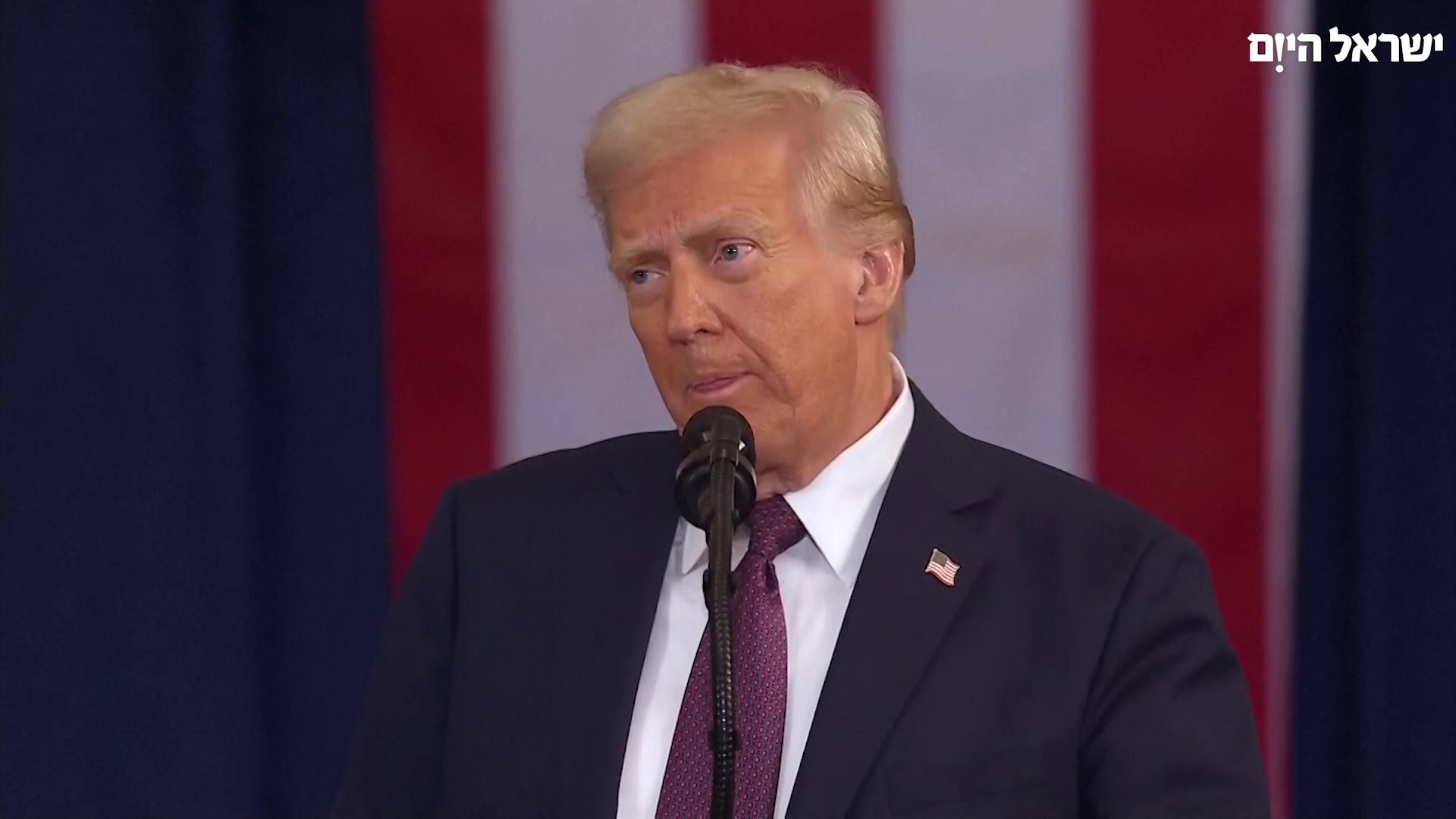
This is where a characteristic Israeli suspicion of American diplomacy comes into view: short-term de-escalation may prove to be a threat deferred. Israeli analysts assume that the US administration wants to keep oil prices in check, prevent the war from expanding and show voters results—all at once. Decisions on further strikes or pauses are therefore viewed through the lens of the American political calendar. As early as October, Israeli sources said the likelihood of an independent Israeli attack before the US vote was low precisely because Donald Trump wanted to prevent an oil-price spike, as Globes noted. In other words, Israel sees the United States as an indispensable ally, but also as a power whose actions are increasingly tied to domestic politics.
This anxiety does not necessarily lead to a break with Washington. Rather, it is prompting Israel to embrace the conclusion voiced by a writer for Israel Hayom: Trump’s America acts not on the basis of universal ideals, but in its own interest, and Israel should therefore not expect the Americans to wage war on Iran for its sake. This is an unusually clear-eyed formulation for a country where the alliance with the United States is traditionally seen as the foundation of national security. It does not reject the alliance; it recognizes that the era of unconditional expectations is over.
The Russian debate views the same uncertainty from a different position—not that of an ally demanding guarantees, but of a rival seeking to turn American overstretch into a strategic opportunity. In Russian commentary, Iran, Ukraine and bilateral relations with the United States are closely intertwined. Kommersant columnist Dmitry Drize noted that Trump’s statements about the successful course of an Iran settlement sit uneasily alongside the ongoing blockade of the Strait of Hormuz and attacks on commercial shipping. His conclusion—that “a resolution is inevitable”—reflects a widely held view in Russian analytical circles: Washington cannot sustain a state that is neither war nor peace indefinitely, especially when it hurts the oil market and becomes a factor in domestic politics.
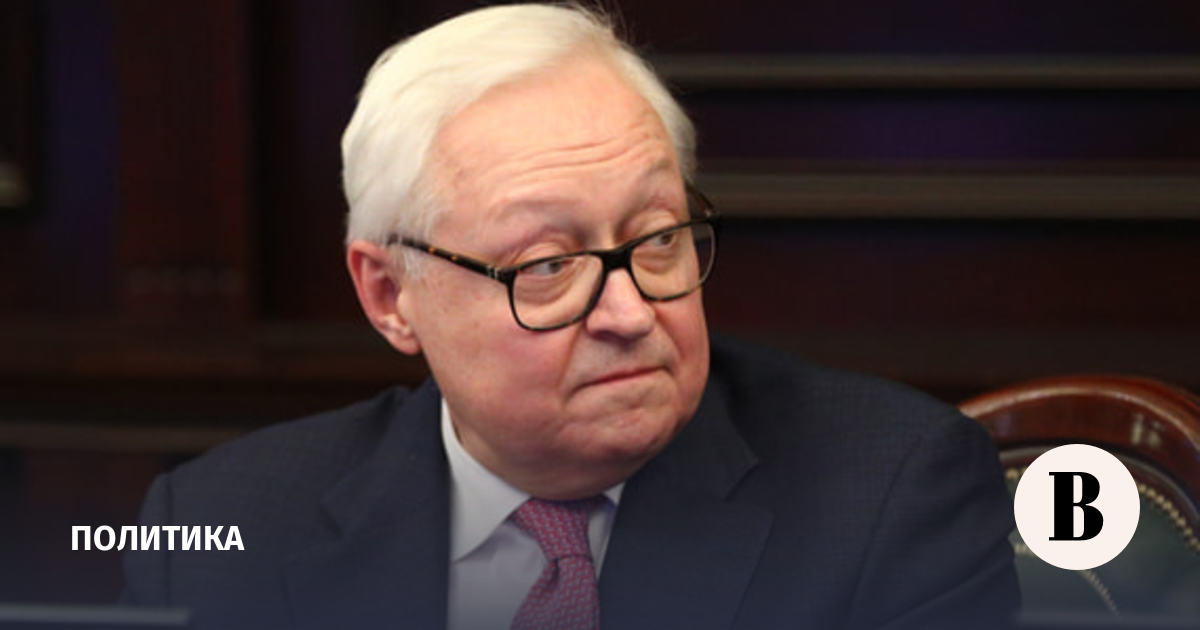
However, Russian observers do not believe that US involvement in the Middle East will automatically give Moscow a free hand in Ukraine. On the contrary, Moscow is trying to keep a channel of communication with Washington open and present itself as a party essential to any broader security framework. Deputy Foreign Minister Sergey Ryabkov said that dialogue with the United States should help resolve the conflict around Ukraine, although no specific date has been agreed for a new trilateral format with Kyiv, Vedomosti reported. Sergey Lavrov’s participation in the G20 foreign ministers’ meeting in Atlanta on October 30–31 became a symbol for Moscow that sanctions and political barriers do not eliminate the need for direct contacts; Russia’s Foreign Ministry used the meeting to promote the idea of a multipolar order, Kommersant wrote.
The most striking common feature of Saudi, Israeli and Russian responses is that all three countries have stopped judging the United States solely in terms of friendship or hostility. Riyadh sees America as a necessary but cautious security guarantor. Israel sees it as a military partner that may prefer a limited deal to maximum pressure. Russia sees it as an adversary with which it still has to bargain, since Washington remains the country capable of influencing sanctions, energy markets, the war in the Middle East and the prospects for negotiations over Ukraine all at once.
But their stakes differ. Saudi Arabia wants to ensure that American restraint does not leave its territory vulnerable. Israel fears that restraint will become an agreement allowing Iran to regroup. Russia hopes it will make the United States more willing to engage in broader negotiations. The image of America in these three capitals today is therefore not that of a declining superpower. It is that of a superpower that still sets the rules of the game, but now has to keep explaining which of its threats it is truly prepared to carry out.