At the end of May 2026, the United States again finds itself at the center of global disputes — not only as a military and economic superpower, but as a political factor directly affecting internal balances in a range of countries. In Turkey, Brazil and Australia, Washington is discussed not abstractly but as a source of very concrete risks and opportunities: from tariffs and rare earth minerals to war with Iran and pressure within NATO. Across all three continents the central figure has become Donald Trump, returned to the White House, whose decisions are perceived as ideologically predictable yet radically unpredictable in form.
Three interrelated themes come to the fore. First, a renewed US confrontation with Iran and an increase in Washington’s military presence in the Middle East, which Turkish authors explicitly describe as “a US-like Israel–Iran war” and a source of pressure on Ankara in the US–EU–NATO triangle.(yetkinreport.com) Second, a global tug-of-war between the US and China that forces both Turkey and Brazil to constantly adjust their “intermediary” course.(yetkinreport.com) And finally, an unusually personalized role for Washington in Brazilian politics: President Luiz Inácio Lula da Silva’s visit to Trump in Washington became in Brasília less a foreign policy event than an episode in the 2026 electoral struggle and the contest for influence between Lulismo and Bolsonarism.(veja.abril.com.br)
Through these three prisms — Iran and the Middle East, US–China rivalry, and the “Trump factor” in Latin America — the image of America is read today in Ankara, Canberra and Brasília.
Turkish view: “active neutrality” under fire from Washington
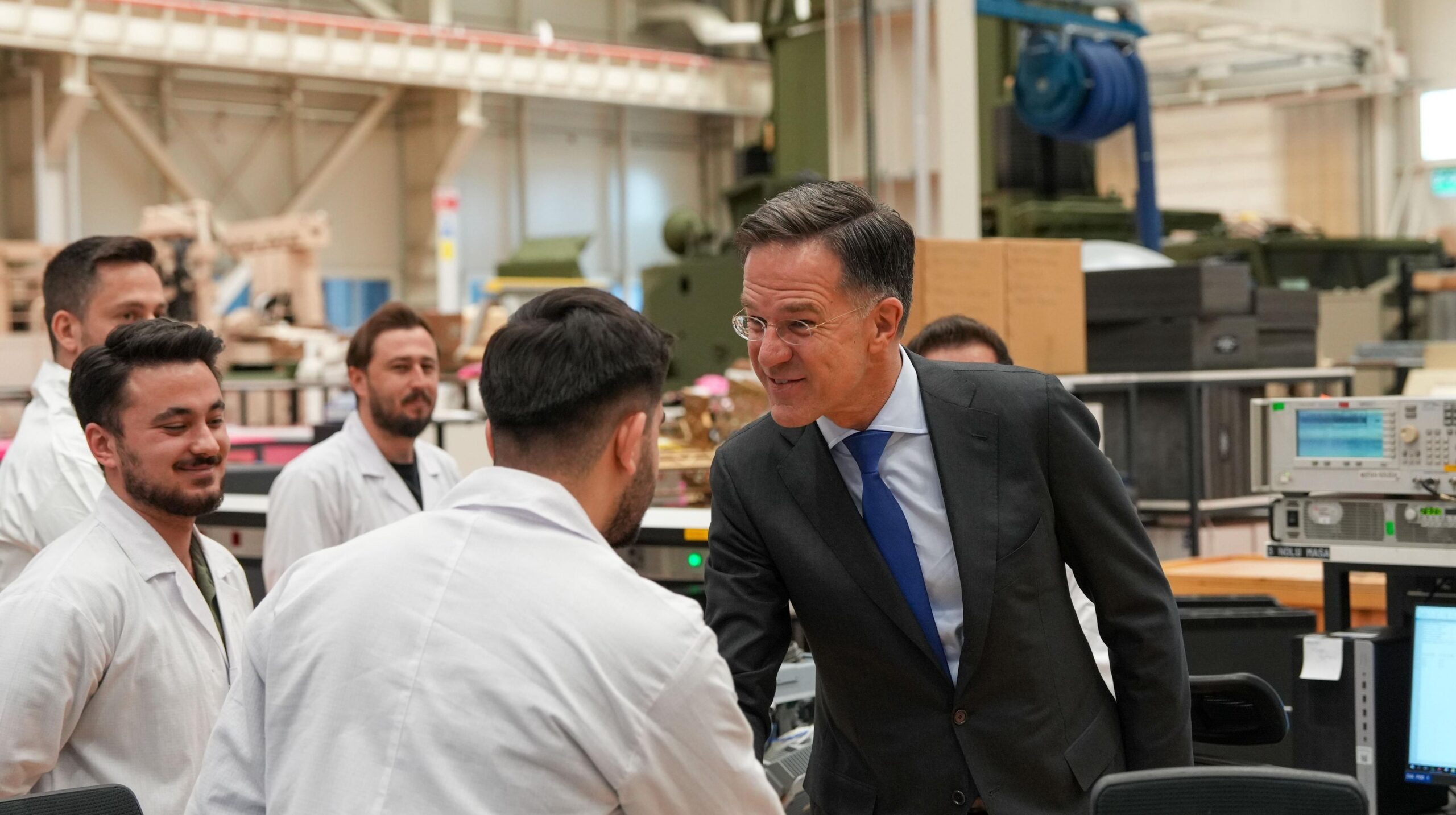
Two clusters dominate the Turkish discussion of America right now: US–Iran and US–EU–NATO. Yetkin Report commentator Murat describes recent weeks as a “deployment of a US-style Israel–Iran conflict,” against which attempts are intensifying to “break Turkey’s delicate balance of active neutrality in the US–EU–NATO triangle.”(yetkinreport.com) In Ankara, “active neutrality” means a policy in which the country formally remains committed to NATO obligations while at the same time staunchly defending its own regional interests from the Eastern Mediterranean to the Caucasus and refusing to automatically follow Washington’s line.
Turkish analysts note that amid war with Iran and new US sanctions, pressure on Ankara runs through several channels at once: NATO standards, energy policy and Turkey’s participation in Western sanctions regimes. An article on Yetkin Report emphasizes that any escalation of US–Iran confrontation increases risks for the Turkish economy — from energy costs to reduced transit flows and tourism — yet in Washington Turkey is still more likely to be seen as an object to be “managed” than a partner to be negotiated with on equal terms.(yetkinreport.com)
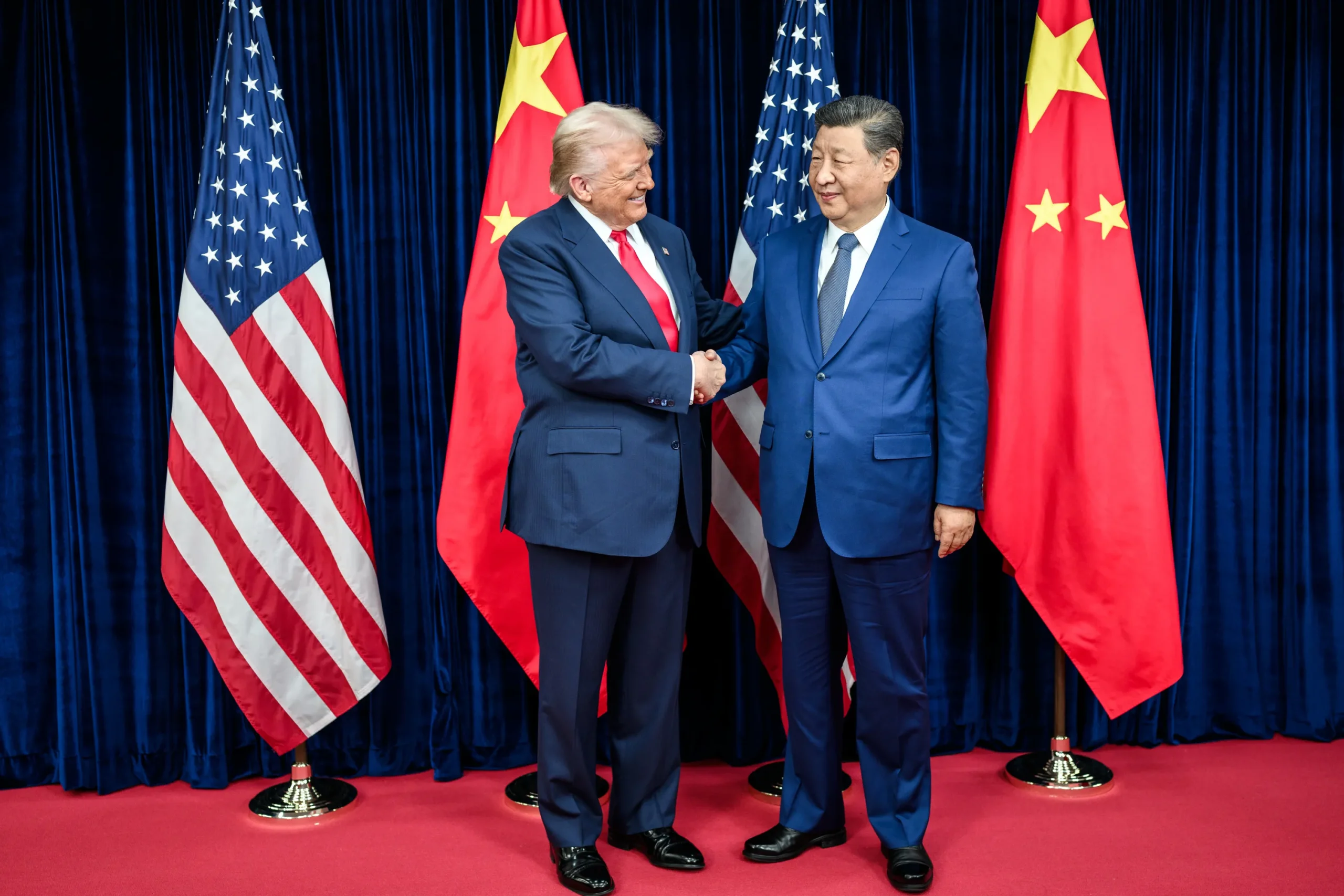
A separate theme is anticipation of Trump’s visit to Beijing and a possible US–China “deal.” Turkish commentator Ahmet Erdi Öztürk on Yetkin Report writes that “US–China negotiations are not simply a meeting of two leaders, but a moment when global trade, energy security, technological rivalry and the maneuvering space of middle powers will be renegotiated.”(yetkinreport.com) For Turkey — which in recent years has been playing a complicated game between Washington, Brussels, Moscow and Beijing — this means even more pressure: the tougher the US line against China and Iran, the harder it will be for Ankara to maintain the image of a “bridge,” and the greater the temptation in Washington to “punish” Turkey for attempts at autonomous geopolitics.
Notably, in Turkish media the American president Trump appears not only as a source of external pressure but as a figure around whom domestic political debates are organized. In Turkish-language online discussions, even on financial forums, his statement that “the US is now the ‘hottest’ country in the world” is widely quoted — in contrast to the Biden period when “the US was dead and a laughingstock.”(reddit.com) For part of the Turkish public this rhetoric resonates with their own anti‑Biden and anti‑democratic sentiments, formed amid disputes over Syria and the Kurdish issue. As a result, American policy in Ankara is perceived not only through institutions and interests but also through Trump’s personal style, which simultaneously irritates and attracts.
Brazil: Washington as the battleground of Lula and Bolsonaro
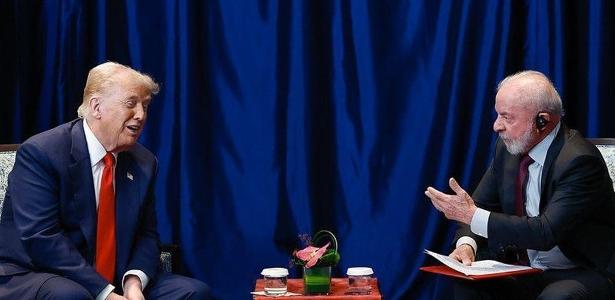
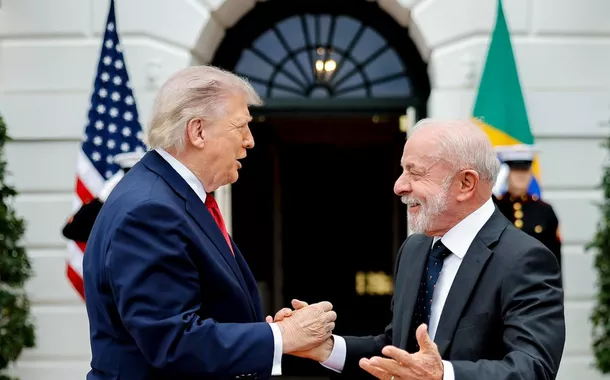
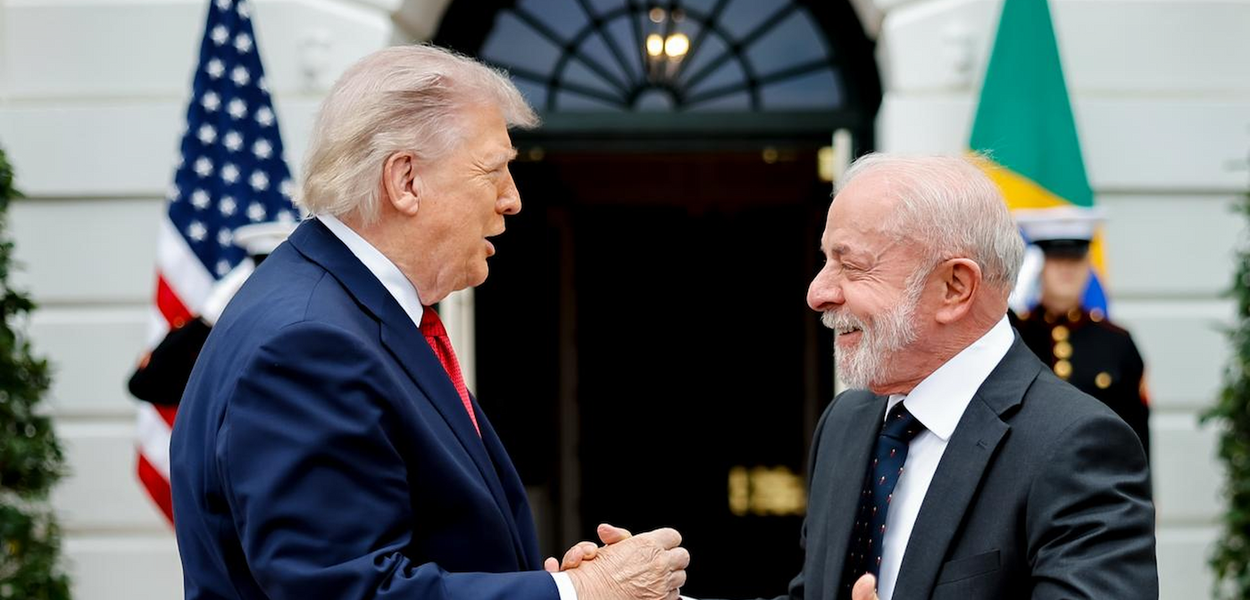
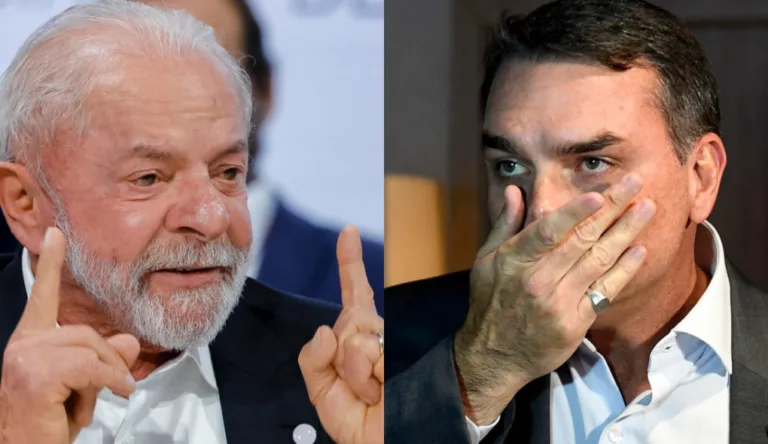
If in Turkey the US is seen primarily as an external factor, in Brazil Washington has become a direct arena of domestic political struggle. Lula’s May visit to the White House and his talks with Trump are treated in the Brazilian press not as a routine summit but as a central episode of the 2026 campaign.
In a UOL column Daniela Lima analyzes in detail how Lula “chose four priority topics for discussion with Trump — and neither Bolsonaro nor the war in Iran made the list.”(noticias.uol.com.br) These were lifting US trade sanctions on Brazilian products, developing deals on rare earth and critical minerals while preserving added value in Brazil, regulation of digital platforms and joint efforts to combat illegal arms trafficking and financial schemes to evade taxes through the US. In other words, for Lula the key question is how to convert relations with the US into economic and political capital at home.
At the same time, economic outlets like Forbes Brasil describe the White House negotiations as tough tariff bargaining, where Trump, having strengthened protectionist measures, faces Brazilian demands to at least “zero out the sanctions list” and not impose new excess tariffs on steel and agricultural products. Minister Márcio Elias stresses that “there is no place for US super‑tariffs on Brazil,” while Lula calls the United States “a main trading partner,” simultaneously complaining about the absence of American companies in major Brazilian infrastructure tenders that Chinese firms are winning en masse.(noticias.uol.com.br)
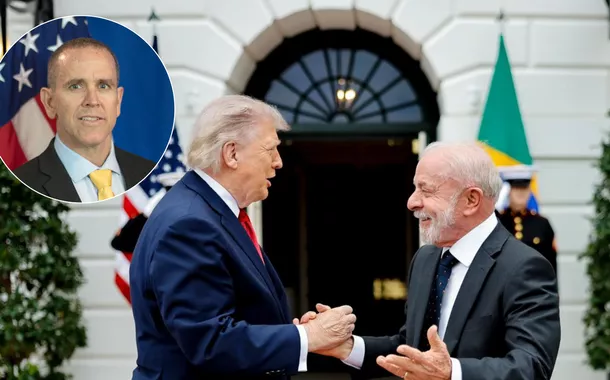
But the main aspect is the purely political dimension of the visit. Veja writes that the Lula–Trump meeting “produced more than a diplomatic gesture” — it redefined expectations about the supposedly irreconcilable confrontation between the leftist Brazilian leader and the right‑wing American president. Political scientists interviewed by the outlet note that Trump’s public compliments to Lula came precisely when Bolsonaro supporters intensified attacks trying to portray the sitting president as an antagonist of Washington.(veja.abril.com.br)
Left‑leaning Brasil 247 uses the visit to build an image of Lula as a “global statesman and defender of Brazilian sovereignty who came to the White House not to bow but to defend his terms.” The outlet emphasizes that in Washington Lula “challenged tariffs, discussed cooperation with the ‘inevitable partner’ and refused the role of junior ally.”(brasil247.com)
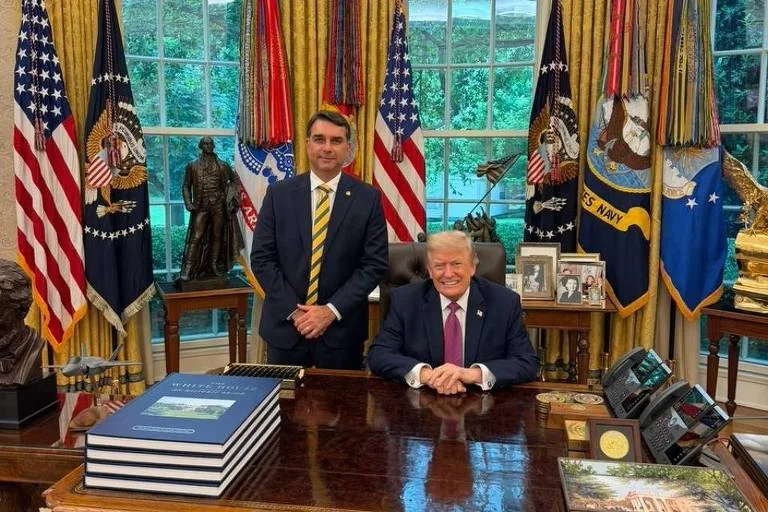
On the other side, Folha de S.Paulo analyzes how Planalto uses the summit with Trump to “isolate Flávio Bolsonaro in the US.” According to the paper, the former president’s son and his allies had long built their own channels of influence in Washington, including entrepreneur Paulo Figueiredo and close contacts with parts of American conservative circles. But when Lula received an official reception at the White House, these parallel lines lost weight. Folha notes that these channels once helped push through a tariff shock against Brazil by portraying prosecutions of right‑wing figures like Jair Bolsonaro as “political persecution.”(www1.folha.uol.com.br)
An interesting perspective comes from Brasil de Fato, which interviewed American analysts about how Flávio Bolsonaro is perceived within the US. Brown University professor James Green and People’s Dispatch editor Zoe Alexandra believe that Trump “is not interested in breaking with Lula and understands he does not need to win over Flávio Bolsonaro’s support.”(brasildefato.com.br) For Brazilian audiences this is an important signal: the “Trump–Bolsonaro” axis that underpinned previous foreign policy no longer seems as decisive, and Washington shows readiness to work directly with Lula.
Beneath these personalized storylines remains a more structural conflict. The memory of the 2025 trade war, when Lula called American tariffs “unacceptable blackmail” and proposed lifting them through negotiations, is still fresh.(pt.wikipedia.org) And recent experience shows that even a White House visit does not guarantee progress on the strategically important dossier of critical minerals for the US and China: Reuters reports that an agreement on this issue remains “far from complete” despite Lula’s visit to Washington.(noticias.uol.com.br)
In this sense the Brazilian view of the US is ambivalent. On one hand, American presence is a desirable counterbalance to China and a source of investment, acknowledged by both Lula and former president Michel Temer, who in an interview with Times Brasil urges the country “not to be drawn into the geopolitical dispute between the US and China” but to use both axes for development.(timesbrasil.com.br) On the other hand, Washington remains a source of risk: from tariffs to threats of sanctions over ties with Venezuela and excessive closeness to Beijing.
Australian silence and hidden unease
At first glance, the Australian media space lacks the loud, personalized Washington storylines seen in Turkey and Brazil. At least in recent English‑language open sources it's hard to find striking columns comparable to Brazilian debates about “Lula–Trump” or Turkish exposés of a “US‑style war with Iran.” This is partly explained by the predictability of Australian foreign policy: Canberra traditionally views the US as a key security ally, and therefore the sharpest domestic disputes focus not on “do we need the US?” but on the details of the alliance — including AUKUS, the value of American guarantees and the risk of being pulled into a potential US–China conflict.
Although detailed fresh columns on this narrow topic are scarce, the general context is clear. Australian analysts have argued for several years about whether reliance on Washington turns the country into a “frontier” in a potential US–China confrontation, especially amid increased US military presence in the region and Trump’s rhetoric toward Beijing. In this context, Turkish and Brazilian motives — the desire not to be a hostage of the US–China dispute while maximizing economic benefits — sound very familiar to parts of the Australian expert community, though expressed in a more cautious, technocratic language.
Common themes: fear of “someone else’s war” and the struggle for maneuverability
If the Turkish, Brazilian and Australian discussions of the US are woven into a single cloth, several common motifs emerge.
First — the fear of being dragged into “someone else’s war.” For Turkey this is the risk of becoming a pawn in a US–Iran or US–Russia confrontation; for Brazil — the prospect of suffering from US sanctions and pressure over positions on Venezuela, Iran or China; for Australia — the danger of ending up on the front line of a potential US–China military clash. Turkish authors explicitly write that amid the Iranian crisis “pressure on Turkey as a NATO member is growing,” and former Brazilian president Michel Temer bluntly warns that the country “should not enter the geopolitical dispute between the US and China.”(yetkinreport.com)
Second motif — the struggle for economic sovereignty and added value. The Brazilian debate over critical minerals with the US and China is not only geopolitics but a dispute over whether Brazil will be a raw material supplier or a high‑tech player. Lula explicitly says he wants “to sell not raw materials but finished products,” and articles in Reuters and Forbes note resistance both inside Brazil and in the US, where business often finds it more convenient to treat the country as a source of cheap resources.(noticias.uol.com.br) The Turkish polemic about the country’s role in supply chains and energy routes around the US and China is essentially the same: the question is not simply who to align with, but on what terms to participate in the global economy.
Third — the personalization of America through Trump. In Brazil he is seen both as a source of threat (author of protectionist tariffs) and as a potential partner with whom Lula may “reset” relations. For the Turkish public, Trump is a symbol of an aggressive but predictably transactional America; in informal discussions his style is often compared to that of local populists, evoking both sympathy and concern.(veja.abril.com.br) In all three countries this blurs the traditional image of the United States as a set of institutions and rules: instead of “Washington,” people increasingly say “Trump,” and they judge US policy through his statements and tweets.
Fourth — attempts to turn relations with the US into a resource for domestic politics. In Brazil this is almost explicit: both Lula and his opponents use footage from the White House in their own campaigns.(veja.abril.com.br) In Turkey, successful resistance to US pressure in NATO and the Middle East is presented as proof of the government’s independence and strength. In Australia, the ability to “keep the alliance without losing autonomy” also becomes an important political argument, albeit expressed more cautiously.
Finally, an important detail is attitudes toward American military power. Brazilian opinion polls about, for example, a US operation in Venezuela show that a noticeable portion of the population viewed it positively, seeing the US as a stabilizing factor in the region.(ipsos.com) In Turkey, any new American campaign in the Middle East provokes irritation and concern that its consequences will again hit Ankara through refugees, terrorism and trade routes.(yetkinreport.com) In Australia the baseline perception remains of the US as a security guarantor, but concern is growing that the scale and nature of American operations (for example, a sharp increase in presence in the Persian Gulf) will be determined not by allies’ consensus but by moods in the White House.
Unobvious lessons for an American audience
Viewed only from Washington or New York, it’s easy to miss that in Ankara, Brasília and Canberra the US is increasingly seen not as “the center of the civilized world” but as one of several major powers to be bargained with. A Brazilian column for Folha stresses that Lula went to the White House “not to beg, but to lift sanctions and demand greater US economic presence in a country where China already dominates infrastructure tenders.”(noticias.uol.com.br) Yetkin Report’s Turkish author writes about the need to turn Turkey’s geopolitical position “not just into a bridge but into a reliable and predictable strategic value” — otherwise the country will remain an object of pressure between the US, EU and Russia.(yetkinreport.com)
From Brazil comes a particularly striking thought: Washington can no longer be the monopolist in Latin America. As leftist Brasil 247 notes, while Lula argues in the White House about sovereignty and tariffs, his right‑wing opponents continue “to cling to ideological vassalage and international marginalization” characteristic of the Bolsonaro era.(brasil247.com) For part of the Brazilian elite the choice is no longer between America and China, but between an active, bargaining stance and passive following of someone else’s course.
The Turkish and Brazilian experiences rhyme surprisingly well. In both countries political actors try to use the US as a resource for legitimacy: in Turkey by demonstrating the ability to defend national interests against American pressure, in Brazil through the skill of direct dialogue with Trump. In both cases Washington is not the apex of the pyramid but one element of a complex game.
All this creates a difficult backdrop for America itself. Trump’s return to the White House, conflict with Iran, increased military presence in the Middle East, tough tariffs and the simultaneous attempt to hold allies in Washington’s orbit — all make the US extremely influential but far from always a welcome partner. Turkey, Brazil and Australia variously but insistently seek formulas that would allow them to retain maneuverability, minimize the risks of “someone else’s wars” and at the same time extract maximum benefits from American presence.
For an American audience the main, if uncomfortable, conclusion is this: outside the US fewer and fewer believe in America’s “natural leadership” and more expect concrete, mutually beneficial deals from Washington. Middle‑weight countries — from Turkey to Brazil — are no longer willing to be bit players in the American geopolitical script. How Trump and his team can — or cannot — incorporate these expectations into US policy will largely determine the next cycle of global reactions to America.