At the end of April 2026, discussion of the United States in France, Germany and Australia revolves around several connected storylines: the US and Israeli war against Iran and its economic and political consequences, Washington's relations with allies inside and outside NATO, Donald Trump's new threats to reduce the contingent in Germany, and domestic American political instability, symbolized by yet another assassination attempt on the president. These threads intertwine: behind every remark about Trump or Iran one can hear not only an attitude toward America as such, but also the fears, hopes and calculations of Europeans and Australians themselves.
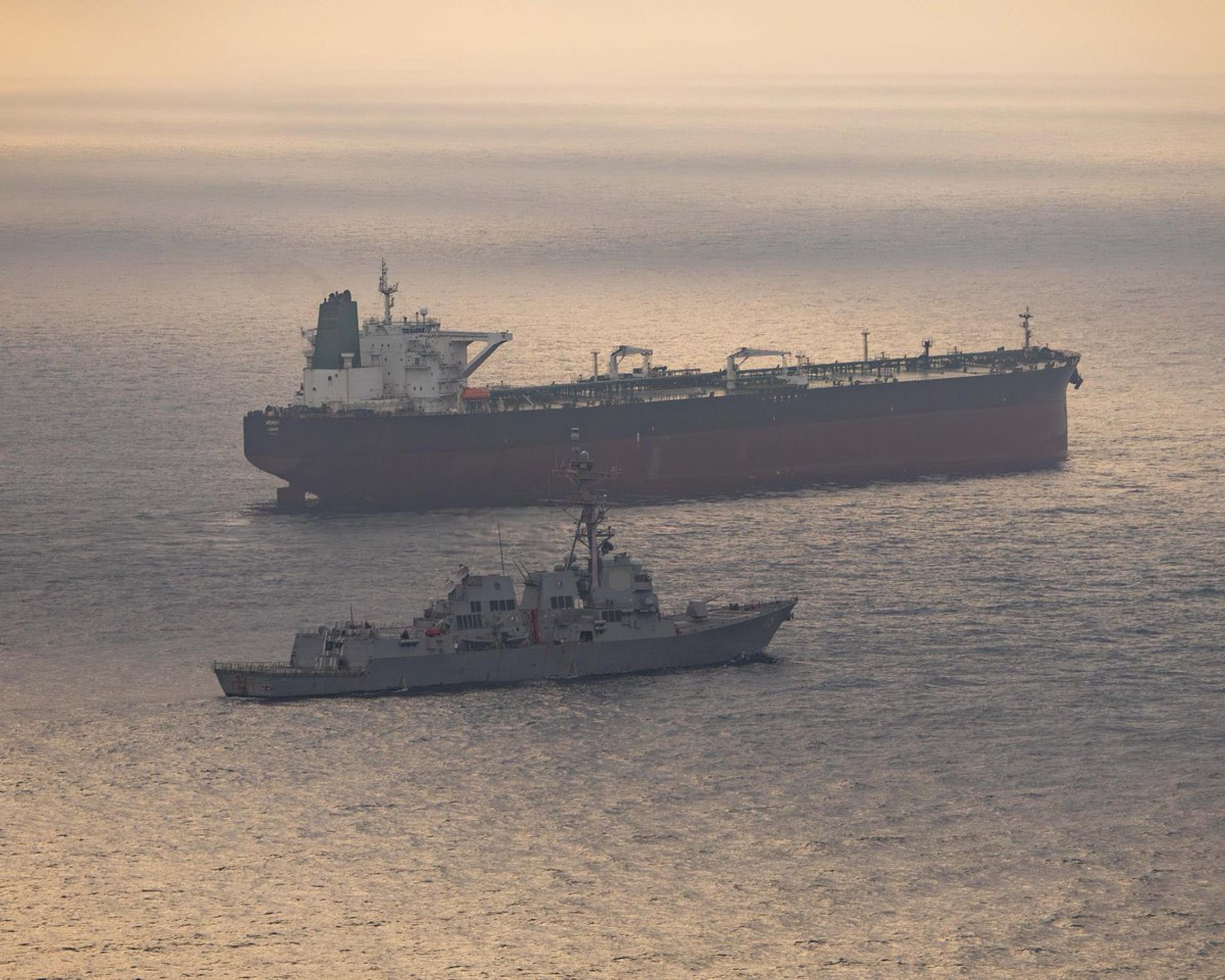
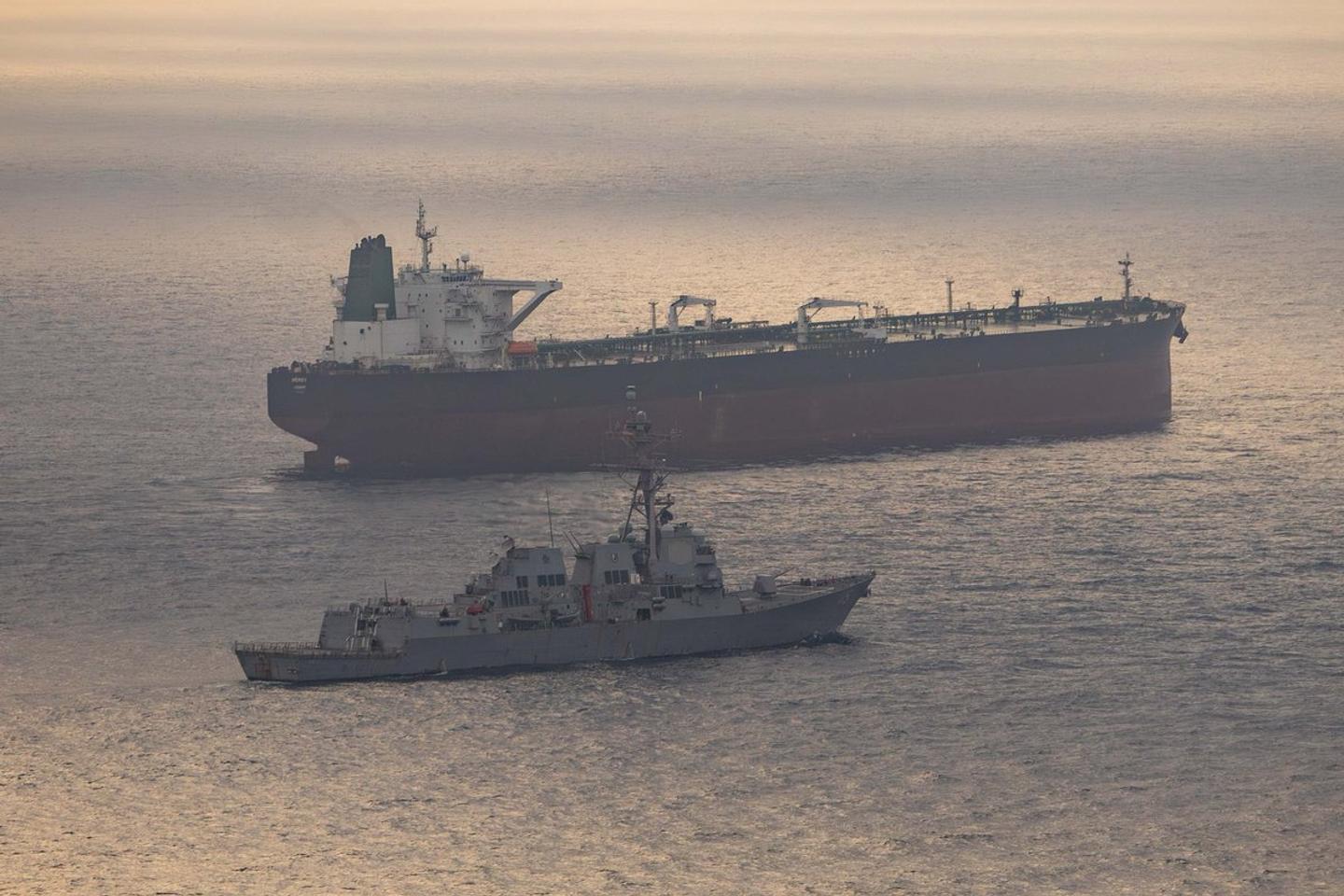
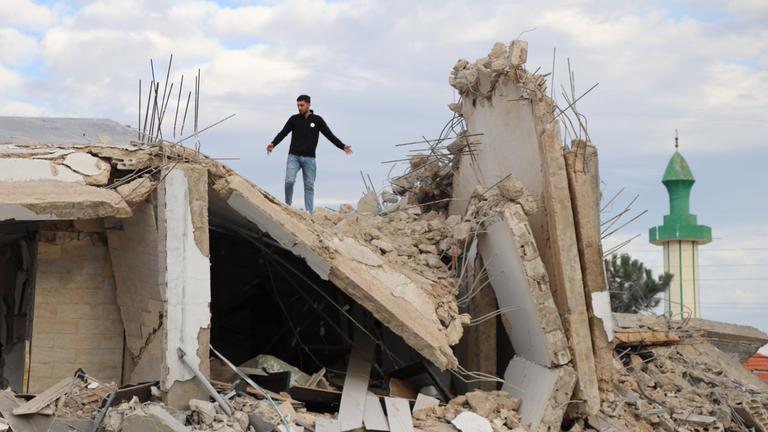
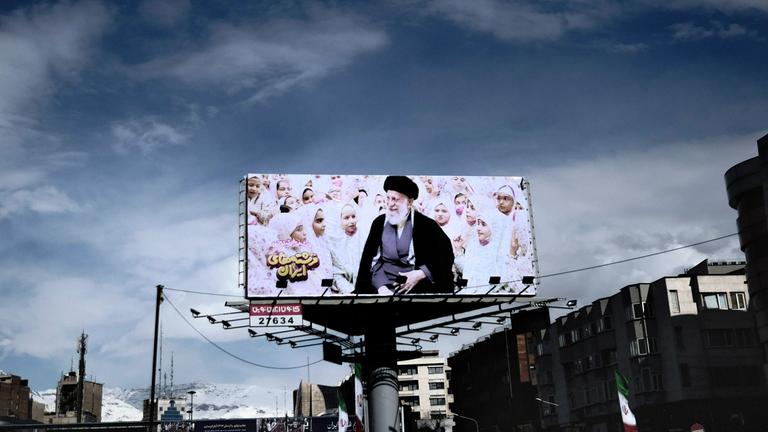
The main backdrop is the protracted US and Israeli war against Iran. United Nations Secretary‑General António Guterres, speaking on April 13, again called on the United States and Iran to continue negotiations, stressing that "there is no military solution to the conflict" and that escalation is already undermining stability far beyond the region. His statement does not directly single out only Washington, but the tone is clearly addressed primarily to the White House, as the only side with real capacity to stop this spiral of violence. It is this war that has become the main prismatic lens through which Paris, Berlin and Canberra view the current America. (un.org)
The French debate is particularly sensitive to the theme of America's "imperial fatigue" and to disappointment in the transatlantic partnership. Le Monde, on April 25, in an analytical piece about NATO and the war with Iran described the current alliance as a marriage in which "divorce is unlikely, but estrangement is obvious." According to the French authors, Washington is irritated that Europeans refused to send a fleet into the Strait of Hormuz until a ceasefire, effectively telling the Americans: "let those who broke the system fix it." The article contains a formulation that would be difficult to imagine in mainstream American press: Europe increasingly sees little point in helping the US in conflicts where it sees neither a clear strategy nor its own interest. (lemonde.fr)
In French media space there is also a lively debate about political violence inside the United States. The France 5 television program "C ce soir" devoted a recent episode to the third assassination attempt on Donald Trump in two years. In the studio they discussed how a country where "there are more firearms than inhabitants" has become a hostage to its own political and cultural polarization, and what this toxic dynamic means for the rest of the world. Show participant Romuald Siora, a researcher and author of the book L’Amérique éclatée: plongée au cœur d’une nation en déliquescence, describes the US as "a fractured nation in a state of disintegration" with diminishing internal resources to act as a global arbiter. (tv.apple.com)
On the right‑liberal side of the French magazine Le Point, columnist Abnousse Shalmani analyzes recent events around Trump in a column titled "Trump, l’attentat déjoué et la démocratie fragilisée" ("Trump, the Foiled Assassination and a Weakened Democracy"). The columnist reminds readers of the president's interference with the press, his constant attacks on journalists and pressure on independent institutions. Notably, more than 250 former journalists demanded that the White House Correspondents' Association use the traditional comedic dinner not for ritual social pageantry but to publicly, in Trump’s presence, condemn his attempts to undermine press freedom. In this light America appears not only as an object of external criticism but also as a place where the intra‑elite struggle for democracy is wearing thin — and where the very idea of the "American example" has become contentious. (lepoint.fr)
Another French storyline — Paris’s long‑standing pursuit of strategic autonomy — gains fresh justification. Courrier international, summarizing and commenting on the British Economist's position, writes that the deterioration of transatlantic relations "in some sense gives France a historical justification": the idea long promoted by Paris of a Europe more independent from the US no longer looks like a whim or an anti‑American pose, but takes on the appearance of pragmatic calculation, especially in the context of the war in Iran and Trump's sharp attacks on NATO. The gradual cooling of relations with Washington is presented here not as a catastrophe but, paradoxically, as an opportunity for Europe to mature. (courrierinternational.com)
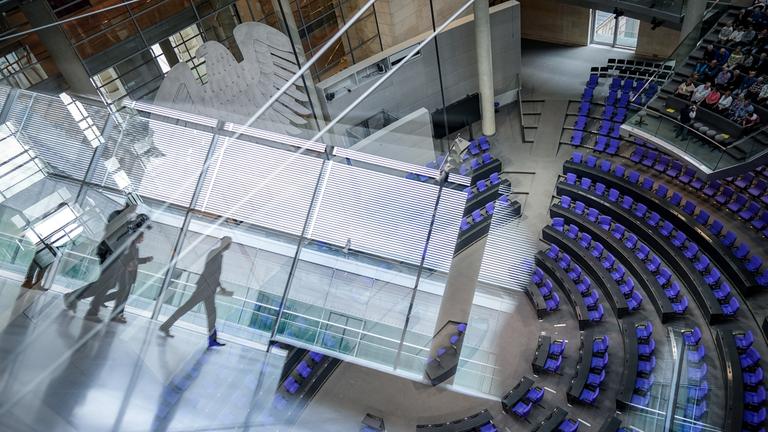
If in France the central question becomes "at what cost do we still want to be US allies," in Germany the debate persistently returns to the question: what happens if the Americans actually leave? German news in recent days was rocked by Trump's statement about a possible reduction of the US contingent in the country. Deutschlandfunk and other major outlets report that the president again spoke about reducing the number of US troops in Germany amid a public conflict with Chancellor Friedrich Merz, who criticized Washington’s conduct of the war against Iran. Locally, this is viewed not as another tweet for a domestic audience, but as a real signal of a reassessment of the entire American architecture of presence in Europe. (deutschlandfunk.de)
The Associated Press, in a piece from Münster, notes that for Europeans such threats from Trump are nothing new: talk of cutting the US contingent has been ongoing since the beginning of his first term. But the context is now different: Germany has effectively become a pillar of European defense and has the largest military budget in Europe, while the war Russia is conducting against Ukraine continues in the east. Against this backdrop the threat to reallocate or withdraw part of the more than 80,000 US troops in Europe ceases to be a purely rhetorical gesture. German commentators point to an ambiguity: Berlin is doing exactly what Washington long demanded — increasing defense spending, reforming the Bundeswehr, expanding the industrial base — and at the same time risks being left with more responsibility and less American "insurance." (apnews.com)
German economic and business media add to this dimension of the Iran war through the lens of inflation and energy. A review by the dpa‑AFX agency, published on financial platforms, states that the "oil price shock caused by the war with Iran" pushed inflation in Germany to nearly three percent. At the same time, by the same reports, US orders for durable goods in March are rising faster than forecasts, and the American stock market is faring better than the DAX. This contrast fuels an old but newly relevant question in the German press: how fair is it that European economies pay the bill for conflicts that are initiated or radically escalated by Washington’s decisions? (de.investing.com)
Official Berlin, still speaking the language of diplomatic loyalty, emphasizes in government briefings that Germany's and the United States' goals on Iran "coincide." A government spokesperson at a press conference in early March reminded audiences of the existing troop‑hosting agreement and that Ramstein Air Base is an element of a bilateral treaty, not a goodwill gesture from Washington. But beneath the surface of the German press discussion the idea increasingly surfaces that the current crisis is an opportunity for Europe to complete the rethinking of its own defense: if the US is truly "tired" of being the guarantor of European security, Europe will finally have to take strategic sovereignty seriously after years of more talk than action. (bundesregierung.de)
Australia views America through another lens — the experience of being the "junior partner" in American wars in the Middle East. Formally Canberra is an ally of Washington and London in the current conflict against Iran, but the public debate is far sharper than might be expected from a partner country. In analyses of Australia’s participation in the 2026 war, commentators stress that the decision to join strikes on Iran continues a long tradition of participation in "American wars," from Vietnam to Iraq and Afghanistan. Green Party leader Larissa Waters called it "yet another endless US‑led war," warning that the country risks again becoming embroiled in a conflict with no clear exit plan and heavy political costs at home. (en.wikipedia.org)
Australian commentators draw parallels between the current conflict and the 2003 Iraq experience, noting that Washington's rhetoric about the "necessity" of striking Iran is built on arguments very similar to past rationales for intervention: from references to a "threat to global security" to appeals to defend an ally — now Israel. Unlike parts of the European media, where the dominant theme is the transatlantic crisis, the Australian press is more focused on how participation in a US‑led war will affect Australia's image in the Indo‑Pacific, where China and other powers watch Canberra's every move closely. America here is seen not only as a problematic ally but as a source of dilemmas that force Australia to balance a tight alliance with Washington and the need to preserve maneuverability in Asia.
The common thread across the three countries is growing skepticism about the motives of American foreign policy. An Ipsos study released in late April shows that for many Europeans and people in other regions the main problem is not only Washington’s actions but that they appear to be driven by domestic political calculations rather than genuine security considerations. According to polls, two‑thirds of respondents in Italy, for example, believe that recent US military decisions were dictated primarily by domestic politics. Ipsos analysts stress that behind this skepticism are years of watching a chain of crises in which America has alternately proclaimed its indispensability and displayed inconsistency and fatigue. (ipsos.com)
In France this manifests as an argument for European strategic autonomy; in Germany as anxiety about the possible departure of Americans and a debate about how long one can continue to rely on someone else’s military "umbrella"; in Australia as fear of another "foreign war" where the political price for Canberra may be higher than for Washington. But in all three discussions another note is heard: none of these countries is yet ready to truly live in a world without American power. In this paradox lies the core of today's conversation about the US: a country perceived simultaneously as unstable, cynical and dangerous remains the same hegemon whose absence is no less frightening than its presence.
Finally, nowhere in the American press is the crisis of the "American example" spoken of as bluntly as it is abroad. For French intellectuals the assassination attempts on Trump and his war on journalism are not just episodes of internal struggle but a symptom that democracy in the country‑symbol of the "free world" is cracking. For German commentators the White House's attempts to blackmail allies with troop withdrawals call into question the very idea of a "community of values." For Australian critics another war in Iran under the American flag raises the old question: how sensible is it to keep following Washington into every new conflict?
From the outside the United States looks increasingly unpredictable and more dependent on internal political storms. Yet precisely for that reason every Washington move attracts so much attention — and so much distrust. International reaction today is not anti‑Americanism in the usual sense, but rather a weary, wary conversation about whether it still makes sense to build the world order around a country that increasingly doubts its own purpose.