At the end of April and the beginning of May 2026, conversations about the United States in South Africa, India and Russia focus on three major storylines. First, the US and Israeli war against Iran and its global economic and political consequences. Second, a new round of Washington's trade and economic pressure, including tariff wars and a reworking of the rules of world trade. Third, specific regional nodes: for South Africa — the fate of trade preferences and a new US Africa strategy; for India — balancing strategic autonomy with the pull of the American camp; for Russia — confrontation with Washington, where the US both applies sanctions and is forced to make exceptions because of oil and energy.
These stories intertwine. From Pretoria, New Delhi and Moscow, Washington no longer looks like the “leader of the liberal order” but like a nervous, internally divided center of power that increasingly exports its own crises rather than stability. Yet each of the three countries reads this narrative through its own interests and traumas — from apartheid to unfinished decolonization and the post‑Soviet collapse.
The first and most worrying backdrop is the US and Israeli war against Iran, which began on February 28, 2026. For South African and Indian commentators this is not an abstract conflict somewhere in the Persian Gulf, but a hit to fuel prices, inflation, budgets and social peace at home. A French column in Le Monde summed up the global feeling precisely: the war is “limited to three countries, but the list of collateral victims keeps growing”; Iran’s blockade of the Strait of Hormuz and the US naval counter‑blockade drive up oil prices and unsettle growth worldwide, from Africa to Latin America.(lemonde.fr) In South Africa these macroeconomic trends overlay already painful relations with Washington: parliamentary analysts directly link instability in Latin America and Africa to “US administration policy”, even recalling the recent “kidnapping” of the Venezuelan president as a symbol of a new, unpunished interventionism.(parliament.gov.za)
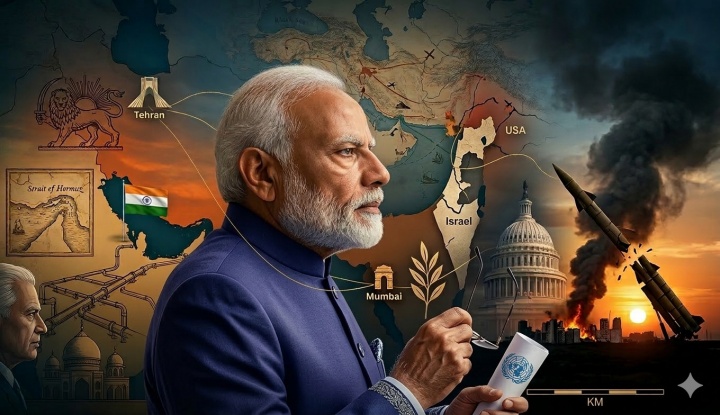
Indian outlets discuss the war with much greater nervousness: oil, the Gulf diaspora and regional competition with Pakistan are all involved. The right‑wing opinion platform OpIndia described New Delhi’s position as “the riskiest diplomatic tightrope in India’s recent history”: a country with ancient civilizational ties to Iran and a modern strategic partnership with the US and Israel is forced to simultaneously keep tankers passing through Hormuz, not break with Washington and not push away Tehran.(opindia.com) Specialized think tanks, such as the Swedish Institute for Security and Development Policy, note that the strategy yields tactical dividends: Iran allows Indian vessels through Hormuz, and the US gives a 30‑day “Indian waiver” for purchases of Russian oil.(isdp.eu) But the price is erosion of moral standing: Indian leftists accuse the government of “full complicity” in the US‑Israel aggressive war against Iran, stressing that New Delhi’s official statements carefully avoid even mentioning Washington and Tel Aviv.(wsws.org)
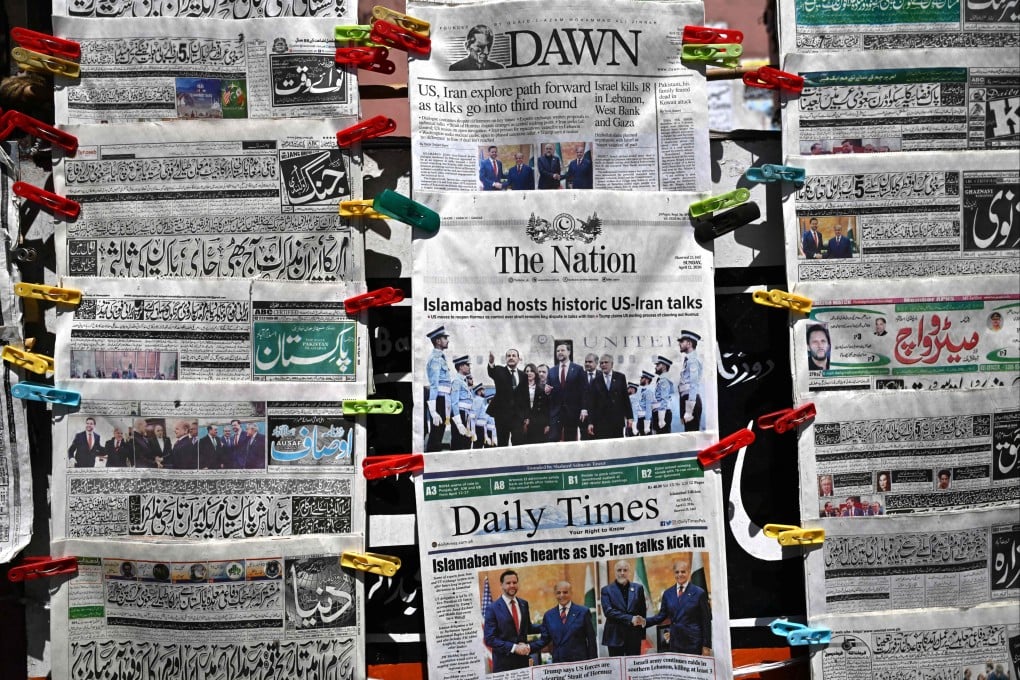
India’s sovereign pride is further stung by Pakistan’s attempt to play a mediating role between Washington and Tehran in the region. A column in the South China Morning Post notes that Islamabad skilfully uses residual ties with US military forces and its geography to make itself a “negotiating platform”, while in New Delhi this is perceived as a painful symbol that the US does not see India as a natural peacemaker.(scmp.com) The Indian discourse about the US is full of ambivalence: on the one hand, recognition that without America India cannot hold the balance against China; on the other — deep irritation that Washington still views South Asia through the prism of its tactical needs.
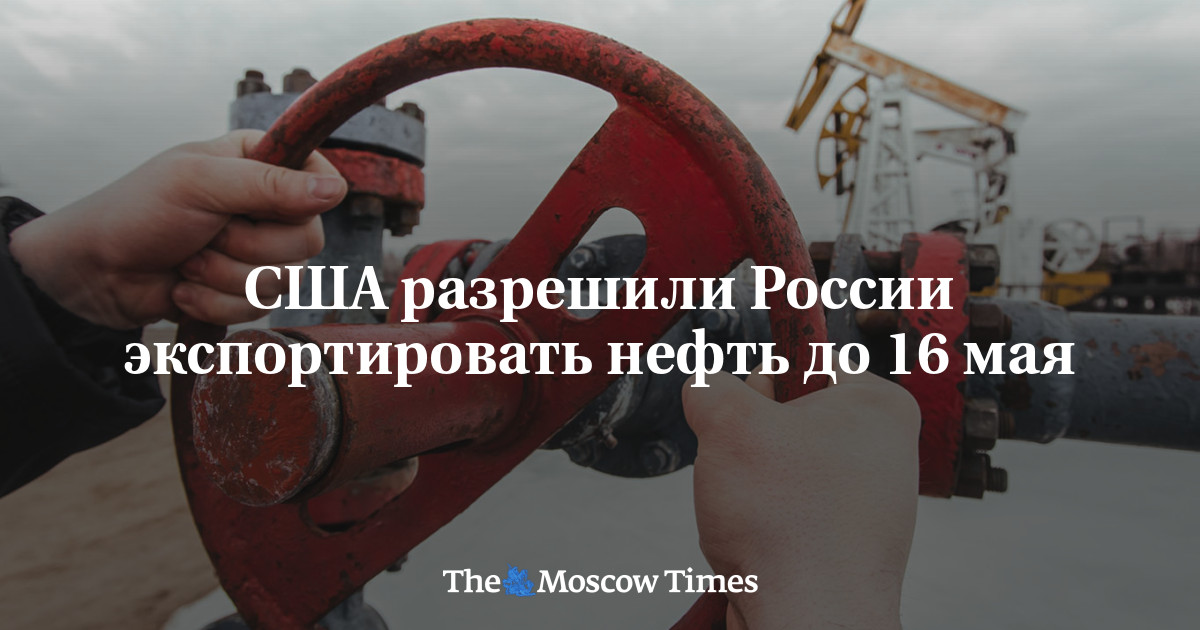
The Russian picture of the Iran war is quite different. In Russian media the US and Israel are described as instigators of chaos, but at the same time as a country that must reckon with Russia’s energy weight. The main April news was a US Treasury publication showing that, under pressure from reality, Washington temporarily lifts restrictions on Russian oil, allowing deals on crude and petroleum products loaded onto tankers before April 17, with exports possible until May 16.(ru.themoscowtimes.com) Economists quoted by Lenta.ru explain this simply: in wartime the Gulf oil supply is under threat, and the only major supplier that can ramp up exports without dependence on Hormuz is Russia.(lenta.ru) For the Russian audience this is presented as confirmation: the US can call Moscow a “threat” in its new national defense strategy, but in a critical moment it breaks its own sanctions regime.(meduza.io)
The second cross‑cutting storyline is economic nationalism and Washington’s tariff war against the rest of the world, including partners formally considered “friends”. This is felt especially acutely in India and South Africa. In the Indian debate it is precisely US trade policy that undermines America’s image as a predictable strategic partner. “America First” under the Trump II administration has already manifested as an increase in base import duties from 10 to 15 percent for all countries,(ru.wikipedia.org) targeted tariff campaigns against China and the EU and, most painfully for New Delhi, a series of blows to Indian exports. In summer 2025 the White House announced a 25 percent tariff “on all goods from India”, citing high Indian duties, trade barriers and New Delhi’s cooperation with Moscow. Ukrainian and Russian outlets then quoted Trump’s characteristic phrasing: “India will pay a 25 percent tariff, and also a penalty for the aforementioned actions.”(lenta.ru)
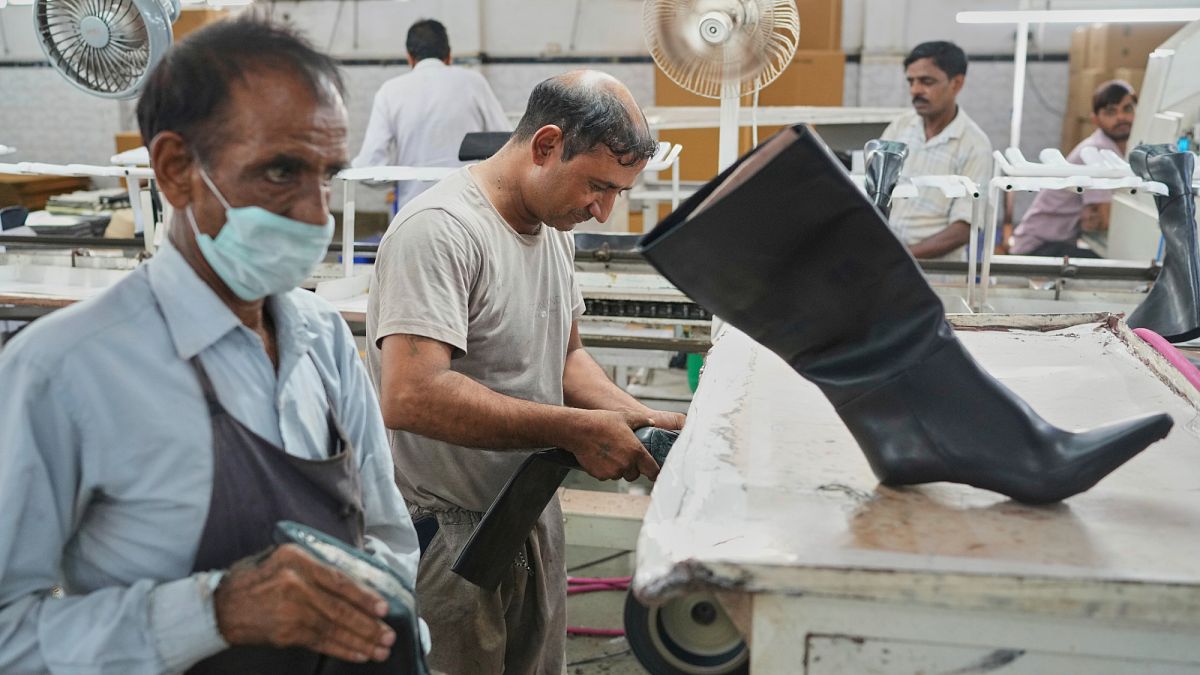
By autumn 2025, according to Euronews, tariffs effectively rose to 50 percent for a number of Indian goods, which Indian experts called a “strategic blow” that threatened to wipe out years of Indian export presence in the US and lead to waves of unemployment in export‑oriented regions. Former trade official Ajay Shrivastava warned that the new tariff reality could push India out of key value chains.(ru.euronews.com) Against this backdrop, journals like The Diplomat ask: does India still have “strategic autonomy” at all if its economy is increasingly woven into the Western financial‑tech architecture and political space narrows between fear of China and an unstable partnership with the US.(thediplomat.com)
In South Africa the trade story looks different, but the emotional matrix is similar. Here the main nerve is the fate of the country’s participation in AGOA and restrictions on access to the US market. Commenting on the February extension of African Growth and Opportunity Act preferences and the possible exclusion of South Africa, economists in South African media called it a “brief but fragile reprieve” amid growing political friction between Pretoria and Washington.(investing.com) In an analytical note the South African Parliamentary Budget Office describes the Trump II administration’s turn to hard protectionism as a factor “exacerbating the erosion of trust in international institutions and norms”, and directly links it to the Afrosunion’s efforts to seek alternative partners and reform global governance.(parliament.gov.za)
At the same time more pragmatic voices sound in the South African media space. On The Common Sense portal, describing discussion of American policy at the recent Delphi Economic Forum, the author noted that Europe, fixated on its own conflict with the US, “underestimates the opportunities Trump’s chaos opens up for Africa.”(thecommonsense.co.za) The logic is simple: if Washington breaks old rules of world trade, African countries may try to secure new, more favorable deals for themselves, including as the US prepares to chair the G20 in 2026. African think tanks such as the Institute for Security Studies and Pan African Visions closely analyze a “quiet” US–Afrosunion deal on restructuring investment regimes and infrastructure projects, seeing in it a chance to lock in greater agency while Washington is forced to compete for access to critical minerals.(panafricanvisions.com)
Russia frames this same storyline differently: US tariff nationalism is seen more as confirmation of what Russian elites have long argued — the death of WTO logic and the “liberal order.” Russian encyclopedic publications on US foreign policy already record the administration’s decision to leave dozens of international organizations in January 2026 as the culmination of this trend. They also recall Washington’s “double standards”: on the one hand, calls for an “order based on rules”; on the other — 100 percent punitive tariffs and threats of sanctions against the International Criminal Court for attempting to hold Israeli leadership accountable.(ru.wikipedia.org) Against this backdrop, the expansion of American tariffs on India and the EU becomes an extra argument in the Russian discourse: the US does not distinguish friends from foes when short‑term gain is at stake.
The third important cluster of stories is regional configurations. In South Africa in April–May two narratives unfold simultaneously: a public diplomatic conflict over the US decision to equate some white Afrikaners with refugees, claiming they face “state racial discrimination”,(csmonitor.com) and, on the other hand, the State Department led by Marco Rubio trying to extend an “olive branch” to Pretoria. In a column for the South African paper The Citizen, analysts welcomed his speech on South Africa’s Freedom Day as a “window of opportunity” to reboot relations, noting that a month earlier South Africa’s finance minister had been denied accreditation to a G20 meeting in the US — a humiliation felt painfully in Pretoria.(citizen.co.za) The same paper notes a growing scepticism among the South African elite: after so many public slaps in the face, trusting sudden reconciliatory gestures from Washington is hard.
In India the key context is the debate about which way Indian foreign policy is actually drifting: toward a hard tilt to the US or a renewed bet on “multi‑vector” diplomacy. Analytical journals stress that the war in Iran has only exposed accumulated irritation: Trump’s 2025 actions — from threats of blanket tariffs to dismissive remarks about India and doubts about its positions on Kashmir — “undermined faith” in Modi’s special influence in Washington and produced a durable anti‑Trump wave in Indian society.(thediplomat.com) Inside the country this debate runs along the old split between supporters of an informal US alliance and those who see India’s future in balancing Washington, Moscow, Beijing and regional players.
The Russian context is cast in harsher tones. In Moscow they closely read the new US National Defense Strategy, in which Russia is downgraded from “the principal threat” to a “manageable threat” for eastern NATO members.(meduza.io) Russian analysts see a double signal here: on the one hand, the US is clearly shifting priority to containing China; on the other — it demonstrates willingness to shift primary responsibility for European defense to European allies while focusing itself on preserving military and commercial access to key routes — from the Panama Canal to the “American Gulf.” In such a world picture Russian commentators present the temporary lifting of oil sanctions as proof that behind talk of values and alliances there is always cold calculation about control of resources and sea arteries.
Finally, all three countries have their own view of how America treats global institutions. For African observers the US demand that the UN deliver “quick wins” and additional conditions for paying dues is just another reminder that Washington uses international organizations as a tool of pressure rather than as a forum for equal architecture.(devex.com) In India this reinforces the long‑standing sense that Security Council reforms and other structural changes stall precisely because the “old” superpower is not ready to share power. In Russia the US turn to isolationism and exit from dozens of organizations is met almost with grim satisfaction: a world where Washington itself dismantles the institutions it created seems more chaotic, but also offers more maneuvering room for those ready to play the contradictions.
If one tries to distill these dispersed voices from the three countries into a few common motifs, a fairly coherent portrait of current attitudes toward the US emerges. First, belief in American “moral leadership” is greatly eroded: the war in Iran, tariff wars and selective sanctions exemptions are seen as policy of pure interest, sometimes as policy of chaos. Second, almost everyone acknowledges that much still depends on the US — from oil prices and the dollar to maritime security and the outcome of competition with China. But this dependence is increasingly tinged with anxiety, and sometimes with covert or overt anger. Third, in Pretoria, New Delhi and Moscow the idea is growing louder: if Washington plays hard and unpredictably, then it’s necessary to build one’s own agency — whether through new African investment regimes, Indian strategic autonomy or Russian sanctions‑busting routes.
American readers of these debates should understand: almost nowhere is this simple antipathy to the US as such. South African columnists still see America as a source of investment and technology, Indians view it as an indispensable counterweight to China, Russians see it as a significant, and sometimes indispensable, part of global energy and finance. But in the eyes of many in South Africa, India and Russia the new American era is not an era of the “leader of the free world” but a time of a large, nervous player who is breaking the board on which it intends to win the game. And that is precisely why, outside the West, people are searching so insistently for their own alternative moves.