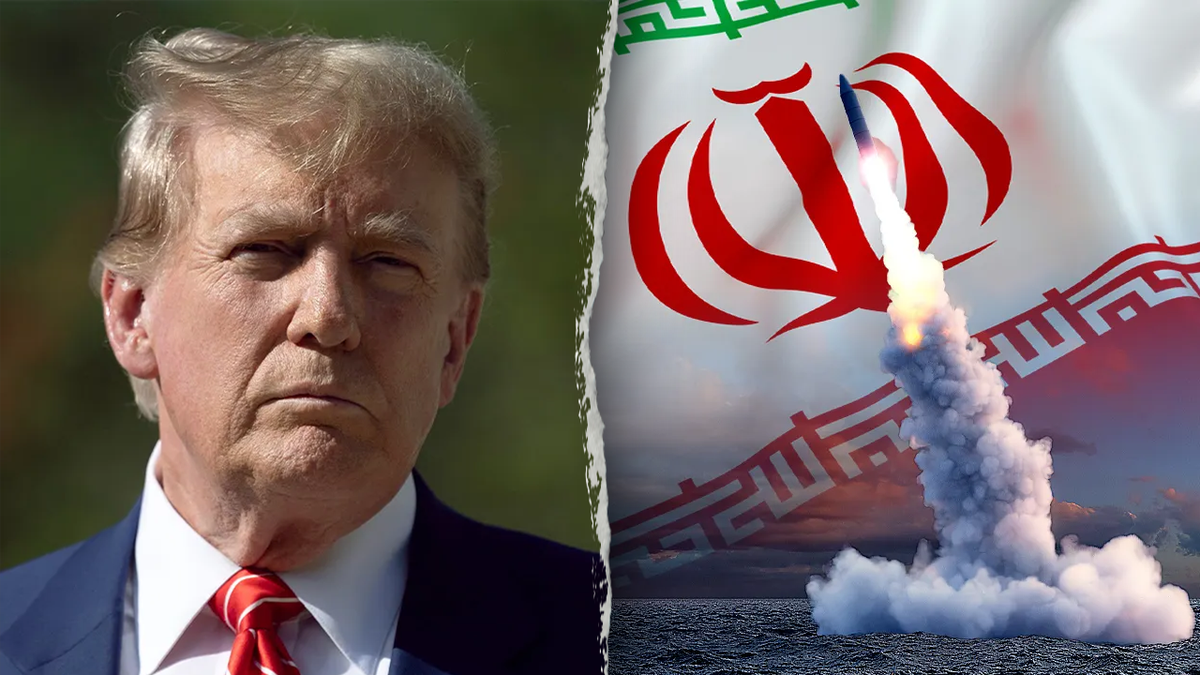
At the end of June 2026, an international debate about the United States in three very different countries unexpectedly converged around the same themes: American policy toward Iran, trade pressure and tariffs, and the question of whether Washington remains a reliable security guarantor or is turning into a source of instability. In the Chinese press, the US is most often discussed as a power whose actions in the Persian Gulf are shifting global energy and diplomatic balances; in South Africa, the American agenda is translated almost immediately into the language of fuel prices, trade, and Global South status; in Turkey, talk about the US revolves around NATO, F-35s, sanctions, and whether it’s even possible to build relations with Washington without constant crises. The background that ties it all together is, above all, Iran: the current US-Iran truce, negotiations, and disputes surrounding the Strait of Hormuz have become that rare storyline that simultaneously captures the attention of editors, analysts, and officials in Beijing, Pretoria, and Ankara. (world.people.com.cn)
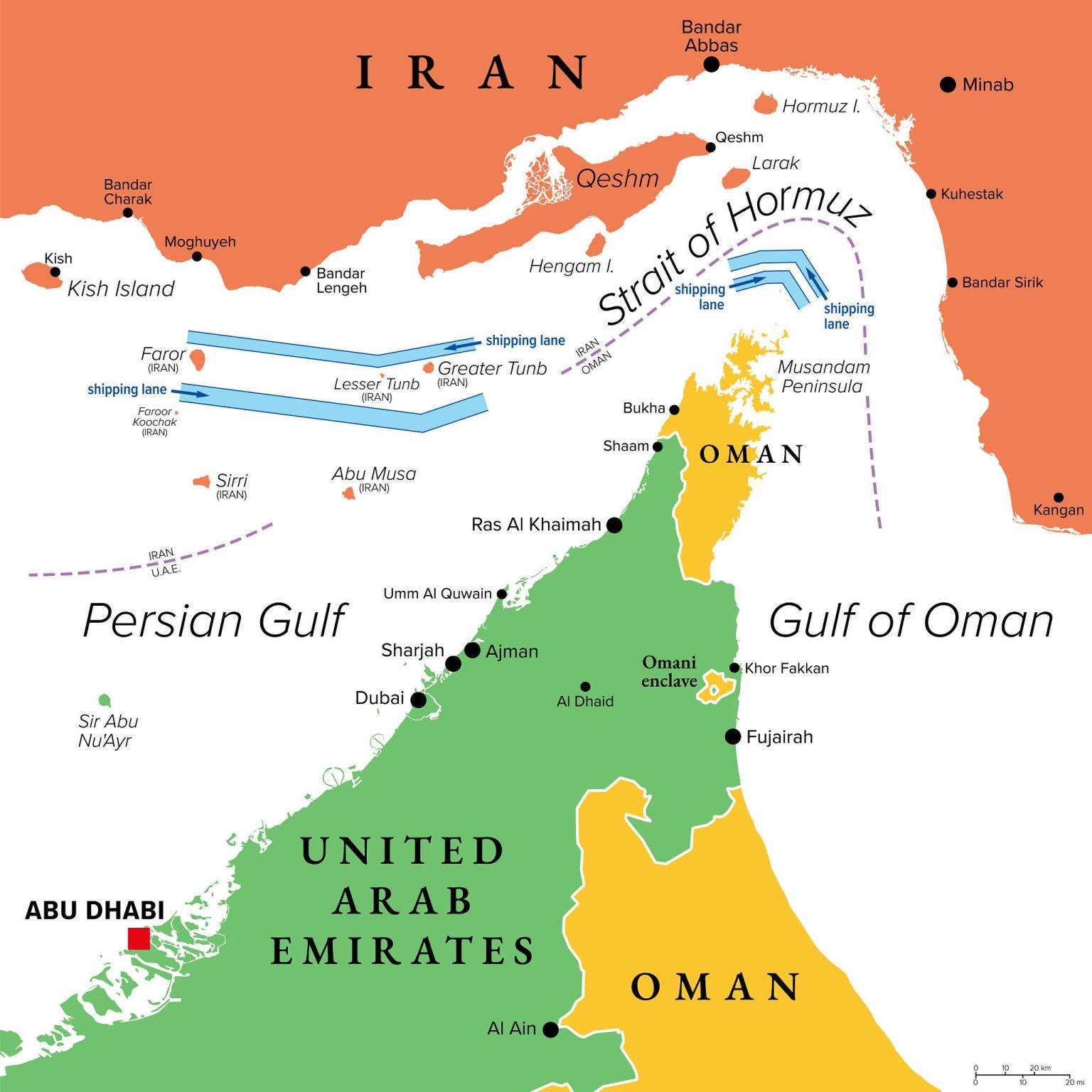
From a Chinese perspective, the main motive here is suspicion of American power—even when it looks like diplomacy. In People’s Daily and Global Times, the US-Iran agreement is described not as a final de-escalation, but as a temporary window: according to Chinese authors, the parties have been given only “60 days” to try to move toward a more sustainable solution, and the Iranian side still does not trust Washington’s promises after earlier strikes and broken agreements. Global Times directly quotes Chinese experts who call the Strait of Hormuz a knot in global trade and emphasize that the US is trying to pull other countries into the problem to give it the appearance of multilateralism and to split responsibility. In this reading, America is not an arbitrator but a player that first creates a crisis and then asks the world to help it manage the fallout. (globaltimes.cn)
China’s response to the US is not limited to Iran; it almost automatically shifts to the topic of tariffs and economic coercion. Global Times writes that new US duties and investigations under Section 301 “seriously disrupt the international economic and trade order,” while the Chinese Foreign Ministry, the outlet reports, again stresses: in a trade war “there are no winners,” and protectionism “leads nowhere.” In this logic, the US is a country that preaches rules while rewriting them itself—so Chinese commentary on American tariffs sounds not only like defense of exporters, but also like a broader critique of unilateralism and “hegemony.” It is also telling that Chinese texts link the trade line with the Iran storyline: in both cases, Washington is essentially accused of forcing the world to bear the costs of its own policy. (globaltimes.cn)
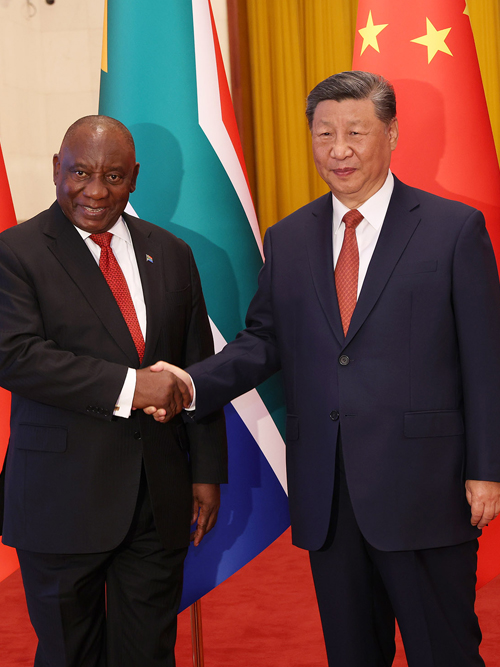
In South Africa, the American agenda is read in a far more down-to-earth way—through money, exports, and the risk to everyday economic life—but the tone of criticism is no less harsh. South African outlets argue that the new US tariff environment is literally undermining the promise of AGOA, the program that grants African goods preferential access to the US market, and that repeated threats of tariffs on South African exports are already being discussed as a real blow to producers. Against this backdrop, IOL and TimesLIVE also convey a more political mood: in commentary and analysis, the US is portrayed as a power that increasingly acts “transactional,” meaning on the basis of deal-making rather than principles. One IOL author puts it bluntly, saying that under Trump the United States “gave up even the appearance of multilateral constraints” and replaced them with a coercion policy in which sovereignty is conditional. For South African audiences, this matters because talk about the US here is almost never about abstract geopolitics—it is tied to why fuel is getting more expensive, why the rand is jittery, and who ultimately pays for global crises. (iol.co.za)
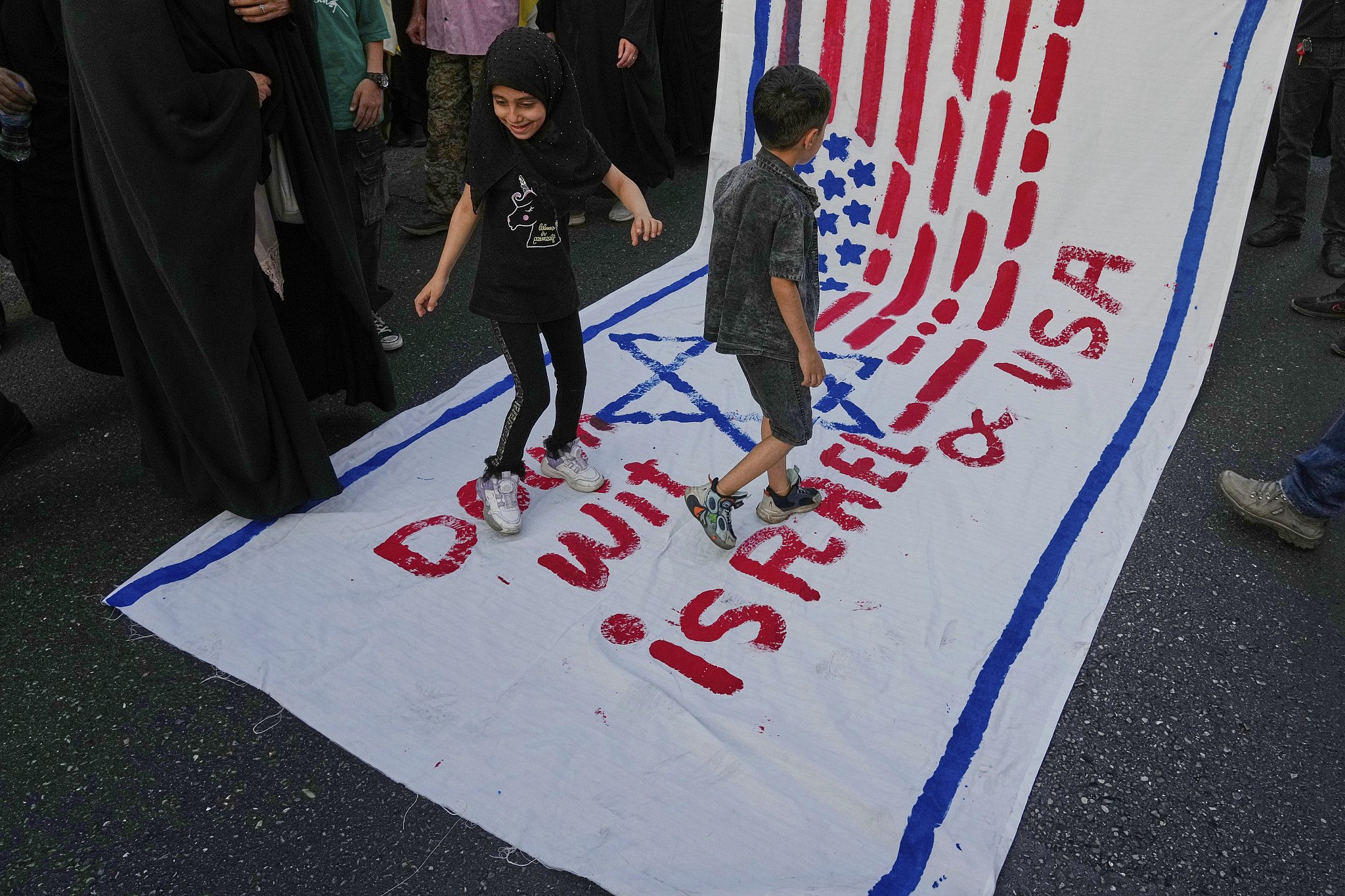
At the same time, South Africa differs noticeably from China in that its public reactions to the US are often framed not only as criticism, but also as an attempt to preserve room for dialogue. This is especially visible in the official line: the Minister of International Relations and Cooperation, Ronald Lamola, welcomed the US-Iran memorandum and said the agreement “is hoped to put an end to the unlawful use of force and violations of the UN Charter.” Such a statement matters not because Pretoria has suddenly become unequivocally pro-American, but because South African diplomacy is trying to combine a principled anti-war stance with the pragmatics of trade and regional stability. In local media, however, there is also the other note alongside it: the Iranian ambassador to South Africa, Mansour Shakib Mehr, publicly called the US “lawless” and accused Washington of acting with impunity, while commentators in South African media increasingly link American power to instability in markets and rising fuel prices. In other words, South Africa’s reaction is not just dissatisfaction with the US, but a mix of legal, economic, and moral language. (iol.co.za)
Turkey’s discussion of the US these days looks especially layered because Ankara is simultaneously disputing with Washington, negotiating with it, and needing it as a partner in NATO. Over the past weeks, Anadolu Ajansı has actively pushed the F-35 theme: the US ambassador to Ankara, Tom Barrack, said that Turkey’s return to the F-35 program would strengthen NATO, and President Recep Tayyip Erdoğan again called Turkey’s participation in the program “important and necessary,” emphasizing that it would help both bilateral relations and the alliance’s security. But in the Turkish version, this storyline does not appear as simple reconciliation: it is presented as a correction of an “injustice” after Turkey was removed from the program due to the purchase of Russia’s S-400s. In other words, the US here is discussed as an ally that is both needed and undependable. (aa.com.tr)
In Turkish press and expert materials, it is particularly noticeable that American policy toward Iran is automatically perceived through the lens of regional security and energy. AA reported that uncertainty around US-Iran talks directly affects global markets, while separate analytical pieces emphasized that even when Washington speaks about de-escalation, Ankara closely watches whether it might turn into a new wave of pressure, sanctions, or maritime instability in the Strait of Hormuz. In practice, this means that for Turkey, the US is not only a diplomatic center but also a source of volatility—especially when it comes to oil prices, Black Sea–Mediterranean logistics, and Turkey’s role as a transit power. Therefore, in Turkish discourse, America most often figures as a force that must simultaneously be engaged, contained, and used to one’s advantage by exploiting its contradictions. (aa.com.tr)
The most interesting common conclusion across these three countries is that the US is being perceived less and less often as a neutral architect of order and more and more often as a state whose internal political impulses instantly become international costs. China frames this in the language of sovereignty and resistance to hegemony; South Africa—in the language of justice, trade, and post-colonial distrust; Turkey—in the language of alliances, mutual dependence, and resentment over “unfair” decisions. But in all three cases, the same American figure—Trump, his pressure on Iran, tariffs, statements about allies—does not evoke admiration for strength; rather, it raises the question of how predictable Washington remains in the first place. And based on local press coverage and official commentary today, that question is far more important than the American press releases themselves. (globaltimes.cn)