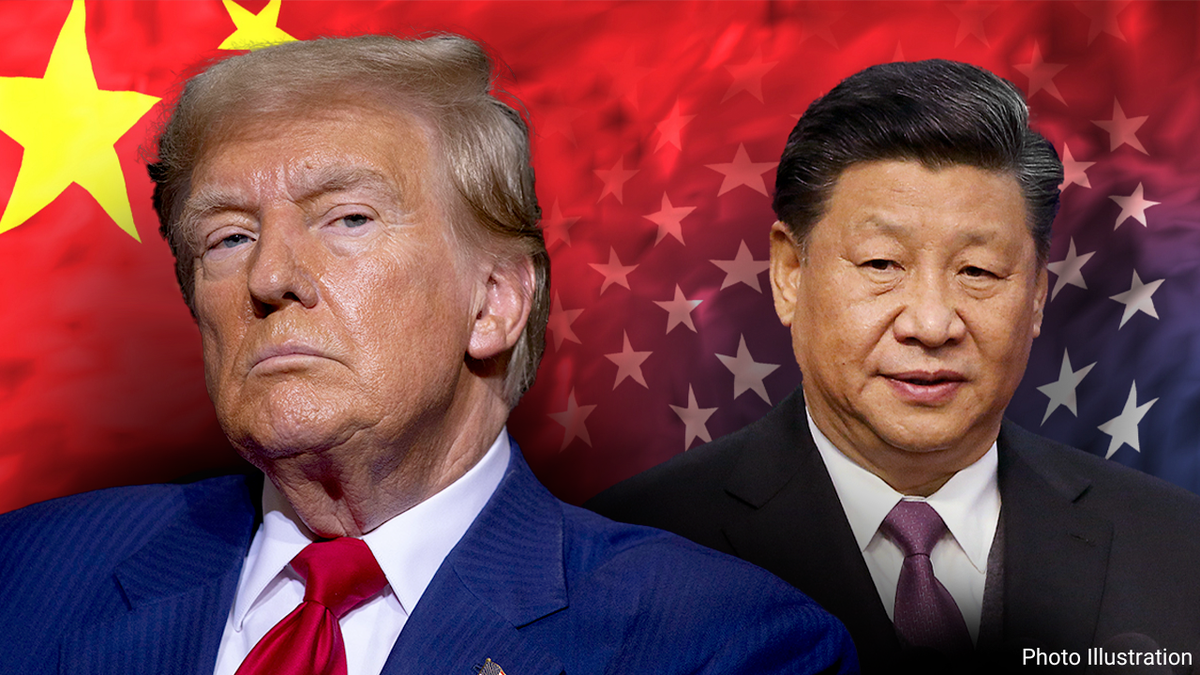
Brazilian and German publications increasingly portray the United States not so much as a reliable pillar of the world order as a source of unpredictability. The focus is on political instability in the Trump era, confrontation with China and allies, disputes over Ukraine, escalating tensions with Iran, and signs of institutional and technological vulnerability. At the same time, business ties with the U.S. market in aviation, media, industry, and investment continue to develop. This article is based on reports by R7 (Brazil) and Die Welt (Germany).
Gol and Alaska Airlines expand connections between Brazil and the U.S.
Gol and Alaska Airlines have signed an interline agreement that broadens travel options between Brazil, Latin America, and the United States. The partnership allows passengers to combine flights operated by both airlines in a single booking, with one ticket issued and baggage checked through to the final destination, R7 reported.
In practice, the cooperation strengthens Gol’s role as a link between the Brazilian market and Alaska Airlines’ domestic and international network in the United States. The Brazilian airline’s service to New York will serve as a gateway to destinations served by the U.S. carrier, including Seattle, San Diego, and Honolulu.
Gol’s Chief Commercial Officer, Mateus Pongeluppi, said the agreement was in line with the company’s strategy to expand its international reach. “With our service to New York, we are expanding connecting options for customers traveling between Brazil and the United States,” he said. According to Pongeluppi, the partnership is “another step” toward linking Gol’s network to new destinations and offering Brazilian passengers a wider range of options.
Gol is part of the Abra Group, and the agreement with Alaska Airlines could also affect its loyalty program. In the future, customers who purchase tickets on the U.S. airline through Gol’s channels are expected to be able to earn Smiles miles. For Brazilian travelers, who often use points programs to lower the cost of international trips, the integration is likely to make the offering more attractive.
Combining the two companies’ networks will also make it possible to create broader itineraries between the continents. For example, a passenger could travel from Anchorage, Alaska, to Ushuaia, Argentina, with integrated connections. This reach reinforces Brazil’s position as an important hub for tourists, business travelers, and passengers moving between North and South America.
For Alaska Airlines, the agreement offers a way to reach the Brazilian market and other Latin American countries without having to establish its own network in the region. Alex Judson, the U.S. company’s director of partnerships and international affairs, said the cooperation offers customers “new and exciting ways to explore Brazil and Latin America.”
More than just a commercial agreement between two airlines, the partnership is presented as a tangible expansion of international connections available to Brazilian travelers: simpler booking, baggage checked through to the destination, access to new U.S. cities, and, in the future, the opportunity to earn Smiles miles. For Gol, the agreement also strengthens its competitiveness in air traffic between the two continents.
Germany calls criticism of Ukraine’s strikes on Russia “pretty stupid”
Germany has sharply rejected criticism from Donald Trump’s administration of Ukraine’s strikes on Russian military infrastructure. As WELT reports, German Defense Minister Boris Pistorius described the U.S. criticism as “pretty stupid.”
The dispute concerns Kyiv’s right to attack targets deep inside Russian territory, including the Crimean Bridge. Berlin regards the bridge not as civilian infrastructure but as a crucial part of Russia’s military logistics. Russia uses it to supply its forces in Crimea and in occupied territories in southern Ukraine, so the German side considers a strike against it a legitimate act of self-defense.
Pistorius stressed that it is essential to distinguish attacks on military targets from Russian strikes on Ukraine’s life-support systems. “That is a form of terrorism,” he said of attacks on power, water, and heating infrastructure. In his view, international attention and condemnation should focus on these Russian actions, not on “lawful and legitimate strikes on non-civilian targets in Russia.”
This position reflects a broader divide between some members of the U.S. administration and Kyiv’s European allies. Germany’s view is that support for Ukraine should not be limited to helping it hold the front line; it should also include the ability to deprive Russia of the resources, logistics, and infrastructure it needs to continue the war.
Other European officials have expressed similar views. NATO Secretary General Mark Rutte considers strikes on logistics hubs a necessary part of Ukraine’s self-defense. British Defense Secretary John Healey called the operation further evidence of Ukrainian ingenuity and determination. In European capitals, therefore, the issue of long-range strikes is not seen as a minor dispute over target selection, but as a test of the West’s willingness to recognize Ukraine’s full right to defend itself against aggression.
For Berlin, the issue is directly linked to Europe’s own security. Germany remains one of Ukraine’s most important military aid providers and believes that a Russian victory achieved by force would pose a long-term threat to the European security order. In Germany’s view, restrictions on Ukrainian strikes against Russian logistics could narrow Kyiv’s defense options while increasing the burden on its European allies.
German political culture has traditionally been particularly sensitive to the risks of escalation and damage to civilian infrastructure. In this case, however, Berlin does not conclude that Ukraine’s self-defense should be curtailed. Pistorius draws a clear line: military targets that support Russian aggression may be legitimate targets, while strikes on civilian life-support systems amount to terrorism.
In its article, WELT presents this position as Germany’s direct response to Washington: attempts to restrain Ukraine from striking Russian military logistics are seen not as caution, but as a political and strategic mistake.