American policy has again become both the main irritant and a guidepost: the war of the US and Israel against Iran, the naval blockade and the crisis in the Strait of Hormuz, trade‑tariff pressure on Europe, and the deepening political rift between Washington and a number of Global South countries. Viewed not from Washington but from Berlin, Ankara or Pretoria, the US today is not simply the "leader of the West" but a source of strategic uncertainty that at once guarantees security, destabilizes economies and pushes the world toward a new split.
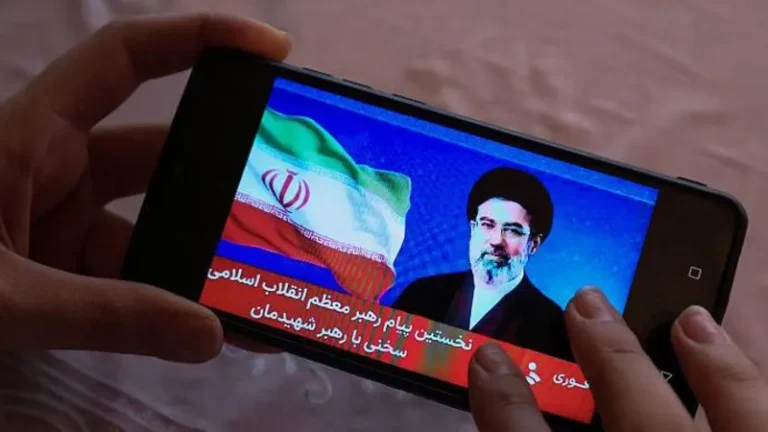
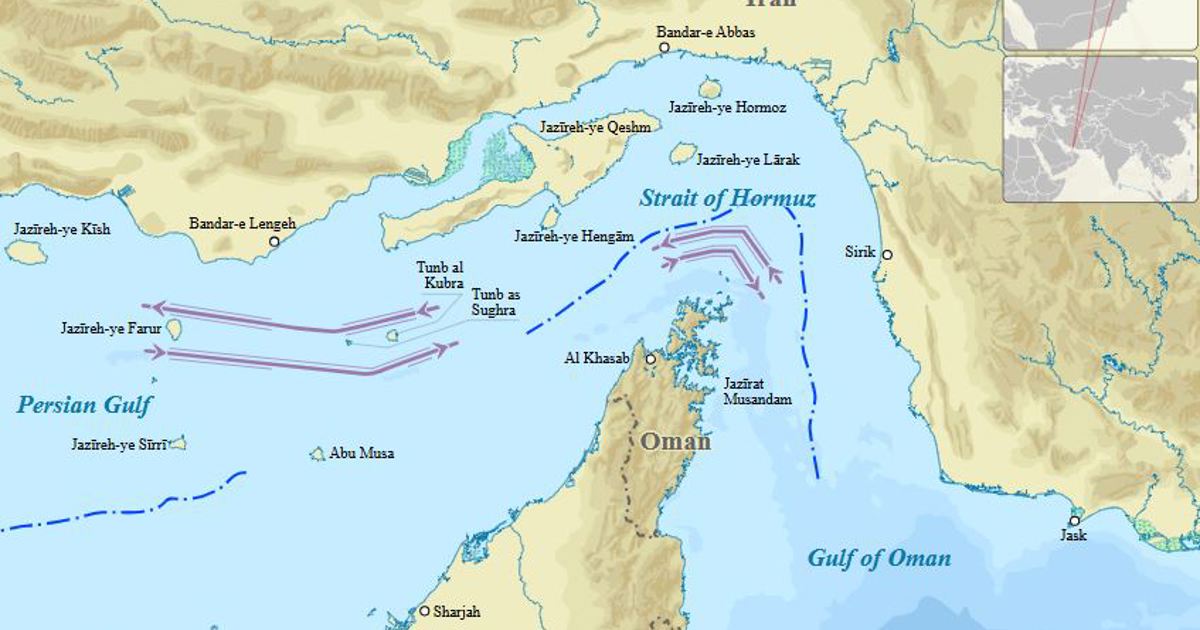
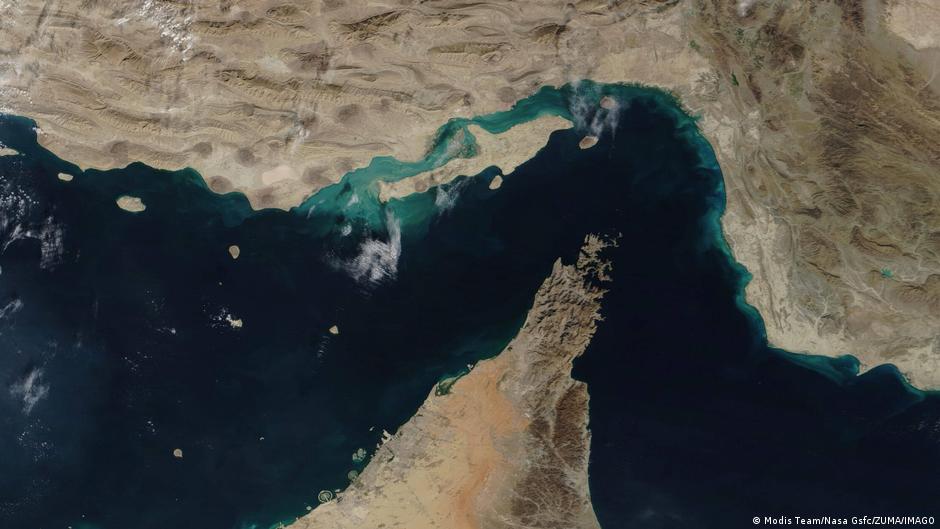
At the center of attention everywhere is the US–Israel war against Iran, which began on 28 February 2026 with a series of sudden strikes, the killing of Supreme Leader Ali Khamenei and the subsequent naval blockade of Iranian ports and closure of the Strait of Hormuz.(en.wikipedia.org) For Europeans, Turks and South Africans this is not just a discrete conflict — it is a test for the entire system of international law, global energy markets and the question: can US strategic calculations still be trusted.
The main backdrop against which these countries discuss America is the extremely fragile ceasefire and Washington’s attempts to open a "humanitarian corridor" through Hormuz, turned into a geopolitical trap. In different capitals the event is read differently: as a contentious show of force, as an opportunity for regional mediation, or as another example of American "double standards."
In the German‑speaking sphere attention is riveted to how the war with Iran hits European interests and how relations between Berlin and Washington are sharply deteriorating. The US–German conflict over NATO and the withdrawal of American troops from Germany is discussed not as a technical redeployment issue but as a symptom of a deeper rupture. One American foreign‑policy tracker emphasizes that Washington announced the withdrawal of roughly 5,000 service members from German soil — and that Germany had been a critically important hub for the operation against Iran.(fdd.org) In Berlin this is interpreted as a political gesture of pressure and punishment, and Fabrice Potier, former NATO policy director, in a comment for Euronews urges Europeans to seriously consider the scenario of a "Europe without the US," that is, the need for an autonomous defense architecture not dependent on the whims of the current Washington administration.(tr.euronews.com)
The German discourse about the US is now heavily tied to the theme of trust: can one rely on American guarantees at a moment when the White House on the one hand demands greater loyalty from allies in the Iranian conflict, and on the other threatens tariffs on cars from the EU and a real scaling back of participation in NATO. Reports that President Trump intends to raise tariffs on European cars to 25%, accompanied by claims of a supposedly violated trade deal, are presented in the German and wider European press as evidence that transatlantic ties are turning into a field of tactical blackmail.(apnews.com)
For Turkey the US war with Iran and the Hormuz crisis are simultaneously a risk and an opportunity. Turkish business media and political commentators stress that the geopolitical upheaval caused by the American blockade and Iran’s retaliatory policy in the strait strengthens Ankara’s role as a transit hub and a potential "insurance route" for energy supplies and logistics between East and West. The economic outlet Dünya, for example, notes that the "US‑European diplomatic tension" around the war with Iran accelerates the search for alternative security partners, and cites a piece in the American magazine The National Interest predicting that Europe will be forced to strengthen defense cooperation with Turkey against the backdrop of Washington’s unpredictability.(dunya.com)
Turkish analysts see another measurable effect of US actions: nervousness in global markets and increased sensitivity to Federal Reserve statements. Against the background of war, sanctions and the Hormuz blockade, reports from Turkish investment houses emphasize that changes in Federal Reserve leadership and the course of US monetary policy are perceived not merely as technical financial matters but as part of a broader politico‑economic package of American influence, where military decisions (Iran, Hormuz) are directly intertwined with the dollar’s financial hegemony. A recent analytical report stresses that "US–Iran tensions" and political uncertainty significantly increase volatility, and markets become especially sensitive to signals from Washington.(gcmyatirim.com.tr)
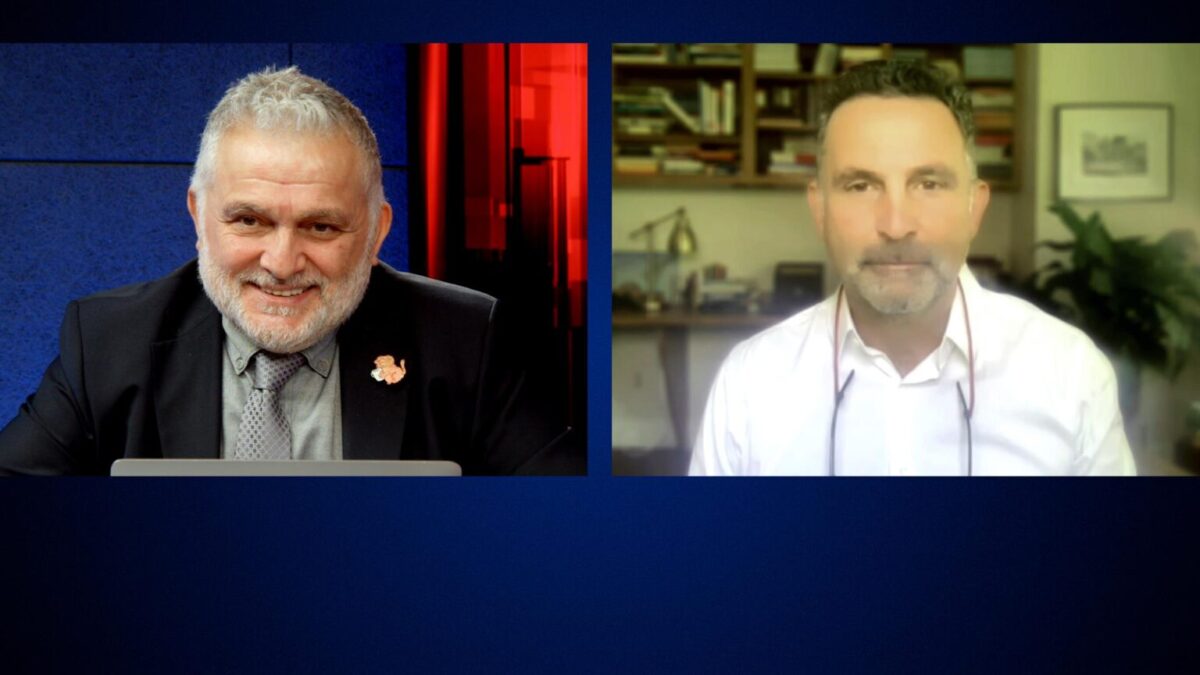
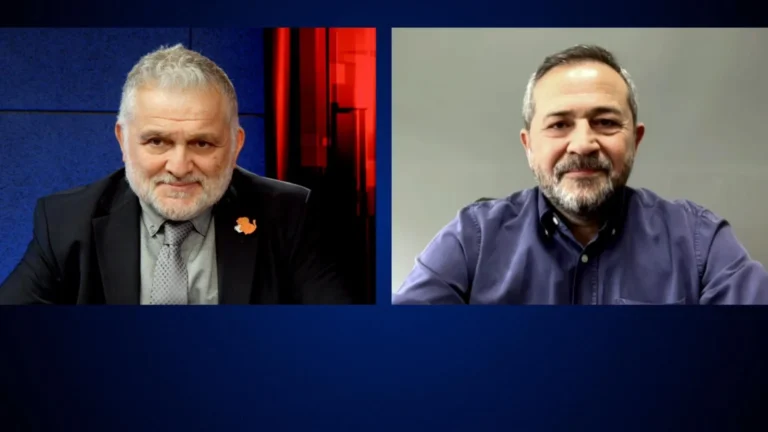
At the same time there is a visible split in the Turkish socio‑political field: some media, particularly the more pro‑Western and economically oriented outlets, still view the US as an indispensable center of financial and technological power to be engaged with pragmatically. But nationalist and left‑leaning circles stress a different side: the war against Iran is perceived through the lens of an old anti‑imperialist narrative, where Washington once again acts as a force disrupting the balance in the Middle East without regard for regional actors’ interests, including Ankara’s. On Medyascope’s analytical airwaves, where Turkish political scientist Ömer Taşpınar discusses the war in Iran, US–China relations and the NATO crisis, it is emphasized that the Alliance is experiencing one of the most serious crises in its history, and Turkey is forced to maneuver, maintaining working relations with Trump while simultaneously building its own game with Moscow and Beijing.(medyascope.tv)
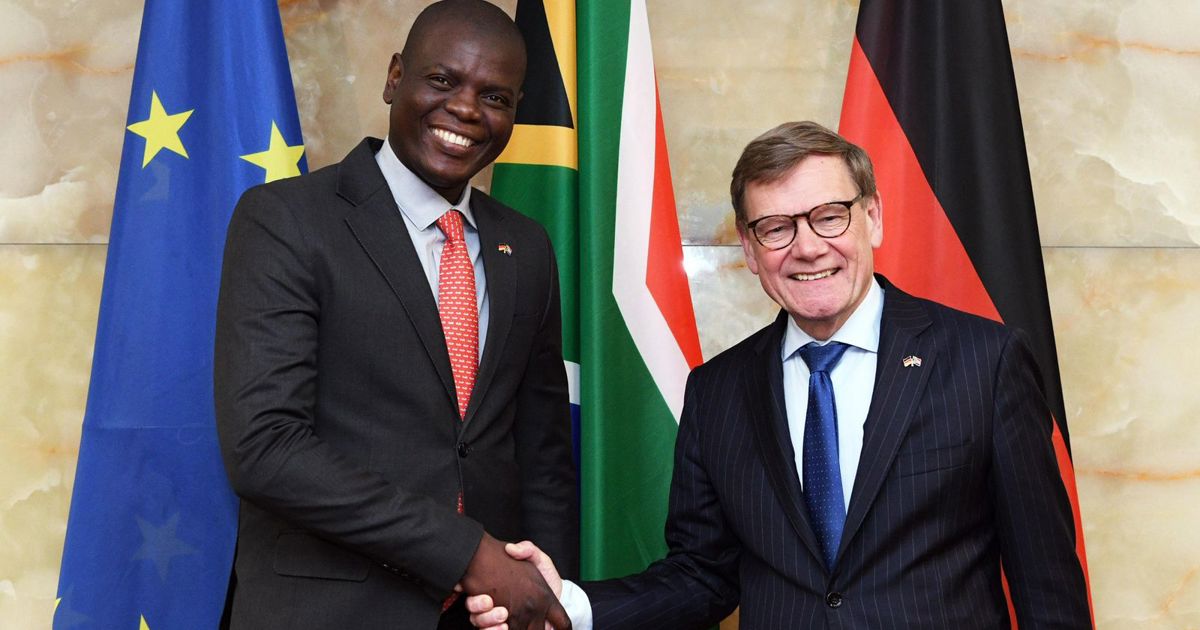
The South African worldview is fundamentally different. In Pretoria and Cape Town the discussion focuses less on the military and more on the moral‑legal side of US actions. There is a strong tradition in South African foreign policy rooted in the anti‑apartheid legacy, sympathy for the Global South and skepticism toward Western military interventionism. South Africa’s Minister of International Relations Ronald Lamola, in a bilateral meeting with his German counterpart in Berlin, put the position very bluntly: he said that both the US and Iran violate the UN Charter, and South African diplomacy takes a fundamentally anti‑war stance, insisting on diplomacy and accountability for the "illegal invasion."(ewn.co.za)
South African analysts emphasize that the US blockade of Iranian ports threatens not only regional stability but also the economies of Global South countries that depend on steady energy supplies and predictable sea routes. In a column for Eyewitness News it is noted that the fragile ceasefire has prompted a "wave of relief" in South Africa, but there remains "great skepticism about how Trump is conducting this war," and some observers believe the US was "outplayed by Iran on several fronts — military and diplomatic."(ewn.co.za)
This South African perspective also incorporates a longer‑term trend: a weakening of trust in American global leadership. A briefing from the parliamentary budget office of South Africa stresses that US policies exacerbate the decline in confidence in international institutions and increase uncertainty, especially amid rising geopolitical tensions and the militarization of access to natural resources.(parliament.gov.za) In practice this is expressed by Pretoria’s refusal to sever ties with Tehran despite pressure, and its growing role as part of a bloc of countries ready to challenge the American narrative at the UN and other forums. One analyst from the Foundation for Defense of Democracies, criticizing South Africa’s course, outright calls the government "anti‑American," highlighting its refusal to break ties with Iran during the war while relations with Israel were sharply downgraded up to the expulsion of the ambassador.(fdd.org)
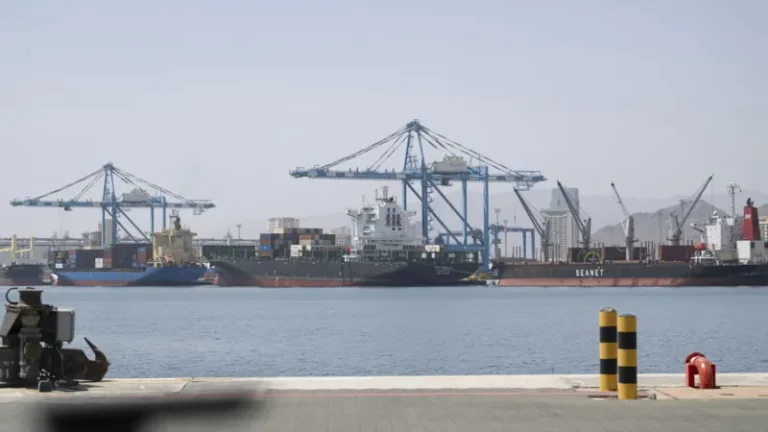
What particularly irritates Germany, Turkey and South Africa is the maritime component of American strategy. A wide range of sources — from German‑language analytical reports to South African press and Turkish business outlets — emphasize that the blockade and control of key maritime arteries have become the main instrument of US pressure. German analytical pieces on the war with Iran stress that the combination of a closed Strait of Hormuz and a ports blockade simultaneously "breaks the Iranian economy" and seriously destabilizes global supply chains, which inevitably hits Germany’s export‑oriented industry. Franco‑German outlets like Le Monde describe the situation as a "stalemate": Iranians, by controlling the strait, strike at global activity, while Americans, by blocking ports, strangle Iran’s economy, and both sides are convinced they control the timing and can wait for the other to make the first concession.(lemonde.fr)
Turkish and German presses closely follow the American "Project Freedom" initiative to conduct convoys through Hormuz, which President Trump presented as a humanitarian gesture in response to requests from countries whose vessels are trapped in the strait. Deutsche Welle’s Turkish edition quotes Trump’s statement about launching "Project Freedom" in detail and almost immediately reports the harsh reaction of the chairman of Iran’s parliamentary national security commission, Ibrahim Azizi, who warned that any American intervention in the strait would be considered a violation of the ceasefire.(amp.dw.com) German‑language and Turkish analysts present this as an example of how narrow Washington’s maneuvering space is: every action, even under humanitarian rhetoric, risks undermining the fragile ceasefire.
Washington’s subsequent vacillations only reinforced the sense of inconsistency. On 6 May the Turkish business broadcaster CNBC‑e quoted Trump as announcing a "suspension of Project Freedom" while maintaining the Hormuz blockade, explained as an effort to "free up space" for negotiations.(cnbce.com) For Ankara and Berlin this looks like a tactical zigzag: the US continues to use hard pressure tools (the blockade) but is forced to step back from the riskiest initiatives under pressure from allies and fears of escalation. In South African discourse such a maneuver is interpreted as confirmation that a forceful US approach does not lead to a sustainable peace: Minister Lamola states plainly that the blockade and forceful measures will not resolve the impasse but will only prolong civilian suffering and global economic instability.(ewn.co.za)
Another line uniting German, Turkish and South African discussions is doubt about the legal and moral legitimacy of the war. In Germany and across Europe think tanks — from party foundations to university units — are dissecting Washington’s arguments. International lawyers, drawing on materials like the overview "Rationale for the 2026 Iran war," note that the US presents the strike as an extension of "self‑defense" and collective defense of Israel, rather than as a new war.(en.wikipedia.org) But for many European and particularly South African commentators this looks like an attempt at a legal circumvention of war without a UN Security Council mandate.
In Pretoria and Cape Town memory of the struggle against apartheid and of their own experience with sanctions makes South African discourse especially sensitive to one‑sided military actions by great powers. South African lawyers and politicians point to recent experiences — from Iraq to Libya — and warn that the current conflict with Iran repeats the same pattern: the West appeals to the right of self‑defense while in practice reshaping the Middle Eastern political landscape by force. An Eyewitness News piece emphasizes that UN resolutions that condemn only Iran for attacks on Gulf states "absolve the US and Israel from responsibility for their own crimes — including aggression and war crimes."(ewn.co.za)
In Turkey, where a significant portion of society traditionally sympathizes with the Palestinians and is critical of Israeli policy, the American narrative legitimizing the war through "protecting an ally" is also met with distrust. Nationalist and leftist publicists draw parallels between the current conflict and the long‑standing US "double standard" regarding Israel and Arab countries. At the same time, the ruling elite, oriented toward balancing relations with the West, Russia and China, seeks not to burn bridges with Washington, seeing both a threat and a bargaining resource in ties with the US — in both military and economic spheres.
Finally, from the German perspective, the US war with Iran and the White House’s tariff pressure are pushing Europe toward a painful but necessary conversation about strategic autonomy. Commentators in Berlin and Brussels point out that at the current level of dependence on American military infrastructure Europe is held hostage to White House decisions that may ignore European economic interests and political preferences. In discussions following American threats to raise car tariffs and announcements of troop withdrawals from Germany, analytical publications such as the FDD foreign‑policy tracker stress that for Washington the transatlantic alliance has become an instrument of tactical pressure rather than a partnership of shared values.(apnews.com)
Interestingly, in all three countries — Germany, Turkey and South Africa — demand grows for multipolar explanations of the world. In Berlin this takes the form of debates about a "Europe without the US," calls to reform NATO or even to form European deterrent forces independent of Washington. In Turkey such sentiments are expressed through "balancing" between the US, Russia and China, attempts to extract maximum political and economic dividends from the West’s loss of unity. In South Africa this appears as a strengthening of Global South identity, emphasis on BRICS and a readiness to openly challenge the American agenda at the UN, even if that comes at the cost of cooling bilateral relations with Washington.(parliament.gov.za)
What in the American press is often briefly described as "the conflict with Iran" and "disputes with Europeans over tariffs and defense," in Berlin, Ankara and Pretoria is perceived as part of a broader transformation: a world where the US still possesses unsurpassed military and financial power but is losing its monopoly on the interpretation of international norms and on the role of "natural leader."
In the German, Turkish and South African discourses about the US today there are simultaneously fear, irritation and pragmatic calculation. Fear — that the conflict with Iran will spiral out of control and collapse the global economy, once again held hostage by an American–Iranian duel. Irritation — that Washington uses its power so unilaterally, often ignoring the interests of allies and partners. And pragmatic calculation — the understanding that pushing the US away is dangerous and costly, but accepting its policy as a given is no longer possible.
It is in these contradictory feelings that a new international conversation about America is being born today — a conversation increasingly spoken not in the language of admiration but in the language of cautious, and at times forceful, reassessment of the US role in the world.