Washington’s international partners seek to build relations based on respect for sovereignty, mutual trust, and consideration of national interests. Denmark and Greenland emphasize the need for autonomy in any arrangements with the United States, Vietnam focuses on strengthening trust, while Turkey is preparing for a diplomatic agenda involving the UN and contacts in America. The materials reflect a cautious and pragmatic approach to U.S. influence—without abandoning dialogue, but with a clear defense of their own interests. This overview is based on material from Yeni Akit (Turkey).
Erdoğan Heads to New York for Dialogue with Trump
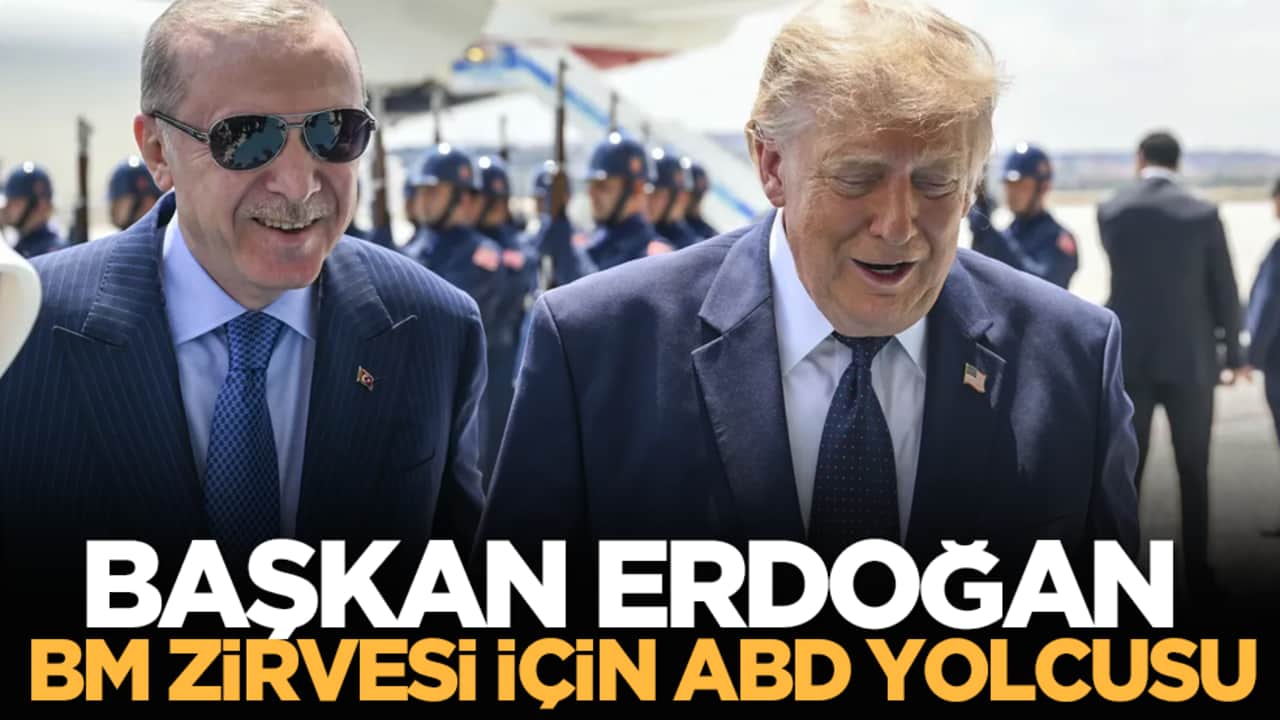
Turkish President Recep Tayyip Erdoğan is traveling to New York to attend the 81st session of the UN General Assembly. In the Turkish press, the trip is viewed not simply as another speech on the international stage, but as an important stage in Ankara’s diplomatic activity and a possible opportunity for direct contact with U.S. President Donald Trump.
As Yeni Akit notes, a possible meeting between the two leaders is at the center of the visit’s agenda. For Ankara, a direct channel of communication with Washington is particularly important against the backdrop of numerous regional and international challenges: the conflict in the Middle East, the situation in Syria, security issues in the Black Sea, and Turkey’s complicated relations with its Western partners.
A Haber correspondent İrfan Sapmaz emphasizes the political symbolism of Erdoğan and Trump appearing at the same venue. “One of the most notable diplomatic contacts on the first day will undoubtedly be the interaction between Turkey and the United States,” he said. According to the preliminary schedule, Trump is expected to be the second speaker and Erdoğan the fourth during the same morning session of the General Assembly.
In the Turkish interpretation, this order of speeches and the possible communication between the leaders are intended to demonstrate that Ankara is at the center of global diplomacy. The trip is presented as part of a broader policy of an independent foreign policy, under which Turkey seeks to discuss key issues directly with the world’s major powers, without limiting itself to mediation formats or the framework of traditional alliances.
The Turkish president’s place of residence is also considered significant. During the visit, Erdoğan will stay at the Turkish House—Türkevi—located opposite the UN headquarters. In Turkey’s political discourse, the building has become a symbol of the country’s prominent and independent presence in the United States. Mentioning it underscores Ankara’s intention to rely on its own institutions and promote national interests directly in global decision-making centers.
The Yeni Akit article uses a tone characteristic of pro-government Turkish media: the visit is described as a diplomatic offensive and Erdoğan’s “landing” in New York. Behind this rhetoric lies the idea of equal dialogue with the United States—without dependence on Western capitals and with an emphasis on Turkey’s independent role in regional and international security.