In mid‑May 2026 the United States once again found itself at the center of global debate, but the perspectives in Paris, Delhi and Ankara look little like the picture familiar to American readers. The focus is the US and Israeli war against Iran, the prospect of Washington weakening or even leaving NATO, harsh economic selfishness in trade, and the question: what will happen to the world order if the United States is simultaneously at war, reshaping the security architecture and projecting its domestic political conflicts outward?
French, Indian and Turkish commentators look at the same events — bombings of Iran, a maritime blockade of the Strait of Hormuz, US threats to reconsider its role in NATO, tariff wars and support for Israel — but draw different conclusions. Some speak of an “imperial return” of America, others of its strategic confusion, and still others of an opportunity for their own maneuvering between West and East.
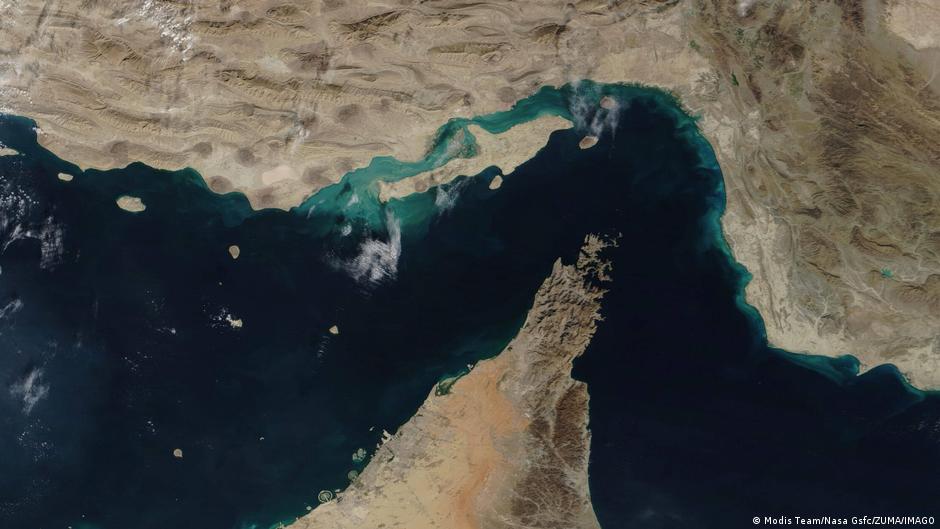
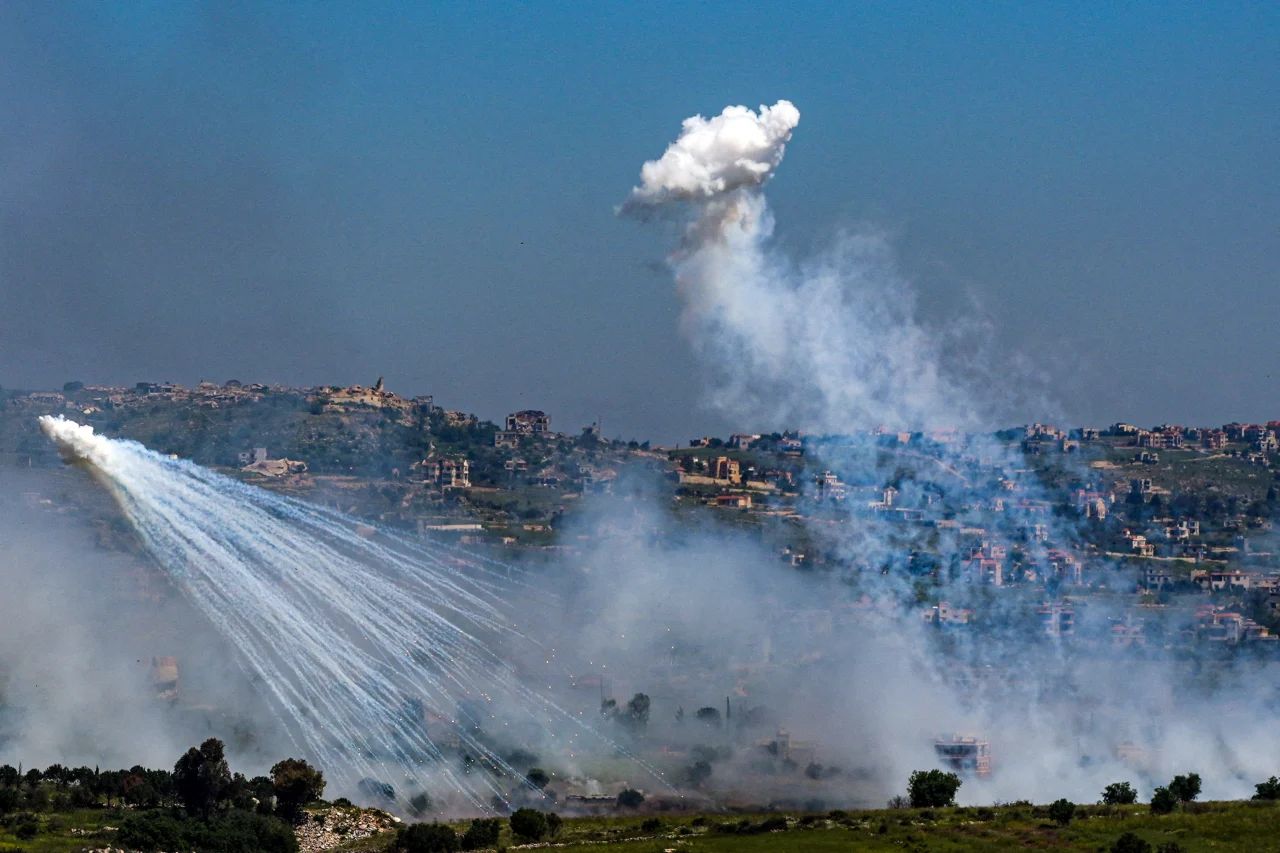
The central nerve of this conversational field has become the US and Israeli war against Iran, which began on February 28, 2026 and quickly developed into a maritime blockade and a series of strikes against Iranian sites, including raids during an already declared ceasefire. (en.wikipedia.org) It is around this conflict that Europe’s fears, India’s calculations and Turkey’s ambitions are organized.
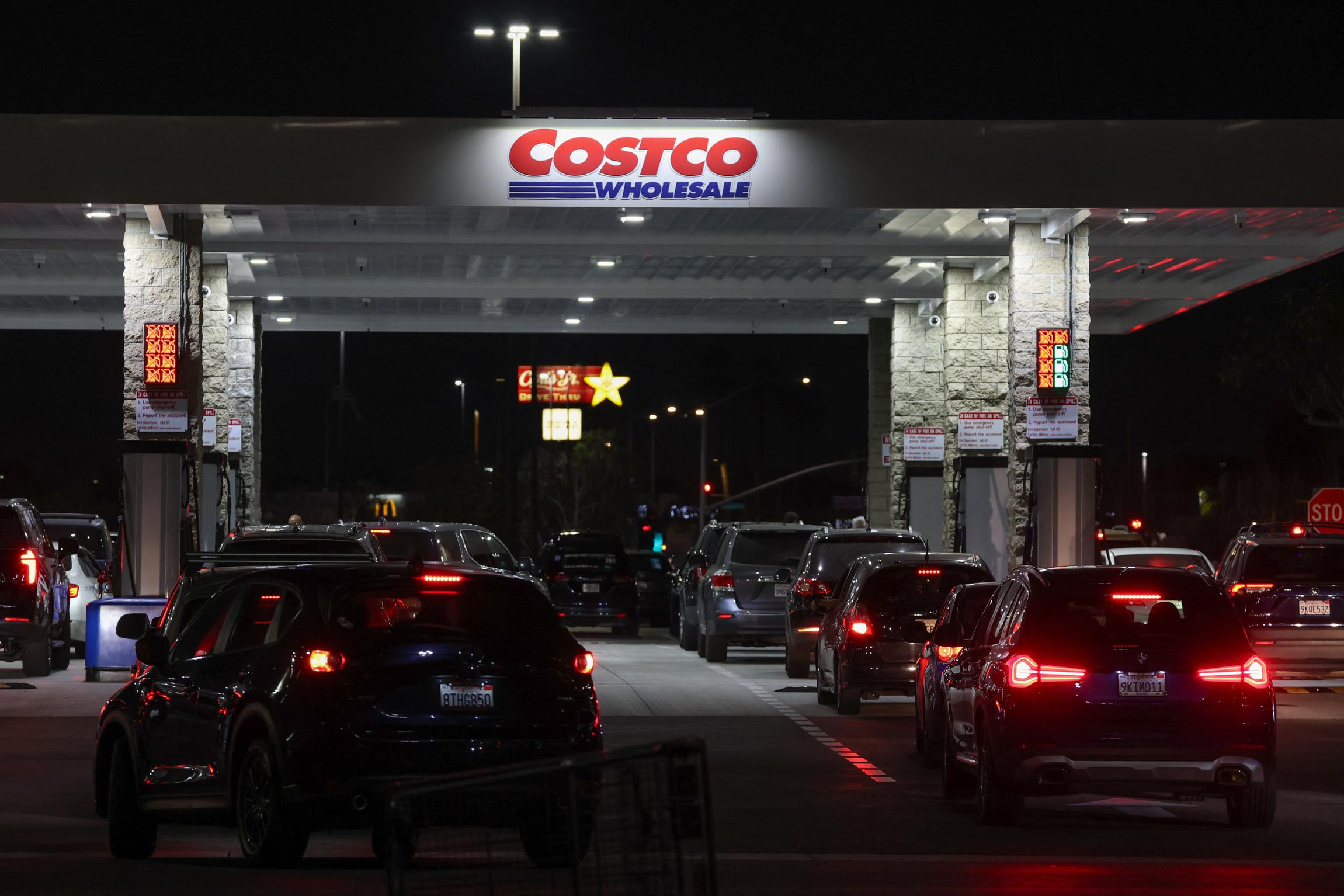
In France and more broadly in Europe, the Iran war and the threat of NATO’s unraveling overlap, creating a picture of an “unreliable America.” Commentators at Le Monde in an editorial titled “War in Iran: diplomacy is urgent” describe the situation as both a strategic and political failure of Washington: on the one hand, “every day the conflict becomes darker,” and on the other, “the chaotic communication of the American administration has become increasingly embarrassing,” especially after the White House one day announced a military operation to “break through” the Strait of Hormuz and the next day withdrew it. (lemonde.fr) In another Le Monde piece it is emphasized that strikes on Iran and the blockade of the Strait of Hormuz have already come back as a boomerang in the form of a spike in US inflation — April data showed consumer prices accelerating to 3.8% year‑on‑year primarily due to energy — and this, the paper argues, is a direct consequence of Donald Trump’s “chaotic and contradictory” line. (lemonde.fr) For French authors this is an important symbol: America no longer merely “exports security,” it also exports its crises.
Against this background, the NATO discussion in France is painted in much darker tones than official communiqués. In the popular francophone daily press and online debates, statements by US Secretary of State Marco Rubio are actively quoted, in which he directly said Washington should “reconsider” its relations with the alliance after a war with Iran, as well as threats by Donald Trump that the US might not come to the aid of NATO allies and might even leave the alliance. (24heures.ca) One 24heures.ca article emphasizes that the US accuses France, Spain and Italy of refusing to grant airspace and use bases to supply Israel and operate around Iran, and this is used to explain Washington’s readiness to “cool” relations within NATO. (24heures.ca)
French commentators see here a troubling linkage: Washington is waging a war that hits European energy interests, while simultaneously demanding greater military and financial dependence from Europe and, in the event of political conflict, threatening to abandon its allies. In francophone Reddit discussions this attitude toward such an America is described with the words “voleur” and “bully” — “thief” and “bully” — when it comes to Pentagon plans to “redirect” European military aid for Ukraine to the needs of the war in Iran and then insist that allies buy American weapons. (reddit.com) For a significant portion of the French public this picture fits into a broader trend: according to an Ifop poll published in January, 42% of French people already view the US as a “hostile country,” and 51% consider America under Trump a future military threat to France. (estrepublicain.fr)
At the same time the French state and the strategic community continue a practical dialogue with Washington on nuclear deterrence and strategic stability — as evidenced, in particular, by the Franco‑American dialogue on nuclear policy and non‑proliferation held on March 9 in Paris. (diplomatie.gouv.fr) An analytical note from the Institute of International and Strategic Relations (IRIS) on the new “US National Security Strategy 2025” notes: even if the image of the US in Europe has seriously degraded, Paris cannot ignore the American role in the balance of power, especially in light of the war in Ukraine. (iris‑france.org) But in public discourse the tone is shifting: the idea is increasingly heard that Europe must “learn to live without US security” and at the same time without the American military market.
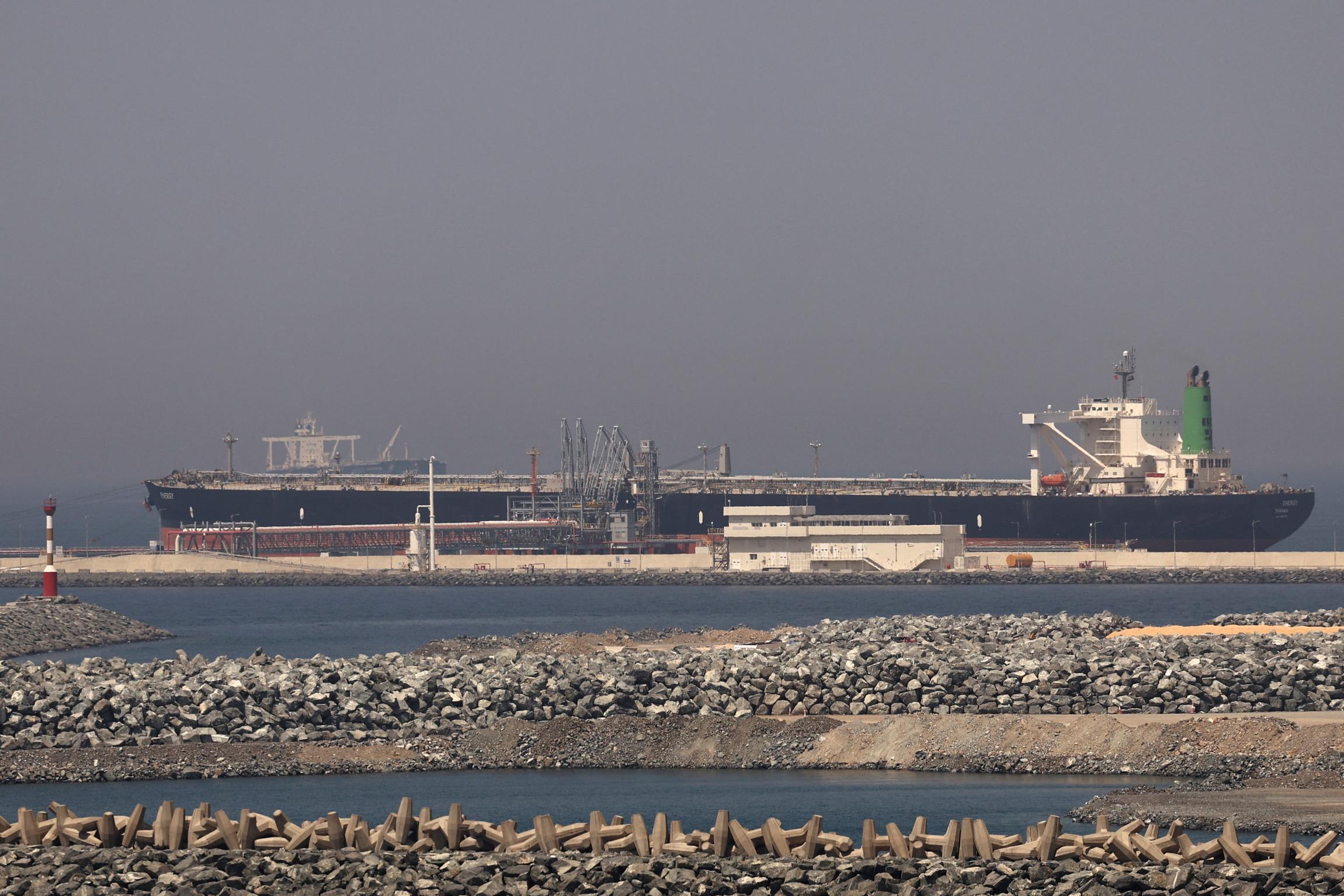
The Turkish discussion is built around a different lens: Ankara is not so much afraid of “America’s departure” as it seeks to use the events to expand its own room for maneuver. Turkish commentators analyze in detail how the US and Israeli war against Iran and the blockade of the Strait of Hormuz change the energy and naval map of the region. A DW analysis in Turkish discusses Donald Trump’s “Project Freedom” — the idea of organizing an international operation to escort “neutral” ships through the Strait of Hormuz, allegedly at the request of countries not participating in the war. Turkish experts and Iranian officials see this not as a humanitarian mission but as an actual attempt to consolidate American control over a key maritime chokepoint under the cover of freedom of navigation; Ibrahim Azizi, head of the Iranian parliament’s national security and foreign policy commission, directly warned that any such operation would be perceived by Tehran as a violation of the ceasefire. (amp.dw.com)
On the pages of Turkish outlets Dünya and Euronews Türkiye much attention is paid to the legal and economic aspects of the American blockade of Iran: some experts stress that under international law closing Hormuz could be seen as a violation of the principle of freedom of navigation, others that the US is de‑facto using the dollar and control over logistics as a weapon, forcing both European and Asian companies to take American sanctions into account. (dunya.com) In the Serbestiyet article “The Iran‑American War on Day 63” the commentator draws a parallel with 2003: then the US also started a war without a clear “exit,” but now the risk of a global energy shock is many times higher, and the spaces for American maneuvering are smaller. (serbestiyet.com)
This tension paradoxically strengthens the arguments of those in Washington who praise Turkey. One Turkish newspaper, Türkiye Gazetesi, recounts words from American officials and experts in Washington who acknowledge that Ankara’s contribution to NATO security is “comparable to that of the US” thanks to its control over the straits and participation in the fight against ISIS. (turkiyegazetesi.com.tr) For Turkish commentators this is a signal: as France and other European countries refuse to support the American line in the war with Iran and in supplying Israel, Turkey demonstrates that it can be both a problematic partner and an indispensable mediator.
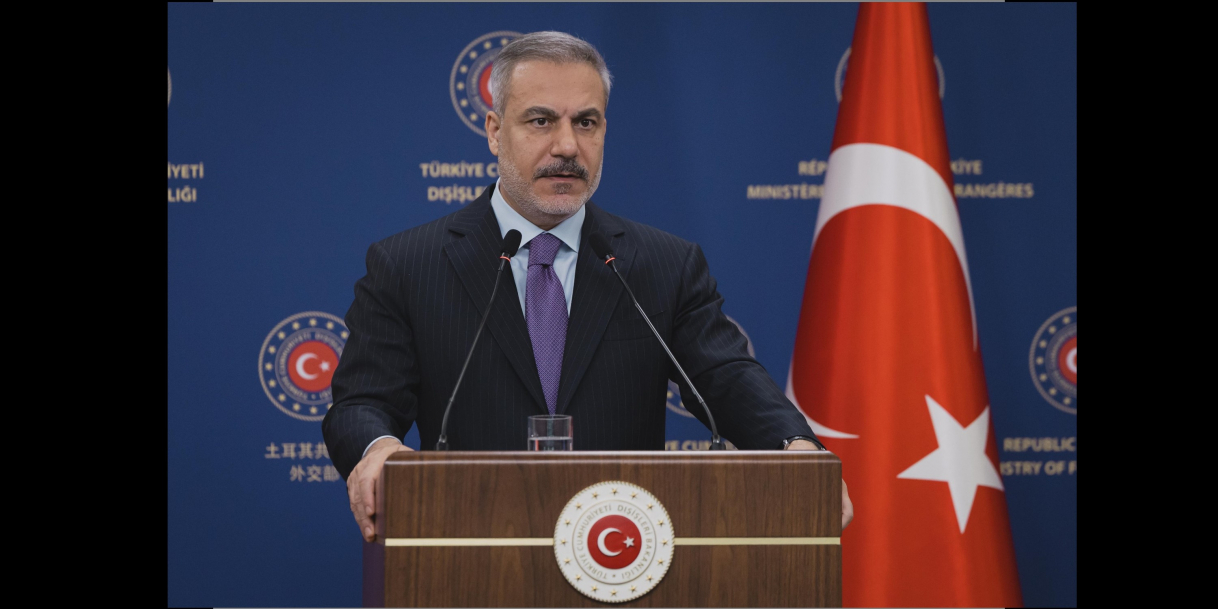
Another large strand of Turkish debate concerns direct attempts by Ankara to play the role of mediator between Washington and Tehran. Foreign Minister Hakan Fidan, in an interview relayed by the presidential communications office, claims that Turkey is working to end the “war between the US and Iran” and is trying to fit this into a broader security architecture for the Persian Gulf. (iletisim.gov.tr) For Turkish think tanks this is a chance to show that where the US hits a dead end, Ankara can act as a regional stabilizer. At the same time, news is swirling about the possible return of Turkey to the F‑35 program — another move in the game with Washington in which Ankara seeks to turn its “indispensability” into concrete defense and technological gains. (dunya.com)
India watches the same war very differently. Official Delhi maintains formal neutrality: as a briefing on India’s role in the Iran war notes, the country did not join the anti‑Iran coalition nor the sanctions, preferring to stay away from direct confrontation. (en.wikipedia.org) Indian analysts in business and foreign‑policy press, however, view the conflict primarily through the prism of energy security and the balance of relations with the US and Iran.
Economic bulletins and internal notes, such as a recent review by France’s Direction générale du Trésor on the Indian economy, emphasize that India’s trade with the US continues to grow despite the shocks, and India’s foreign exchange reserves exceed $720 billion. (tresor.economie.gouv.fr) For Indian commentators this means the country has some “buffer,” but a large‑scale energy shock from a war in the Strait of Hormuz would still be painful. Indian analytical journals discuss scenarios for additional access to American oil to replace Iranian and broader Middle Eastern supplies, as well as risks for the Chabahar project, which India invested in as a “gateway” to Central Asia bypassing unstable Pakistan and difficult relations with China. (en.wikipedia.org)
Indian political commentators pay attention to another aspect: the US and Israeli war against Iran and Washington’s strongly pro‑Israeli position in Gaza undermine America’s image as a “holder of the liberal order.” In opinion pieces close to the opposition Congress party it is argued that the Modi government, trying not to spoil relations with the US, has ignored sentiments within its own Muslim community and risks being “on the wrong side of history” if the war drags on and is accompanied by rising human casualties. (en.wikipedia.org) This does not mean India is ready to distance itself from the US, but, according to Indian experts, it strengthens intra‑elite arguments for an even tougher “multi‑vector” policy in which Delhi works simultaneously with Washington, Moscow and Tehran without openly taking anyone’s side.
The general backdrop of distrust toward the US is amplified not only by the war and NATO questions but also by Washington’s trade policy. In France, a year after the US raised tariffs on a whole range of European goods, La Tribune notes: France turned out to be less vulnerable than some neighbors, but the overall effect for the EU is negative — the US trade balance with the European Union improved by $27 billion in just one year, mainly because European imports to America became more expensive and less competitive. (latribune.fr) This picture fits neatly into the French narrative of “American egoism,” in which Washington uses tariffs and the dollar‑centric global system as levers not only against China but also against its allies.
In Turkish economic discourse, by contrast, tariffs and the energy crisis are seen not only as a threat but also as an opportunity. Funds and private investors discuss on specialist platforms how rising prices and a shortage of Middle Eastern oil amid the Hormuz blockade open a “window of opportunity” for Turkey as a transit hub for American oil and gas to Europe: investment forums cite tanker schedules from the US to the Turkish port of Aliağa and profit forecasts for re‑exports. (reddit.com) Here the US is perceived not only as a risk factor but also as a source of raw materials and liquidity to be dealt with pragmatically, without sharing political judgments.
In Indian discussion US economic policy appears more ambivalent. On one hand, Washington is the most important partner in high technology and a source of investment; on the other, Indian analysts remember how quickly the US imposed export controls and sanctions against China, and wonder whether India could be “next” if the geopolitical conjuncture shifts. In this context, both the tariff wars with the EU and the use of oil sanctions against Iran are often cited as examples of how the US is willing to turn the economy into a weapon, not paying much heed even to the interests of partners. (latribune.fr)
Finally, there is another layer of perception of the US that is especially noticeable in French and Turkish debate: the internal crisis of American democracy and its “export.” In popular French discussions and analysis it is noted that Donald Trump’s “alternative truth,” which undermines trust in institutions within America, is gradually seeping into French discourse, strengthening radical and conspiratorial narratives. One widely cited text on a francophone platform describes how rhetoric about the “deep state,” “corrupt elites” and “stolen elections,” which took shape in the US beginning with protests against police, has become a “deadly narrative” undermining republican values in France. (reddit.com)
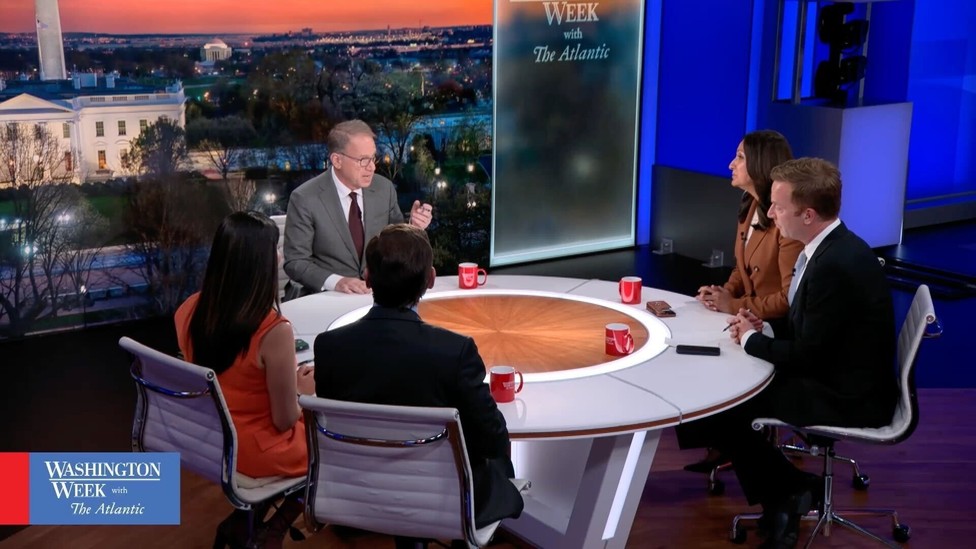
In Turkey, where the domestic democratic system has long faced criticism, American democratic problems serve as a convenient counterexample: if even the US is mired in disputes about the legitimacy of elections and the separation of powers, why does Washington continue to lecture others? Turkish commentators, not necessarily close to the government, freely quote American and European articles about how Trump “cannot find an exit” from the war with Iran while at the same time squabbling with Congress, to underline that America’s moral capital, on which its foreign policy was built, is genuinely shrinking. (theatlantic.com)
This shift is also visible in how European and Turkish media discuss American support for Israel in Gaza. French and Turkish sources emphasize: unlike the relatively transparent and detailed military aid to Ukraine, arms supplies to Israel are accompanied by much less public accountability, creating space for accusations of US “double standards” and “complicity” in possible war crimes. (fr.wikipedia.org) For public opinion in both France and Turkey this is further proof that America can no longer claim the role of universal arbiter.
If one tries to bring together French, Indian and Turkish reactions, a common picture emerges: the US remains a central actor, but no longer an undisputed leader. The war with Iran is seen as a symptom that Washington is still inclined to solve problems by force, but now does so with weakened authority, unbalanced alliances and a more fragmented world. French discussion concentrates on how to protect Europe from Trump’s caprices and dependence on American security and industry; Indian debate on how to extract benefits from partnership with the US without being hit by its sanctions and wars; Turkish on how to exploit ruptures between Washington, Europe and Iran to strengthen its own regional role.
In all three cases this is not simply “anti‑Americanism” but a pragmatic reassessment: the world is no longer ready to view the US as an unconditional good, but it cannot ignore its military, economic and political power. It is this tension — between necessity and distrust — that defines the tone of international conversations about America in spring 2026.