In recent weeks the United States has once again become the center of global discussion — not as an abstract “superpower,” but as a very active, at times unpredictable actor, sharply changing the rules of the game. For China, Australia and Israel this “new” Washington — with President Trump, a strike on Venezuela, a war with Iran, a visit to Beijing, a loud “series of withdrawals” from international organizations and tariffs struck down by the Supreme Court — has become a test of the resilience of their own strategies and of their visions for the future world order.
At the same time, national debates in these three countries almost never concern “the U.S.” in the abstract: America always appears as a factor in local security, the economy, or domestic politics. Chinese authors consider how to turn turbulence into an opportunity to strengthen “constructive strategic stability” with Washington. Australian commentators assess whether their traditional bet on an alliance with the U.S. will withstand blows to global trade and legal regimes. Israeli analysts discuss not only Washington’s military and diplomatic support but also the unprecedented deterioration of Israel’s image in American public opinion — a broken pillar of the previous “special status.”
Several cross-cutting themes come to the fore: the redefinition of U.S.-China relations after the Beijing summit between Trump and Xi; the strike against multilateral institutions and the U.S. tariff turn; American military power from the Strait of Hormuz to Caracas and its consequences; and, finally, the transformation of American perceptions of Israel, which Israel is watching almost as closely as its own elections.
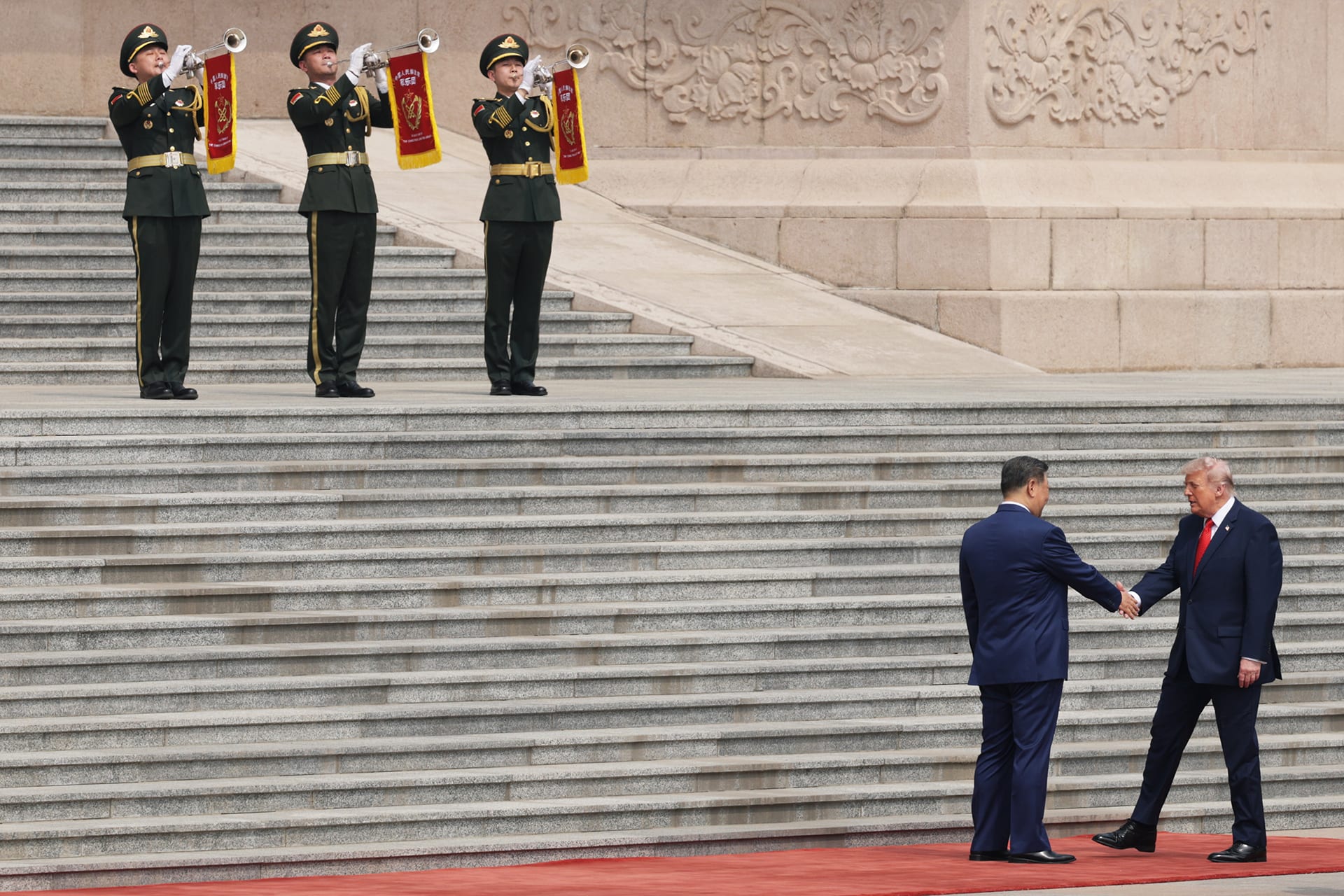
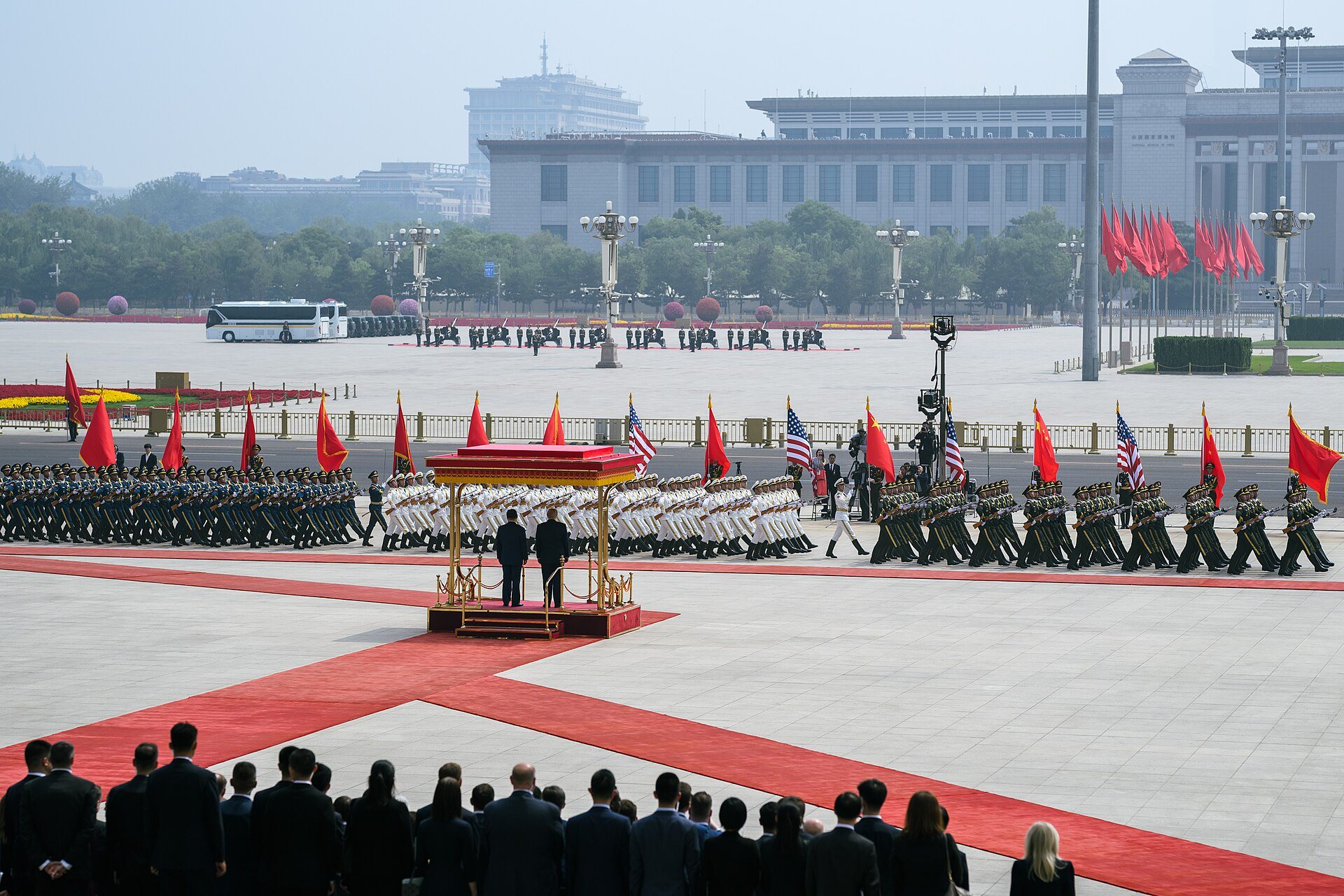
One of the central narrative threads is set by Donald Trump’s May visit to Beijing and the announcement of a formula for “constructive strategic stability” between the U.S. and China. At the official level in China, this visit is described as the start of a “new chapter” in bilateral relations, in which leaders agreed to give them a new strategic vector for the coming years: to build “constructive strategic stability” and seek the “right path for a great power in a new era,” as Xi Jinping put it. Party press emphasizes that the U.S. should recognize China’s development as “an opportunity, not a threat,” and the personal diplomacy of leaders is presented as the main resource capable of keeping relations “on track” even amid conflicts over Taiwan and sanctions. In an article in the People’s Daily the author, presented as an “American expert on international affairs,” writes directly that “summit diplomacy” becomes a source of a “new engine” for relations between the two countries and that a significant portion of American business still views the Chinese market as key to its growth. This line — to show that even with the toughest rhetoric from Washington, structural interdependence and the political will of leaders can “restart” relations — today dominates official Chinese discourse. (fmprc.gov.cn)
In parallel, in English-language analysis — and partly in independent Chinese-language commentary — the same summit is described far less idyllically. Several Western reviews, including analysis by the Council on Foreign Relations, emphasize that under the loud formula of “strategic stability” Beijing and Washington mean different things: the American side essentially sees it as a tool for risk management and a transactional set of mutual concessions, whereas China invests the concept with hierarchy, recognition of status and clear norms of behavior, above all on Taiwan. (cfr.org) Left critics in the English-language press go further, describing the Beijing summit as a “carefully staged pause” in strategic competition, bought with a combination of American pressure and Chinese patience. (realcleardefense.com)
Chinese official media clearly try to divert attention from the image of a “Thucydides trap” — a scenario in which a rising power inevitably collides with an existing hegemon — but they themselves play with this concept. In Western leftist commentary, for example in CounterPunch, the summit in Beijing is described as an attempt to “rewrite the rules of superpower economic engagement” and as a signal that Beijing is consciously offering a new format of relations intended to prevent Thucydides-trap logic of confrontation. (counterpunch.org) For a Chinese audience the same theses are rendered as “mutually beneficial cooperation” and the “right path for great powers,” but the subtext remains: China seeks to cement strategic equality, while the U.S., according to many Chinese authors, still thinks in terms of containment and deals.
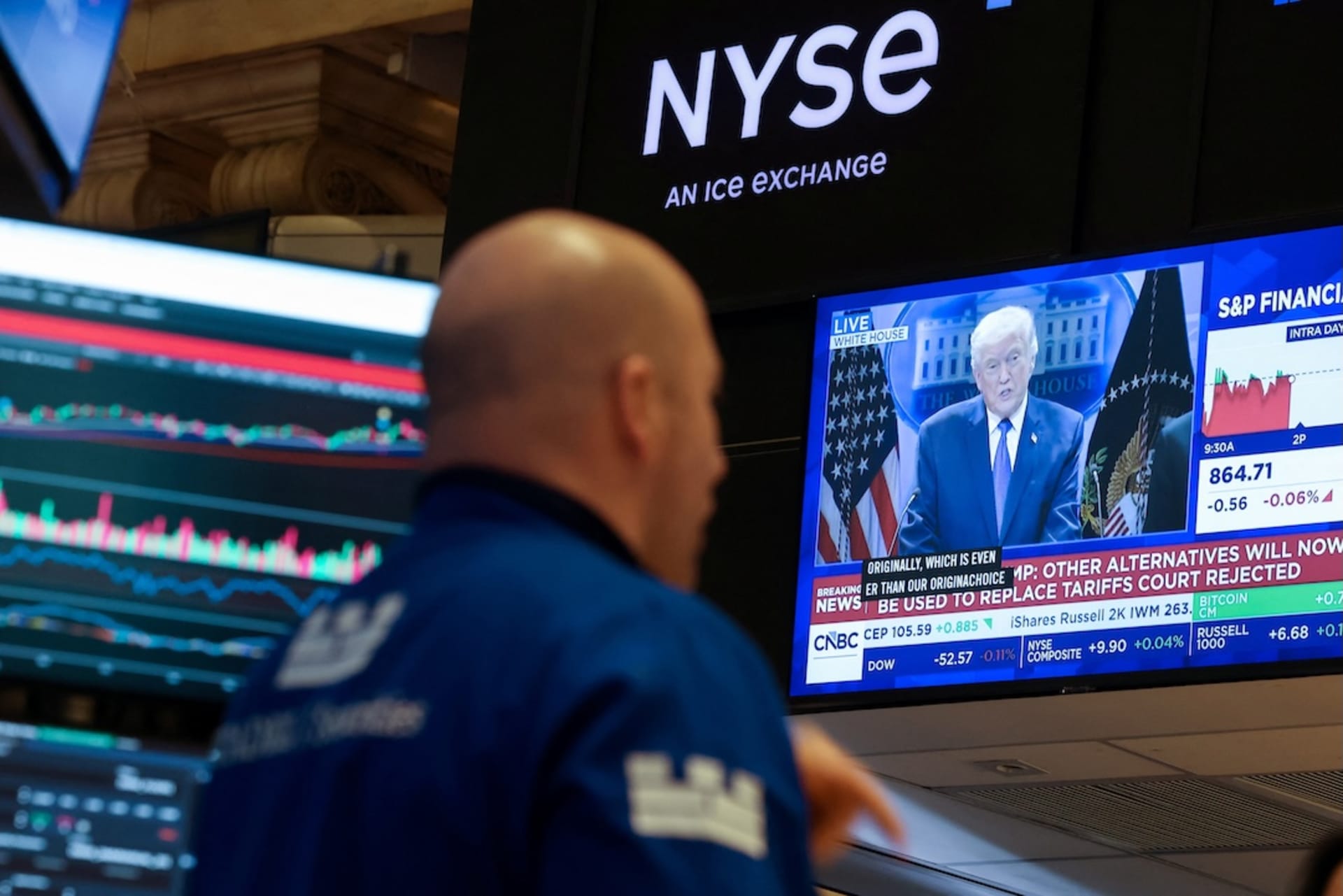
Australian commentators view the U.S.-China dialogue through the prism of their own vulnerability: the country is deeply embedded in the American security system, yet economically dependent on China. For the Canberra elite, Trump’s visit to Beijing and the new “stability” formula mean both relief — the risk of direct military confrontation in the region seemingly decreases — and anxiety that behind closed doors the U.S. and China may reconfigure the regional economic space, leaving allies with faits accomplis. Australian think tanks have already linked the recent U.S. Supreme Court decision to deem part of Trump’s tariffs illegal under the IEEPA with Washington’s need to seek other, possibly more selective, instruments of economic pressure on China and its partners. Legal briefings prepared in part for Australian business stress that the formal blow to presidential tariff powers does not remove the fundamental problem: U.S. trade policy remains politicized and highly unpredictable for allies. (cfr.org)
In China, by contrast, the Supreme Court ruling and Trump’s subsequent search for new economic levers against partners are interpreted as a symptom of internal instability in the American system. Chinese reviews of the international press emphasize that “unilateral tariff adventures” are now undermined not only by partner resistance but also by U.S. institutions themselves. This, Chinese authors argue, should push Washington toward greater respect for multilateral norms and thus make it easier for Beijing to defend its interests as an equal great power.
But within the same Chinese debate there is another thread: concern about a widening “rupture” of the United States from international organizations and multilateral regimes. Chinese reviews in recent years, including pieces on the so‑called “large-scale U.S. withdrawal from international organizations” in 2026, portray Washington as a factor in fragmenting global governance: from UNESCO to the World Health Organization. Chinese authors emphasize that UN officials and many states express “deep regret,” while Beijing accuses the U.S. of a “blunt blow to multilateralism and international law,” also reminding audiences of Washington’s arrears in contributions. (zh.wikipedia.org)
The Australian conversation about the same phenomenon — American retreat from multilateral structures and arbitrary use of sanctions — sounds different. Here the focus is not the ideology of multipolarity but practical calculation: what will happen to the Asia-Pacific trade architecture and global institutions if the U.S. continues to tear up agreements and undermine predictability of rules. Lawyers and economists analyzing the Supreme Court’s tariff decision point out that for countries like Australia this is both an opportunity and a risk: a weaker “tariff cudgel” from the president means less threat of sudden duties on exports, but the less consistently Washington is bound to multilateral frameworks, the greater the uncertainty surrounding the future of the WTO, regional agreements and dispute-settlement tools. (ashurst.com)
Chinese economic agencies, meanwhile, try to turn American sanction pressure into an argument for internal mobilization. For example, the Ministry of Commerce’s response to U.S. sanctions on companies linked to Iranian oil was framed as a demonstrative refusal to recognize or comply with “illegal extraterritorial measures” by the U.S. Chinese analysts openly discuss the risk of dragging China’s banking sector into a “sanctions vortex” between Washington and Tehran, but simultaneously present it as a moment of truth: either China learns to shield its companies from American law, or it will remain hostage to others’ decisions. (zh.wikipedia.org)
American power in the military dimension is today discussed no less than its economic levers. For China the key node is the linkage Taiwan–Iran–China’s own bargaining position vis-à-vis Washington. This logic is spoken of quite openly by Chinese and regional observers: while the U.S. fights a protracted war with Iran and reallocates resources from East Asia, Beijing gains an additional “lever” in dealings with Trump. Chinese sources recall that experts have already noted: U.S. involvement in a war with Iran, against the backdrop of shifting military resources away from the Korean Peninsula and Japan, objectively strengthens China’s bargaining positions on a wide range of issues — from trade to Taiwan. (zh.wikipedia.org)
A recent example is the news that, according to the acting Secretary of the Navy, the U.S. intends to pause some planned arms sales to Taiwan to ensure sufficient stocks of munitions for operations against Iran. Chinese diplomacy immediately used the story to underscore once again: Taiwan is the “core of cores” of China’s interests and the “first insurmountable red line” in relations with the U.S. In its response to inquiries about possible pauses in deliveries, the Chinese Foreign Ministry welcomed any steps that reduce American military support for Taipei and at the same time warned Washington about the risk of “clashes and even conflict” if the Taiwan question is mishandled. (chinanews.com.cn)
Australian reporting, by contrast, focuses on another front of the same American campaign — the blockade of Iran in the Strait of Hormuz. ABC reports detail how the U.S. has effectively choked off Iranian oil exports, forcing Tehran to store crude in idling tankers and balance technical risks against the threat of further American action. Australian experts quoted explain to the local audience that this head‑to‑head game between Washington and Tehran not only raises the price of oil but also adds nervousness for Asian importers, including Australia, whose energy security remains tied to vulnerable sea lanes. (abc.net.au)
The Israeli view of American power and its limits in 2026 is most connected not with Iran (although the Iranian track remains a background) and not even with Venezuela, but with how America itself is changing — in terms of attitudes toward Israel, toward wars and toward the “special relationship.” The Institute for National Security Studies in Israel writes in a new report about a “deepening crisis in Israel’s positions in the United States,” emphasizing that even with continued formal support from Republicans and the White House, public opinion — especially among Democrats and youth — is shifting in a direction unfavorable to Israel. The authors warn that even if the Republican Party retains control of Congress in the 2026 midterms, the “political cover” Israel has relied on in the U.S. can no longer be taken for granted. (inss.org.il)
Recent months have given Israel several alarming signals. Large American polls show that for the first time in a long while the share of Americans with a negative view of Israel has exceeded those with a positive view. This reflects a combination of left‑wing humanitarian criticism — over Israel’s role in the war with Iran and operations in Gaza — and a right‑wing isolationist “America First” trend that questions the rationale for generous military aid to any ally. (jta.org)
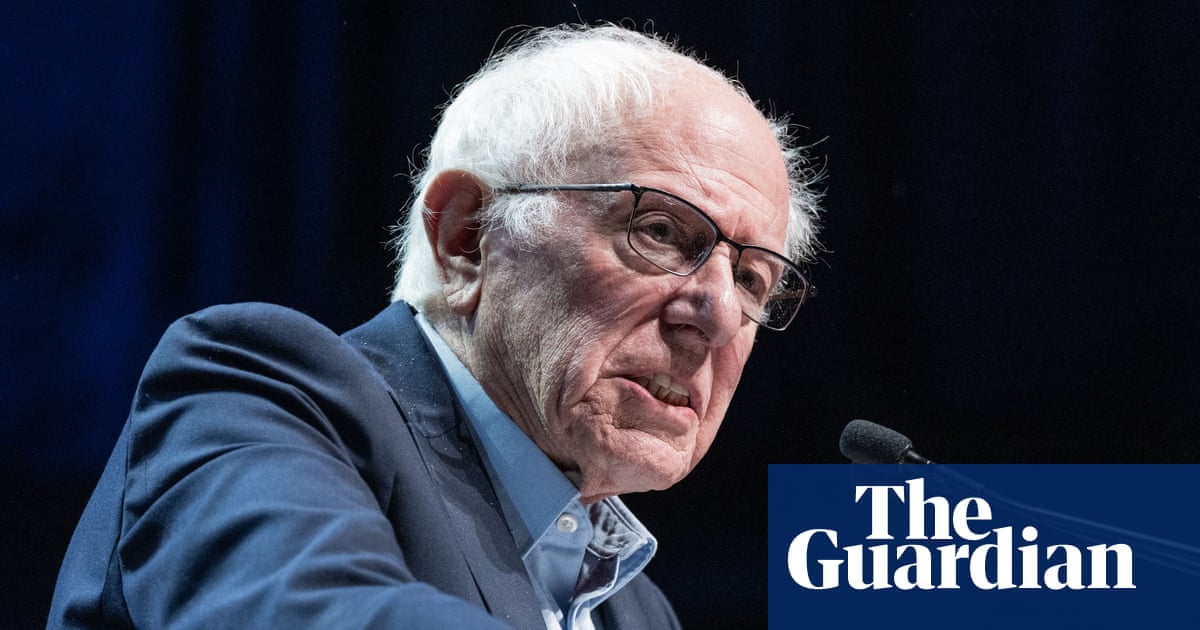
A resonant episode for the Israeli debate was Senator Bernie Sanders’s failed attempt to block U.S. arms sales to Israel. Although the initiative failed in the Senate and Republicans rallied around military supplies to the ally, the very raising of the question — of the need to “push back” against AIPAC and to reconsider the automaticity of military aid to Israel — was perceived in Jerusalem as a symptom of a deep shift. As many Israeli commentators noted, such moves were once considered marginal; now they proceed through official procedures and find loud support in parts of the American establishment. (theguardian.com)
This anxiety intersects with conversations about how American policy more broadly affects Israeli security. In expert and even everyday Israeli discourse there are frequent references to American opinion polls, including at the AMFest forum, where among young Republicans 86.7% still see Israel as an ally but almost 60% support the creation of a Palestinian state; or to Quinnipiac data showing that Trump’s disapproval among Americans aged 18–34 reaches two-thirds. For some Israeli commentators this leads to a grim conclusion: relying on a “Trump America” as a long-term guarantor is an illusion if the young American audience distances itself from both Trump and unconditional support for Israel. (reddit.com)
Interestingly, China, Israel and Australia all closely track American domestic polls — but with different expectations. Chinese press cites with notable satisfaction recent Pew Research data showing that positive American attitudes toward China have almost doubled in three years to 27%, but negative views still prevail among the overwhelming majority. For Beijing this is a double signal: on the one hand, there is a window for “people‑to‑people diplomacy” — programs like inviting 50,000 American schoolchildren and students to study in China look promising; on the other, hostility in the U.S. runs so deep that dependence on “soft” instruments cannot be the only strategy. (reddit.com)
Israeli analysts, by contrast, read American polls as a direct indicator of their own strategic security. In their logic the fall in sympathy for Israel in the U.S. is more dangerous than any specific UN Security Council resolution: without broad public support, warn voices in Jerusalem, even a friendly administration will sooner or later encounter limits on military aid and diplomatic cover.
Australian centrists are more worried that an increasingly polarized America — with a Court limiting the president’s economic powers, a president willing to withdraw from international organizations and to carry out unilateral strikes against Venezuela — may become a less predictable ally. The Supreme Court decision rescinding broad tariff powers from Trump is seen as a reminder: for businesses and partners the U.S. legal system can be both protection and a source of uncertainty; much depends on how far the administration is willing to go in seeking circumvention. (cfr.org)
Two recent military stories — the strike on Venezuela and escalation against Iran — occupy a special place in current international perceptions of the U.S. In Chinese and more broadly Global South discourse the Caracas episode is seen as a return to the archetype of “American interventionism” in the backyard, which seemed to have receded into the past. Chinese commentary emphasizes that Beijing did not accept Trump’s version that “thanks to good relations with Xi” China would not object to the operation; on the contrary, the Chinese Foreign Ministry publicly reaffirmed its traditional rejection of the “international policeman” role and of a “self‑appointed international judge.” In a meeting with the Pakistani vice premier, Chinese foreign minister Wang Yi reiterated firmly that the sovereignty and security of every state must be defended by international law, and that the use or threat of force in international relations is unacceptable. (zh.wikipedia.org)
This tone fits well with the broader Chinese line: a contrast between a “responsible multilateral” China and a “unilateral” U.S. Chinese authors do not hide that they see in each new American military campaign an argument for accelerating reforms of global governance under Beijing’s aegis and its initiatives, such as the “Global Security Initiative.”
The Australian focus on the war with Iran is more pragmatic: local media explain to audiences that the American blockade of the Strait of Hormuz and the buildup of tensions in the region carry material risks for Australia’s economy and security, not just abstract threats to the “world order.” Commentators speak of a “game of chicken” between Washington and Tehran, where neither side wants to yield and potential victims are states dependent on free navigation and stable oil prices. (abc.net.au)
Israeli discussion of American military campaigns is inevitably tied to Iran. Local experts note that the current U.S. war with Tehran on the one hand eases some direct pressure on Israel, but on the other creates the temptation in Jerusalem to “maximize” gains while a sympathetic Washington stands behind it. Analysts point out that betting on firm support from the current U.S. administration may accelerate the erosion of bipartisan consensus around Israel: Democrats tired of endless wars are less willing to treat Israel as a “special case,” and Republican isolationism “America First” over time could call into question the formula of “unconditional” military aid so sacred to Israel. (inss.org.il)
In all three countries — China, Australia and Israel — another theme is clearly present that American audiences do not always see: the question of how “American” the digital and technological world remains. One paradox of recent years discussed by Chinese and Israeli AI researchers: even Chinese large language models trained on local data, according to several studies, show a notable presence of American values and narratives. In Chinese academic debates this raises the question: in conditions of dense technological and informational integration can one at all speak of complete “sovereignty” from American influence, even if trade and security lines are sharply delineated. (arxiv.org)
In Israeli mass discourse this technological side appears more prosaically: in discussions about the rising cost of living Reddit users compare prices and quality of services in Israel and the U.S., noting, for example, that although Israel’s healthcare system is imperfect and costly for many, against the American system — where even essential medicines are hard to get reimbursed under private insurance — Israel still looks like a “welfare state.” Such conversations remind readers that the U.S. remains not only a power and risk, but also an important point of comparison for other countries’ domestic policies. (reddit.com)
Putting these disparate threads together yields a rather complex portrait of America in the eyes of China, Australia and Israel in May 2026. For Beijing the U.S. is simultaneously the main rival and an indispensable partner, whose instability in domestic conflicts and international commitments opens new opportunities but also carries hard‑to‑control risks. For Australia the United States remains the key guarantor of security but an increasingly problematic architect of the global economy and law, whose unilateral steps directly harm the interests of Pacific allies. For Israel the U.S. is a vital pillar, but that pillar is cracking under pressure from American domestic disputes, changing public opinion and war fatigue.
A common motif running through debates in all three countries is the need to learn to live in a world where America is still powerful but no longer offers the same predictability. China responds by trying to cement a new, formally more equal format of relations while undermining the prestige of American leadership through criticism of interventions and “withdrawals” from organizations. Australia strives to diversify economic ties and legally insure itself against American “jerks,” without breaking the military-political alliance. Israel engages in a painful but inevitable discussion about how to preserve reliance on Washington in a world where Washington is less willing and able to be an unconditional protector.
Can a reimagined “strategic stability” between the U.S. and China, a more disciplined Washington approach to multilateral institutions and a careful use of military force reduce anxiety in Sydney and Jerusalem? The answer to that question is being sought not only in Washington but also in Beijing, Canberra and Tel Aviv — and it will largely determine whether the coming decade is an era of managed competition or another epoch of crises in which the world again guesses what to expect from America tomorrow.