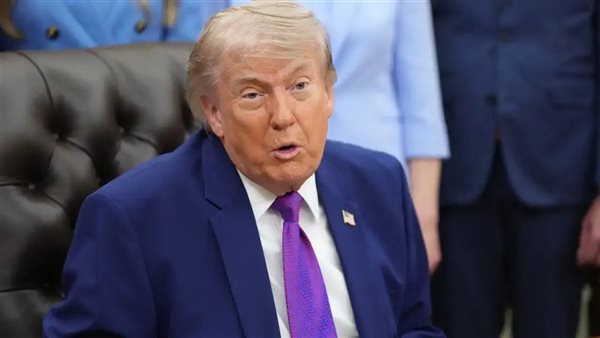
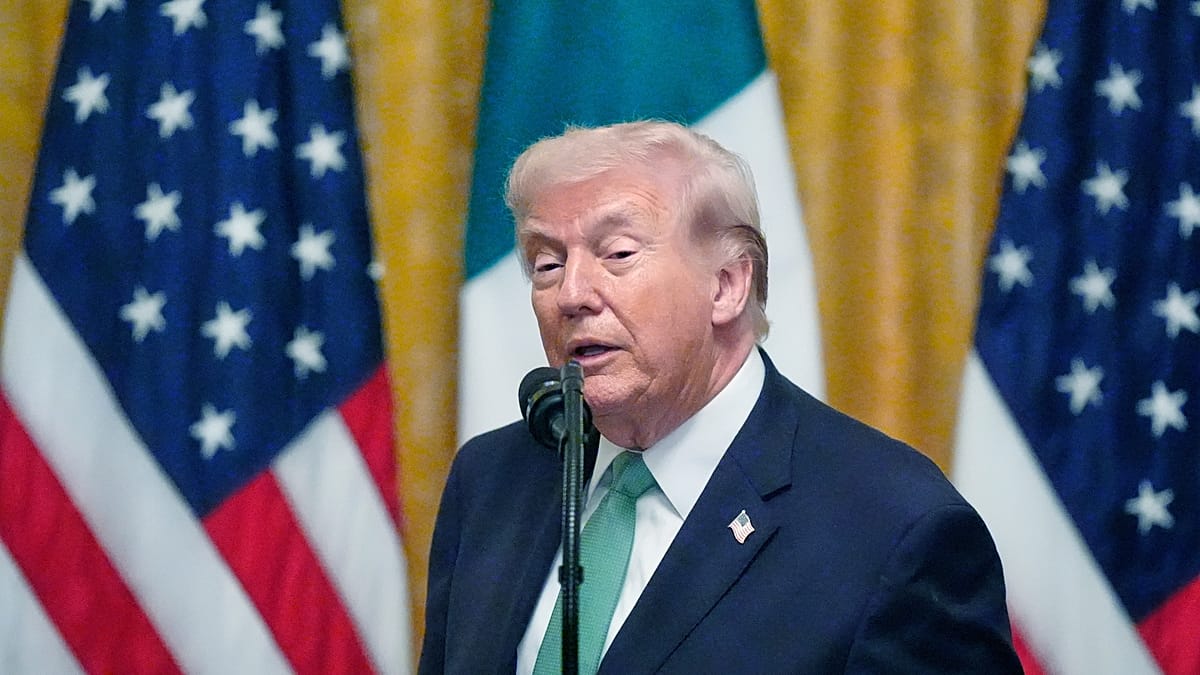
Around the United States a dense information cloud is once again gathering—from Paris to Tel Aviv and Riyadh. The central axis of almost all discussions is the same: the US and Israeli war with Iran, begun on February 28, 2026, and the crisis in the Strait of Hormuz, where the interests of Washington, Tehran, Jerusalem, Riyadh, Beijing and European capitals converge. Against this background Donald Trump, back in the White House and simultaneously running a large campaign for a “hard victory” over Iran, has become the main object of commentary and concern. In France there is debate about strategic short‑sightedness and risks for Europe; in Israel — about the cost of American support and the widening divergence of interests; in Saudi Arabia — about how to use American power while avoiding becoming its hostage.
The first major block of discussion is the US–Iran war itself and its internal logic. The French press and experts particularly focus on the fact that the 2026 war did not arise in a vacuum: it is the culmination of escalation after Israeli–Iranian strikes in 2025 and American bombings of Iran’s nuclear facilities, which Tehran perceived as confirmation of a joint Washington–Jerusalem plan to weaken the regime. In French analytical pieces the war is already described as the “guerre américano‑iranienne de 2026,” with a clear fixation: the US and Israel jointly launched large‑scale strikes against Iran at the end of February, the declared goal of which was “to destroy military capabilities and prevent the creation of nuclear weapons,” but the strategic horizon remains murky — from containment to actual regime change. (fr.wikipedia.org)
The tone in the Arab press is different: here the war is described as an “unprecedented escalation,” where Washington simultaneously declares that “Iran has been militarily crushed” and that the “operation is 70–75% complete,” but is clearly ready to “return and finish what was started.” In interviews with Arab media Trump insists that the US can “destroy the remaining Iranian military infrastructure in two days,” and that the use of B‑2 bombs nine months earlier, he says, already deprived Tehran of the ability to obtain nuclear weapons in the foreseeable future. (cairo24.com) This combination of victory reports and threats of new escalation is often called “promotional” or “propagandistic” by Arab commentators — not coincidentally, one Al Jazeera headline quotes Trump’s comment that transferring Iran’s enriched uranium to the US would have “propaganda” purposes. (aljazeera.net)
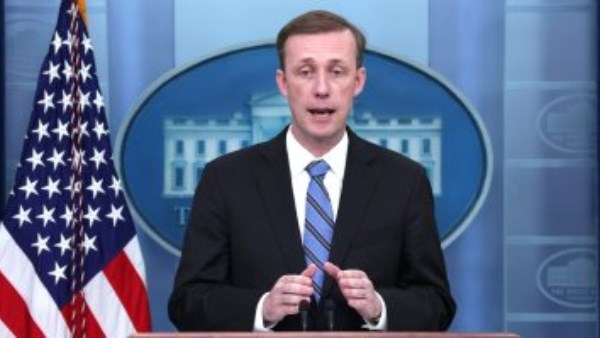
In Israel the war and the role of the US are viewed through the prism of national security and coexistence with Iran “after Trump.” Israeli analysts note that on one hand, American military superiority produced “tactical successes” against Iranian infrastructure, while on the other it did not remove the fundamental threat and even increased Jerusalem’s dependence on Washington’s strategic calculations. Former US national security adviser Jake Sullivan, speaking now as a commentator rather than an official, talks directly about a “strategic dead end” in the American line on Iran and that “the rift between Washington and Tel Aviv is growing.” (elbalad.news) Israeli media and expert reviews echo this: yes, the US provides a military “umbrella” of protection, but its long‑term goals — from a nuclear deal to a potential regime change in Tehran — do not always align with Israel’s vision of permanent deterrence.
The second, closely related layer is the crisis in the Strait of Hormuz and energy. In Europe, and especially in France, Hormuz is regarded as the strategic nerve of the global economy, where any American escalation automatically turns into rising oil prices, inflation expectations and social discontent. French and pan‑European reviews emphasize that a blockade or even partial disruption of shipping through Hormuz has already caused a serious spike in oil prices and a rise in US Treasury yields, because markets factor in higher inflation expectations and a less friendly path for Fed rates. (il.investing.com) Thus the American decision to “punish Iran” while at the same time “protecting freedom of navigation” is perceived in Paris not only as a Middle Eastern story but as a direct threat to Europe’s economic recovery.
From Saudi Arabia the picture looks ambivalent. Official and semi‑official discourse, represented for example in the Saudi newspaper Okaz and the Al‑Hadath channel, stresses that Washington’s measures in Hormuz and against Iran generally correspond to Riyadh’s long‑standing concerns. Trump, in an interview with Fox News widely quoted by Saudi outlets, calls the Iranian leadership “crazy,” warns that it would use nuclear weapons against Israel, the Middle East, Europe and even the US if it obtained them, and insists: Iran must make a deal, otherwise “time is running out.” At the same time he stresses that the US seeks to “open the strait for all countries in the region.” (okaz.com.sa) For a Saudi audience this is presented as confirmation that Washington is finally building a line of tough deterrence and is not repeating the “softness mistakes” of past administrations.
But in the Saudi social media segment, for example on the forum r/SaudiForSaudis, the tone is far more skeptical and anxious. Users discuss Trump’s statements about “the most powerful bombings in Middle Eastern history” on the Iranian island of Kharg and his warning that if Iran seriously blocks oil flow through Hormuz, it will be “hit twenty times harder than so far.” (reddit.com) This is reinforced by a common argument: yes, Saudi Arabia benefits from a weakened Iran, but a total military defeat and ensuing chaos on the other side of the Gulf could be no less dangerous for the kingdom than a strong but restrained Islamic Republic. Comments reflect the idea that Trump underestimates the duration and cost of a “war of attrition,” while regional players, including Riyadh, are preparing for a long struggle rather than the “one‑day quick victory” he periodically claims.
In Israel the Hormuz issue is woven into the broader conversation about the link between the military campaign and the economy and dependence on the US. Israeli financial analysts note that the oil price surge triggered by Trump’s statements that his “patience with Iran is running out” is instantly reflected in US bond yields and global inflation expectations. (il.investing.com) Israeli business media interpret this as follows: Washington can afford aggressive play in the Middle East even if it shakes global markets, while Israel can hardly withstand a combination of a protracted war on multiple fronts and deteriorating financial conditions in the global economy. In Israeli Reddit discussions users say plainly: “If not for the US, we would still be fighting in Gaza with hostages in tunnels… But at the same time we depend on the US for how much we can escalate.” (reddit.com)
The third major theme through which France, Israel and Saudi Arabia reassess the American role is Trump himself and the style of American foreign policy. French reviews, including retellings of Arab and European newspapers, emphasize the internal contradictions of his line: on one hand he threatens total destruction and promises a “historic transformation of Iran,” where the regime will either be “managedly transformed” or “catastrophically collapsed,” and on the other he repeatedly says the US “will not fight for a long time” and seeks to leave Iran as soon as possible, installing “people who can run the country well.” (arabic.euronews.com) For a French audience this resembles a blend of Iraq‑era rhetoric with an “America First” instinct: regime change is declared, but commentators believe Washington lacks a real post‑conflict governance strategy.
In the Israeli debate another layer is added: how reliable is American strategy if it depends heavily on Trump’s personal style and political calculations. Some Israeli experts note that in 2026 the US largely repeats the scenario of “tactical successes without strategic victory,” familiar from the Iraq campaign — a point also made by the Wall Street Journal, whose conclusions are quoted by the Jordanian outlet Jfranews, saying the US achieved significant tactical gains through military superiority but did not reach the long‑term strategic goals of the war with Iran. (jfranews.com.jo) In Israeli public opinion, judging by discussions, an ambiguous attitude is growing: on one hand many still see Trump as “the friendliest president” for his unconditional past support, on the other there is increasing awareness that dependence on the mood of one person in Washington makes Israeli strategy vulnerable.
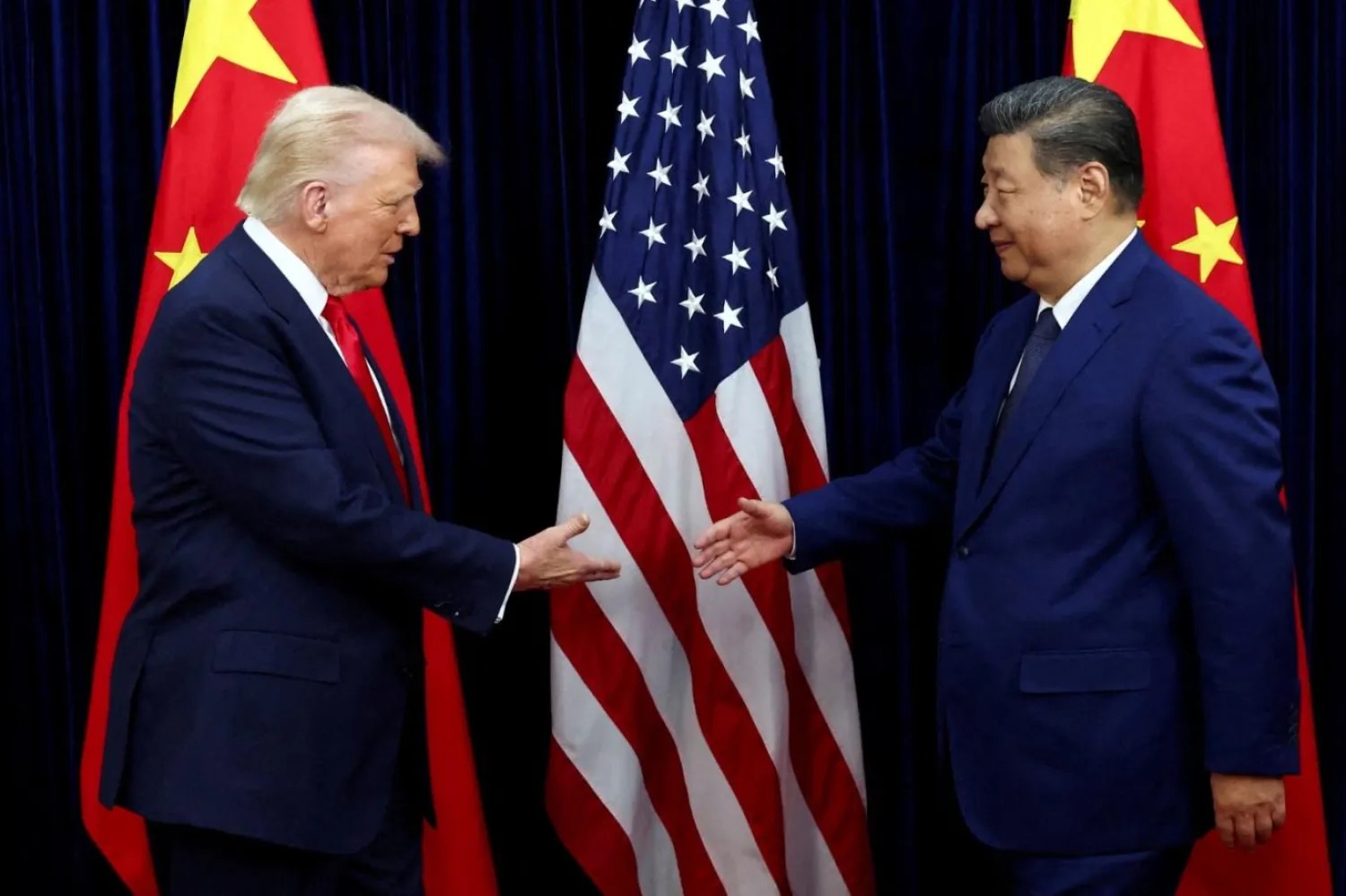
The Saudi perspective on Trump and the US is even more pragmatic and cynical. In Arab analytical articles, for example on the Turkish portal TurkPress, about his visit to China, it is argued that the war with Iran “weakened Trump’s hand at the negotiating table with Beijing, despite all his rhetoric about crushing Iran.” (turkpress.co) This is an important detail for Saudi strategists: if the anti‑Iran campaign simultaneously increases US dependence on the Chinese market and complicates their global rivalry with Beijing, Riyadh’s room to maneuver as a partner of both Washington and Beijing expands. In Saudi online discussions this becomes a concise observation: “America is not only fighting Iran; it is simultaneously overestimating and underestimating both its own power and China’s,” as an Emirati paper put it, arguing that both superpowers “exaggerate their strength while ignoring vulnerabilities.” (emaratalyoum.com)
The fourth important crosscutting dimension is the moral‑political legitimacy of American actions and their consequences for international norms. In France and more broadly in Europe anxiety is growing: the killing of Iran’s supreme leader as a result of a joint US–Israeli operation and the massive strikes on military and civilian infrastructure, described in detail by Western and Middle Eastern outlets, raise the old question of selective application of international law. (fr.wikipedia.org) French columnists note that each new case of unilateral use of force by the United States, even if aimed at a “problematic regime,” undermines the West’s ability to appeal to legal norms in other crises — from Ukraine to Taiwan.
In the Arab press this sounds even harsher. In Egypt’s Al‑Masry Al‑Youm the war is described as the return of the “drums of war” to the Middle East, where Washington under the pretext of “protecting international energy security” is effectively implementing a broader project of forceful control of the region, while the Iranians, for their part, appeal to international law, accusing the US and Israel of “aggression” and thanking the Vatican for what they interpret as a “moral stance.” (almasryalyoum.com) Jordanian and Palestinian commentators go further, claiming the war showed that “the US presence in our region brings harm, not protection,” and that Arab countries should build security on their own geopolitics, energy and financial capabilities rather than on American bases. (jfranews.com.jo)
In Israel the discussion of the legitimacy of American intervention is closely tied to domestic political issues — from policies toward the Palestinians to settler violence. A detailed discussion has unfolded in an Israeli Reddit community about how US pressure over radical settler violence in the West Bank forces the government into unpopular steps, and about how deeply Washington’s intervention permeates Israeli politics. One commenter notes: “In the West they are 100% sure that Israel and Netanyahu control American Middle East policy, not the other way around” — ironically flipping a popular conspiracy narrative. (reddit.com) At the same time, in those same threads it is acknowledged that without American pressure Israel might have gone much further in tightening laws against the Arab population, which for part of Israeli society appears as a problem and for another part as a restraining factor.
Finally, special attention in France, Israel and Saudi Arabia is paid to the question: what comes “after Iran” and “after Trump.” French authors draw parallels with Iraq: then Washington started a war to disarm and change the regime but ended up trapped in a long occupation, rising anti‑American sentiment and weakening of transatlantic unity. Now, they warn, the US risks repeating that scenario, only in a more explosive region and at a time when China has already become a full strategic rival and Europe is much less united. (emaratalyoum.com)
Israeli commentators pose a more down‑to‑earth but no less acute question: if the US truly achieves a “managed transformation” or even the collapse of the current Iranian regime, what will replace it and how will that change the balance of power around Israel? Some recall that in 1979 American support for the Shah and subsequent neglect of Iranian society contributed to the radical turn of the Islamic Revolution. Today, they argue, the risk of repeating the mistake under a different banner is no less: war and sanctions may not only “weaken” the regime, but create conditions for even more unpredictable and anti‑Western forces.
In Saudi and wider Arab debate the emphasis shifts to questions of regional order: will the 2026 war be the last major “American campaign” in the Persian Gulf before a strategic US pivot to Asia, or on the contrary will it cement a long‑term American military presence off Iran’s shores? In a popular discussion on r/SaudiForSaudis a user notes that negotiations with Tehran were “made to be rejected,” and that the US, Iran and Israel are in fact preparing for a long war, with America having assembled in the region “a fleet comparable in scale only to that during the Iraq war.” (reddit.com) For Arab interlocutors this means the real game is no longer only about Iran’s fate but about who and how will control the security architecture in the Gulf for decades to come — the US, China, a regional coalition, or some combination of these.
Thus a peculiar “mosaic” of international perceptions of the US is forming in spring 2026. In France America looks like a superpower once again ready to use force, but increasingly unable to offer a coherent strategic line and a respected system of norms. In Israel it remains an indispensable military and political patron, but also a source of strategic uncertainty and domestic political pressure. In Saudi Arabia the US is seen both as a necessary shield against Iran and as a factor of instability and inflated expectations. The common thread through all these sometimes contradictory voices is one: the world no longer takes American policy for granted — every Washington action, whether a strike on Iran, a maneuver in Hormuz or Trump’s visit to Beijing, is immediately parsed according to local interests, fears and hopes. In this new world the United States must deal not with a “silent background” but with many loud, self‑confident and often critical regional audiences.