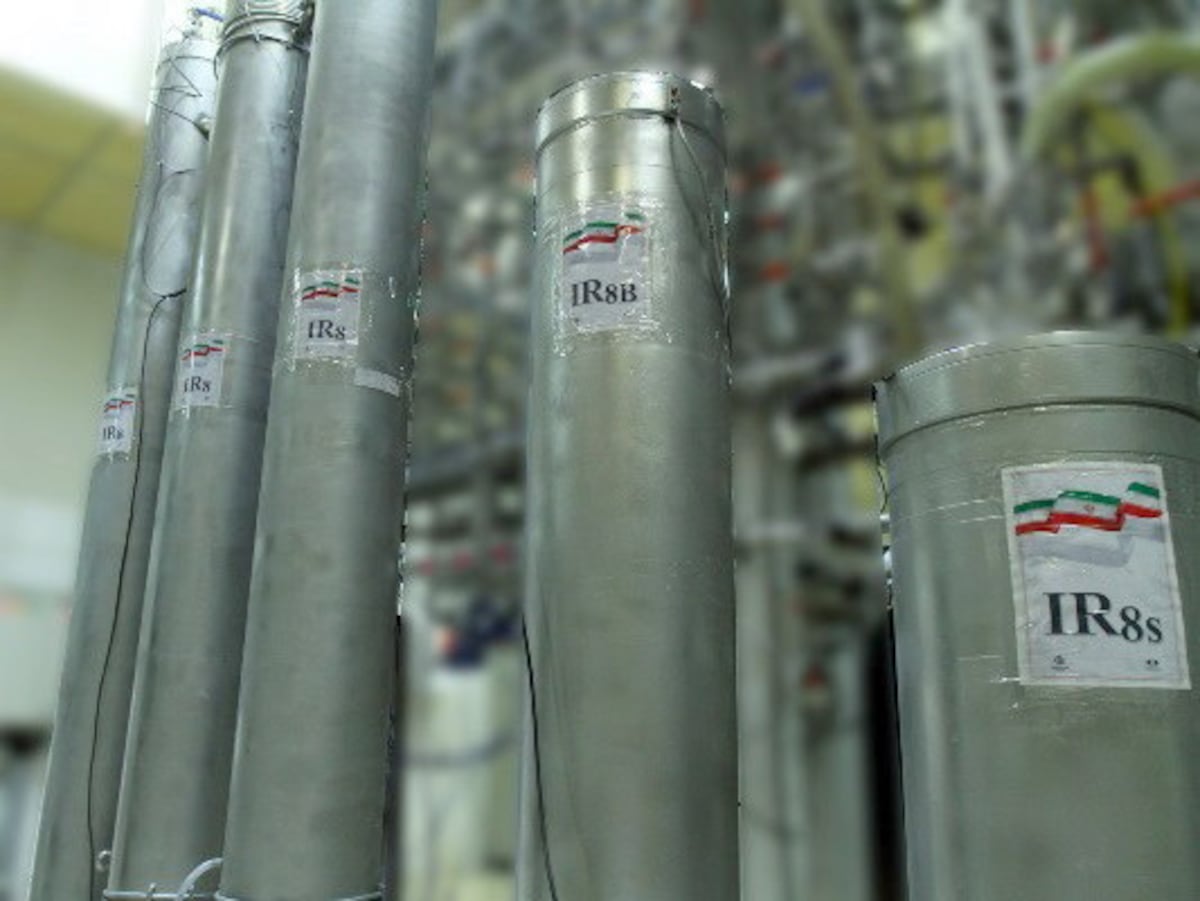
At the end of April 2026, talking about America in the world almost automatically turns into talking about the US and Israel’s war against Iran, the blockade of the Strait of Hormuz, and how Washington’s behavior is reshaping regional alliances, energy markets, and other countries’ domestic politics. Indian analysts calculate what percentage of GDP the oil shock will take; Israeli commentators debate who is actually running the war — Trump or Netanyahu; French observers write about “three countries waging the war and a long list of indirect victims” and openly speak of a “strategic defeat” for the United States. Against this backdrop, attitudes toward America are formed from several intersecting narratives.
The main common theme is the war in Iran itself as a symbol of what American power has become. Since late February, when the United States and Israel delivered massive strikes on Iran and effectively launched the 2026 war, the foreign press has been closely examining how Washington reached this decision and what it is trying to gain. French Le Monde describes how, over 40 days, Trump changed strategy several times, and the war ended only in a “temporary and fragile ceasefire” concluded on April 7–8 under Pakistani mediation. The author emphasizes that the American president acted in the logic of Israeli Prime Minister Benjamin Netanyahu — to destroy Iran’s nuclear infrastructure and missile forces — but faced the enemy’s stubbornness and adaptability. (lemonde.fr)
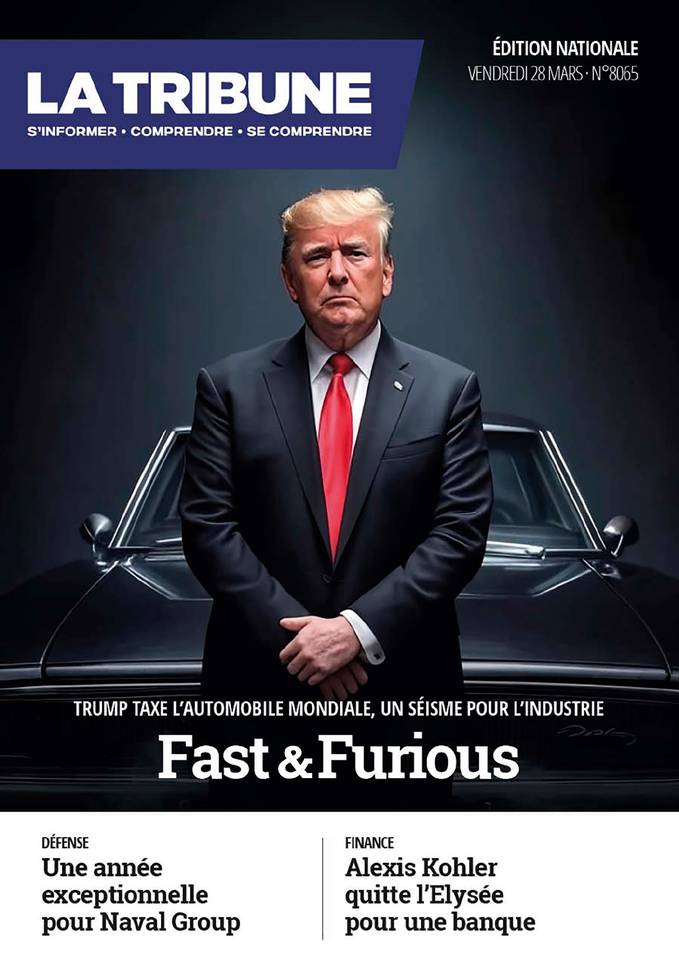
In the French economic paper La Tribune the tone is even harsher: the ceasefire is called a “strategic defeat for Trump,” because Iran secured a partial reopening of Hormuz on its terms, retained its regime and its ability to strike shipping, while the US is stuck with half-agreements and a prolonged crisis with its allies. (kiosque.latribune.fr) The Moroccan magazine TelQuel, addressing a Francophone North African audience, explains that of the ten Iranian demands included in the Pakistani plan, most effectively strengthen Tehran’s position compared with the situation before February 28, and asks: who is really dictating the terms — Washington or Tehran. (telquel.ma)
In India the discussion is much more pragmatic: they debate less the morality of the war than its cost. Analytical pieces in Delhi and Mumbai detail how closing or “partially closing” the Strait of Hormuz in March–early April pushed India’s import crude basket from about $69 to more than $85 per barrel, widened the current account deficit and put pressure on the rupee. A MUFG report on India explicitly states: if the conflict and disruptions in Hormuz drag on, the rupee could fall by 10–15% and the deficit could widen by another 2% of GDP, because 80+% of India’s oil and almost all its gas are received through that corridor. (india-briefing.com) Against this background, American decisions — from the initial strikes on Iran to the unilateral naval blockade announced on April 13 after talks in Islamabad collapsed — are perceived as an external shock in which the country had neither a voice nor a veto. (en.wikipedia.org)
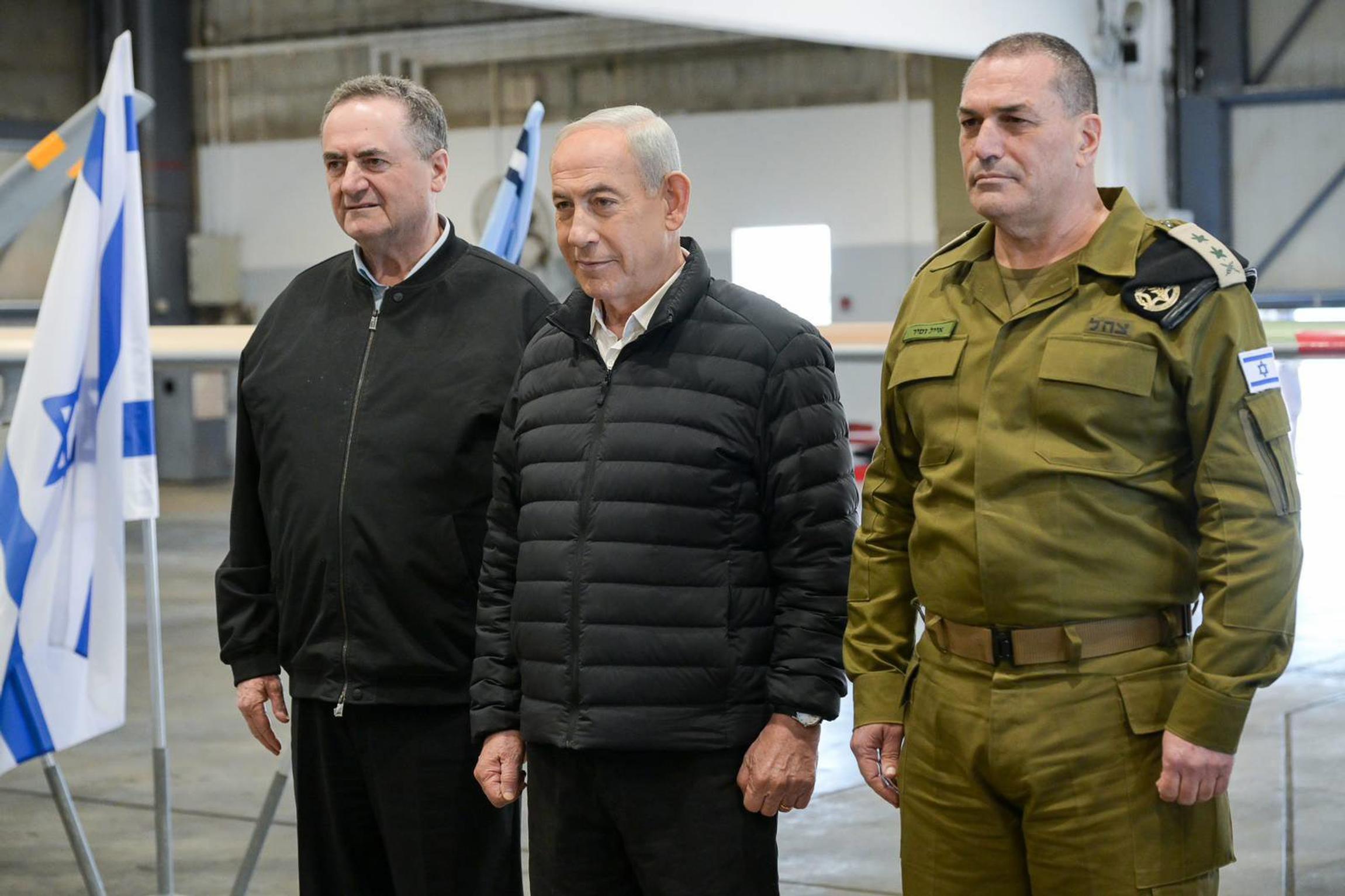
In Israel, America simultaneously looks like a savior, the master of the game, and a source of growing irritation. Israeli and international media commenting for an Israeli audience emphasize that without Trump the 2026 war simply would not have happened: years of Netanyahu’s lobbying, examined in detail in investigations by the New York Times and other outlets, ultimately convinced the White House to strike Iran. Bloomberg, in a long piece, writes about “diverging aims of Washington and Jerusalem”: if the US wants a limited campaign plus deals, the Israeli prime minister — driven by his own criminal cases and a crisis of trust — sees a chance for a long-term weakening of Iran and its allies in Lebanon. (bloomberg.com)
From this grow the second and third major narratives: the economic and energy dimensions of the war, and domestic politics — in the US as well as in observer countries.
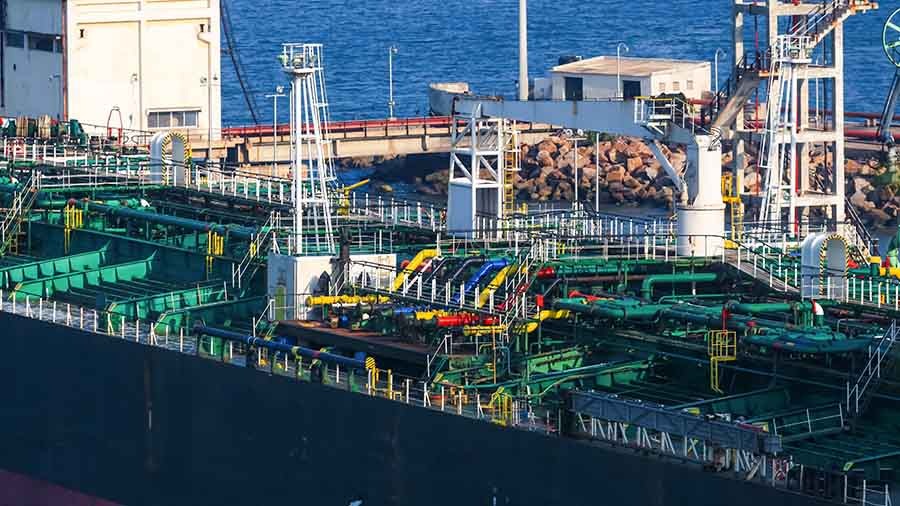
For France, and more broadly for Europe, the US–Iran war combined with the blockade of Hormuz is primarily a new wave of “geopolitical inflation.” In the English edition of Le Monde they write that “the war in Iran is limited to three countries, but the list of collateral victims is growing,” citing the rise in oil, fertilizer and food prices. About one-third of global fertilizer production passes through Hormuz, which is already causing spikes in nitrogen and potash product prices. India, for example, was forced to announce an 11.6% increase in fertilizer subsidies and a $4.5 billion package, while France chose a more indirect route — covering social contributions for the most vulnerable farms and waiting for a pan-European “fertilizer plan” in May. (lemonde.fr) For a French audience this becomes another occasion to discuss Europe’s dependence on the American and Middle Eastern raw-material architecture and how US “dollar” and “energy” power converts into pressure on European economies.
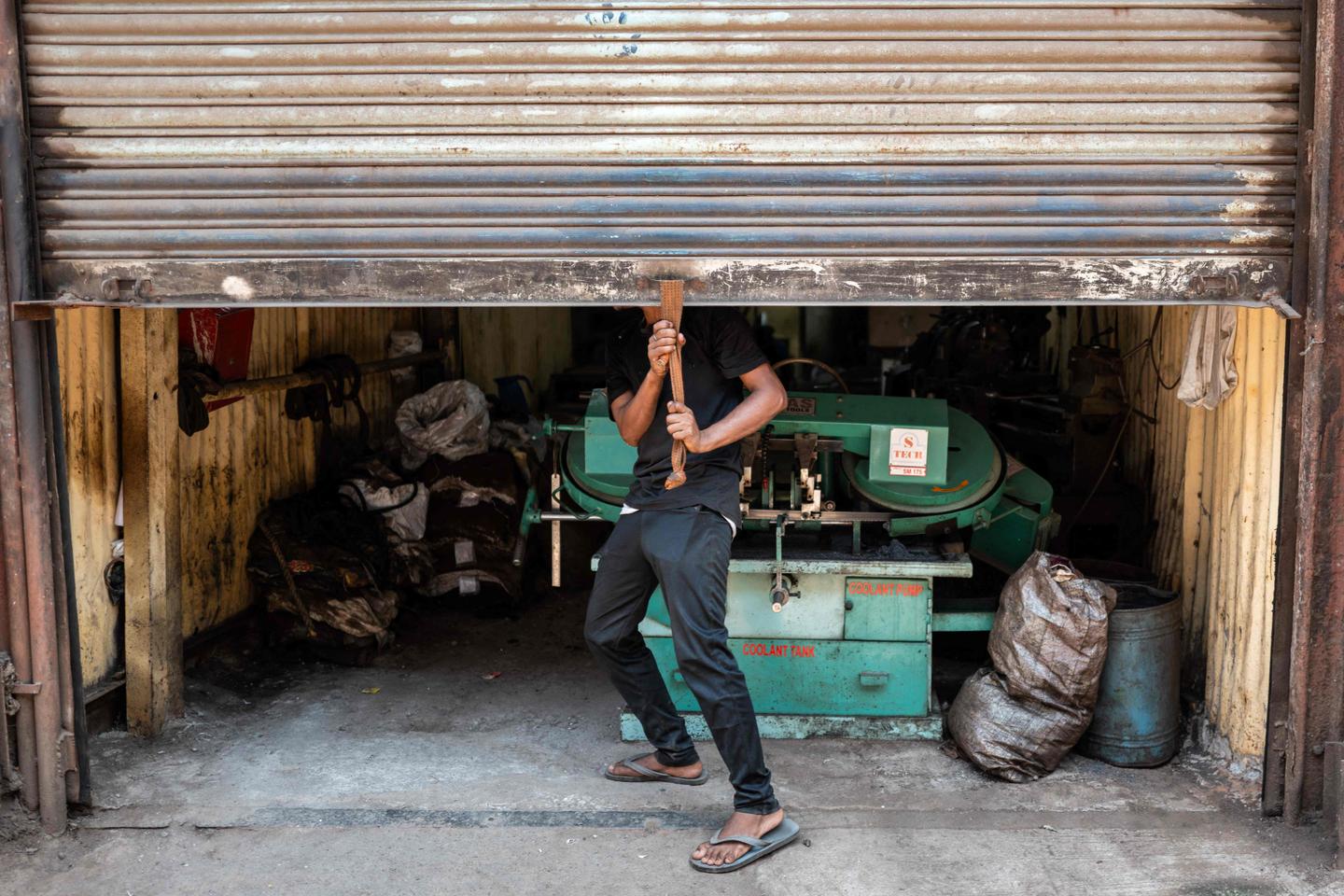
In the Indian discussion the same oil is seen even more tightly linked to the US. Indian economic digests stress that America, on the one hand, remains a key LNG supplier and an important financial partner, and on the other hand, its unilateral blockade and secondary sanctions effectively force India to choose: either limit Iranian oil or risk access to dollar transactions and the US market. Detailed reviews, such as those by Indian and international banks, explain that even a brief 30‑day OFAC general license for Iranian oil, which expired on April 19, was a “narrow window” for India and China that allowed unloading about 140 million barrels of already shipped oil without falling under US sanctions; it was not renewed precisely to strengthen the “financial equivalent of bombing” that US Treasury Secretary Scott Bessent spoke about. (globalsecurity.org) Indian investment blogs put it more bluntly: “for India the war is not important directly, what matters is Hormuz and Washington’s decisions.” (reddit.com)
In France the economic theme is closely intertwined with the political attitude toward America as an increasingly unpredictable ally. Editorial columns say the EU is caught between a rock and a hard place: tied to American energy supplies and NATO security on one side, and paying for the war with higher prices and the need to distribute new subsidies to farmers and households on the other. A Le Monde columnist writes that the war is being waged “on paper” by three countries — the US, Israel and Iran — but it is countries like France, Spain or India that are forced to absorb the shock by investing billions to support agriculture and protect consumers. (lemonde.fr)
The third major narrative is political: in all three countries they discuss how the war, started by Washington, is changing the domestic balance of power. In Israel this is perhaps the most tense topic. Articles in the Washington Post and Al Jazeera emphasize that Washington’s and Jerusalem’s visions of the war diverge: if Trump at one point spoke of a “virtually finished” war and a deal that would close the Iran question by July 4 — the US’s 250th anniversary — Netanyahu and his far-right partners do not hide their desire to “finish the job” in both Iran and Lebanon. Analyst Daniel Levy, commenting for Al Jazeera, says Netanyahu’s attempt to “lead” Washington simultaneously on the Iranian and Lebanese fronts proved excessive, and the outcome of the battle depends not on the Israeli leader but on the US willingness to continue the war. (aljazeera.com)
Inside Israel public opinion is quickly sobering: polls cited by the Washington Post show that after the April 8 ceasefire more Israelis judge the government’s conduct of the war negatively than positively. The authors note that for part of the Israeli right Trump remains a figure “fulfilling Netanyahu’s prayers” — from Jerusalem-related decisions of the past term to the war with Iran — but with caveats: the war has not produced full victory or full security, and the dependence on Washington’s will has become too obvious. (washingtonpost.com)
In France the discussion is more about how the war exposed the limits of American power. Editorials in regional and national press as early as March asked: “Stop or go further?” regarding the war in Iran, noting that Trump found himself squeezed between several constraints: domestic opposition to new ground wars, Israeli demands to “go all the way,” and the risk of extending the conflict into the US midterm elections. (ladepeche.fr) April texts for a French audience show a shift: if criticism of Iran and support for the US–Israel alliance initially dominated, the prevailing thought now is that America can no longer dictate the outcomes of wars as it once did, and Europe is paying for Washington’s illusions about a quick victory.
In India the political conversation is built around the idea that the war “made India small.” Analytical pieces, such as an article in The Atlantic aimed at both Indian and international audiences, point out: Islamabad, not New Delhi, became the venue for US–Iran talks; Pakistani military and diplomats are acting as intermediaries, while the region’s largest democracy has become an observer preoccupied with its own elections and an energy shock. (theatlantic.com) For the Indian establishment this is a painful narrative: a country with global ambitions sees Washington and Tehran deciding the fate of the routes carrying its oil without its presence at the table. Strategic centers like the Vivekananda International Foundation plainly state that Trump’s blockade represents a “crisis” for India, not abstract geopolitics, and that New Delhi must navigate between Washington, Tehran and Moscow to avoid becoming a hostage of someone else’s war. (vifindia.org)
Another recurring motif is “managing Hormuz” as a test of who actually controls the global economy: the US or its adversaries. French, Indian and Middle Eastern commentators agree that the current crisis differs from previous oil shocks: Iran did not merely threaten, it temporarily closed or significantly reduced traffic through Hormuz, and the US, in response, shifted from a “kinetic” war to an economic one, imposing a naval blockade and even boarding tankers in the Indian Ocean. (apnews.com) For Indian analysts the tone is particularly acidic: a popular investment blog bluntly calls the current war “a textbook on how the wills of Washington and Tehran redefine your inflation, even if your country is officially neutral.” (reddit.com)
Finally, a throughline — colored differently in each country — is the nuclear question: what exactly is America trying to achieve with Iran and how the world reads its arguments. Spain’s El País, whose reasoning is widely cited in French- and English-language debates, reminds readers that the 2015 nuclear deal (JCPOA), from which Trump withdrew in 2018, provided for three years the kind of effective constraints and verification on Iran’s nuclear program that neither the current war nor ultimatums have ensured. Tehran, the paper stresses, appeals to the “double standards of the West,” which does not punish the nuclear programs of India, Pakistan and especially Israel, which are outside the NPT framework. (elpais.com) For an Indian audience this argument sounds particularly stark: the country itself is outside the treaty but effectively a nuclear power, and watches the US use real and potential Iranian weapons issues as a pretext for sanctions and a military campaign while not applying the same approaches to Delhi or Jerusalem.
The Israeli debate about the nuclear issue is differently framed: for a significant part of Israel’s expert community the American strikes and blockade are a necessary element of “collective self-defense” against years of Iranian aggression and suspected nuclear intentions. Lawyers and analysts, cited in English-language Wikipedia overviews, argue that the US strike on Iran fits the right of self-defense for both Washington and its ally Israel. But even within these camps there is alarm after April: the war did not force Tehran’s capitulation, Hormuz remains a lever of pressure, and the prospect of regime change in Iran is increasingly unrealistic. (en.wikipedia.org)
Taken together, these perspectives form an unusually complex image of the United States. In the Indian picture Washington is at once a necessary partner and a source of energy and financial risk; a country whose domestic political cycles and alliances with Israel can overnight rewrite calculations about Indian inflation and the rupee. In the French view it is an ally dragging Europe into another conflict on which Europe is economically dependent but over which it has little influence; a superpower demonstrating to all the limits of its military and political will. In the Israeli view it is a complicated patron: a leader who gave Netanyahu what he dreamed of, but who leaves Israel suspended between an unfinished war, international criticism and growing skepticism at home.
The common denominator is that for India, Israel and France the US no longer looks like an unambiguous guarantor of order. America still sets the rules — whether by aircraft carriers in Hormuz or by the dollar in oil payments — but in local debates the thought grows louder: living by relying solely on Washington’s will has become too expensive a pastime.





![US President Donald Trump and Israeli Prime Minister Benjamin Netanyahu meet at Mar‑a‑Lago, Trump's resort, in Palm Beach, Florida, on December 29, 2025 [Jonathan Ernst/Reuters]](https://www.aljazeera.com/wp-content/uploads/2026/03/2025-12-29T223347Z_1840689475_RC2KQIAV30GG_RTRMADP_3_ISRAEL-PALESTINIANS-TRUMP-NETANYAHU-1772474025.jpg?resize=770%2C513&quality=80)