Three very different societies — Ukraine, South Africa and Australia — at the end of April 2026 are simultaneously looking at the United States with anxiety and irritation, but for different reasons. For Ukraine it is a question of survival and whether Washington has "abandoned" its war. For South Africa — a struggle for foreign-policy independence and economic security amid deteriorating relations with Washington. For Australia — fear of being drawn into a war started by its main ally, and doubts about how much to trust American security guarantees after U.S. and Israeli intervention in Iran and simultaneous pressure on China. All this adds up to a picture of a world where America remains a center of gravity, but increasingly less a source of certainty.
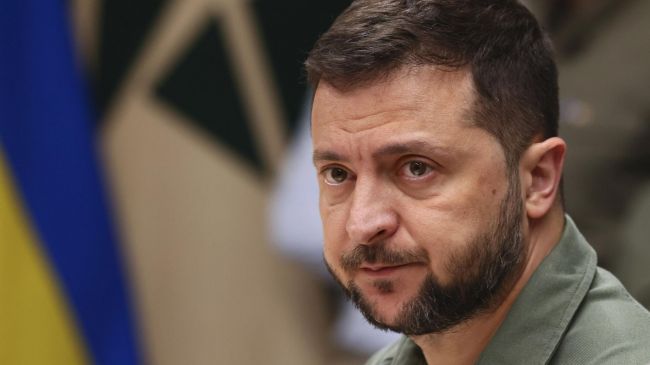
One of the main points of tension is Russia’s war against Ukraine and the growing feeling that U.S. interest in that conflict is waning. In Ukrainian and surrounding information spaces there is active discussion not only about cuts in American military aid but also about political pressure from Washington on Kyiv regarding peace. Lenta.ru recounts words of Volodymyr Zelensky, who in an interview with Politico speaks directly about U.S. pressure to end the war: he admits that “the Americans really want to end this war,” but indicates that the terms Washington would like to see do not match Kyiv’s expectations. (lenta.ru) Russian commentators are building a narrative that Ukraine is “ignoring the U.S. position” in negotiations with Russia, and that Europeans supposedly obstruct not only Moscow‑Kyiv dialogue but also Washington’s attempts to influence a settlement, as described, for example, in a business commentary by Alexander Shokhin cited in an InvestFuture piece. (investfuture.ru)
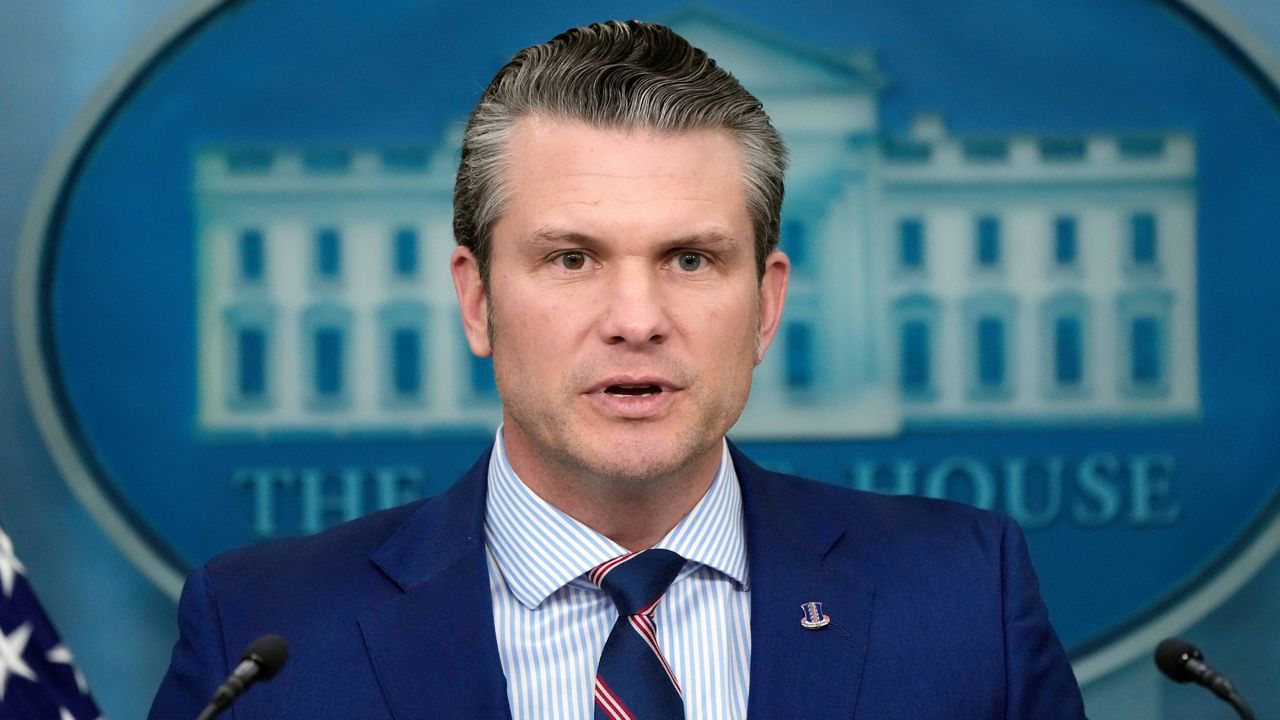
Inside Ukraine the picture is more complicated. Ukrainian media are actively discussing the U.S. decision to cut the budget for arms purchases for Kyiv in 2026: Defense Secretary Pete Hegseth publicly announced the planned reduction, which in Ukrainian discourse is read as a signal of Washington’s fatigue with the war and a forced search for compromise. (24tv.ua) At the same time Kyiv is trying to show that the alliance with the U.S. can be more than a “donor‑recipient” relationship. In a recent interview relayed by the EADaily agency, Zelensky says that the alliance between Ukraine and the U.S. “will be the strongest in the world,” emphasizing Ukrainian leadership in drone warfare technology and comparing it to U.S. military power. He sharply criticizes U.S. Vice President J.D. Vance for taking pride in the decision to stop military aid to Ukraine, accusing Washington of “helping Russia” and showing a weakness that Moscow does not respect. (eadaily.com) This rhetoric mixes despair with an appeal to the American idea of leadership: Ukraine offers the U.S. a technological partnership in drones, implying that Washington risks falling behind.
Public opinion within Ukraine reacts to the American factor in its own way. A survey by the Kyiv International Institute of Sociology, cited by RBC‑Ukraine, shows that people’s willingness to accept a withdrawal of troops from parts of Donetsk Oblast in exchange for security guarantees from the U.S. and Europe has remained roughly the same since the start of 2026, but falls sharply if it is specified that these guarantees will not include stationing U.S. troops, a no‑fly zone, or free weapons supplies. (rbc.ua) In other words, for Ukrainians American promises without real military presence and resources no longer seem reliable: a U.S. signature on an agreement is no longer perceived as an absolute shield in itself.
Against this backdrop Western and Russian analysts debate what will remain of American strategy on the Ukrainian front. The British Economist, as recounted by Rossiyskaya Gazeta, states that Kyiv’s ambitions to join NATO in the foreseeable future are “dead,” and that even in a possible peace agreement membership is not on the table. (rg.ru) American military analyst Daniel Davis, in an interview cited by a number of Russian media outlets, openly doubts Ukraine’s ability to defeat Russia and points to the “ineffectiveness of sanctions,” predicting that Kyiv will not receive the volume of resources it expects from the U.S. (news.rambler.ru) For the Ukrainian audience, this mixture of signals — funding cuts, doubts from Western experts, grim forecasts of a “Russian victory in 2026” in REGNUM reviews that link the war’s outcome to the prospect of U.S. support stopping, (regnum.ru) — creates a sense that the country’s fate is still being decided across the ocean, but trust in the durability of American will has been shaken.
A very different, but no less acute, debate is taking place in South Africa. There the U.S. is perceived not as a “patron” but as an external power trying to dictate the rules. A number of South African analysts in outlets like Politicsweb describe 2026 as a moment when the country is forced to navigate between dominant powers, chiefly the U.S. and China, and ask whether Washington and Pretoria can “find each other” amid growing mutual irritation. One review predicts that U.S.–South Africa relations are unlikely to improve in 2026, blaming the ruling party for a “catastrophic” foreign-policy course and a lack of serious opposition criticism. (politicsweb.co.za)
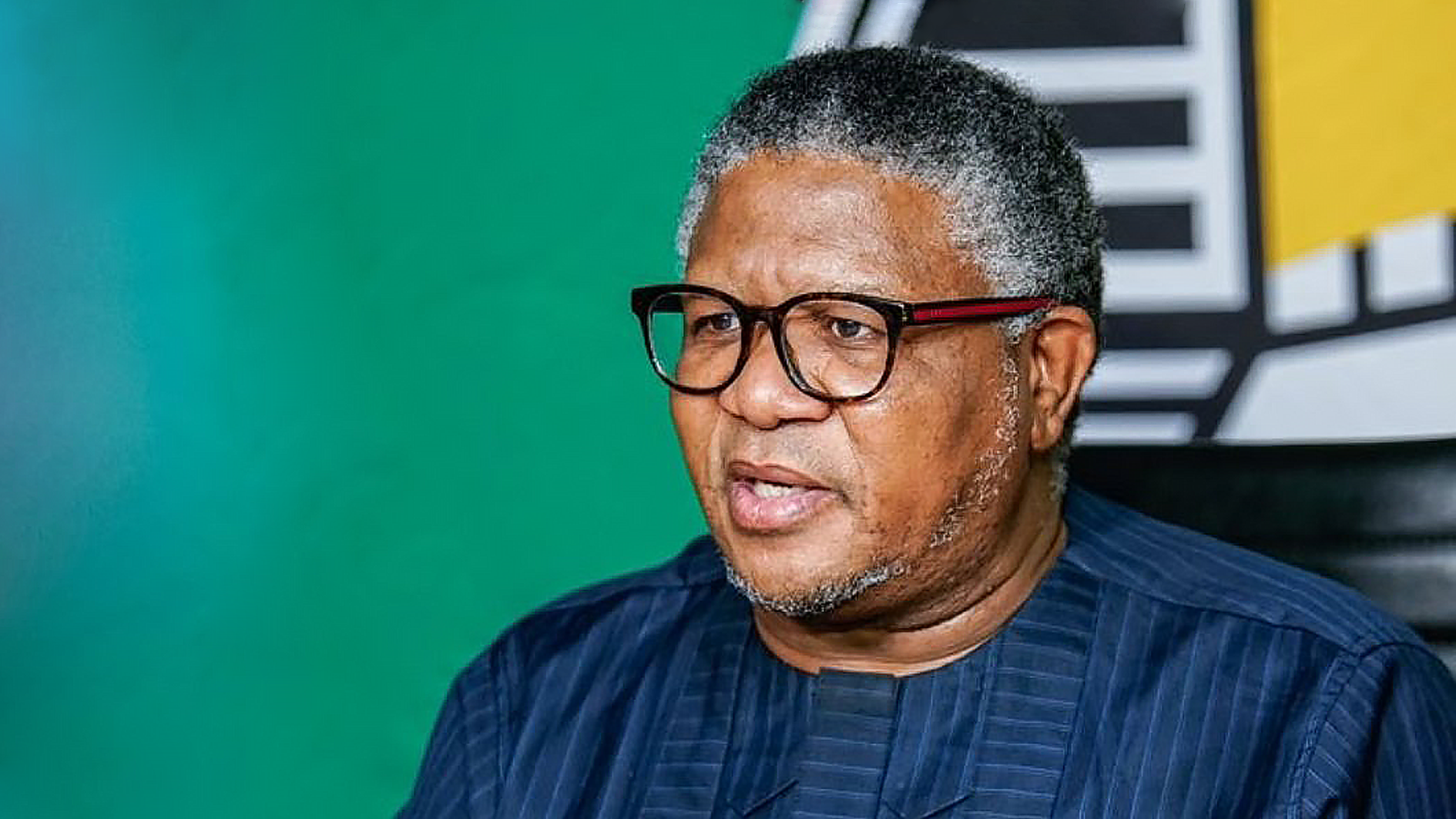
South Africa’s political elite, in response, emphasize sovereignty and the country’s right not to submit to American demands. Fikile Mbalula, general secretary of the ruling African National Congress, stated in March 2026 that South Africa’s foreign policy “cannot be dictated by any external power,” and hinted that the message was addressed in part to the new U.S. ambassador. The Nigerian newspaper The Guardian wittily reported this, stressing that the ANC views Washington’s attempts to criticize Pretoria’s positions on conflicts in Ukraine and the Middle East as direct interference. (guardian.ng) Moreover, the South African side publicly accused the U.S. of pressuring France to rescind an invitation to President Cyril Ramaphosa to the G7 summit, threatening to boycott the summit if South Africa were excluded. These statements surfaced in European and South African online debates, where users discussed how far the U.S. is willing to go to “punish” Pretoria for noncompliance. (reddit.com)
South African commentary also notes how the new Washington administration is simultaneously punishing and rewarding the country. A number of international analysts, including in the CSIS report “Repairing South Africa’s Fractured Relationship with the United States,” recall that in the thirty years after apartheid Washington–Pretoria relations were built on moral support for the democratic transition, but later began to unravel due to differences over Ukraine, Israel and China’s role in Africa. (csis.org) Against this background the arrival in Washington of South Africa’s new ambassador, Rolph Meyer, a veteran of negotiations from the transition era, is interpreted by some commentators as an attempt at a “complex but deliberate” turn toward dialogue, though they warn that grievances and distrust have accumulated too deeply. International analysis outlet MapoDev links Meyer’s appointment to a struggle for access to American investment and critical technologies. (mapodev.com)
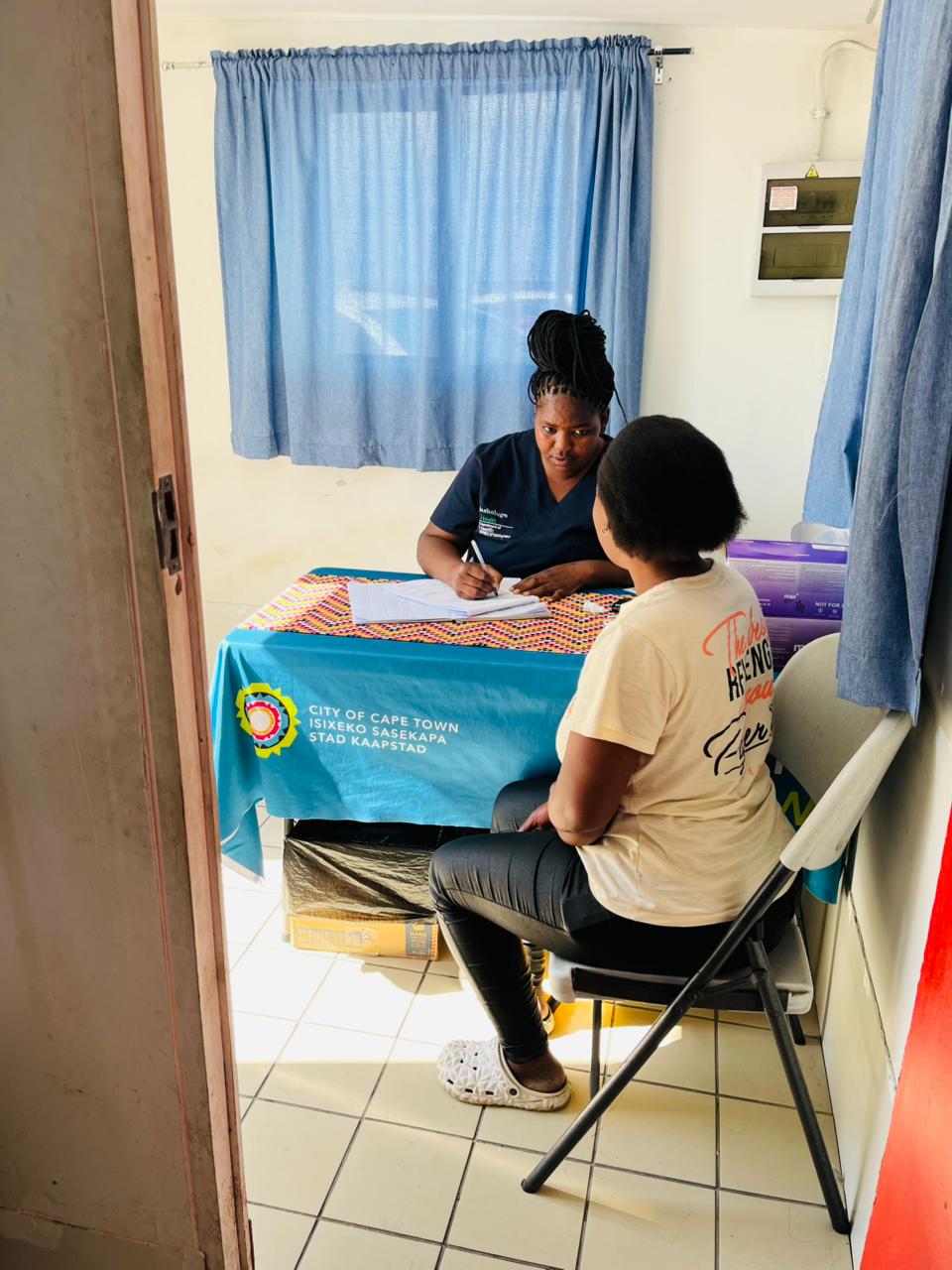
The ordinary South African reader sees yet another side of the American pivot — the humanitarian. Reports on cuts to global health funding programs, primarily PEPFAR, underscore the threat to the fight against HIV in South Africa. Analysts at Physicians for Human Rights write bluntly that the winding down of U.S. HIV prevention programs erases decades of investment and could trigger a new crisis in a country with one of the world’s highest infection rates. (phr.org) At the same time liberal American outlets note that official U.S. refugee intake for fiscal 2026 is effectively frozen, and the few refugees admitted are mostly Afrikaners from South Africa — a fact that South African online communities discuss as evidence of special treatment by Washington toward the white minority. (reddit.com)
The Australian debate is marked by the U.S.–Israel war with Iran and deeper military integration with Washington. Canberra’s official line emphasizes alliance: Australia has joined U.S. and Israeli actions against Iran, and Australian personnel aboard American submarines are explained as part of the AUKUS partnership, under which the U.S. is to provide Australia with nuclear submarines. (ru.wikipedia.org) Simultaneously, the Department of Defence released the 2026 National Defence Strategy, proclaiming a course of “deterrence by denial” and a sharp increase in defence spending to 3% of GDP, emphasizing the importance of long‑range strike systems and missile defence — all clear references to American doctrine and joint projects under AUKUS and ANZUS. (en.wikipedia.org)
But another voice in Australia expresses anxiety about the country’s “militarization” in the interests of the U.S. Left‑wing and progressive outlets like Solidarity criticize the government for “integrating Australia into the American war machine” without broad public debate on the risks, including the possibility of being dragged into a war against Iran or China. (solidarity.net.au) In popular forum and social‑media discussions people ask: “Can we avoid being simply pulled into an American war?” One characteristic Reddit thread in the Australian segment boils down to the view that the current U.S. administration has proven itself an “unreliable ally,” for whom “America First” comes first, and that neither AUKUS nor ANZUS strictly guarantees automatic assistance to Australia in the event of a real threat, while Canberra is expected to show near‑unconditional loyalty. (reddit.com)
Australian commentators often draw parallels with the past: participation in U.S. wars in Iraq and Afghanistan, explained by ANZUS obligations after 9/11, is now reinterpreted as an experience of “imperial vassalage,” first with Britain, then with the U.S. In a popular discussion one commenter is quoted as saying Australia has become a “U.S. imperial hanger‑on,” and that any attempt at real strategic autonomy runs up against either the need to sharply build up its own military capabilities or the risk of being left alone against China in the region. (reddit.com) This is, in essence, a diagnosis of dependence: the U.S. is simultaneously seen as a necessary shield and as a source of the threat of being drawn into others’ conflicts.
Curiously, on all three theaters — Ukrainian, South African and Australian — U.S. policy on Iran has become a kind of catalyst for doubts. The U.S.–Israel war with Iran, according to international commentators, not only heightened Middle Eastern risks but also hit the world economy: the closure of the Strait of Hormuz caused oil prices to spike above $100 per barrel and triggered a fuel crisis in South Africa on the eve of the Easter holidays, which local analytical blogs directly link to U.S. actions. (blogs.shu.edu) In Australia the same conflict has been used by proponents of strengthening the armed forces as an argument: if the U.S. drags the continent into confrontation with Iran or China, they say, it is better to meet that threat “well armed.” In Ukraine the war in Iran is cited in debates as an example of how Washington’s attention can quickly shift from one conflict to another, leaving a former priority ally with reduced support.
If one tries to identify common themes across these seemingly dissimilar contexts, several lines emerge. First, the theme of U.S. reliability as an ally or partner. Ukrainians and allied Western analysts debate whether the U.S. is tired of the war and preparing Kyiv for a “painful peace”; South African elites and experts speak frankly of a “broken” partnership and an unwillingness to accept American lectures on democracy and human rights; Australian society increasingly asks how far Washington is willing to risk for the security of a distant ally when isolationist refrains dominate at home. Second, the theme of sovereignty: Ukrainians, South Africans and Australians do not want to be mere objects of American policy. Kyiv argues with Washington about acceptable terms of peace; Pretoria insists that only South Africans determine its foreign policy; in Canberra a movement for “strategic autonomy” is growing even within an alliance with the U.S.
Finally, a third shared theme is the double perception of American power. For Ukraine it remains a key resource for survival: even while criticizing cuts to aid, Kyiv continues to base its strategy around Washington, offering the U.S. a technological partnership and a political alliance of “the strongest.” For South Africa the U.S. is both the most important economic and technological partner and a political adversary that, in Pretoria’s view, still regards Africa as an object of management. For Australia American power is both a guarantee against regional threats and a factor that makes the country vulnerable to being pulled into other people’s wars.
What is seldom visible from within the United States becomes apparent when looking at these three countries together: the image of America as “leader of the free world” has long been cracking, but no new consensus has yet replaced it. In Kyiv, Pretoria and Canberra people simultaneously hope for the U.S. and fear it, debating how far to go in alliance with Washington and what to do if tomorrow America, weary of its own wars and crises, once again turns its back on the world. These questions today set the tone of discussions about the U.S. from the Black Sea coast to South African ports and Australia’s Pacific shore.