When the United States and Israel launched massive strikes on Iran in late February 2026, and Washington then moved to a naval blockade of its ports and the Strait of Hormuz, allied responses were far from uniform. Within weeks it became clear that the new US war in the Middle East was not only another episode of American use of force, but also a serious test of trust in Washington, perceptions of security and economic resilience in countries accustomed to seeing themselves as American partners. This is especially evident in Saudi Arabia, South Korea and Australia — three states for which the US is simultaneously a security guarantor and a growing source of anxiety.
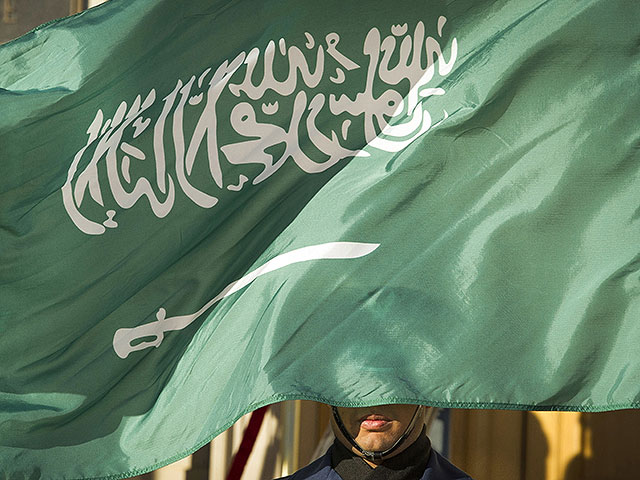
The Saudi–American alliance is operating in a dual mode. On one hand, the US and Israeli campaign against Iran has once again underlined how much the kingdom depends on the American military umbrella and intelligence. Saudi air defenses have already intercepted missiles headed toward the international airport near Riyadh, where US forces are stationed, and Riyadh was forced to publicly explain that American bases are used “only for defensive purposes.” That is an important nuance: the kingdom seeks to show both its population and Iran that it is not becoming a springboard for offensive operations, but is merely defending its territory and infrastructure. In March comments, the Saudi Foreign Ministry emphasized the kingdom’s right to prevent aggression and defend sovereignty, while also offering a clear hint to Tehran: “it will lose the most” in the event of further escalation, whereas the Gulf states need to preserve trade flows and internal stability. (newsru.co.il)
The economic angle in Saudi media discussions about the US is no less important than the military one. In an Okaz newspaper piece about investigations into dubious deals worth billions on the American oil and stock markets, several threads run together: record growth in US oil and petroleum exports caused by disruptions to Middle Eastern supplies due to the war; a sharp rise in prices; and concern about how this will affect Gulf states’ budgets. The author directly links increased demand for American oil to the US–Israeli campaign against Iran and states that the market is forced to seek alternatives to volumes that previously passed through Hormuz. (okaz.com.sa) Implicitly, this is a signal: by launching the war, Washington is simultaneously expanding its export positions, while the Gulf monarchies are forced to balance rising prices against the risk of destabilization.
The longer the conflict continues, the stronger the sense of fatigue with being a hostage to others’ strategies becomes in the Saudi press and expert columns. Regional discussions feature a familiar theme: the US presents itself as a guarantor of freedom of navigation and “international order,” but it is US actions, together with Israel’s, that led to missile strikes on US bases in Qatar, Kuwait, Bahrain and the UAE and to subsequent Iranian threats to disrupt trade through Hormuz. (ru.wikipedia.org) Hence Riyadh’s attempt to simultaneously demonstrate loyalty to Washington and build autonomy: from raising oil prices for Asian buyers to strengthening military planning in case the American umbrella proves less reliable than advertised. Saudi discourse on the US in 2026 is not a conversation about switching sides, but a painful search for a formula under which the kingdom remains an ally without automatically becoming a co-participant in every American adventure against Iran.
In South Korea, the US war with Iran thousands of kilometers from the Korean Peninsula is perceived not as a remote episode, but as a stress test of a fundamental question: how “ironclad” is the American umbrella in Asia if the Pentagon must divert limited resources to a new front. Arguably the most nervous and substantive debate about the US is happening here. The new 2026 US National Defense Strategy states that South Korea “is capable of taking primary responsibility for deterring North Korea with critically important but more limited US support.” For American strategists, this is the language of “fairer burden-sharing” and freeing resources to compete with China, but for South Korean analysts the wording sounds like a warning: Washington is preparing a qualitative shift in the ally’s role — from a direct shield to a more distant insurance. (thebulletin.org)
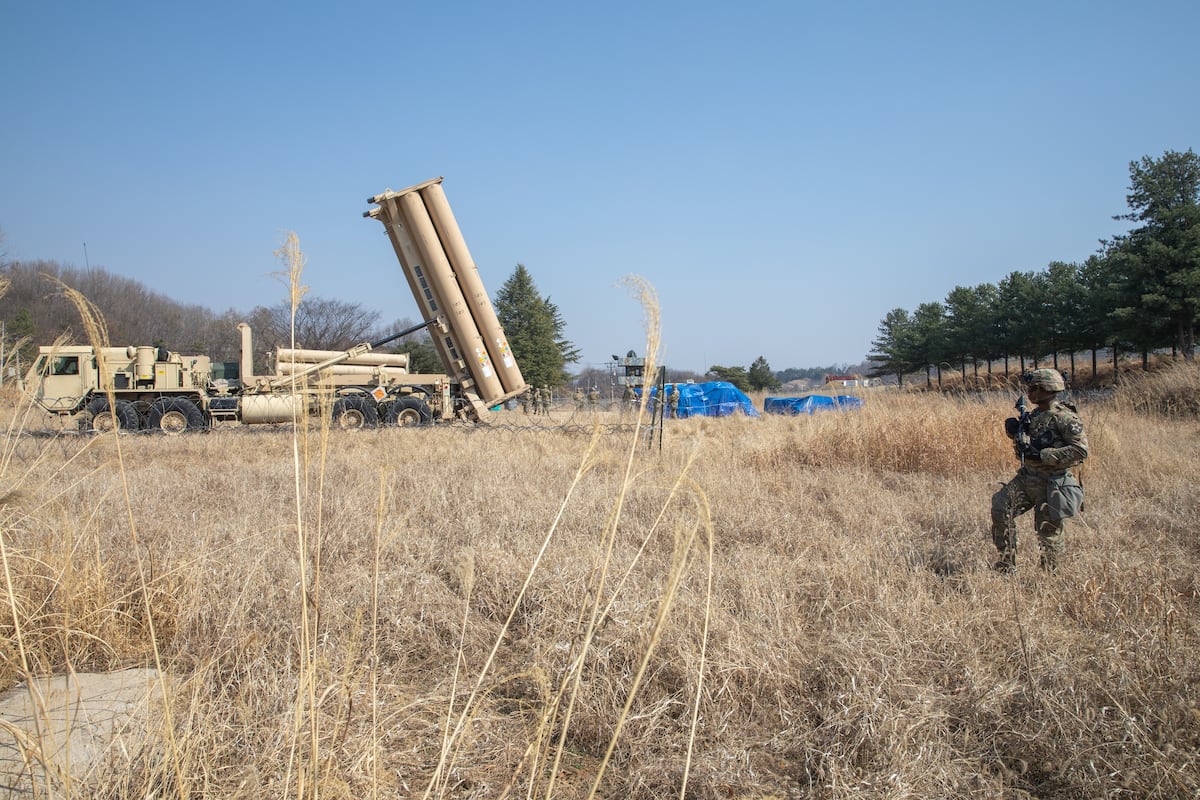
The war with Iran instantly turned these abstract formulas into concrete risks. South Korean media and think tanks are discussing reports that the US is considering or already transferring elements of THAAD missile defense and Patriot batteries from Korean territory to the Middle East, as well as possible rotations of other high-tech systems. (defensenews.com) At joint command briefings, US and ROK generals try to reassure reporters, saying the war with Iran will not affect the Freedom Shield exercises and key elements of the peninsula’s defenses. One American commander emphasizes that the alliance must be “strengthened here and now and not allow itself to be drawn into something else,” explicitly stating that operational planning in Asia should not be turned into bargaining material for Washington’s “global flexibility.” (stripes.com)
Nevertheless, another emphasis is growing in the Korean analytical community — from the Asan Institute to the International Council on Korean Studies: the war with Iran has become an “economic and strategic shock” for Seoul. Foreign and Korean reports note rising energy prices, blows to shipping companies including major Korean tanker operators, and a general inflationary wave. (realty.chosun.com) In a LinkedIn column for the International Council on Korean Studies, the war is described as a factor that “forced Seoul to expand its crisis package from shipping diplomacy to broader economic mitigation measures” and at the same time “crystallized sharper concerns in Korean commentary about the quality of American strategic decision-making,” even while maintaining the alliance as a “central pillar of survival.” (linkedin.com)
South Korea’s public debate is particularly interesting for its double meaning. On one side, polls and analysis emphasize that the majority of the population still views the alliance with the US as vital, and skepticism toward Washington does not automatically turn into pro-Russian or pro-Chinese sentiment. On the other hand, expert articles and columns increasingly raise “red lines”: if American strategy is interpreted as a gradual withdrawal of the “umbrella” from Asia in favor of confronting Iran and other fronts, domestic discussion about independent nuclear capabilities, deeper regional cooperation without the US, and a reassessment of the role of American troops on the peninsula will gain legitimacy. Pieces in Modern Diplomacy and analytical reports remind readers that the experience of 2026 should push Seoul to invest in multi-tiered air defenses, strategic fuel and food reserves, and infrastructure “for a Hormuz scenario in the Indo-Pacific region,” should American resources be drawn elsewhere. (moderndiplomacy.eu)
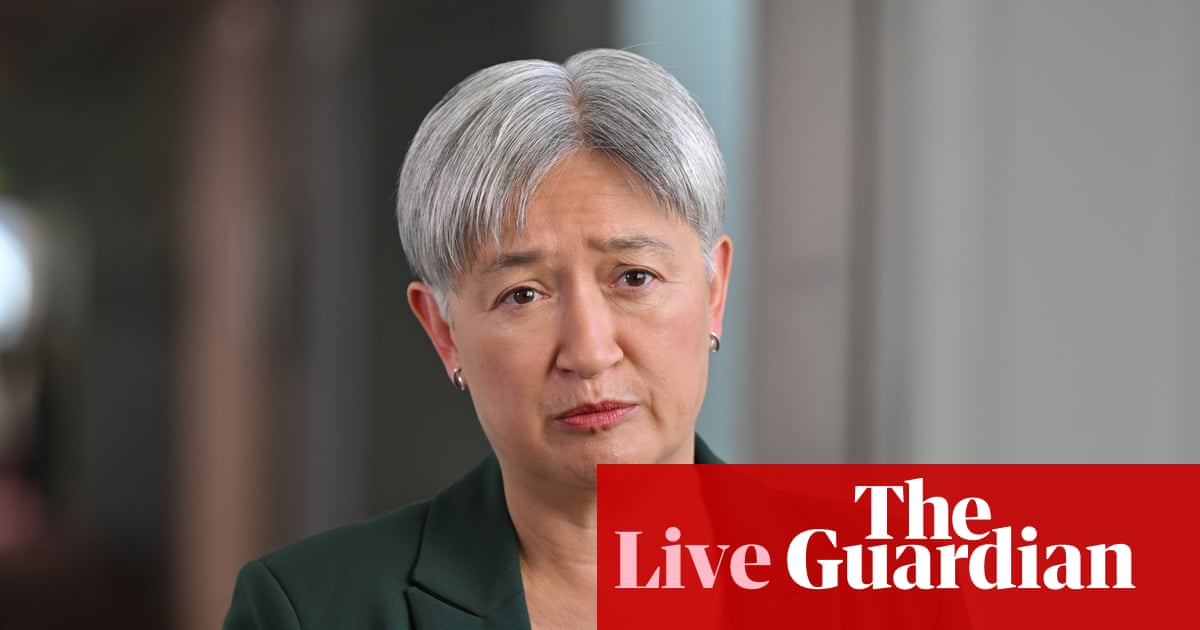
Australia’s debate about the US today is among the most emotional and politicized. From the start of the war in Iran, Canberra has sought to emphasize that “Australia is not a party to the conflict,” as former chief of the defence force Admiral Chris Barrie reminded in a column for Guardian Australia, where he sharply criticized the US and Israel’s decision to launch a “large-scale war against a sovereign state during active diplomatic negotiations and without consulting major allies.” (theguardian.com) Yet geography and alliance obligations do not allow Australia to remain a detached observer.
The economic hit is acute: the US-declared naval blockade of Iran and the effective stoppage of traffic through the Strait of Hormuz triggered a spike in global fuel prices. The Australian government was forced to subsidize purchases of expensive fuel for two companies and cut petrol taxes to soften the blow to households, according to local media and international agencies. (apnews.com) Treasurer Jim Chalmers described the situation as a “dangerous moment” and warned that even a rapid ceasefire would not erase long-term economic consequences — a phrase that became a leitmotif of many analyses about Australia’s dependence on vulnerable sea lanes. (theguardian.com)
At the strategic level, Australia, like South Korea, suddenly sees American actions as both a guarantor and a source of risk. Defence Minister Richard Marles, presenting an updated defence strategy and announcing plans to raise defence spending to 3% of GDP by 2033, directly linked this to the claim that “Australia’s security circumstances have become the most complex and threatening since World War II” and that the war in Iran “has greatly complicated the global strategic landscape.” Marles’s evasive answer to how much more dangerous the situation had become after US and Israeli strikes on Iran was telling: “I don’t think anyone can honestly answer that question.” (ksat.com) In this uncertainty many Australian commentators saw an admission: the alliance with the US simultaneously increases the threats that draw the country in.
How exactly Australia becomes entangled in American wars has become a fierce political battleground. Left‑of‑center The Saturday Paper and analysis from groups like the Australia Institute directly link AUKUS to the risk of “dragging Australia into a US and Israeli war with Iran” and, prospectively, into conflict with China. In an Australia Institute report, AUKUS is described as a mechanism that ties Australia to the American military machine and deprives it of real choice in the event of escalation around Taiwan or in the Persian Gulf. (australiainstitute.org.au) Party political and public debate feature stronger formulations: socialist and anti-war groups write that AUKUS “makes Australia a military appendage of the US” and “binds it to an unpredictable leader,” while users on popular forums and Reddit discuss whether Pine Gap — the Australian satellite intelligence center heavily used by the US — will become a target precisely because it is involved in operations against Iran. (wsws.org)
At the same time, the government’s official line remains traditionally pro-American. Ministers stress support for the US-declared “mission to prevent Iran from acquiring nuclear weapons” and speak of the need to protect international law and freedom of navigation, while insisting Australia will make an independent decision if Washington requests military support in the Persian Gulf. Prime Minister Anthony Albanese emphasizes that the US declared the Hormuz blockade “unilaterally,” and reiterates that Australia stands for the strait being open to all ships. (apnews.com) In this balancing act — supporting an ally without automatically joining its war — a broader trend is visible: Canberra wants to retain the dividends of the alliance, but is increasingly unwilling to share responsibility for decisions it deems strategically short-sighted.
Despite differences in political systems and regional threats, the reactions of Saudi Arabia, South Korea and Australia to the current US war with Iran are strikingly consonant on key themes. The first is the sense that Washington is increasingly making momentous decisions without serious consultations with allies. Australian critics emphasize that strikes on Iran were launched “without consulting major allies” and in the midst of ongoing negotiations, undermining diplomatic efforts, including by countries that invested political capital in finding a compromise. (theguardian.com) Saudi and Korean commentators point to a similar problem more gently: allies are forced to “manage the consequences” of American decisions — whether Iranian missile strikes on US bases in the Gulf or soaring energy prices that hit fuel imports into Seoul and Canberra.
The second common theme is concern about the redistribution of US military resources. For Seoul, the question of redeploying missile defense systems and elements of missile shields is existential: any “temporary” relocation is viewed through the prism of the North Korean threat and painfully reminds them that in Washington’s eyes Iran, China and global defense may be more important at a critical moment than guarantees to one specific country. (defensenews.com) For Australia the same issue appears differently: debates about AUKUS and the deployment of US forces are colored by the question of whether Australian ports, bases and intelligence centers — from Darwin to Pine Gap — will automatically be listed as targets in future US wars, whether with Iran or China. Saudi Arabia, for its part, demonstratively stresses that US bases on its territory are defensive in nature, but the fact remains: the US military presence makes the kingdom one of the first potential targets for Iran in the event of further escalation. (newsru.co.il)
The third intersecting motif is the economic vulnerability of allies to conflicts they did not initiate. For Saudi Arabia the war creates a paradoxical situation: on the one hand, high oil prices and disruptions through Hormuz strengthen OPEC’s price power and potentially increase oil revenues; on the other hand, sudden shocks and threats to infrastructure undermine long-term diversification and resilience strategies. For Korea and Australia, as energy importers and exporters dependent on sea lanes, the US war with Iran served as a reminder that freedom of navigation is not an abstract principle but the foundation of their economic model; and that the party who claims to guarantee it is capable, through its actions, of making transport arteries impassable. (en.wikipedia.org)
Finally, in each of the three countries the war has intensified long‑standing talks about the need for a “Plan B” in relations with the US. In Saudi Arabia this is playing out as an accelerated diversification of partners — from deepening ties with China to quiet formats of dialogue with Iran, albeit against the backdrop of current escalation. In South Korea it has turned into more candid debates about how far the notion of “limited US support” can go and when discussion of an independent nuclear option might shift from taboo to serious policy. In Australia it has sparked initiatives to review or even scrap AUKUS, demands for parliamentary inquiries into how deeply the country should be embedded in the American military machine, and a readiness among parts of society to discuss a scenario of a “less close” alliance with Washington in favor of a more multi-vector regional policy. (stimson.org)
That these discussions are unfolding almost entirely in Arabic, Korean and Australia’s domestic press explains why from Washington the world may still seem familiar: allies formally remain in place, bases function, official statements reaffirm “steadfast commitment to alliances.” But local voices — from Saudi economic commentators to South Korean security specialists and retired Australian military leaders — paint a more complex picture. In it, the US remains a necessary partner, but no longer an unquestioned leader; a guarantor, but also a source of risk; a power from which people expect not only strength but restraint. And how Washington chooses to heed these fissures — or ignore them — will determine whether the 2026 war becomes just another episode in a long string of conflicts or a turning point in the evolution of American alliances.





![[Dangiipgo] Ultra-large crude carrier (VLCC)](https://image.chosun.com/sitedata/image/202603/24/2026032403270_0.jpg)