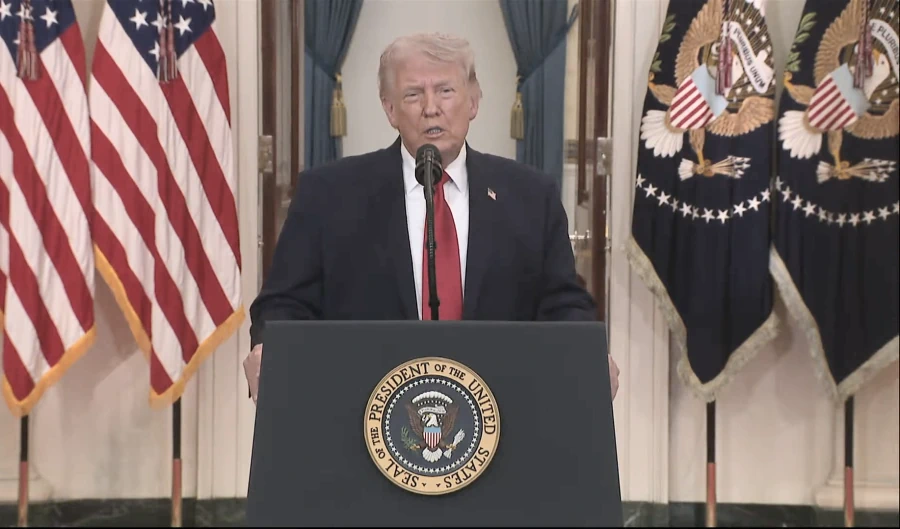
In mid‑April 2026 the image of the United States abroad is again defined not by domestic politics or elections, but by war. Since February 28, when Donald Trump together with Benjamin Netanyahu launched an offensive against Iran, Washington has been perceived both as the military engine of the conflict and as the chief architect of its consequences for the global economy. Perspectives differ: in France there is talk of an American “oil shock” and a strategy of blockading the Strait of Hormuz; in South Africa the focus is on threats to growth and inflation; in Israel the debate centers on whether the US controls the escalation or has been drawn into its own logical trap. But in all three cases the US is at the center — both as a rule‑setting power and as the source of a growing sense of helplessness among others.
The main theme that unites Paris, Pretoria and Jerusalem is the combination “US and Israeli war against Iran + US‑Iran energy conflict.” The French press writes openly of a “regional war, but a global crisis,” noting that Iran’s blockade of Hormuz, reinforced by a US naval blockade of Iranian ports, is once again triggering inflation and shaking fragile growth in both Europe and the Global South. In an editorial in Le Monde analyzing the war in Iran, a theme recurs: the fighting is limited to three countries, but “the list of collateral victims keeps growing,” and the world is witnessing a “pandemic of powerlessness” — states not participating in the war are practically unable to influence Washington’s and Tehran’s decisions. (lemonde.fr)
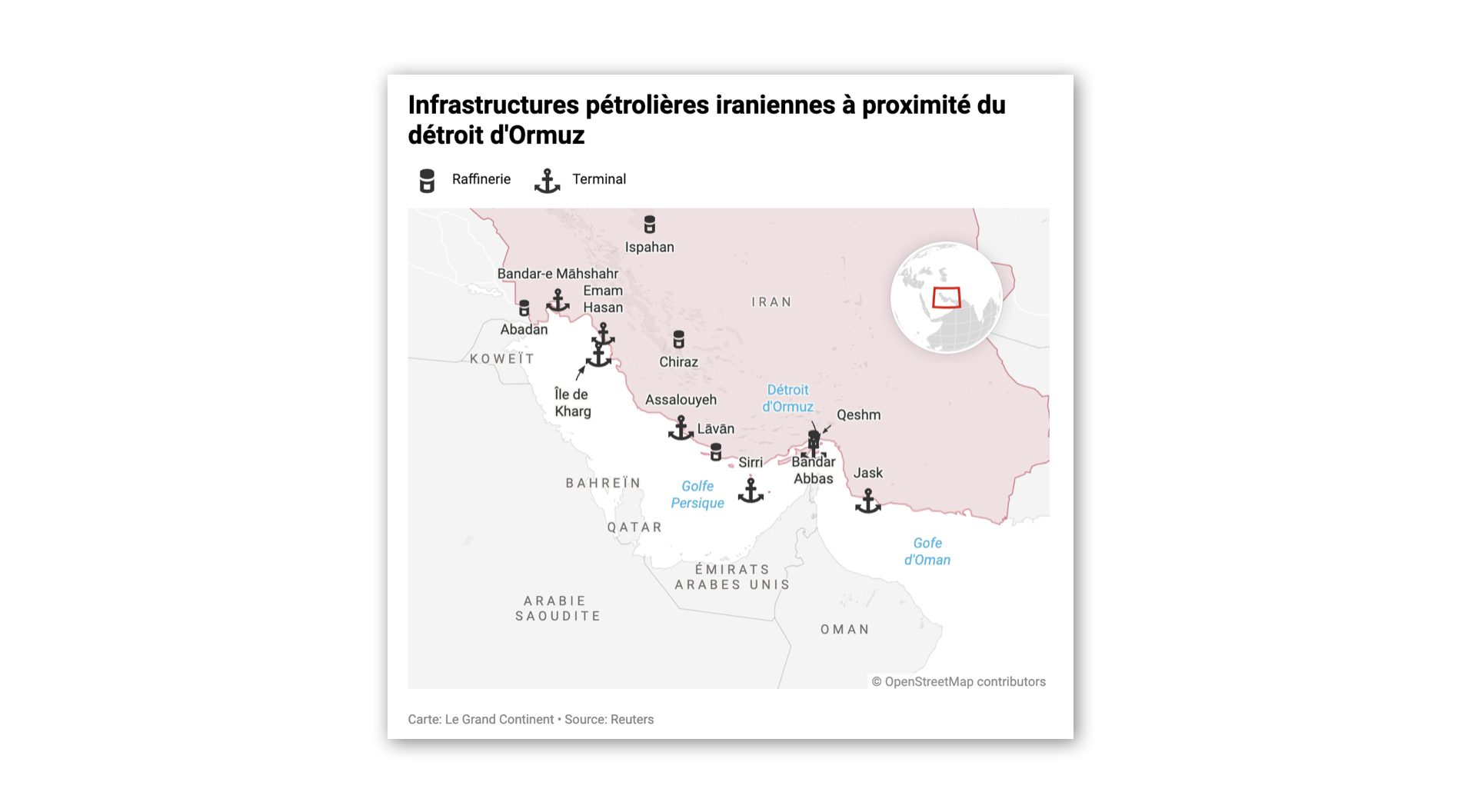
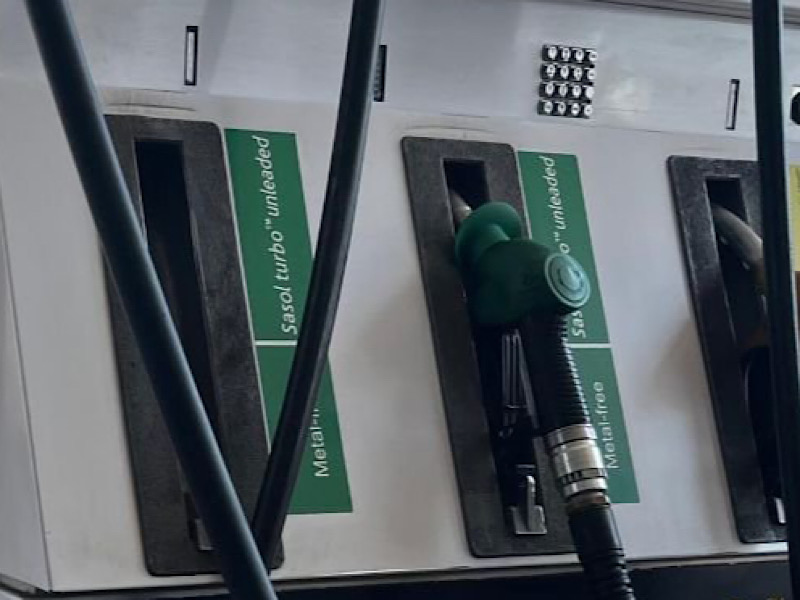
In France this “powerlessness” is read primarily through the prism of energy and geopolitics. Francophone media analyze in detail how the US‑announced naval blockade in the Hormuz area on April 13 — a response to Iran’s closure of the strait — is turning into a potential new global oil shock. Le Journal de Montréal emphasizes that the American blockade threatens Asian oil imports above all, while Iran has even managed to increase exports in the first weeks of the war thanks to higher prices. (journaldemontreal.com) Meanwhile TF1 Info explains to French readers how the collapse of US‑Iran negotiations and Trump’s announcement of a blockade of Iranian exports are pushing oil prices up again and what this means for gasoline prices in France. (tf1info.fr)
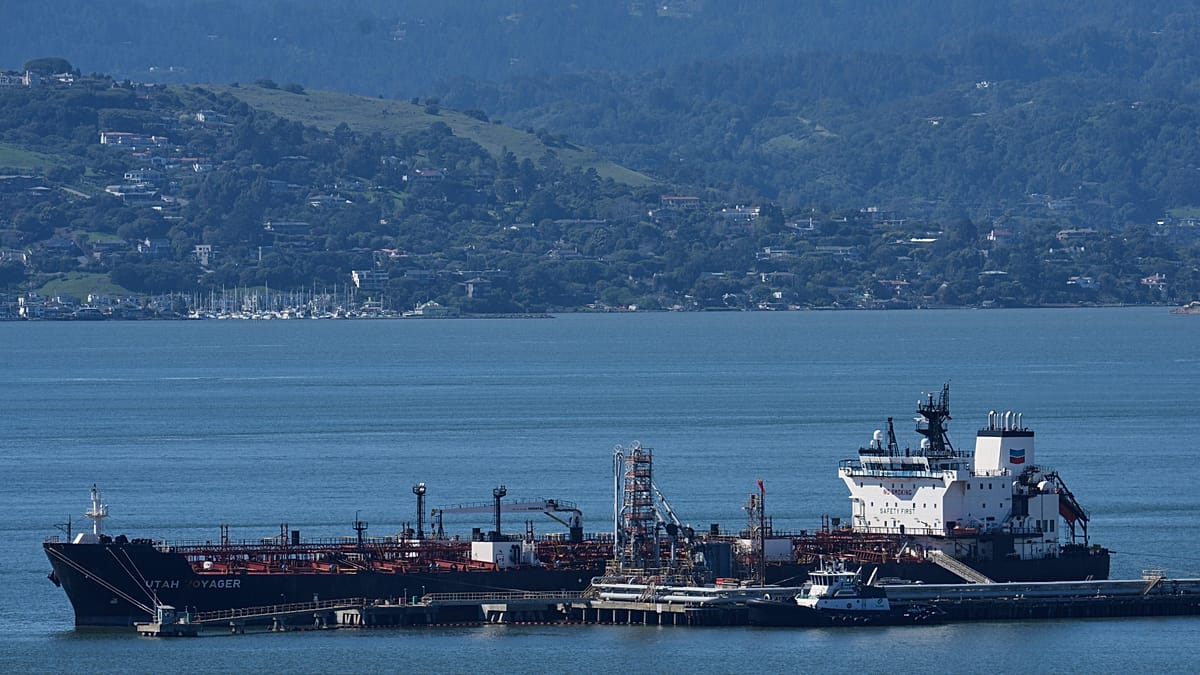
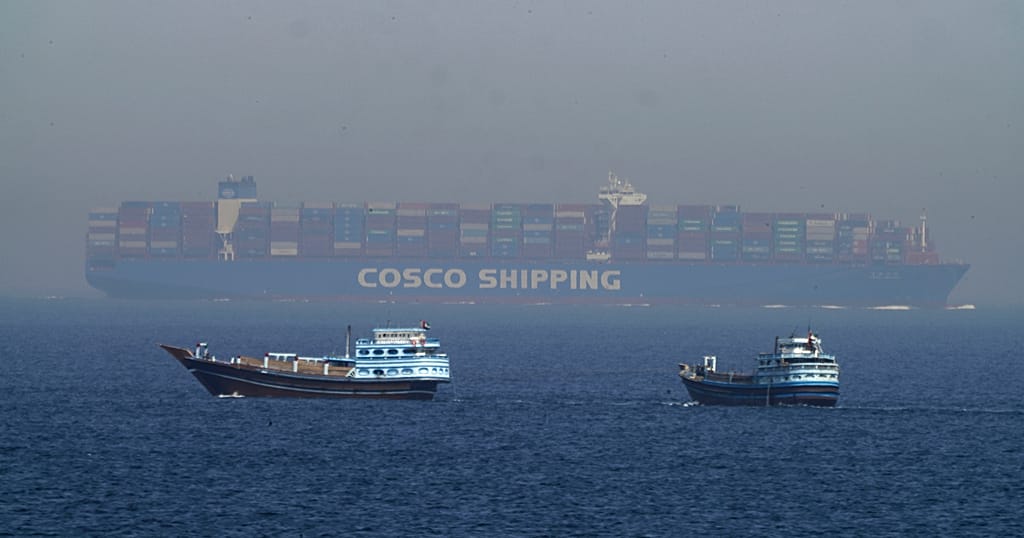
French think tanks go further, assessing the macro effect: the platform Le Grand Continent points out that a blockade of Hormuz could cost Iran hundreds of millions of dollars a day, but the real shock would hit the global economy, since the volumes at stake are comparable to the two 1970s oil crises combined. (legrandcontinent.eu) At the same time, Europe, Euronews notes, is observing a sharp drop in tanker traffic through Hormuz — from 24 to four ships a day — and is revising Brent price forecasts upward, along with inflation expectations. (fr.euronews.com) In such pieces the US is described both as a rational actor using “blockade as a pressure tool” and as a power ready to permit large-scale economic collateral damage on foreign soil for the sake of tactical advantage.
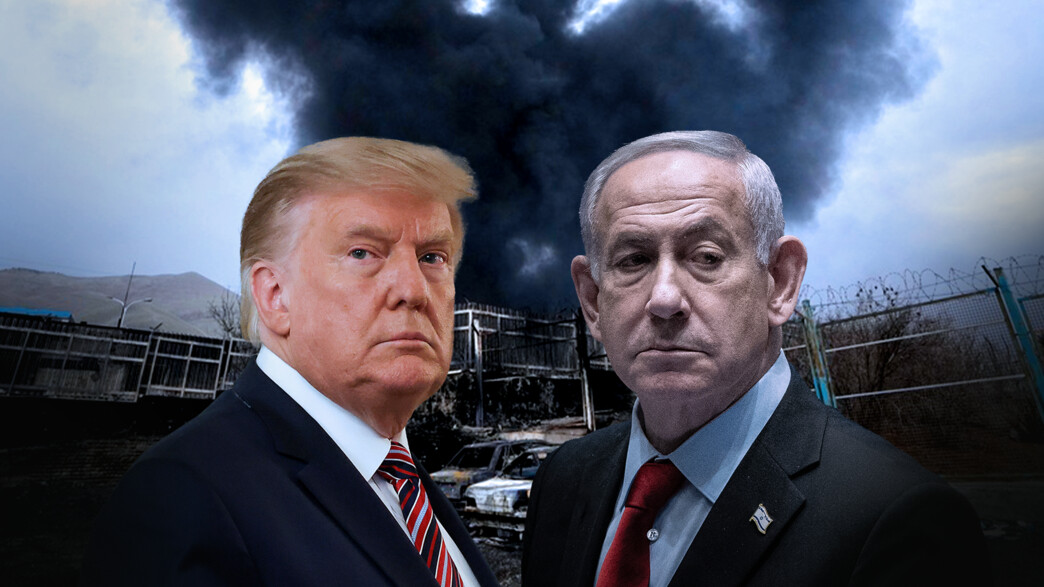
Against this background French criticism of the specific character of today’s US‑Israeli tandem is especially visible. Le Monde, in the English version of its column, speaks of a “carefree US‑Israeli alliance” acting according to the logic of force and domestic politics, while Iran believes it is fighting an “existential battle.” (lemonde.fr) Between the lines this reads as a reproach to the US: the White House appears too sensitive to domestic political signals to design a long, predictable strategy of de‑escalation, which makes European and southern partners hostages of someone else’s political dynamics.
South Africa views the same conflict mainly through a fuel‑price lens and through an old wound of dependence on Washington’s decisions. South African business press literally counts cents per liter: Business Report describes how the oil price surge caused by the US‑Israel war with Iran increases inflationary risks, calls into question scenarios for interest‑rate cuts, and threatens to weaken South Africa’s already fragile economic growth, which was estimated at just 1.6% for the year. (businessreport.co.za) The portal Scrolla.Africa highlights that the Ministry of Mineral Resources was forced to announce higher prices for petrol and diesel from March 4, and local politicians warn that if the confrontation involving the US, Israel and Iran drags on and oil rises above $110 a barrel, the South African economy may not withstand a new round of fuel price increases. (scrolla.africa)
Some pan‑African publications put this in a broader context. Africanews and African Business write that the US‑Israeli operation against Iran, which has already acquired its own code names in the Western press, is becoming a “price shock” for Africa and risks derailing the last positive trends in several continental economies. Rising oil prices, supply‑chain disruptions and market volatility — driven largely by Washington’s rhetoric and actions — mean higher import costs for importing countries and increase the likelihood that central banks will delay rate cuts. (africanews.com) Interestingly, those same pieces note paradoxical “winners”: gold prices are rising in the face of war, which could benefit Africa’s largest gold producers, including South Africa, but the overall balance for the continent is judged sharply negative and directly linked to American decisions.
A distinct South African note in the conversation about America is the intertwining of the war and Pretoria’s diplomatic conflict with Washington. The appointment in mid‑April of seasoned negotiator Rolf Meyer as South Africa’s ambassador to the US is interpreted by local media as an attempt to ease strained relations with the Trump administration, which had effectively expelled the previous ambassador after his public criticism of the US president and had conspicuously ignored South Africa’s G20 platform. Associated Press reminds readers that against this backdrop the US criticizes South Africa’s ties with Iran and its domestic racial policies, and South Africa’s internal debate about Washington’s “double standards” toward the Global South is only intensifying. (apnews.com) In this frame the US looks like a power that, on the one hand, demands political loyalty on Middle East issues and, on the other, does not hesitate to impose economic and diplomatic punishments on those who choose a more autonomous course.
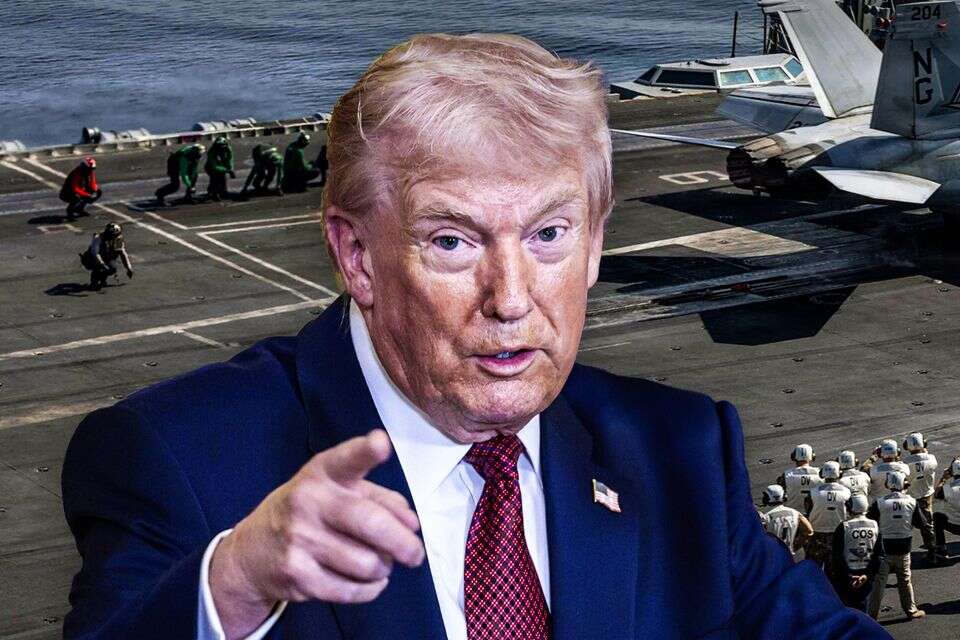
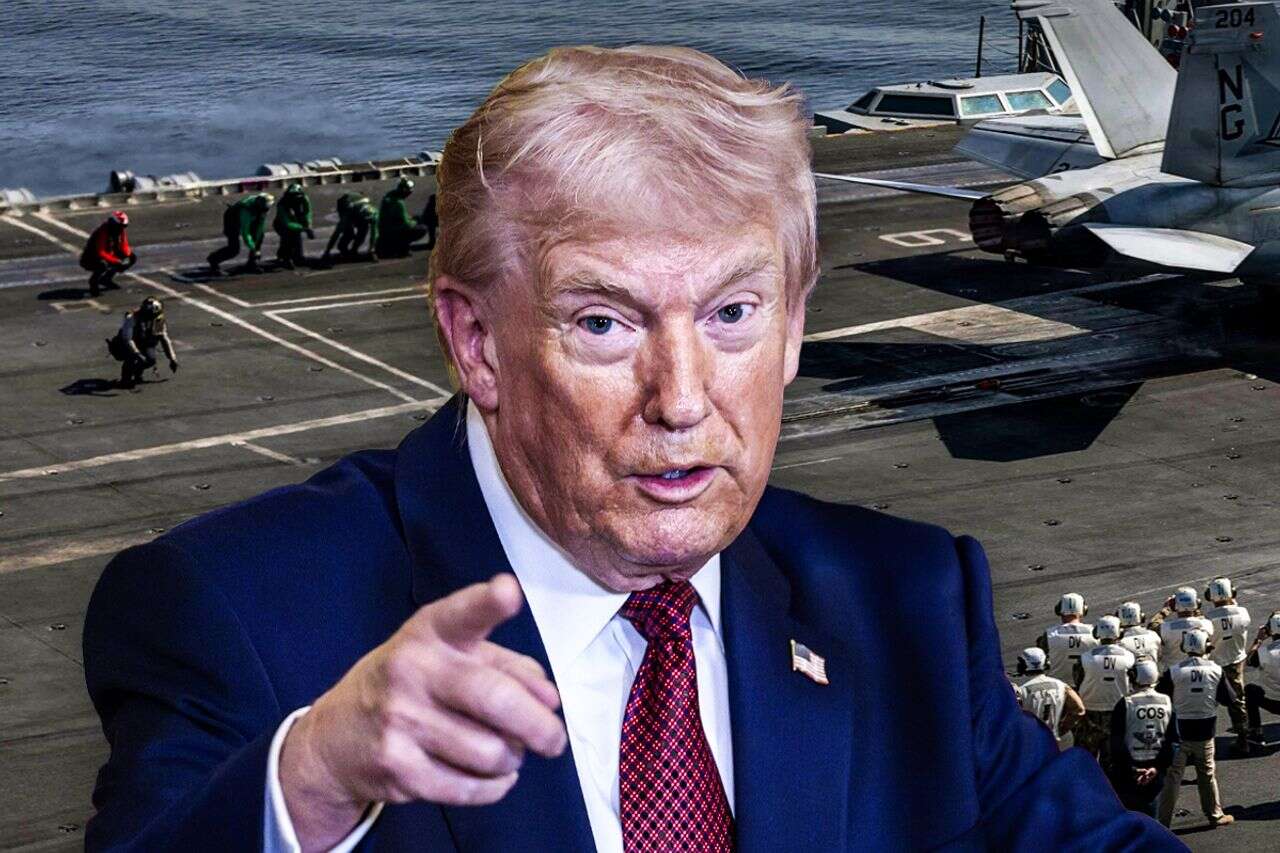
In Israel, unlike in France and South Africa, the US is discussed primarily not as an external shock‑producer but as the “senior partner” in the shared war. Israeli outlets — from Israel Hayom to business and religious news portals — analyze the White House’s tactical moves in detail. When Trump first announced a broad offensive against Iranian targets and then — after failed talks in Islamabad — a possible naval blockade of Hormuz, local analysts debated whether this was the “trump card” meant to speed an agreement or a dangerous bet that could draw the US and Israel into a prolonged confrontation with unpredictable consequences. Israel Hayom, analyzing Trump’s tweet about a potential naval blockade as an alternative to a “long and dangerous military operation in the Persian Gulf,” notes that the American president had already used lifting sanctions on part of Iranian oil “at sea” to boost global supply but now seemed ready to go to the opposite extreme. (israelhayom.co.il)
For the Israeli public it is especially important who in this configuration “leads” and who “follows.” A column on N12 TV stresses that it was the US, not Israel, that insisted on the ceasefire that took effect on April 8 after forty days of war, despite the clear unwillingness of a significant part of Israeli society to pause. The author concludes that Trump demonstrates he is the dominant player, and the Israeli prime minister, even if privately opposed, is forced to agree with Washington’s decision as a “loyal ally.” This, the commentator argues, refutes conspiracy theories that Israel “dragged” the US into the war. (mako.co.il)
At the same time Israeli think tanks such as INSS keep their own tally: from the earliest mass protests in Iran — during which Trump increased military presence and promised to “help the demonstrators” — to the present moment when, after strikes on nuclear infrastructure and a naval blockade, Washington is nonetheless forced to seek a path to talks. One review stresses that the “window of opportunity” for diplomacy had opened even before the large‑scale attack of June 2025, but the American bet on heavy pressure amid applause from allies led to a situation where any retreat will now be perceived as weakness. (inss.org.il) It is unsurprising that Israeli media closely quote every Trump statement that “the war with Iran is close to over” and every report that Tehran has allegedly initiated new contacts with Washington — these directly affect the sense of security in Israel.
It is interesting how American domestic politics figures in the Israeli debate. The portal Zemaze, analyzing Trump’s April address to the nation on the war with Iran, recounts reactions in the US media: some commentators in the Washington Post, according to the Israeli author, consider the president “psychologically unfit for office” and express shame at how he represents the US on the world stage. (zemaze.co.il) For the Israeli public this matters because the quality of American leadership sets the quality of security guarantees: if the US president is perceived at home as unpredictable, allies must plan for a wider range of scenarios.
All three countries also engage a deeper layer of discussion — about the long‑term role of the US in the world. An Israeli report published on the Shakuf platform reminds readers that a tendency toward liberal interventionism is part of America’s DNA, drawing parallels between the current escalation with Iran and earlier wars, while noting that despite clear signs of erosion in democratic norms within the US, many experts believe it is premature to speak of a “democratic decline” thanks to constitutional architecture and federalism. (shakuf.co.il) In France similar doubts appear as debates over whether the current strategy of “coercive pressure” on Iran and the US readiness to destabilize the global energy market for tactical ends are compatible with the role of a responsible hegemon. South African analysts, for their part, overlay this with their own experience — from apartheid to current disputes with Washington over Palestine and Iran — and ask whether America is becoming a power for which the interests of the Global South are systematically secondary.
The result is a multi‑layered picture. For the French, the US today is above all the architect of the Hormuz blockade and the source of a new wave of energy instability, while Europe has practically no levers to influence Washington’s or Tehran’s course. For South Africa America is an external force whose decisions on war and sanctions immediately hit fuel prices, the rand and social stability, while also serving as a political adversary in debates over international law and global justice. For Israel the United States remains an indispensable guarantor and director of the war: it is Washington that decides when to bomb, when to stop and how far to go with the blockade, and in Tel Aviv and Jerusalem they try to fit into that logic without losing their own agenda.
The common thread running through Paris, Pretoria and Jerusalem is a shift in perception of the US from “global policeman” to “generator of systemic risks,” while still remaining indispensable. None of the three countries can simply “cancel” America: France needs American guarantees within NATO, South Africa needs access to markets and investment, Israel needs military, political and diplomatic backing. But as the war with Iran drags on and the blockade of Hormuz turns the White House’s internal decisions into a daily problem for filling stations in Marseille, Johannesburg and Haifa, a clearer question is being asked: can the America of today manage the crises it itself sets in motion?

![[VIDÉO] Les automobilistes ont à peine senti la diminution de leurs frais d'essence que déjà, ils redoutent une nouvelle augmentation. Après une baisse à la suite du cessez-le-feu en Iran, le cours du pétrole est reparti à la hausse après l'échec des négociations. Spécialiste des matières premières, l'économiste Jacques Percebois explique à TF1info à quoi on peut s'attendre. - Échec des négociations, blocus du détroit d'Ormuz : risque-t-on de nouvelles hausses à la pompe ? (Économie).](https://photos.tf1info.fr/images/1280/720/illus-carburant-essence-gasoil-station-0ab972-0@1x.jpeg?overlayImage=bG9nby10ZjFpbmZvLWRlZmF1bHQucG5n&overlayWidth=18&overlayGravity=northwest&s=78c802)