At the start of 2026, the image of America abroad was again tied not to Washington’s domestic politics but to its attempt to end the bloodiest war in Europe since Yugoslavia. The US peace plan for Ukraine, discussed since November 2025, bilateral security-guarantee packages and White House pressure on Kyiv have produced a wide range of reactions in Ukraine, Saudi Arabia and Germany — from cautious hope to open distrust. At the same time, Gulf countries and Europe are closely following other vectors of US policy — primarily a possible campaign against Iran and how the United States is reshaping the continent’s security architecture.
These themes form today’s international agenda about the US: what exactly Washington is offering Ukraine, how “American” the proposed peace is considered to be, how the Saudis are using American activity to strengthen their role as mediators, and why in Berlin officials talk about “bad” and “less bad” variants of the American plan.
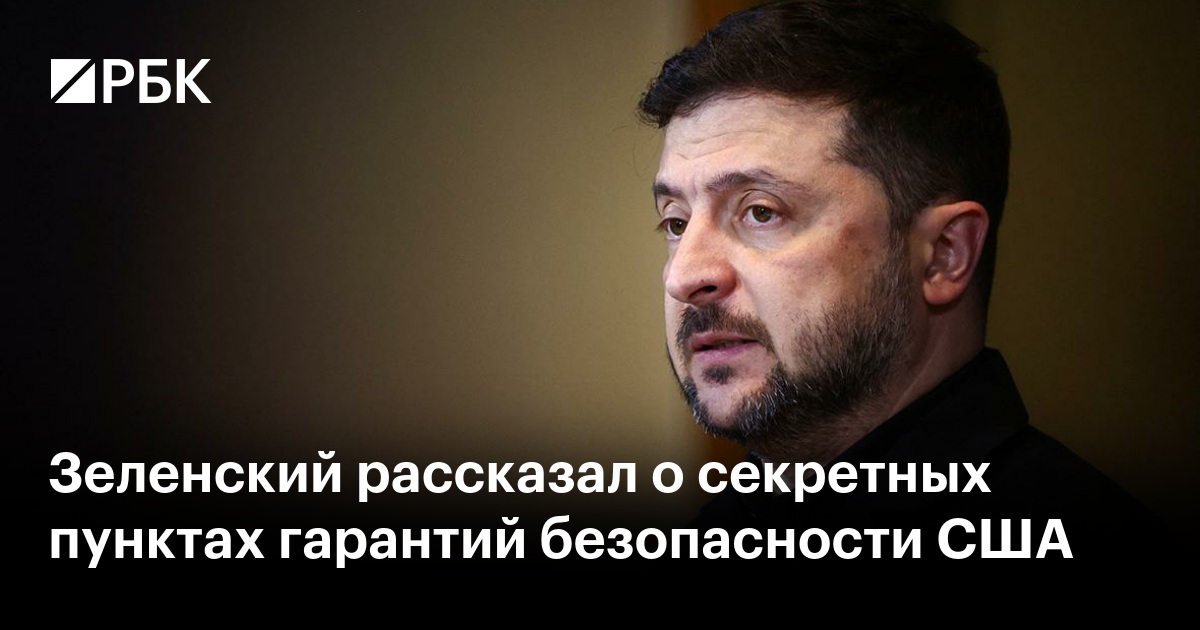
The central node of discussions is the American peace plan and the security guarantees. Since November 2025, Ukraine, Europe and the US have been negotiating a complex 22‑point document that, in different versions, links a ceasefire to Kyiv’s relinquishing of some territories, limits on its armed forces and long-term security guarantees from Washington.(rbc.ru) At the same time, a separate US–Ukraine bilateral guarantees agreement is being drafted, under which, as Volodymyr Zelenskyy emphasized, a “basic block” of documents is already ready, while key details are intended for classified annexes and must be ratified by the US Congress so as not to repeat the fate of the Budapest Memorandum.(rbc.ru)
Around these points — territory, guarantees and pressure — three main lines of debate emerge: Ukrainian anxiety and efforts to fit the American initiative into its own “peace formula”; the Middle Eastern sense that the US is again ready to use military and economic levers of power; and the German debate over whether the American plan incentivizes “the profitability of aggression.”
For Ukrainian politicians and experts, the US remains both an indispensable ally and a source of risk. In Ukrainian media and expert circles, the Trump plan and subsequent amendments are described as a “living document” that Kyiv and Europeans are trying to edit so it does not look like capitulation while still guaranteeing real protection after the war. Ukrainian political scientist Igor Chalenko told 24 Channel that the 22‑point plan developed by the US after meetings in London could be acceptable only if approved by Ukrainian society; he cited polls showing extremely low public readiness for territorial concessions and predicted that the American document “will probably undergo changes.”(24tv.ua)
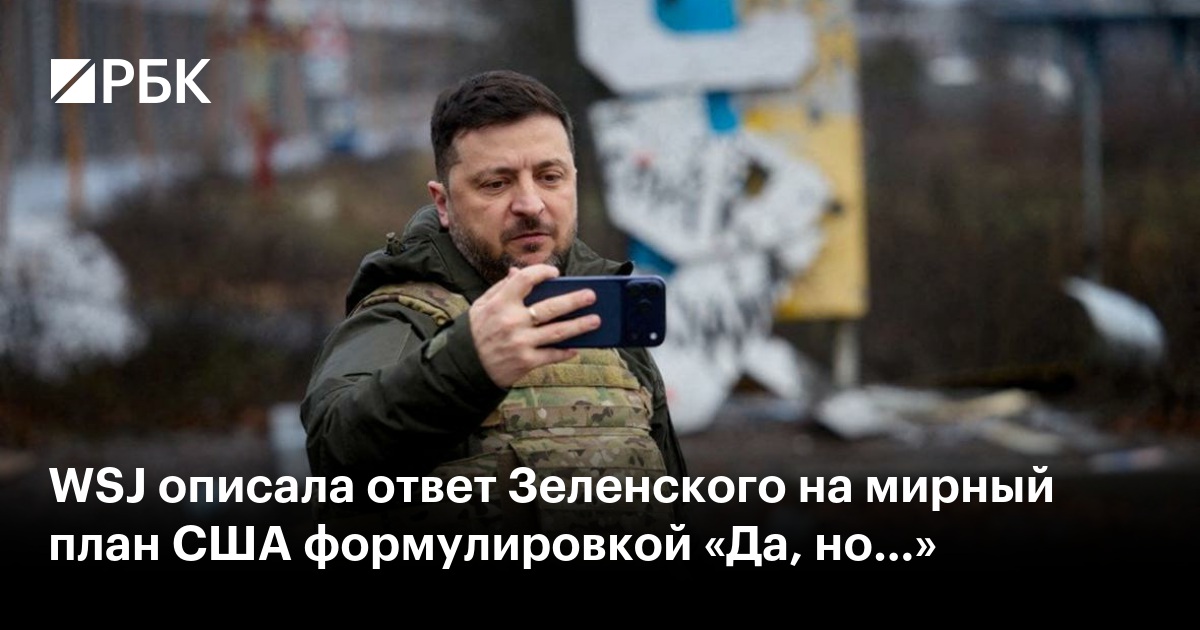
Official Kyiv is trying to speak about the Washington plan as cautiously as possible, but lines of red lines are visible through leaks. The Wall Street Journal, frequently cited in both Ukrainian and Russian media, relayed Zelenskyy’s circle’s assessment with the formula “Yes, but…”: Ukraine allows compromises on demilitarization around the Zaporizhzhia NPP and on army size, but is not ready to agree to a final renunciation of Donbas or the right to join NATO.(rbc.ru) The president later clarified that the security-guarantees document developed with the US and Europe must be ratified by Congress and that some provisions will remain classified — which, he said, will distinguish future guarantees from the failed agreements of the 1990s–2010s.(rbc.ru)
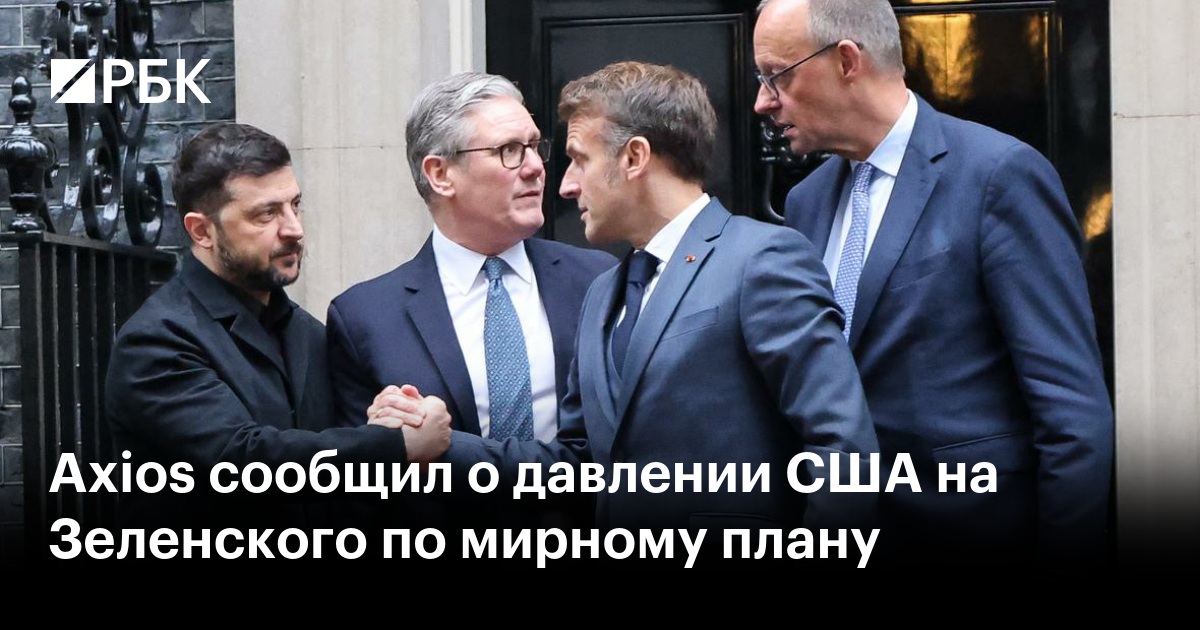
Equally important is the Ukrainian reaction to elements of pressure. As early as late 2024, Zelenskyy’s office called early publications about the “Trump plan” a “plant” and stressed that no one intended to discuss backroom deals over Kyiv’s head.(rbc.ru) But by winter 2025 the tone had changed: Axios and several European outlets reported that the US administration had effectively decided to halt large-scale financial and military assistance after the last cycle of G7 credit programs unless Kyiv showed readiness for concessions, primarily territorial. Ukrainian officials quoted by Axios and cited by RBC spoke of an attempt “to distance Zelenskyy from European leaders in order to more effectively pressure Ukraine.”(rbc.ru)
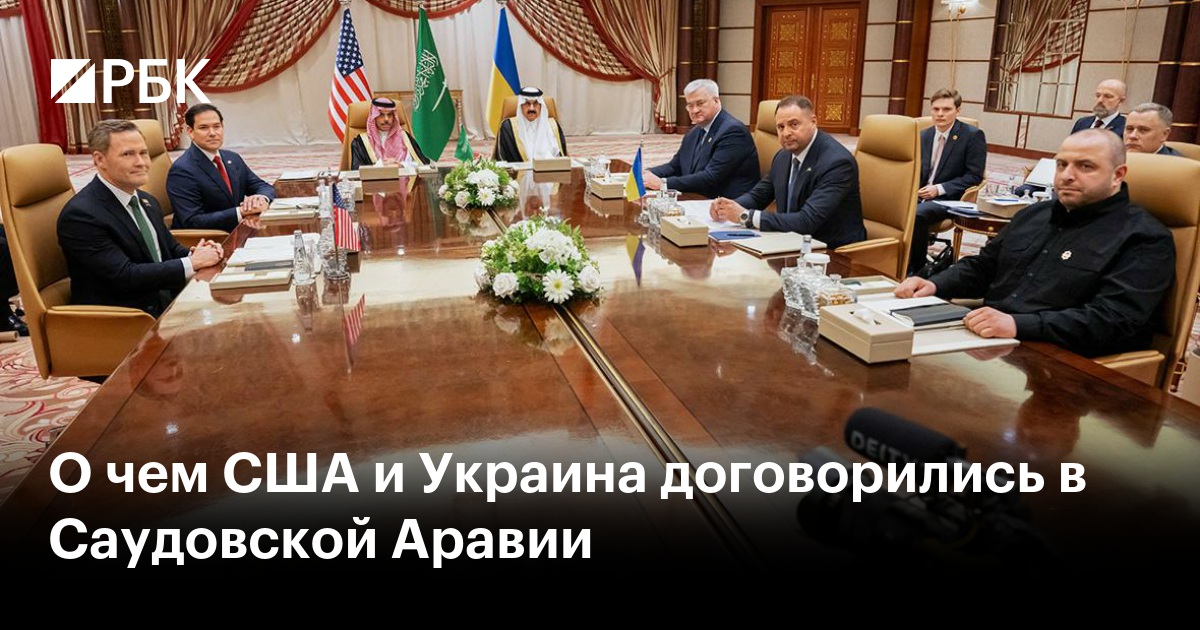
Against this background, sending a Ukrainian delegation to Jeddah and Abu Dhabi looked to Kyiv like a forced but conscious acceptance of the role of a “junior partner” in an American peace architecture. In the Jeddah joint statement, Ukraine agreed to the immediate introduction of a 30‑day ceasefire contingent on a reciprocal step by Russia, and Washington promised to resume intelligence sharing and military aid.(rbc.ru) For Ukrainian society this is presented as a tactical move for humanitarian gains — prisoner exchanges, return of deported children, demining — rather than as consent to partition. At the same time, irritation is growing in Kyiv over the US approach, which, in the words of one Ukrainian source quoted to the Western press, “looks at the war as an equation where territorial variables can be freely rearranged.”
Notably, Ukrainian leaders constantly appeal to past experience with American guarantees. Zelenskyy and his advisers have reminded Western and Ukrainian outlets that Ukraine already gave up nuclear weapons under promises from the US and Britain, and those guarantees failed. Therefore, in their view, the current package must be not just a political declaration but a legally binding mechanism with clearly stipulated US actions in case of a new attack — an interpretation echoed by the German edition of Forbes, recounting the WSJ leak that described the guarantees “by analogy with NATO’s Article 5.”(forbes.ru)
If the US is Ukraine’s key architect of a future peace, Saudi Arabia sees American activity as an opportunity to cement its role as an indispensable diplomatic hub for the region while distancing itself from Washington’s riskiest ventures. It was under Saudi patronage in Riyadh and Jeddah that meetings between US and Ukrainian delegations took place, as well as indirect consultations involving Russia on Black Sea maritime security. The Saudis deliberately cultivate the image of an “equidistant mediator” providing a venue but not dictating outcomes.(rbc.ru)
For the Saudi press and analytical circles, what matters most is not precisely how the US will divide Ukraine’s skies or the Donbas, but how these moves fit into the broader pattern of American policy in the Middle East. In Russian- and Arabic-language commentaries discussing a possible US strike on Iran, there is a sense that Washington is heading toward a new large-scale regional war. Political scientist Alexey Pilko, whose assessment has circulated through Middle Eastern channels, speaks openly of an “almost inevitable” American attack on Iran and notes that even key US partners in the region — Saudi Arabia, Turkey and Qatar — oppose such an operation.(eadaily.com)
Against this background, Saudi media view the Ukraine track and the American peace plan not only as a European story but as part of a wider US strategy to reformat security from the Black Sea to the Persian Gulf. In an Okaz piece about Washington pressuring Kyiv to accept Trump’s 28‑point plan, the US appears as an actor accustomed to using the threat of cutting off military aid and intelligence even with respect to allies. Citing American sources, the author writes that Kyiv faced “unprecedented pressure” and threats to stop weapons deliveries and intelligence sharing if Zelenskyy did not sign a framework agreement by the deadline set by Washington.(okaz.com.sa)
The tone is interesting: while criticizing US methods, the Saudi text also highlights Zelenskyy’s caution, noting he “tries not to reject the American plan and not to insult the Americans,” according to Okaz. Beneath the surface lies a familiar regional narrative: capitals in the Middle East once had to balance dependence on American military aid with disagreement over Washington-imposed solutions on Iraq, Syria or Iran.
Against this backdrop, Riyadh is conspicuously trying to show it will not automatically back another major American military campaign against Tehran. For Saudi strategists, regional stability and their own economic projects — Vision 2030 — matter; a large-scale war with Iran threatens to disrupt oil markets and the investment agenda. Thus, expert columns predict that if the US proceeds with a strike, it risks not only Iranian missile retaliation on bases but also “suffering a geopolitical defeat” in the region by losing the support of partners like Saudi Arabia.(eadaily.com)
In this picture, Saudi involvement in the Ukrainian settlement becomes a kind of trump card for Riyadh: the kingdom shows Washington, Moscow and Kyiv that it can provide neutral territory and diplomatic infrastructure, but it is not willing to be an appendage of an American strategy of containing Iran.
In Germany the discussion about the American plan and the wider US role in Europe is more complex and multi-layered: Berlin fears both an American failure and its excessive “deal-making” with the Kremlin. German officials and analysts try not to alienate Washington while also avoiding legitimizing a scheme that would reward aggression with territory.
Chancellor Friedrich Merz’s position is typical: in autumn 2025 he told Deutsche Welle he doubted the American plan would be adopted by Trump’s deadline of 27 November and proposed his own interim step to “at least get the process moving.” According to Latvia’s LSM portal, Merz believed Europe would likely succeed in removing from the “peace plan” the clause limiting the Ukrainian army, insisting that the security of Ukraine and Europe cannot be built on its unilateral disarmament.(rus.lsm.lv)
German Foreign Ministry official Johann Wadephul went further in nuance. In an interview with ZDF he called the Trump administration’s approach “unorthodox but effective,” noting that Washington has acted similarly in the Gaza sector. At the same time Wadephul stressed that the 28‑point document is not a full-fledged “peace plan” but rather a “list of topics and options for discussion,” and assured that the US “is watching very carefully to ensure Germany and Europe are included” in the process.(zdfheute.de)
The most important formula came in the minister’s interview on public German television: “We stand with Ukraine… We are Ukraine’s advocate.” Wadephul promised that Germany would do everything to ensure Kyiv entered negotiations “from the strongest possible position,” and at the same time criticized the haste proposed by Trump: “The last thing we need is bustle and haste.” Within the governing coalition and especially in the SPD, even harsher assessments have been voiced: as Die Zeit reported, the party stressed that the term “peace plan” would itself be a euphemism given the set of Russian gains in the original text.(zeit.de)
German think tanks put this criticism even more bluntly. In an analytical commentary by the German Council on Foreign Relations (DGAP) about a “misguided peace plan,” the initial 28‑point Russian‑American draft is said to have had no potential to end the war but could well have rewarded Russian aggression and laid the foundation for a “world order based on a balance of great powers” at the expense of smaller countries. The authors emphasize that thanks to resistance from some Republicans in Washington and European intervention, many of the most dangerous provisions for Ukraine and Europe were softened or removed, temporarily averting “a quasi-capitulation of Ukraine and the factual split of the West.”(dgap.org)
For Berlin the key question to the US is formulated this way: can one, in the pursuit of a quick peace, avoid undermining the principle of indivisible European security? German commentators view reports in Politico with concern that Washington considers its guarantees to Kyiv more significant than European ones, and entertains the possibility that the American package — promising analogues to Article 5 of NATO but without formal Ukrainian membership — will become the main instrument of postwar deterrence of Russia.(rbc.ru) On one hand, this reduces the risk of an American withdrawal from Europe. On the other — Europe risks becoming a “coalition of the willing,” providing a few helicopters and a company of troops while strategic decisions are made overseas.
As a result, three very different countries form surprisingly interconnected images of America. In Kyiv the US is the only country capable of providing real military and political guarantees, but also a partner willing to bargain away Ukrainian territory and army for the “deal of the century.” In Saudi discourse Washington remains the main military power, inclined to solve problems by force and pressure — from the Ukrainian battlefield to a possible campaign against Iran — but Riyadh is no longer prepared to play into these scenarios without regard for its own interests. In Berlin America is seen as a necessary guarantor of Eastern European security and at the same time an unpredictable architect of “big deals” with Moscow that could undermine the very European security architecture Germany sees as its historical mission.
These three perspectives share one thing: Ukraine, Saudi Arabia and Germany no longer view the US as a monolithic, unconditional leader of the “collective West.” On the contrary, they scrutinize nuances — who in Washington is writing the plan, which clauses are key, how durable the guarantees will be, and what will happen in five or ten years when the White House changes hands again. It is from these local calculations and fears that the complex mosaic of global perceptions of America is born — a mosaic not visible if one reads only American newspapers.