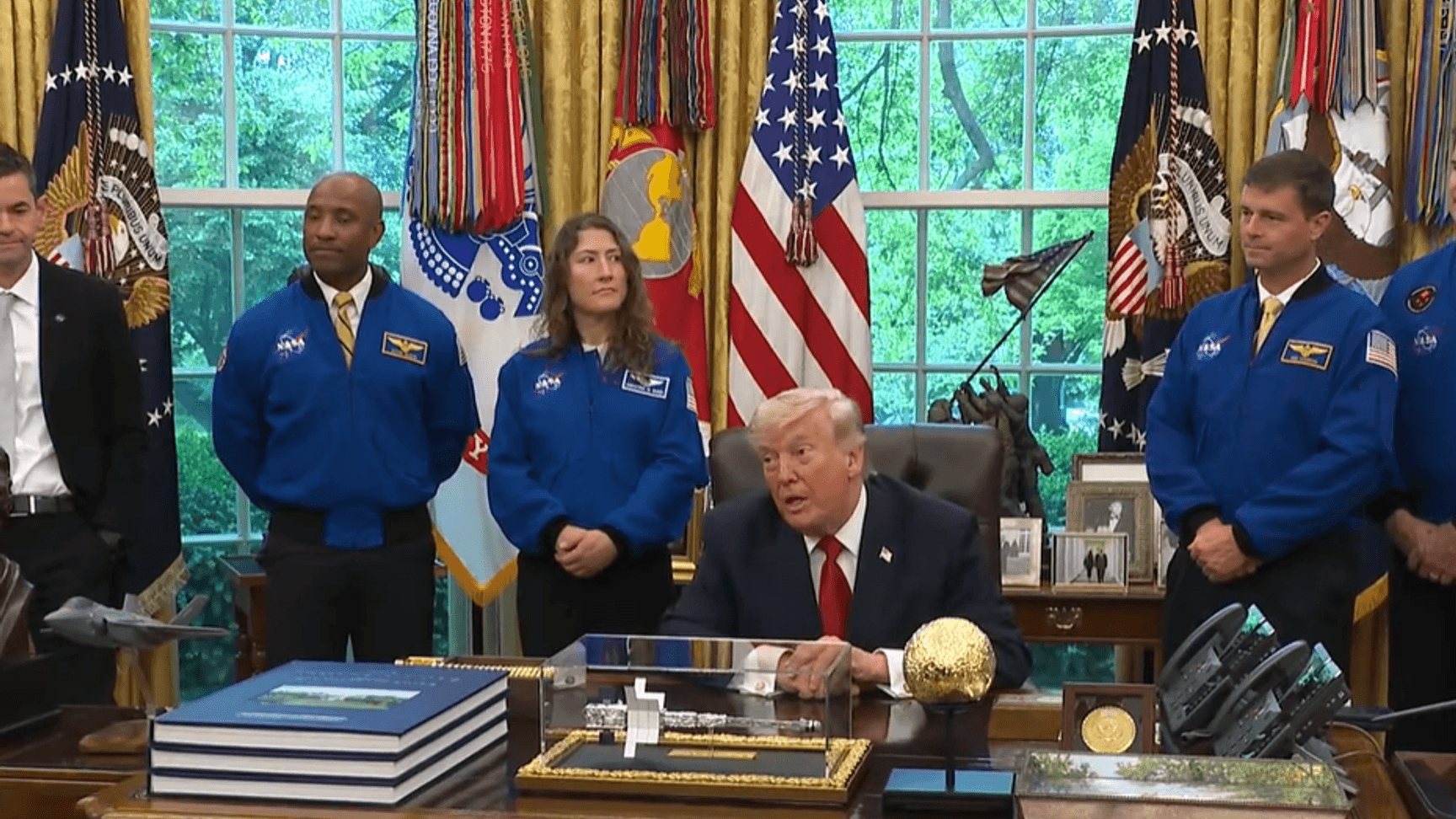
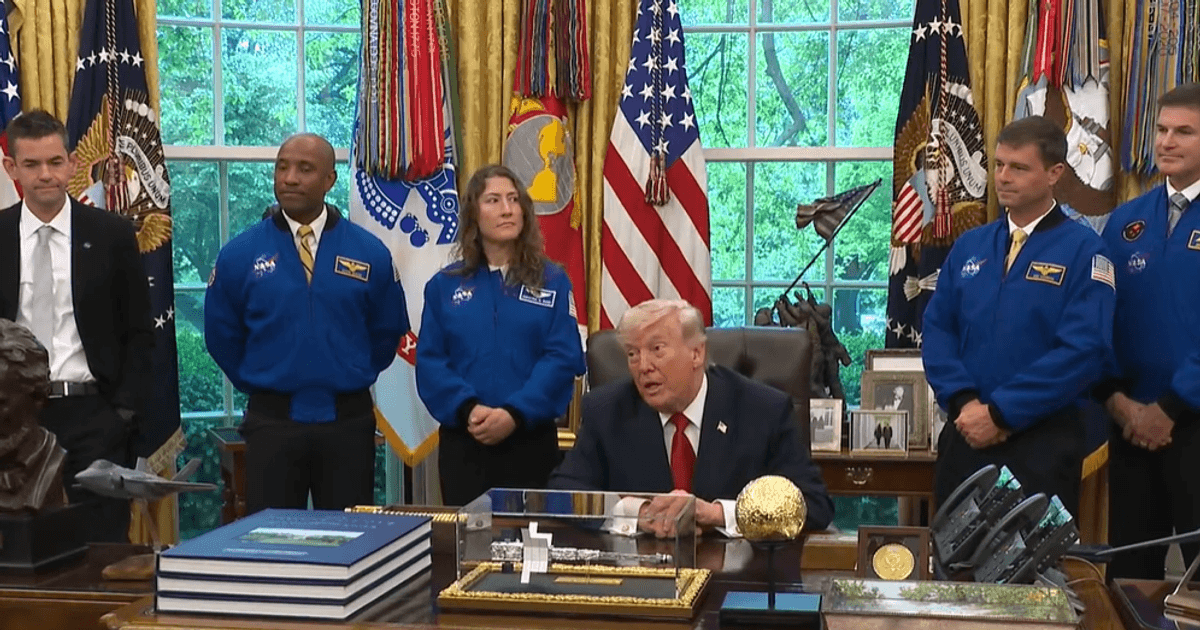
In recent months the picture of how the US is written about and debated in New Delhi, Seoul and Kyiv has noticeably changed. For an observer who reads only the American press, Washington still seems like the center of the "democracy world," simultaneously at war with Iran, trying to finish Russia's war against Ukraine, and reshaping the global economic order. But in India, South Korea and Ukraine people increasingly speak of the US not as an unconditional leader but as a large yet extremely selfish player whose decisions impose high costs on others. Four interrelated themes come to the fore: the US‑Israel war on Iran and its side effects; the weakening and conditionality of American support for Ukraine; Washington's economic pressure on partners, above all India; and technological partnership—seen simultaneously as an opportunity and a trap.
The main new storyline uniting all three countries is the US‑Israel war against Iran. In Ukraine it is discussed almost as a "second front" of the same larger war, where Russia and Iran act as a linked bloc and the US is torn between the two directions. An analytical piece in European Pravda about a "new front of the global conflict" directly draws a parallel with Vietnam: the authors warn that the US could again be drawn into a protracted war without a clear exit strategy, as happened under Lyndon Johnson. They emphasize that the operation against Iran has already sharpened disagreements between the US and European allies, which for Ukraine means further weakening of an already imperfect NATO. In another analysis in the same outlet about "who won and who lost" from the war with Iran, an unwelcome conclusion for Kyiv is reached: the Kremlin has won at least twice—the US is expending weapons that could have gone to Ukraine and is deepening splits within the Western camp, weakening the alliance's deterrent potential. (eurointegration.com.ua)
Ukraine's public debate directly links the Iranian campaign to the prospects for its own security. In a ZN.ua piece with a conspicuously harsh headline about how the US risks "repeating Russia's mistakes in Ukraine," the author compares Trump's calculus on Iran with Russian illusions in 2022: a quick operation and regime change were expected, whereas in practice it increasingly resembles a prolonged war of attrition. For Kyiv the main risk is that Washington will "get stuck" in the Middle East, leaving resources and attention for Ukraine chronically scarce. (zn.ua)
Ukrainian experts in interviews and columns actively debate whether the war in Iran benefits Kyiv. Political scientist Vitaliy Bala, speaking with Interfax‑Ukraine, points to a strange contrast: toward Iran the US first seeks a cessation of hostilities and then talks about negotiations, whereas Ukraine is pressured into dialogue with Moscow without a real ceasefire. In his view, the US "has not achieved any goals" in Iran besides destruction and replacing some functionaries with others who might be even more radical. Economist Tymofiy Mylovanov, president of the Kyiv School of Economics, stresses in the same piece that Tehran's sense of impunity has nonetheless been shaken—but Iran's military machine is far from broken, meaning the crisis will be long, and Ukraine's competition with another theater of war for Washington's attention is now permanent. (interfax.com.ua)
In the more popular, unofficial segment of the Ukrainian internet the tone is even harsher. In forum discussions about the war in Iran recurring motifs emerge: some participants view the conflict as "beneficial" in the sense that Iran is a direct enemy of Ukraine and a key supplier of drones to Russia, so its weakening is strategically useful. Others stress that the US "cannot beat Iran," oil prices rise, Russia gains additional revenue and sanction relief, and Ukraine faces higher fuel costs and the risk of becoming a "forgotten war." This duality—gratitude to the US for striking Iran, Russia's partner, and irritation at the side effects—is one of the main emotions in Ukrainian society today. (reddit.com)
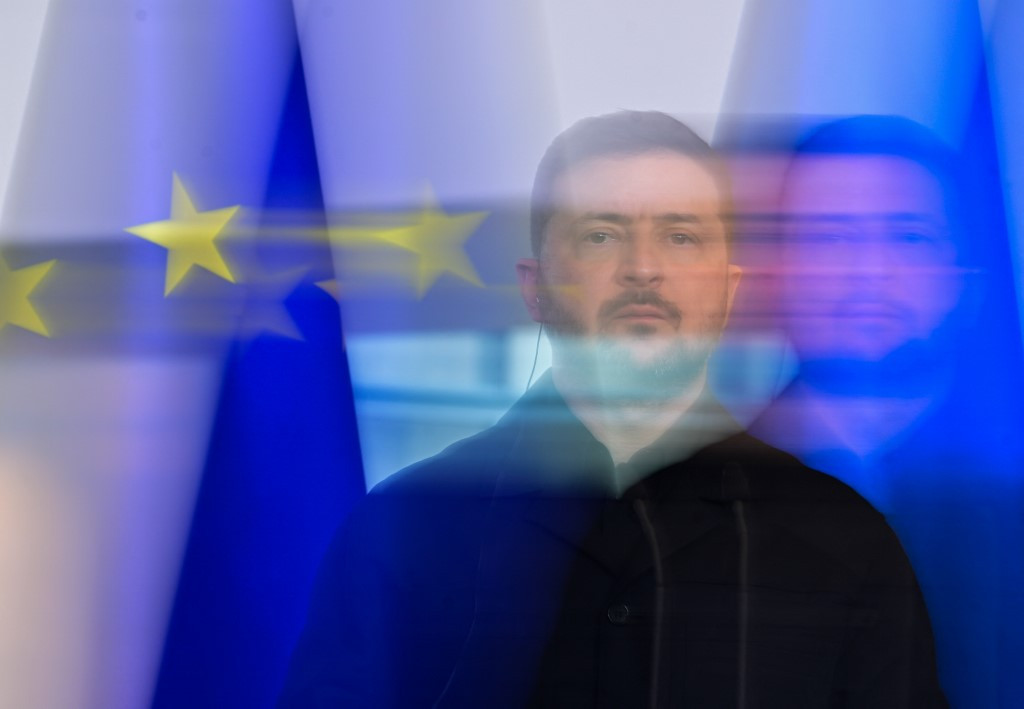
Against this backdrop, the words of Ukraine's president Volodymyr Zelenskyy are becoming increasingly candid criticism of Washington. His warning that after the active phase of the war with Iran ends the Trump administration could return pressure on Kyiv demanding territorial concessions for "peace" with Russia is widely quoted in Ukrainian media. In the same vein he expresses confidence that the protracted campaign in the Persian Gulf is already disrupting weapons deliveries to Ukraine, and he describes the temporary rollback of sanctions on Russian oil as a signal to the Kremlin of impunity. (lb.ua)
And here the Indian voice unexpectedly joins the Ukrainian one: for India, the world's third‑largest oil importer, the US‑Israel war with Iran is above all a matter of energy survival and fuel prices. In Indian analytical blogs and columns recent months have been full of discussions about how conflict in the Strait of Hormuz will hit India and how Washington is trying to punish Delhi via tariffs and sanctions for maintaining ties with Moscow and Tehran. One author writing for an Indian IT audience directly links the Iranian conflict, rising oil prices and White House pressure on India: in his view, the US shifts the costs of its "imperial" policy onto developing countries and then moralizes about making the "right choice" of allies. (abhs.in)
Thus the first common theme for all three countries emerges: Washington is increasingly seen not only as a source of security but also as an "exogenous risk"—it can, by its decision, open a new front, and Kyiv, New Delhi and Seoul will be the ones to pay, in both literal and figurative terms.
The second cross‑cutting theme is the erosion of trust in American security guarantees, primarily in Ukraine but with obvious implications for Asia. On Ukrainian political and expert platforms it is now commonplace to say that the US "can no longer, and does not want to" be a guarantor of Ukraine's long‑term security in the previous format. Reports that Washington does not intend to provide formal security guarantees until a peace agreement with Russia is concluded have given Kyiv the sense of "conditional support": the US is willing to help but not to bind itself legally. (en.apa.az)
This uncertainty is fueled further by how the Ukrainian press describes the evolution of the Trump administration's line: a push for a "quick peace" at any cost, attempts to impose three‑day ceasefires on dates convenient to Moscow, and a reduction of sanctions pressure on Russian oil to stabilize prices domestically. Ukrainian commentators in outlets like the Kyiv Post and major online media sharply criticize this approach as strategically short‑sighted: for the sake of short‑term domestic economic relief, the US is willing to undermine its own position in the larger war, in which a Ukrainian victory is a key test of American reliability for allies worldwide. (kyivpost.com)
Interestingly, Ukraine is also giving a more "sovereign" response. Interviews and columns increasingly contain the idea that even if American military assistance dries up, the country is not as vulnerable as it was in 2022–2023. Directors of analytical centers in Kyiv say plainly that Ukraine has learned to fight relying on its own defense industry and European aid; American support remains important but is no longer seen as the "only lifeline." This security emancipation is an important signal to Asian countries: the United States is increasingly viewed as a partner to be approached pragmatically, not as a patron to whom one can delegate all responsibility. (reddit.com)
In South Korea the theme of American guarantees sounds milder but is similarly present beneath the surface. Against the backdrop of the war in Iran and the need for the US to reallocate resources to the Middle East, the Korean press notes how this already affects the timetable of US‑China contacts and diplomatic priorities. Yonhap reported that Donald Trump's visit to China was postponed "because of the war with Iran," and in Seoul this is seen as a symptom: the US cannot simultaneously wage a large war in the Middle East, maintain a hard line of Chinese containment, and keep the same level of attention on the Korean Peninsula. For South Korean society, living in the shadow of North Korea's nuclear arsenal, this is another reason to ponder the degree of dependence on the American umbrella. (yna.co.kr)
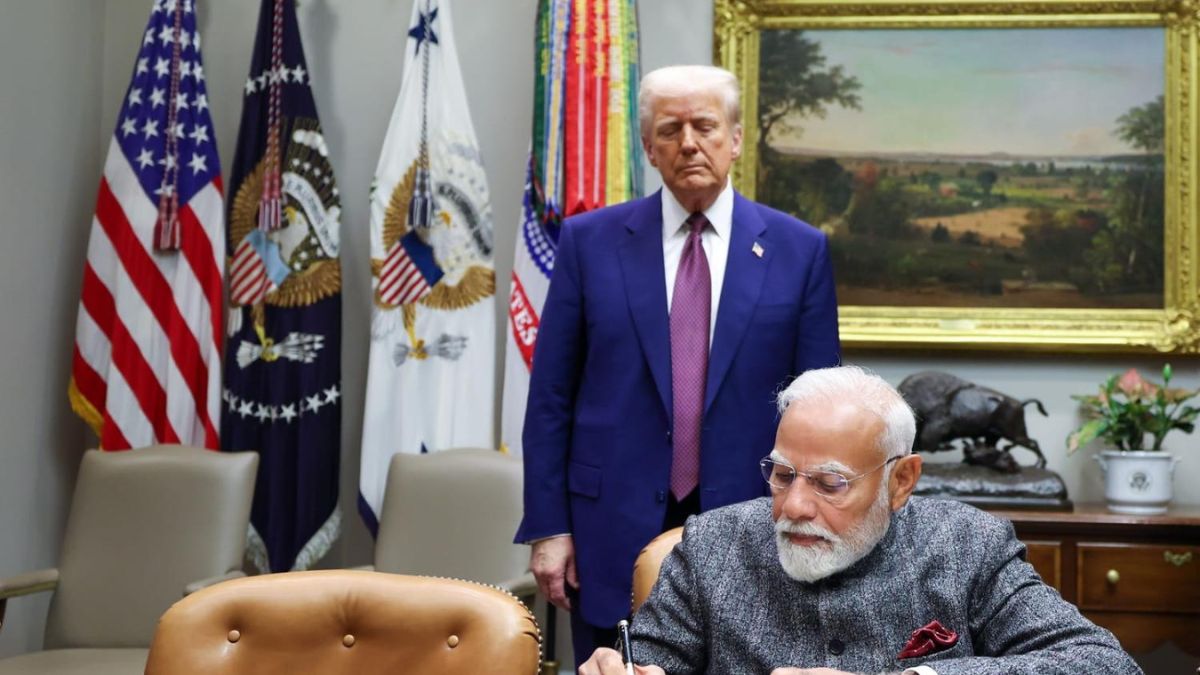
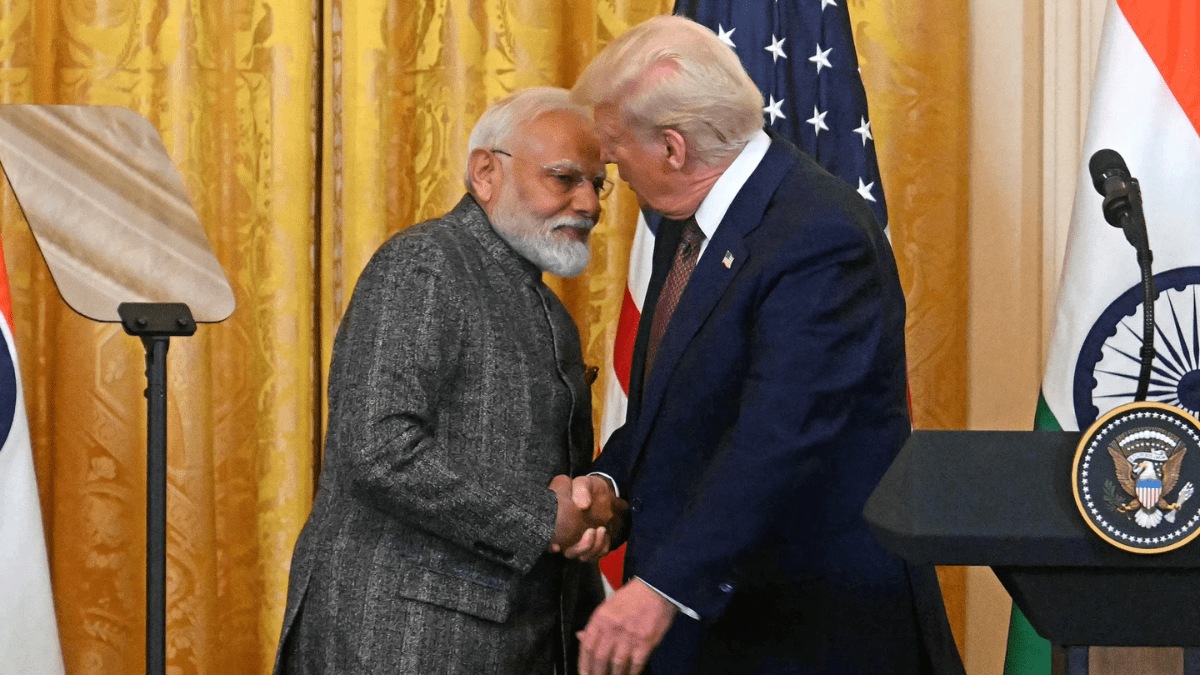
The third major theme where reactions from India, Ukraine and Korea converge is US economic and sanctions pressure on allies under the banner of confronting Russia and Iran. In India this line is discussed especially sharply because Delhi has found itself targeted by Washington's new tariff policy. The Indian press covered in detail the 25 percent "penalty" tariffs introduced by the Trump administration to force India to reduce purchases of Russian oil. Even some Democratic members of the US Congress opposed these measures, arguing that India was being unfairly singled out. But in Indian public discourse the feeling has taken hold that Washington is ready to treat India more like a "problem country" than a key partner in Asia. (financialexpress.com)
A bilateral trade deal also caused political resonance: in New Delhi part of the elite presented it as a success, while the opposition called it a "capitulation to the US." Major Indian opposition parties accused Narendra Modi's government of granting Washington highly sensitive levers of influence—up to mechanisms to monitor imports of Russian oil and other steps that limit India's strategic autonomy. The Financial Express quoted a characteristic slogan of opponents: "Modi made India surrender land." Even if not meant literally, the metaphor shows how relations with the US are increasingly perceived as an unequal exchange in which geopolitical support is paid for with political and economic sovereignty. (financialexpress.com)
For Ukraine the economic aspect of American policy appears differently but with a similar undertone: temporary easing of sanctions on Russian oil to restrain global prices, and the redirection of some defense orders to needs in the war with Iran, call into question the thesis of "maximum pressure" on Moscow. In Ukrainian economic and political debates this is interpreted as Washington trying to "balance" its interests: lightly pressure Iran, avoid a spike in US gasoline prices, not overload the defense budget—and all at the expense of weakening the sanctions regime that was a matter of survival for Ukraine. (reddit.com)
In South Korea the economic angle of American policy is most often discussed in the context of technological and industrial security. Seoul watches with interest as the US both tightens the sanctions noose around China's tech sector and shifts parts of production chains to friendly countries—including India and, prospectively, Ukraine. For Korean corporations this is both opportunity and threat: on one hand, markets for Korean electronics, arms, and air‑ and missile‑defense solutions grow; on the other, Washington increasingly demands a choice between the American and Chinese markets, hitting the traditional business models of the largest chaebols. The "with us or against us" logic that the US applies to India and Ukraine is gradually reaching Seoul too.
The fourth common theme is technological partnership with the US as a source of ambition but also skepticism. In the India‑US context this is most noticeable in semiconductors. A recent analytical piece prepared with Indian experts for the Carnegie Endowment reveals New Delhi's internal perspective: India wants to become a major player in global semiconductor value chains, but many fear the US might use it as a cheap assembly base without sharing critical technologies and while retaining control over key nodes. The article speaks of "unresolved challenges" in semiconductor cooperation: mismatched industrial policies, a gap between American expectations on IP protection and India's drive for technological sovereignty, and the risk that India will remain an "informal insider" without formal access to the high‑tech club. (carnegieendowment.org)
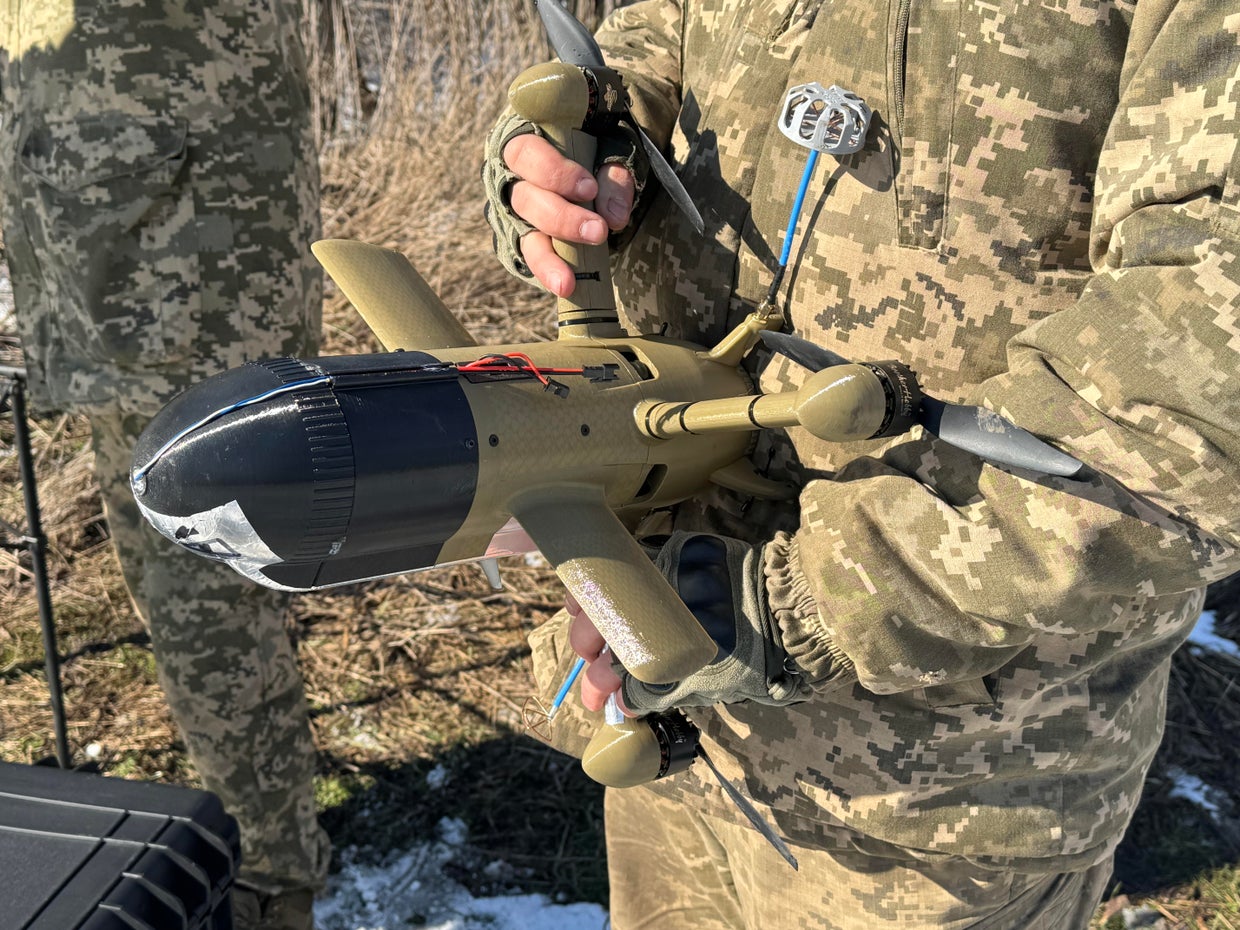
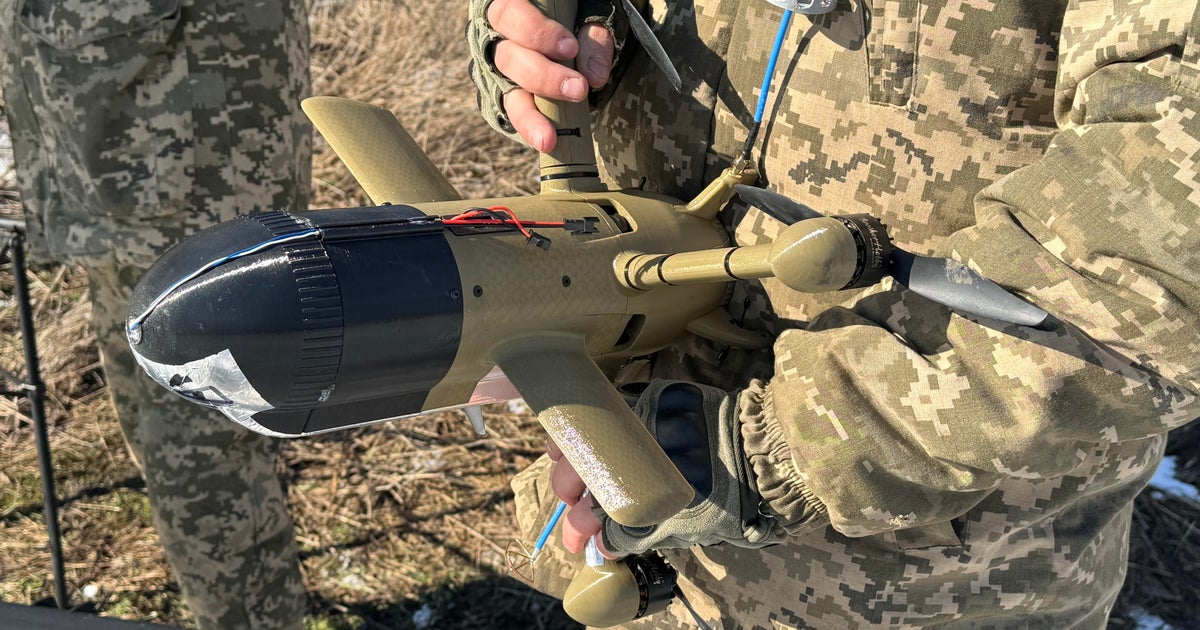
Ukraine shows a different but related storyline: war has turned the country into a laboratory of modern military technologies, primarily in drones and counter‑drone air defense systems. Kyiv is increasingly discussing possible "partnership" with the US not only as a recipient of weapons but also as a supplier of solutions and expertise. A CBS News piece about progress toward a landmark US‑Ukraine anti‑drone defense agreement emphasizes that Ukrainian innovations born from fighting Russian and Iranian drones are now in global demand, especially given the war with Iran. In Ukrainian commentary this is seen as a transition from the role of "junior partner" to that of a technological co‑author, albeit an unequal one. (cbsnews.com)
Nevertheless, skepticism persists in both India and Ukraine: how ready are the US to genuinely share technologies rather than just buy foreign developments or place the "dirty" parts of the chain with partners? Indian expert debates on semiconductors express the view that Washington is more intent on reliably severing India's ties to Chinese standards and infrastructure than on truly developing an industry in India. Ukrainian discussions of drone technologies and air defense contain the fear that after the hot phase of the war the US might "close off" key developments for itself or sharply restrict exports from Ukraine to preserve its technological edge. Both countries are learning to read American policy not only for its rhetoric of partnership but also for the structure of real incentives.
Finally, there is another, more emotional but telling line of discussion, especially in India: attitudes toward Donald Trump’s rhetoric and his circle. Controversial remarks calling India "some hole on the planet" and labeling Indian programmers "gangsters with laptops"—who supposedly did more harm to the US than the mafia—were widely discussed in Indian public space. For the IT community this became an important marker: the president of a country that for decades benefited from cheap, skilled Indian labor and migration of specialists now openly uses demeaning language as part of his domestic political battles. Combined with tariff pressure and attempts to limit visas, this shapes an image of the US in India not as a "land of opportunity" but as a cynical partner that easily sacrifices the dignity and interests of others for domestic political points. (abhs.in)
For Ukraine the emotional analogue is Trump's slips and statements that Ukraine "lost militarily" or his confusion of Ukraine with Iran in public comments. Ukrainian media present this not only as the personal incompetence of the US president but also as a symbol of the White House's waning attention to the Ukrainian issue amid the Iranian war. Together with reduced American diplomatic time devoted to the Ukrainian dossier, this reinforces a sense of vulnerability and simultaneously pushes toward the idea: one must rely primarily on oneself. (hromadske.ua)
There is an overall logic to all this, though it is not immediately obvious. India, South Korea and Ukraine are very different in history, regime type, level of development and relationships with the US. Yet in all three societies there is a noticeable shift from a romanticized image of America to a pragmatic, sometimes harshly critical perception. The US remains a hugely important partner—a source of weapons, technologies, markets and, to some extent, security. But it is simultaneously becoming a risk factor: a country capable of starting a new war far from its borders and thereby destabilizing markets and diverting resources; an ally that sets conditions linking a partner’s economic and political behavior; a technological leader in no rush to share core competencies.
How India, Korea and Ukraine talk about America in spring 2026 says less about the "decline of the US" than about the maturation of its partners. They are no longer ready to treat Washington as a moral center and an unchallengeable guarantor, but neither are they rushing to sever ties. Instead a new, more complex configuration is forming: relations in which the US remains the largest player but increasingly must deal with allies who read American policy as soberly and suspiciously as they once read Moscow's or Beijing's. That is the main change in international perception of the US, visible from New Delhi, Seoul and Kyiv, but not yet fully grasped in Washington itself.


![President Trump and President Xi [Reuters/Yonhap archival photo. Resale and DB prohibited]](https://img0.yna.co.kr/photo/reuters/2026/03/17/PRU20260317011301009_P4.jpg)
![President Trump [AP/Yonhap. Resale and DB prohibited]](https://img7.yna.co.kr/photo/ap/2026/03/17/PAP20260317058601009_P4.jpg)