In recent weeks in Brazil, India and Australia, discussion of the United States has surprisingly converged on the same theme: with Donald Trump in office, Washington is again making tariffs the main tool of foreign policy, and local commentators are arguing less about the tariff figures themselves than about what they say about the United States. In the Brazilian press, American measures against exports from Brazil are described as protectionism, masked by rhetoric about Pix, ethanol and the environment; in India, the reaction centers on “tariff architecture” and negotiations for a trade deal; in Australia, it is framed around harsh criticism of the “slavery tariff” and an increasingly colder attitude toward the United States in public opinion. The common nerve of these texts is this: America is more and more often seen not as a predictable guarantor of order, but as a major power ready to use access to its market as leverage. (www1.folha.uol.com.br)
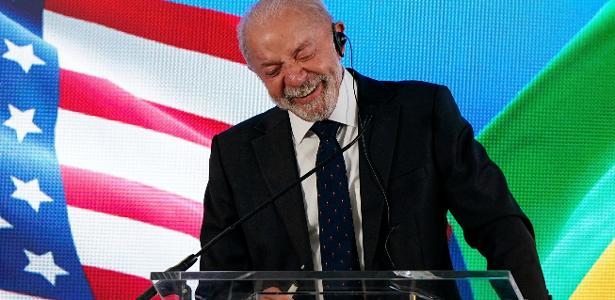
The most striking common theme is a new kind of trade war in which the United States justifies tariffs by citing forced labor and “unfair” practices. In Brazil, this has triggered especially sharp pushback: Folha writes that Washington’s explanations—from Pix to the environment—look more like a “repertoire for legitimizing barriers” than like a trade analysis, and that the overall average effective U.S. tariff on Brazilian imports, according to the article’s authors, has risen to roughly 9.5%. In a column, Lula—recounted by UOL—called the new tariffs a mistake and warned that they would break supply chains and push Brazilian companies to replace American suppliers with other partners. For Brazil, what matters here is not only that the duty hits exports, but also that the United States justifies it with political and regulatory claims, including the dispute over social media and the Pix payment system. (www1.folha.uol.com.br)
In India, a similar logic is read through a more technocratic, but no less cautious, language. The Indian Express and Mint write that the United States is reshaping its tariff regime by dividing countries into two categories—10% and 12.5%—amid investigations into forced labor and excessive production capacity. The Indian Ministry of Commerce, Mint reports, is asking Washington to review the 12.5% tariff and emphasizes that Delhi prefers bilateral negotiations over unilateral measures; the same article cites positions from industry associations FICCI and CII, which warn that additional tariffs will hurt not only Indian exporters, but also American importers, retailers and consumers. This is an important Indian feature: the local reaction is not limited to outrage, but tries to show the United States that tariffs will damage Americans themselves. (livemint.com)
But behind the shared tariff narrative lie different national fears. For Brazil, American measures are also read as interference in the country’s political context: in the domestic agenda, a line keeps resurfacing that Trump introduced tariffs against the backdrop of conflicts involving former President Jair Bolsonaro and disputes over freedom of speech, and Brazilian authorities respond with tough rhetoric about the “unfairness” of U.S. actions. In a UOL piece, the government had previously described the possible tariff as “injustas” (unjust), and a presidential column notes that Brazil’s exports to the United States have fallen to their lowest level since 1997. This is no longer just a trade dispute: in Brazil, U.S. policy is seen as a mixture of geoeconomics and domestic political maneuvering. (noticias.uol.com.br)
India, meanwhile, views the same U.S. line through the prism of negotiation strategy and long-term sustainability. There, a more pragmatic argument is heard: even if the tariff is currently lower than competitors’ rates, it still changes the relative positions of exporters—especially in textiles and, in the longer term, in pharmaceuticals. Mint notes that India’s textile industry did not receive TRQ (tariff-rate quota) preferences and may lose to competitors such as Bangladesh and Cambodia, while possible future levies on generics create uncertainty for companies. In other words, India is debating not only punishment, but also how the United States, via tariffs, is reshuffling global supply chains. It is a more “economic” perspective than in Brazil, but the conclusion is similar: America is becoming a source of structural pressure rather than simply a trade partner. (livemint.com)
Australia’s reaction is arguably the most institutionally framed. ABC reports that Canberra filed an official objection to Trump’s plan to impose a 12.5% tariff, calling it unsupported by a “credible evidentiary basis” and contradicting the existing free-trade agreement. At the same time, the Washington formula itself—that the tariff is needed because insufficient action is being taken against forced labor in supply chains—sounds in Australia almost absurd, because this is an ally and a very close partner of the United States. Here, the reaction is less emotional than in Brazil, but harsher in form: not just criticism, but a legal challenge to Washington’s position. (abc.net.au)
The most intriguing split in Australia is between distrust of Trump and reluctance to give up the American alliance. According to the Lowy Institute, only 31% of Australians believe the United States will “act responsibly in the world,” and trust in Trump himself is even lower—21%. Researcher Charles Lyons-Jones told ABC that the country feels “strong distaste for Trumpism and his policy agenda,” and that Australians themselves do not approve of using tariffs as a way to compel other states. And yet 73% still say the alliance with the United States is important for Australia’s security. This may be the subtlest international takeaway from the current wave of U.S. policy: allies are not rushing to break with Washington, but America’s moral credit is clearly shrinking. (abc.net.au)
Against this backdrop, local voices in each country sound different, but they almost always boil down to the same warning: Trump’s trade measures have become a form of political language. In India, Joint Secretary Brij Mohan Mishra, at a public hearing, Mint reports, objected to the conclusions of the USTR and insisted that the country is already taking constructive steps against forced labor; in Australia, the ambassador and trade officials effectively dispute the evidentiary basis of the American decision itself; in Brazil, Lula, in his column, sets the American tariff pressure against the idea of diversifying partners and defending the country’s sovereign right to shape its own trade policy. The three countries speak in different words, but all three read the same thing: under Trump, the United States is not just setting trade rules—it is re-testing how ready the world is to accept American will as the norm. (livemint.com)
Looking broader still, this is where the most interesting international perspective emerges—one that is easy to miss in the American press. For Brazil, the United States looks like a power capable of mixing a trade dispute with political pressure; for India, it is a partner that needs to be constantly persuaded not to undermine the very architecture of mutual benefit; for Australia, it is an ally whose trust level among the public has fallen to a record low, but without which strategic security still seems incomplete. In other words, today’s reaction to America depends less and less on ideology and more and more on experience: countries are not judged by statements about the free market, but by how exactly the United States uses the power of its market. (abc.net.au)